

Why Your Brand Needs AR and VR in Marketing Right Now
Why AR and VR in Marketing Are Changing the Rules of Brand Engagement
AR and VR in marketing are no longer futuristic experiments — they are active, measurable tools that leading brands use right now to drive real business results.
Here is a quick breakdown of what you need to know:
| Augmented Reality (AR) | Virtual Reality (VR) | |
|---|---|---|
| What it does | Overlays digital content onto the real world | Creates a fully immersive digital environment |
| Device needed | Smartphone, tablet, smart glasses | VR headset |
| Best marketing use | Virtual try-ons, product visualization, social filters | Immersive brand experiences, virtual showrooms, storytelling |
| Barrier to entry | Low — works in mobile browsers via WebAR | Higher — requires headset hardware |
| Engagement time | 20–120 seconds average | 3–10 minutes average |
| Top industries | Fashion, beauty, furniture, eyewear | Automotive, real estate, travel, events |
The numbers tell a clear story. Brands using immersive experiences see up to 70% higher engagement rates than traditional digital ads. Over 120 million Americans have already used AR while shopping. And the global AR and VR market is projected to reach $300 billion by 2028.
Consumers are no longer satisfied with static product pages and banner ads. They want to experience a product before they buy it — to see how a sofa fits in their living room, try on a pair of glasses without walking into a store, or walk through a property without booking a flight. AR and VR make that possible, and the brands that deliver these experiences are winning on engagement, conversions, and loyalty.
This guide walks you through exactly how to use these technologies to grow your brand — from strategy and storytelling to implementation costs and ROI.
I’m Samir ElKamouny, an entrepreneur and marketing expert who has spent years helping brands scale through innovative strategies, including AR and VR in marketing long before they became mainstream tools. In this guide, I’ll share what actually works — drawing on real campaign data, brand case studies, and the strategic frameworks I’ve used to help businesses create immersive experiences that convert.
Ar and vr in marketing terms you need:
The Strategic Power of AR and VR in Marketing

As we navigate through 2026, the digital landscape has shifted from passive viewing to active participation. Traditional marketing methods are fighting for scraps of consumer attention, while immersive technologies are capturing it entirely.
By integrating ar and vr in marketing strategies, we can fundamentally change how consumers perceive and interact with our products. AR acts as a frictionless utility tool that meets users on their smartphones, while VR offers an unparalleled depth of presence that isolates users from physical distractions.
This dual-pronged approach allows us to target different stages of the funnel. AR excels at top-of-funnel awareness and mid-funnel consideration, providing quick interactive experiences that build immediate confidence. Meanwhile, VR serves as the ultimate high-consideration tool, letting buyers step into highly customized digital environments where they can build an emotional connection with our brand.
How AR and VR in Marketing Bridge the Imagination Gap
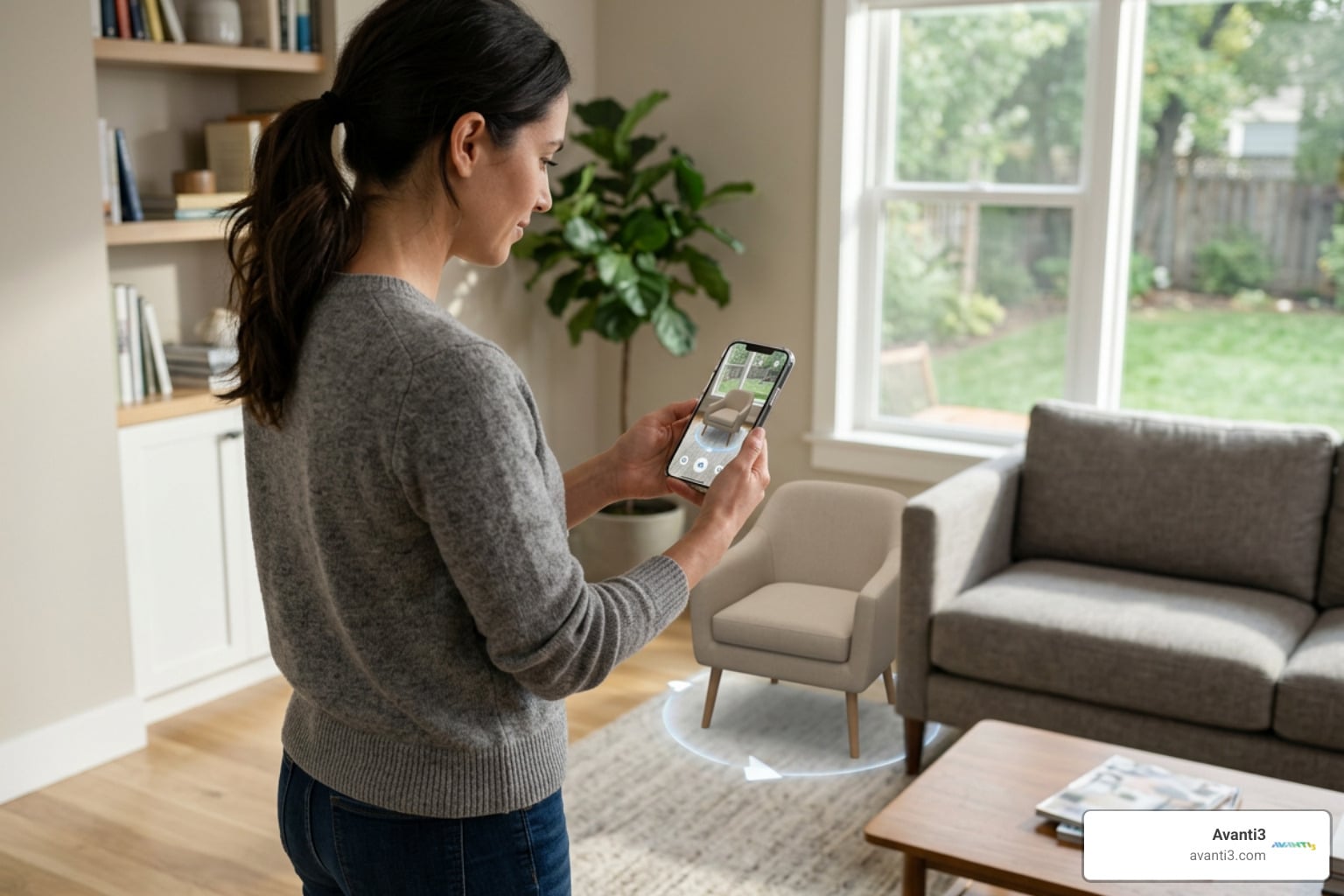
One of the biggest hurdles in e-commerce is the “imagination gap”—the mental friction a buyer experiences when they cannot physically interact with a product. Will this modular sofa actually fit in my oddly shaped living room? Will this shade of lipstick look good on my skin tone?
By utilizing AR and VR Experiences, we can eliminate this hesitation entirely. AR product visualization lets customers place 3D, true-to-scale models directly into their physical space. For example, furniture brands using AR visualization have seen product return rates drop by up to 25%, as customers no longer have to guess about dimensions or styling.
These immersive tools actively shape customer buying decisions, boost brand awareness, and secure long-term customer retention. When buyers can confidently answer their own spatial and aesthetic questions, they buy faster and return items less frequently. To explore how these practical applications are playing out across industries this year, take a look at the comprehensive breakdown of AR & VR in Marketing 2026: Real Examples, Trends & Benefits.
Immersive Storytelling and Personalization in Modern Campaigns
Traditional advertising tells a story; immersive marketing lets the consumer live it. When we design campaigns around spatial environments, we gain the ability to build deep, emotional connections that a flat screen simply cannot replicate.
Instead of showing a video about our sustainable manufacturing processes, we can use VR to transport a customer directly to our clean-energy production facility. This level of narrative depth fosters genuine brand loyalty because the consumer is an active participant in our world.
Furthermore, personalization is no longer just about adding a first name to an email subject line. In 2026, true personalization means letting the user customize their environment in real time. Whether they are swapping out materials on a virtual car dashboard or interacting with customized, user-generated AR filters on social media, we are empowering them to co-create their own experiences.
These highly personalized touchpoints are exactly what make Immersive Brand Activations That Win Hearts and Minds so incredibly effective.
Real-World Success: Case Studies of Immersive Brand Activations
To understand how these concepts generate revenue, let’s examine the specific strategies that have driven viral success and high conversions:
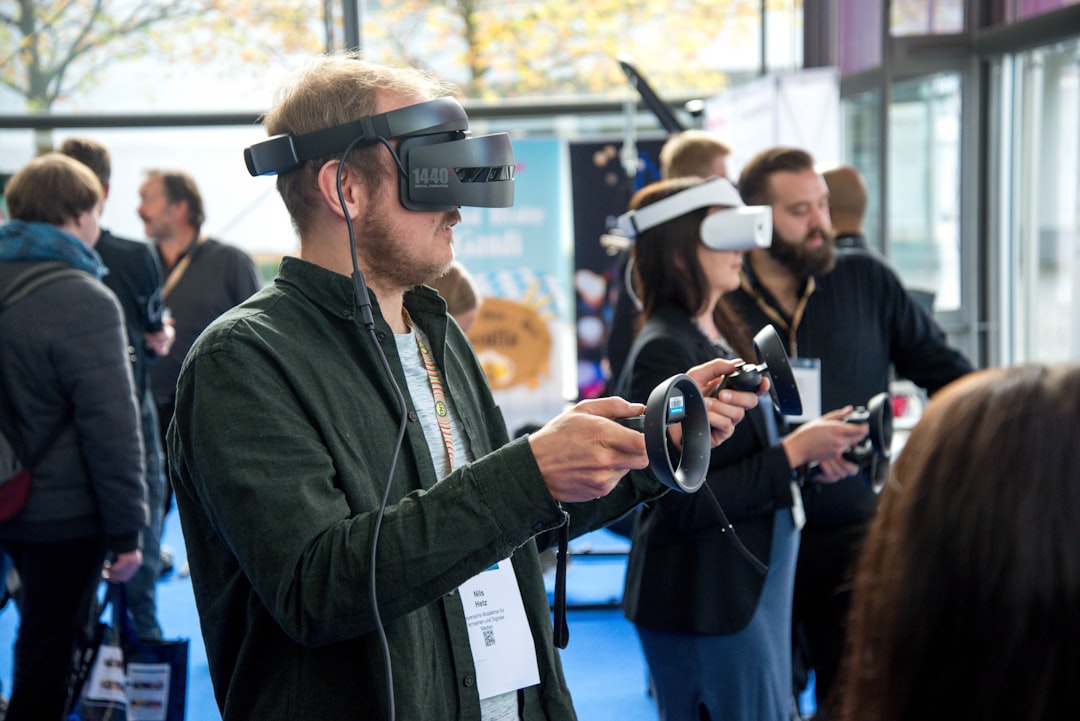
- Virtual Showrooms: Automotive and luxury brands are deploying high-fidelity virtual showrooms. Customers can customize paint finishes, sit in the virtual driver’s seat, and explore mechanical features in 3D. This has expanded market reach to buyers who may not live near a physical dealership.
- Interactive Packaging: Brands are transforming everyday packaging into digital portals. By scanning a QR code on a beverage can or food box, users launch interactive mini-games, recipes, or supply-chain transparency stories directly in their mobile browsers.
- Social Media Filters: Custom AR lenses on platforms like Instagram, TikTok, and Snapchat continue to be massive engagement drivers. By blending entertainment with virtual try-ons, brands turn their customers into active micro-influencers who organically share the brand’s assets with their networks.
- Gamified Campaigns: Adding game mechanics—such as scavenger hunts or interactive challenges—to AR and VR experiences dramatically increases dwell times. Users are no longer just looking at an ad; they are playing with it.
If you are looking for inspiration to kickstart your next campaign, explore these 15 AR Marketing Ideas for 2026 (With Real Examples). You can also learn more about the psychological triggers behind these campaigns in our guide on How Brands Use Augmented Reality in Marketing to Steal Your Attention.
Overcoming Challenges and Maximizing ROI in Immersive Campaigns

While the benefits of ar and vr in marketing are clear, successful execution requires a strategic approach that balances creative ambition with technical realities. Immersive marketing is not a magic wand; if the user experience is sluggish or overly complicated, consumers will simply click away.
Navigating Technical Challenges, Data Privacy, and Analytics
To build an experience that converts, we must address several core technical and ethical considerations:
- Latency and Performance: High latency in VR can cause physical discomfort, while slow loading times in AR will kill user adoption. We must compress our 3D assets and optimize them to run smoothly on mid-range smartphones and standalone headsets.
- Frictionless Delivery: WebAR has largely replaced the need for dedicated app downloads. By running experiences directly inside mobile browsers, we remove a massive point of friction for the consumer.
- Data Privacy and Consent: Immersive experiences collect highly detailed behavioral insights, from user gaze tracking (heatmapping) to spatial interaction data. We must prioritize transparent user consent, secure data storage, and strict compliance with global privacy regulations.
- Actionable Analytics: The beauty of AR and VR is the depth of analytics they provide. We can track exactly which features a user customized, how long they interacted with a virtual product, and where their eyes lingered.
By leveraging these behavioral insights, we can constantly refine our creative assets to match user preferences. To see how these elements combine to build high-performing ad units, check out our breakdown of Immersive Ads and How AR VR Advertising Captivates Audiences.
Cost Considerations and Measuring ROI for Immersive Tech
One of the most common questions we hear is: How much does this cost, and how do we measure the return?
In 2026, the barrier to entry is highly scalable. A simple, web-based AR filter or product visualization tool (WebAR) can cost anywhere from $15,000 to $75,000, while custom, high-fidelity VR environments for headsets can range from $50,000 to over $500,000.
To maximize our return on investment, we recommend a phased rollout. Start with a pilot project on a high-traffic, high-value product page. Track key performance indicators (KPIs) such as:
- Dwell Time: Immersive campaigns typically see engagement times that dwarf standard display ads (averaging 20–120 seconds for AR and up to 10 minutes for VR).
- Conversion Rate Lift: Monitor the difference in conversion rates between users who engaged with the AR tool and those who did not.
- Return Rate Reduction: Track if the visualized products see fewer returns over a 90-day period.
By starting small, testing, and optimizing, we ensure that every dollar spent is tied directly to a revenue-generating outcome. For a deeper dive into budgeting and ad spend allocation, read our perspective on Why Your Brand Needs Advertising in Augmented Reality Right Now.
Future Trends: The Next Generation of AR and VR in Marketing
Looking ahead, the convergence of spatial computing, artificial intelligence, and Web3 technologies is paving the way for the next generation of digital engagement.
AI is dramatically lowering production barriers by generating optimized 3D assets from simple text or photo inputs. Meanwhile, spatial computing platforms are redefining how we interact with the digital world, turning our physical environments into interactive canvas spaces.
At Avanti3, we are at the forefront of this digital transformation. We integrate cutting-edge Web3 technologies—including NFTs, blockchain, and AI—with immersive AR and VR experiences to provide brands with highly customizable engagement tools. By linking virtual interactions to digital rewards and secure, decentralized ownership, we help brands build thriving communities and unlock entirely new monetization channels.
The future of digital marketing is spatial, interactive, and deeply personalized. If you are ready to move past static content and build experiences that truly captivate your audience, explore our solutions in Augmented Reality Marketing and let’s build the future of your brand together.