

Immersive Brand Activations That Win Hearts and Minds
The Technology Powering Immersive Digital Experiences
Immersive digital experiences are transforming how brands connect with audiences — moving beyond passive viewing into something people feel, explore, and remember.
What are immersive digital experiences?
| Feature | Description |
|---|---|
| Format | 360-degree projections, AR/VR, projection mapping, spatial audio |
| Scale | Spaces up to 3,000 sq metres with screens up to 10 metres high |
| Duration | Typically 30–60 minutes of active engagement |
| Key benefit | Audiences become part of the story, not just spectators |
| Where they’re used | Museums, retail, education, brand activations, entertainment |
The numbers back this up. Immersive experiences drive a +78% increase in visitor engagement in museums and culture spaces. Retail brands see up to a +60% boost in sales. Yet only 33% of museum-goers currently feel truly engaged — which tells you how much opportunity is still on the table.
This isn’t a niche trend. From Paris’s L’Atelier des Lumières drawing millions of visitors annually, to large-scale free-roaming VR arenas accommodating hundreds of guests per hour, the demand for experiences that move people is accelerating fast.
For brands, the question is no longer whether to invest in immersive — it’s how to do it in a way that builds genuine loyalty and drives real revenue.
I’m Samir ElKamouny, an entrepreneur and marketing expert who has spent my career helping brands turn bold ideas into measurable growth — including through immersive digital experiences that deepen audience connection and unlock new revenue streams. In this guide, I’ll walk you through the technologies, strategies, and monetization models that make immersive brand activations genuinely win hearts and minds.
Immersive digital experiences terms to remember:
To create a world that feels real, we have to look under the hood at the “magic” making it happen. Modern immersive digital experiences aren’t just about pretty pictures; they are a sophisticated blend of hardware and software designed to trick the senses into believing the impossible.
At the heart of these installations are massive LED screens and high-lumen projection mapping. We’ve seen venues utilize screens up to 10 meters high, covering surface areas of 23,000 square feet or more. When you surround a visitor with that much visual data, the “real world” begins to fade away.
But visuals are only half the battle. Digital Experience Design now incorporates spatial audio—sound that moves with you—and motion response sensors that allow the environment to react to a visitor’s presence. If you walk past a digital wall and the “water” ripples behind you, your brain registers that as a physical interaction, cementing the immersion.
Comparing Immersive Technologies
| Technology | Sensory Impact | Key Hardware | Best Use Case |
|---|---|---|---|
| Augmented Reality (AR) | Enhances real world | Smartphones, AR Visors | Retail, Education, Social Events |
| Virtual Reality (VR) | Total sensory isolation | Headsets (HMDs) | Gaming, Simulations, Virtual Art |
| Extended Reality (XR) | Blends physical/digital | Integrated AV Systems | Hybrid Events, Brand Activations |
Real-time rendering and data visualization allow these experiences to be dynamic. Instead of a pre-recorded loop, many Virtual Reality Experiences now use generative AI to create unique visuals for every visitor, ensuring no two journeys are exactly the same.
Augmented Reality and the Future of Immersive Digital Experiences
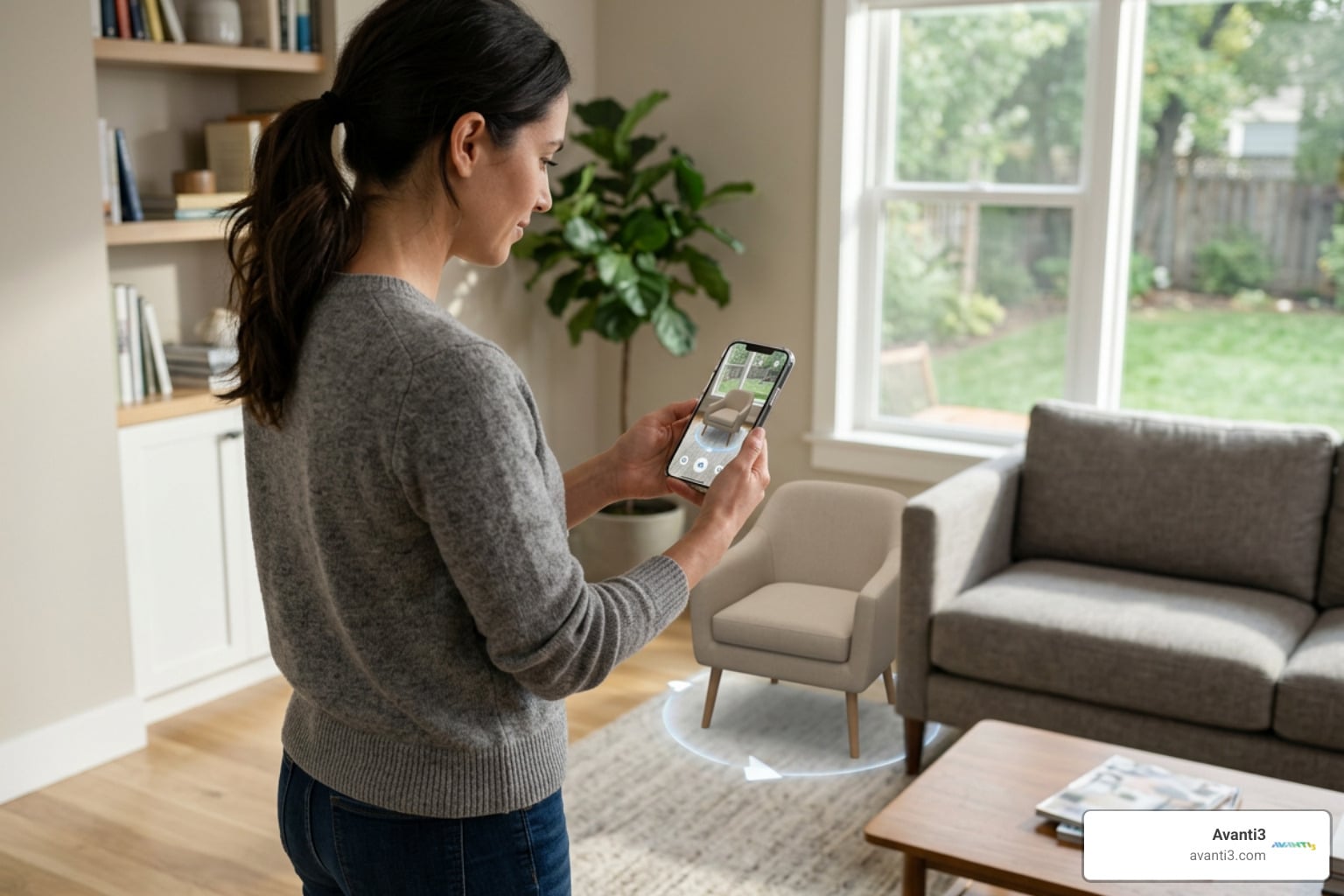
Augmented Reality (AR) is perhaps the most accessible entry point for brands today. Unlike VR, which requires a headset that blocks out the world, AR layers digital information over our existing reality. This makes it inherently social—you can see your friends and the environment while interacting with holographic characters.
One of the biggest hurdles in tech adoption is “motion sickness,” a common complaint in VR. However, because AR allows users to maintain their peripheral vision and see the floor beneath them, it virtually eliminates this issue. This makes Augmented Reality Marketing a winning strategy for broad demographics, from children as young as 7 to older adults.
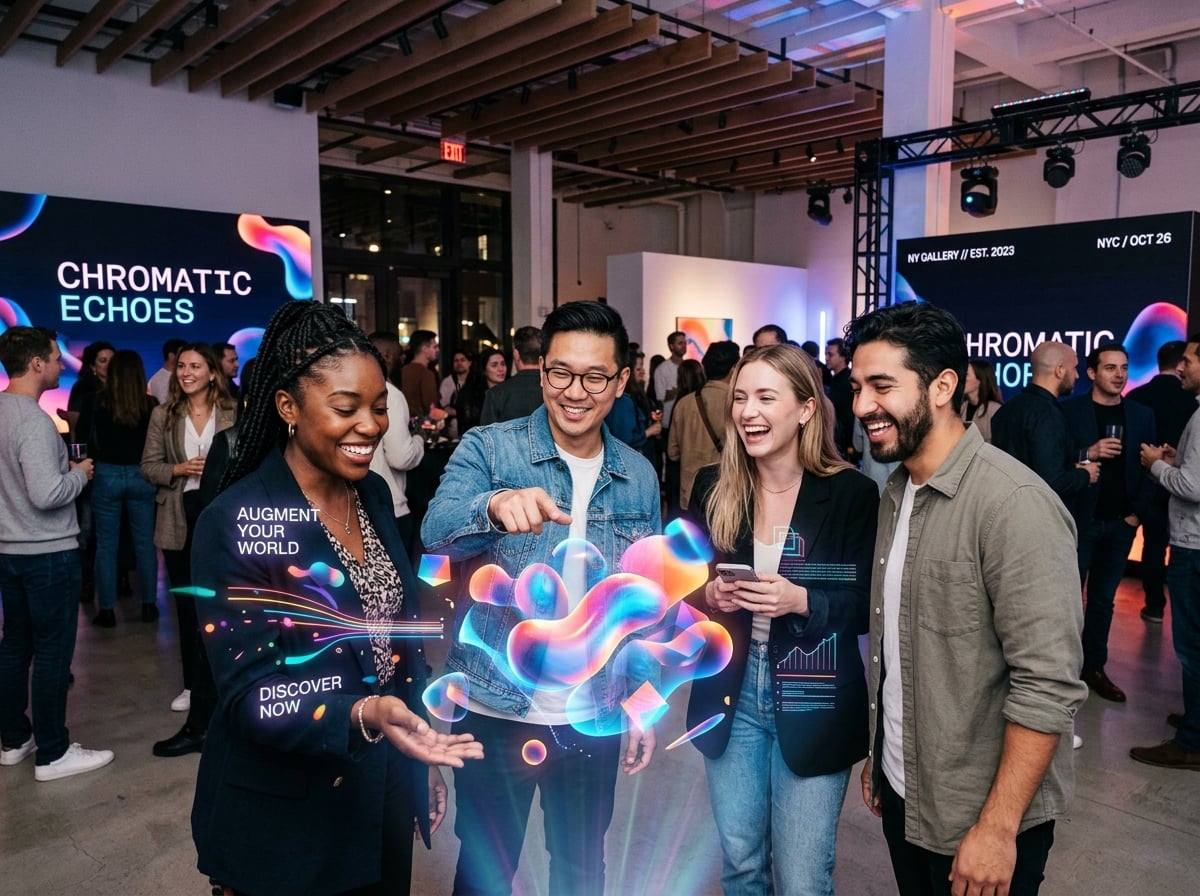
We are seeing the rise of “holographic theaters”—physical spaces where visitors wear lightweight visors to witness 3D stories unfolding in the room. This tech is being used for Augmented Reality Concerts, where digital performers can dance alongside live audiences, creating a bridge between the physical and the digital that feels unbelievably real.
Virtual Reality: Creating New Worlds for Immersive Digital Experiences
While AR enhances our world, Virtual Reality (VR) builds entirely new ones. The power of VR lies in sensory isolation. When you put on a headset, you aren’t in a shopping mall or a museum anymore; you could be on a starship 11 lightyears away or inside the brushstrokes of a Van Gogh painting.
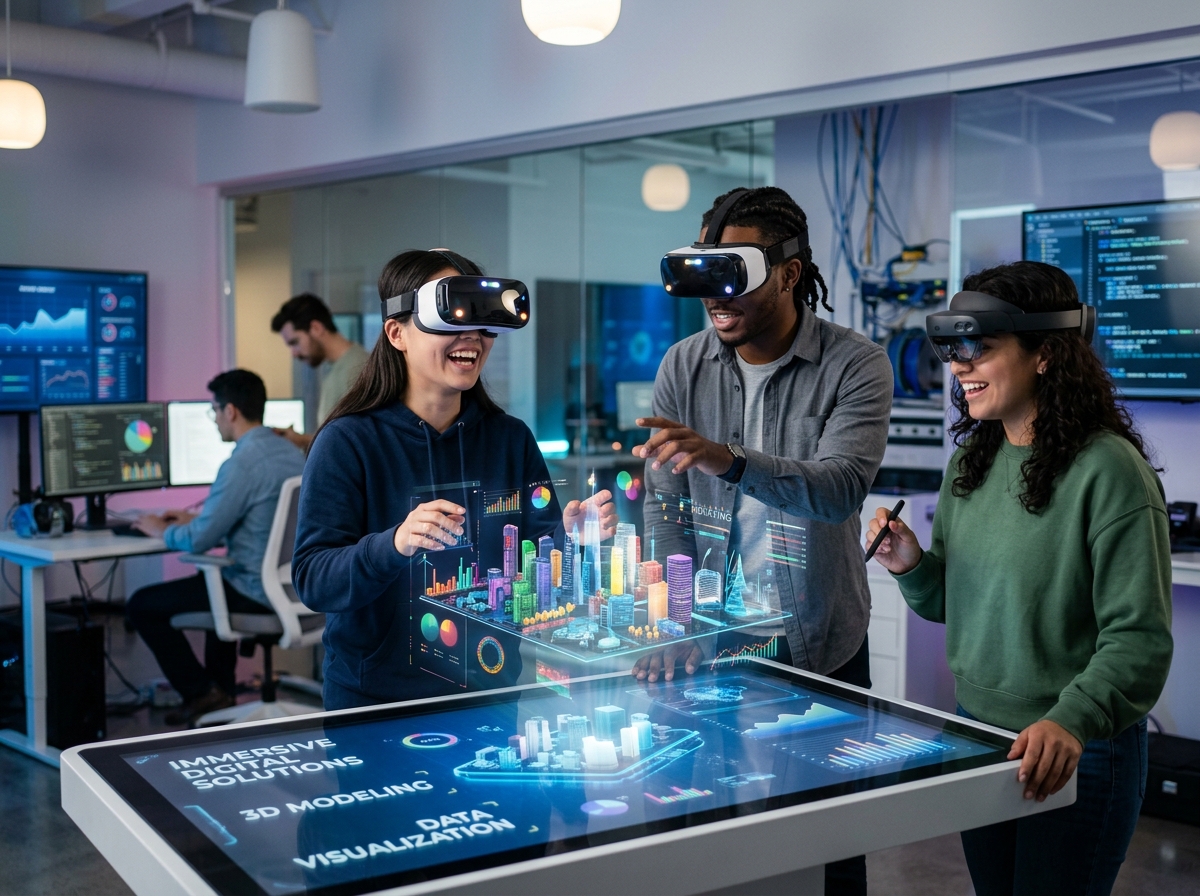
The latest evolution in this space is “free-roaming VR.” Forget being tethered to a computer by a cable. Modern installations use physical sets larger than four basketball courts, allowing hundreds of visitors per hour to walk freely through a digital landscape. These Virtual Art Experiences often include:
- 3D Illustration: Walking through a three-dimensional drawing.
- Interactive Comics: Becoming a character within a graphic novel.
- Immersive Documentaries: Experiencing history as if you were standing in the middle of it.
- Haptic Feedback: Using vests or gloves that allow you to “feel” digital objects.
Strategic Benefits and Monetization of Immersive Brand Activations
Why are brands spending millions on these spectacles? Because the return on attention is unparalleled. In an age where most people feel disengaged from traditional media, immersive digital experiences offer a “wow” factor that converts into hard data.
Key Engagement Statistics
- +78% increase in visitor engagement for cultural sites.
- +60% boost in sales for retail environments.
- +45% increase in student engagement in educational settings.
- +43% rise in overall customer satisfaction.
For businesses, these aren’t just art projects; they are AR Marketing Solutions that drive foot traffic and social media virality. When a visitor spends 60 minutes inside a brand’s world, the emotional resonance is far deeper than a 30-second video ad could ever achieve.
Enhancing Engagement Across Museums, Retail, and Education
The shift from “didactic” (teaching by telling) to “impressionistic” (teaching by feeling) is changing how we learn and shop. In museums, only 33% of visitors feel truly engaged with static objects. By adding audiovisual spectacles in spaces ranging from 600 to 3,000 square meters, institutions are seeing visitor numbers skyrocket—sometimes up to five times their usual attendance.
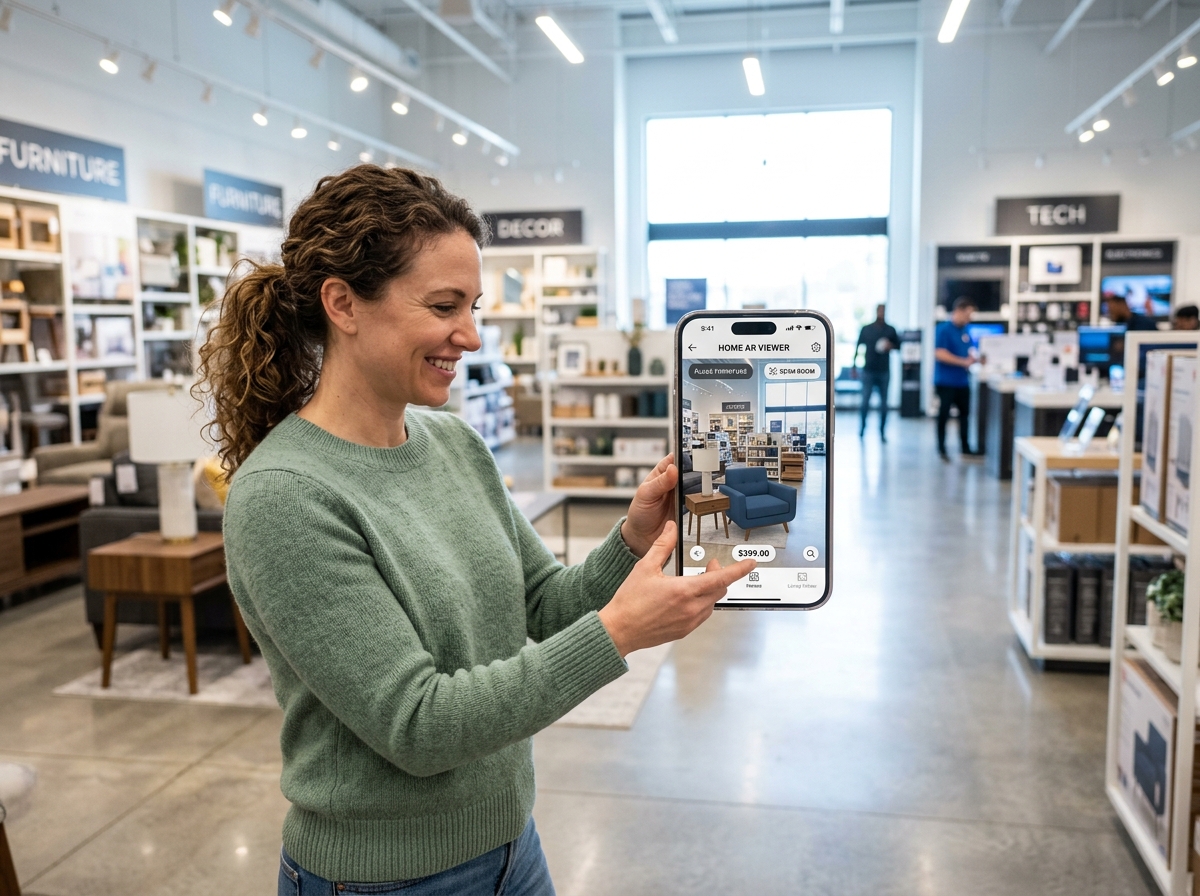
In education, immersive tools are revolutionizing student achievement (+23%) and attendance (+28%). Instead of reading about the solar system, students can “walk” through the Milky Way. Similarly, in retail, personalized immersive journeys allow customers to see products in their own homes via AR or experience a virtual showroom, significantly reducing the “friction” of a purchase and boosting retention by 28%.
Monetizing the Metaverse: From Tickets to Web3 Assets
Creating these experiences isn’t cheap—production costs can reach several million pounds. However, the monetization paths are diverse and lucrative:
- Admission Fees: High-end immersive shows often command ticket prices around £32.50 ($40+ USD).
- Group Buyouts: Corporate retreats and private missions can generate significant revenue, with some venues charging $30,000+ for private sessions.
- Web3 and Digital Assets: This is where the future lies. By integrating Augmented Reality NFTs, brands can sell digital souvenirs that visitors can “take home” and display in their own AR space.
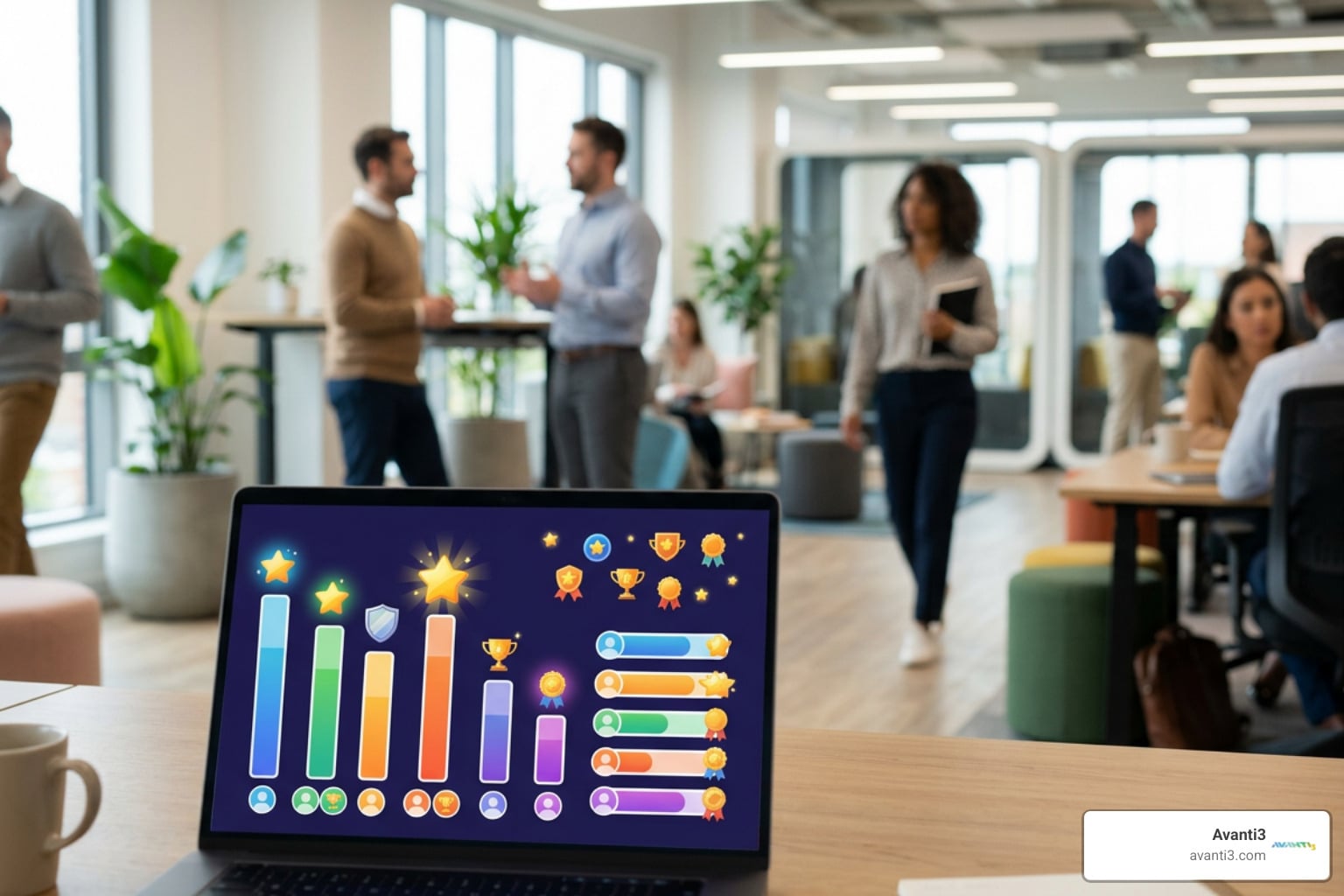
- Gamified Rewards: Using blockchain-based loyalty programs, brands can offer rewards for completing “missions” within the experience.
- Direct-to-Fan Monetization: Platforms now allow creators to keep up to 90% of their earnings by selling subscriber-only content or digital assets directly to their fanbase, bypassing traditional middlemen.
Overcoming Challenges in Large-Scale Digital Adoption
It’s not all smooth sailing. The biggest barrier for many is site suitability. Finding a city-center location with 10-meter ceilings and 3,000 square meters of open space is a logistical nightmare.
There are also regulatory and safety considerations. The Online Safety Act is increasingly relevant as these experiences move online, requiring creators to be diligent about user privacy and safeguarding.
Technically, “motion comfort” remains a priority. We must design journeys that are “gentle,” avoiding sudden cuts or high-speed movements that cause nausea. Strategic partnerships are essential to share the heavy production investment and ensure technical support is available 24/7 to prevent “broken” journeys.
The Future of Immersive Brand Activations with Avanti3
At Avanti3, we believe the future of audience journeys isn’t built on fragmented tools—it’s shaped through seamless, unified immersive digital experiences. We are moving toward an era of “omnichannel immersion,” where your journey might start on a mobile app, move into a physical AR-enhanced store, and end with a digital asset stored on the blockchain.
We integrate Web3 technologies like NFTs and blockchain with AI to empower creators. Our goal is to provide customizable engagement tools and fintech solutions that don’t just “show” a brand but build a community around it. Whether it’s through a holographic theater or a gamified loyalty mission, we are setting a new standard in how fans interact with the brands they love.
The digital transformation is here. It’s time to stop being a spectator and start being the architect of your own world.
To learn more about how we can transform your brand’s engagement, visit us at https://avanti3.com/.