

The Secret Sauce of Digital Brand Activation
The Marketing Shift You Can’t Afford to Ignore
Digital brand activation is the strategy of turning passive audiences into active participants through interactive, technology-driven experiences — online, offline, or both.
Here’s a quick breakdown of what that means in practice:
| Element | What It Means |
|---|---|
| What it is | Interactive campaigns that engage audiences through digital experiences |
| How it works | Uses AR, AI, gamification, social media, and live events to spark participation |
| Why it matters | 69% of consumers prefer brand experiences over traditional advertising |
| Key goal | Move people from awareness to action — purchases, shares, loyalty |
| Differs from traditional marketing | Two-way engagement vs. one-way broadcasting |
Traditional marketing talks at people. Digital brand activation invites them in.
Think about the last time a brand genuinely surprised you — maybe a filter you shared, a challenge you joined, or a product you tried virtually before buying. That was activation at work. As Brian Halligan, co-founder of HubSpot, put it: “People shop and learn in a whole new way compared to just a few years ago, so marketers need to adapt or risk extinction.”
The numbers back this up. Digital marketing spending grew 15.8% in 2021, while traditional marketing barely moved at 1.4%. Audiences are digitally native now. They expect brands to meet them where they are — and to make it worth their time.
This guide breaks down exactly how to build and execute a digital brand activation strategy that drives real results.
I’m Samir ElKamouny, an entrepreneur and marketing expert who has spent years helping brands scale through innovative digital brand activation strategies that combine technology, storytelling, and measurable execution. Let’s get into the details of how you can apply these principles to your brand.
Know your Digital brand activation terms:
Defining Digital Brand Activation in the Modern Landscape
To understand where we are going, we have to look at where we’ve been. For decades, marketing was a one-way street. You bought a billboard, ran a TV ad, or printed a flyer, and hoped the consumer listened. Today, that “hope” has been replaced by interaction.
According to Statista, the shift is undeniable. While traditional budgets stagnate, digital spending is skyrocketing because it offers something a 30-second commercial can’t: a seat at the table.
| Feature | Traditional Marketing | Digital Brand Activation |
|---|---|---|
| Communication | One-way (Broadcast) | Two-way (Interactive) |
| Consumer Role | Passive Observer | Active Participant |
| Content Type | Static (Images/Video) | Dynamic (AR, VR, Games) |
| Data | Estimated reach | Real-time engagement & ROI |
| Longevity | Short-lived (Ad spot) | Scalable & shareable (UGC) |
A recent study by Reach3 Insights and The Keller Advisory Group found that 69% of consumers prefer brand experiences over traditional advertising. Why? Because experiences feel relevant. In fact, 51% of people say activations feel personally tailored to them, compared to just 25% for standard ads.
The “secret sauce” here is User-Generated Content (UGC). When we create a digital experience that is worth sharing, our customers become our marketing team. UGC experiences a 50% increase in engagement compared to brand-led content, and 85% of consumers find it more influential than a polished corporate video. By focusing on brand authenticity and multi-channel synergy, we bridge the gap between “seeing” a brand and “living” it.
Core Components of a Digital Brand Activation Strategy

If digital activation is the engine, these components are the fuel. At its heart, a successful strategy relies on Digital Brand Engagement—the art of keeping a user’s attention long enough to build a memory.
One of the most powerful tools in our arsenal is gamification. Whether it’s a loyalty program that feels like a video game or a mobile app that rewards users for visiting physical locations, gamification works. Research shows that interactive content can increase engagement by 52.6%, with users spending an average of 13 minutes interacting with it compared to just 8.5 minutes for static content.
Other core components include:
- Social Media Challenges: Encouraging users to co-create content (think TikTok dances or Instagram filters).
- Interactive Landing Pages: Using quizzes or polls to gather data while providing personalized value.
- Community-Led Growth: Building spaces where fans can interact with each other, not just the brand.
The Role of AR and VR in Digital Brand Activation

We are no longer limited by the physical world. The global augmented reality (AR) market was valued at $83.65 billion in 2024 and is projected to explode at a 37.9% CAGR through 2030, according to Grand View Research.
For us as marketers, Augmented Reality Marketing isn’t just a gimmick; it’s a conversion tool.
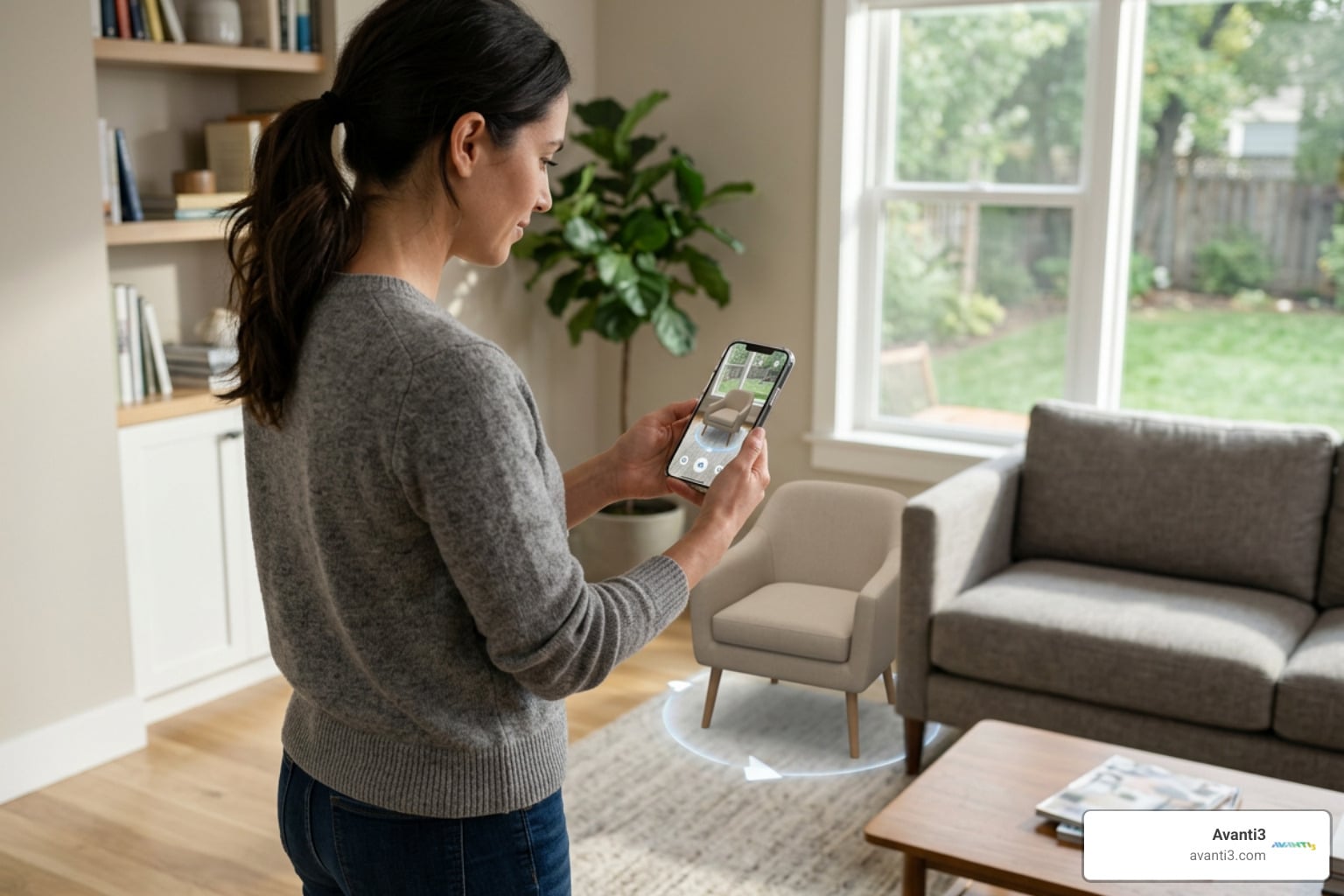
- Virtual Try-Ons: Brands like Fenty Beauty use AR to let customers “try on” lipstick shades from their phones, leading to higher purchase confidence.
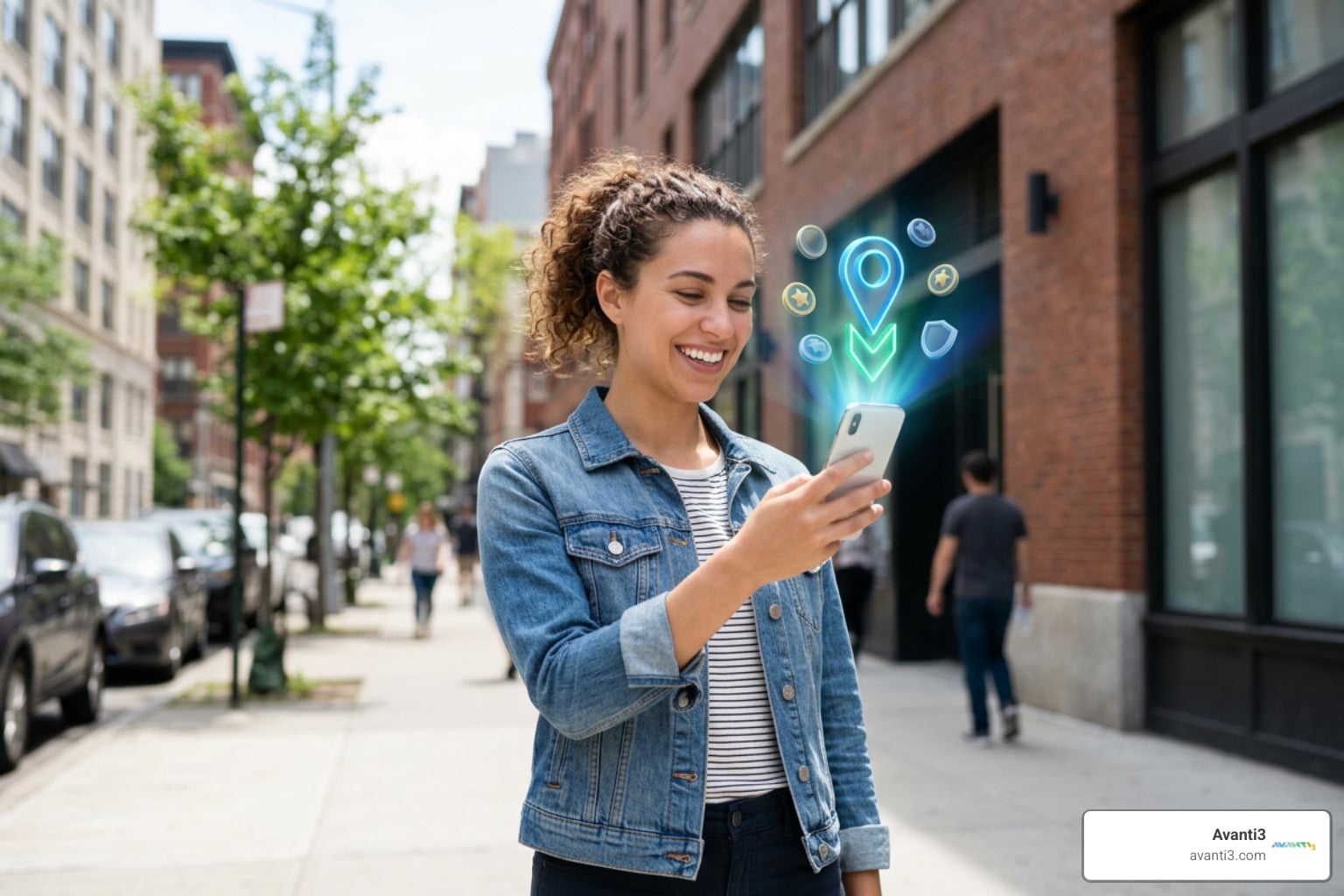
- Spatial Storytelling: AR murals or billboards can come to life when viewed through a smartphone, turning a walk down the street into a brand narrative.
- Frictionless Access: By using WebAR (which doesn’t require an app download), we remove the barriers to entry, allowing users to engage instantly via a simple QR code.
Leveraging AI for Hyper-Personalized Experiences
If AR is the eyes of Digital brand activation, AI is the brain. We are moving away from “one-size-fits-all” messaging toward hyper-personalization.
Using AI Digital Marketing tools, we can analyze customer data in real-time to offer experiences that feel like they were made for just one person. For instance, HubSpot reports that landing pages with personalized experiences can boost conversion rates by 202%.
AI Customer Engagement allows for:
- Predictive Analytics: Knowing what a customer wants before they do.
- Tailored Messaging: Emails with personalized subject lines are 26% more likely to be opened.
- Real-Time Optimization: AI can adjust the difficulty of a gamified challenge or the layout of a digital store based on how a user is interacting with it at that exact moment.
Executing and Measuring High-Impact Activations
Planning is where most brands fail. They “press go” on a campaign without a clear roadmap. To succeed, we need a robust Digital Engagement Solutions framework. This means identifying our target audience, setting clear KPIs, and—most importantly—preparing for roadblocks.
Common roadblocks include:
- Data Privacy: As regulations tighten, we must ensure our activations are transparent and secure.
- Content Saturation: The digital world is noisy. To break through, your activation must offer genuine value, not just more “stuff.”
- Technical Friction: If the AR filter takes too long to load, the user is gone.
By integrating Augmented Reality Marketing with physical touchpoints, we create a seamless journey that keeps the user moving toward the “buy” button.
Integrating Hybrid Experiences and Pop-Up Events
The future is “phygital”—the blending of physical and digital worlds. In 2024, the number of pop-up shops in the U.S. exceeded 42,000, an 18% increase year-over-year. These aren’t just stores; they are activation hubs.
For 2025-2026, we’re looking at innovative ideas like:
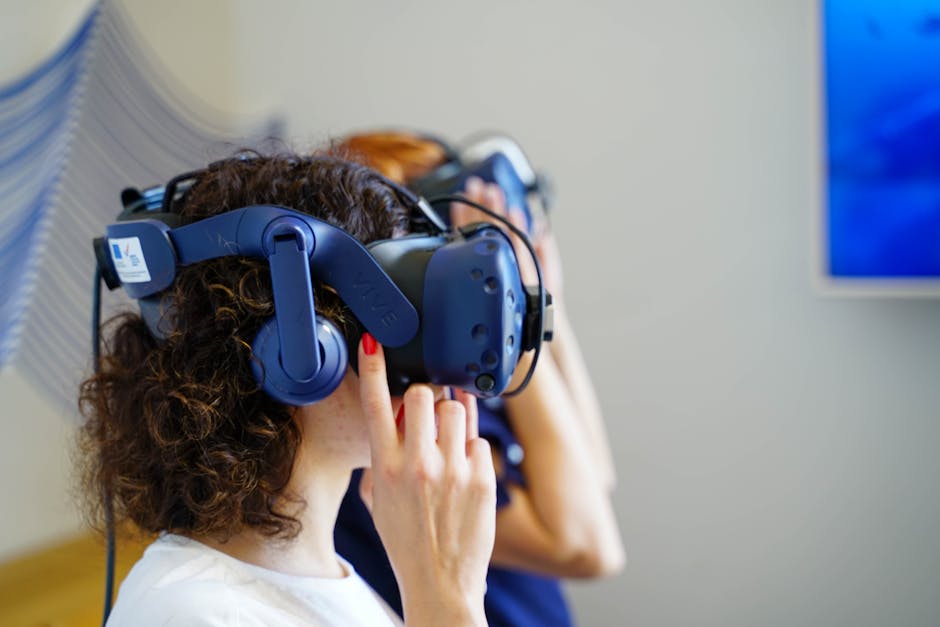
- Multi-Sensory Pods: Small installations that use VR combined with real scents and airflow to transport a user into a brand’s world.
- Digital Fan Engagement: Using live-streaming to bring a physical event (like a Nike launch in London) to a global audience in real-time. Digital Fan Engagement ensures that distance is no longer a barrier to brand loyalty.
- Interactive Vending Machines: Using AI facial recognition to dispense personalized samples or rewards.
Measuring ROI and Long-Term Brand Equity
You can’t manage what you can’t measure. In an era where 83% of marketing leaders are under pressure to prove ROI, we have to look beyond “likes.”
According to Nielsen, ads with strong emotional content generate a 23% uplift in sales. We track this through Digital Engagement Platforms that monitor:
- Dwell Time: How long did they stay in the experience?
- Sentiment Analysis: Did the activation make them feel better about the brand?
- Conversion Rates: How many users took the desired action (e.g., signed up for a newsletter or made a purchase)?
- Customer Lifetime Value (CLV): Does this activation lead to repeat business?
Future Trends: Web3, Blockchain, and Avanti3
As we look toward 2026 and beyond, the technologies shaping Digital brand activation are becoming more decentralized. At Avanti3, we are leading this charge by integrating Web3 technologies like NFTs, blockchain, AR/VR, and AI.
This isn’t just about “crypto.” It’s about ownership and community. Imagine a loyalty program where the rewards are tradeable NFTs that unlock real-world perks. This is decentralized loyalty in action.
Our AR Marketing Solutions allow brands to create:
- Token-Gated Experiences: Only holders of a certain digital collectible can access an exclusive virtual event or product drop.
- Live-Streaming Commerce: Integrating shopping directly into immersive video feeds.
- Sustainable Design: Using digital activations to reduce the physical waste associated with traditional marketing materials.
The goal of Digital brand activation remains the same: to create a connection. But with the tools we have today—from AI to the blockchain—we can make those connections deeper, more personal, and more profitable than ever before.
Ready to turn your brand into an experience? It’s time to stop broadcasting and start activating.