

Top Market Research Incentive Strategies for Better Data
Why Market Research Incentives Determine the Quality of Your Data
Market research incentives are rewards offered to participants in exchange for their time and feedback — and choosing the right ones directly affects how many people respond and how honest they are.
Here’s a quick look at the most effective incentive types for market research in 2026:
| Incentive Type | Best For | Effectiveness |
|---|---|---|
| Prepaid/digital cash cards | Broad consumer panels | Highest response rates |
| Choice-based gift cards | Mixed demographics | High — reduces brand-preference bias |
| Sweepstakes/lottery | Large, low-cost studies | Moderate — boosts participation by ~18% |
| Charitable donations | Government employees, values-driven audiences | Lower raw rates, high goodwill |
| Points systems | Ongoing panels | Strong for long-term retention |
Getting this choice right matters more than most researchers realize. Studies show incentives can lift response rates by up to 19% — and the format, not just the dollar amount, plays a huge role in that result.
When incentives are too low, people ignore your study. When they’re too high or poorly structured, they attract low-quality responses or create bias. The sweet spot is a well-matched reward that feels fair, not manipulative.
I’m Samir ElKamouny, a marketing expert who has helped scale businesses through smarter audience engagement strategies — including optimizing market research incentives to drive higher participation and cleaner data. In this guide, I’ll walk you through the exact strategies that work best across different study types, audiences, and budgets.
Market research incentives terms made easy:
Effective Types of Market Research Incentives

In the current landscape of May 2026, the “one-size-fits-all” approach to rewarding participants is officially a thing of the past. As our inboxes become more crowded and people value their digital privacy more than ever, the type of incentive you offer acts as a signal of respect for the respondent’s time.
Research consistently shows that people have distinct preferences that vary by age, employment status, and the intensity of the study. For instance, while a small guaranteed payment is the gold standard for surveys, people are actually 18% more likely to participate in a study that offers a lottery than one with no incentive at all. Interestingly, for every $10 increase in a lottery prize size, the odds of participation rise by about 2%.
If you are looking for a deep dive into how these trends have evolved, check out The complete guide to online research incentives.
Monetary vs. Non-Monetary Market Research Incentives
When we talk about market research incentives, the debate usually splits between “cash is king” and “non-monetary value.” In reality, both have their place depending on your goals.
- Prepaid and Digital Cash: Respondents overwhelmingly prefer digital cash transfers or Visa/Mastercard prepaid cards. These are the most versatile because they don’t force a participant to shop at a specific store.
- Choice-Based Gift Cards: These are fantastic for reducing “brand-preference bias.” Instead of giving everyone a $10 card to a specific coffee chain (which some might hate), you give them a link to choose from hundreds of brands.
- Charitable Giving: This is a powerful tool for specific niches. For example, one in sixteen people in the U.S. works for the government and may be legally barred from accepting direct cash. Offering a donation to a charity in their name keeps the study ethical and compliant.
- Physical Rewards and Scarcity: For in-person events or high-end developer days, exclusive physical items (like custom-designed event buttons or “swag”) can act as scarcity-based rewards that drive a sense of community.
| Feature | Cash/Digital Transfers | Gift Cards | Sweepstakes/Lottery |
|---|---|---|---|
| Response Rate | Highest | High | Moderate |
| Cost Control | Variable (per person) | Variable (per person) | Fixed (prize pool) |
| Admin Effort | Moderate | Low (with automation) | Moderate (legal rules) |
| Participant Preference | #1 Choice | #2 Choice | Varies by prize size |
Scaling Market Research Incentives for Global Audiences
If your study spans multiple borders, the complexity of market research incentives grows exponentially. You aren’t just dealing with different currencies; you’re dealing with different cultural expectations and technological access.
In 2026, manual distribution is a recipe for disaster. Effective global scaling requires automated platforms that can handle localized rewards in over 200 countries. This ensures that a participant in Tokyo receives a reward relevant to their local economy, while a respondent in Berlin gets theirs in Euros, all without you having to manage individual exchange rates.
To stay ahead of the curve in how technology is reshaping these global interactions, you can Explore Avanti3 technology solutions.
Best Practices for Incentive Design and Compliance
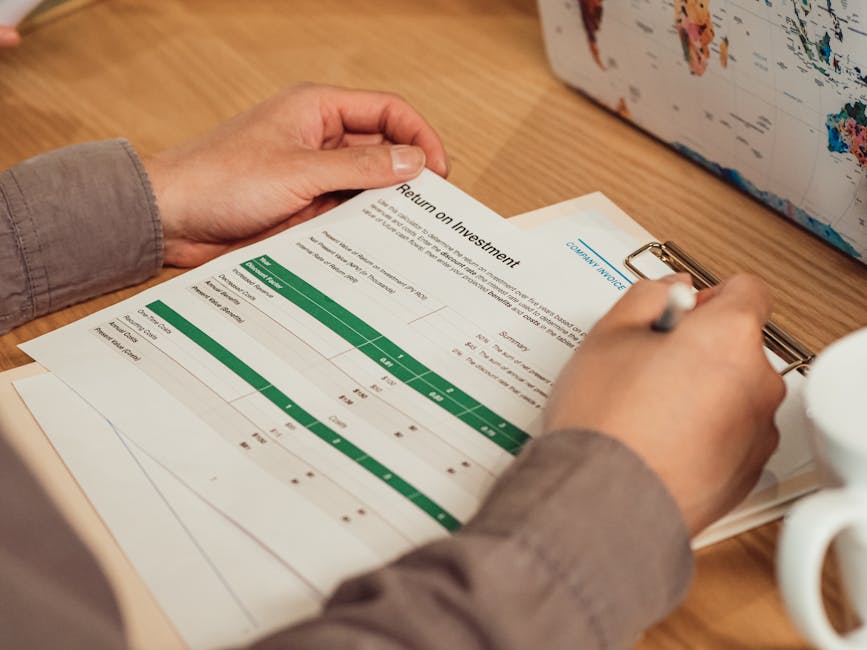
Designing an incentive program isn’t just about picking a dollar amount; it’s about protecting the integrity of your data and staying on the right side of the law. Ethical considerations are paramount. We must ensure that incentives are large enough to show appreciation but not so large that they become “undue inducement”—essentially bribing people to tell us what we want to hear.
Determining Fair Compensation for Study Length
How much should you actually pay? Compensation should scale with the cognitive load (how hard they have to think) and the time commitment.
Based on industry standards for 2026, here are the typical ranges we recommend:
- Short Online Surveys (5–10 mins): $5 to $15.
- In-Depth Surveys/Interviews (30 mins): $25 to $50.
- Focus Groups (60–90 mins): $75 to $300.
- Specialized Professional/Medical Interviews: $100 to $500+.
- Longitudinal/Diary Studies: $75 to $100+ per session or milestone.
A good rule of thumb: if a survey goes over 15 minutes, the “points per minute” or dollar value should actually increase to prevent dropout, especially on mobile devices where attention spans are shorter.
Avoiding Bias and Ensuring Data Integrity
One of the biggest risks in market research incentives is attracting “professional respondents” or bots who are only there for the money. To keep your data clean:
- Screen Carefully: Use qualification logic to ensure respondents actually belong to your target demographic before they see the incentive.
- Monitor Patterns: Watch for suspicious behavior, like finishing a 20-minute survey in 3 minutes.
- Transparency: Clearly state the time required and the reward amount upfront.
- Balance Recruitment and Retention: Many companies spend a fortune finding new people but forget to reward their existing panel. This leads to high turnover (most panelists leave within six months). Consistent, fair rewards keep high-quality participants coming back.
Future-Proofing Rewards with Web3 and Avanti3
As we look toward the future of digital engagement, the way we handle market research incentives is evolving through Web3 technologies. At Avanti3, we are pioneering the integration of blockchain and NFTs into the research ecosystem.
Imagine a research study where participation doesn’t just earn you a one-time gift card, but a unique digital asset (NFT) that grants you access to an exclusive brand community or AR/VR experiences. By using blockchain, we can ensure total transparency in reward distribution and create “gamified” loyalty systems that traditional points programs can’t match.
AI integration further allows us to personalize these rewards in real-time. If the AI detects a participant is a high-value contributor, it can trigger a customizable engagement tool or a bonus reward, significantly increasing data fidelity and participant satisfaction. We aren’t just paying for data; we’re building a community.
Frequently Asked Questions
Are research incentives considered taxable income?
Yes. In the United States, if a participant earns $600 or more from a single company in a calendar year, the IRS requires a 1099-MISC form. It is best practice to collect W-9 forms electronically once a participant nears this threshold to stay compliant.
What is the most appealing type of raffle prize?
According to recent preference testing, respondents overwhelmingly prefer a single, high-value prize (like a $100 Visa gift card) over multiple smaller prizes. About 39% of people choose the “highest reward” format even if their mathematical odds of winning are lower.
Does the email subject line affect participation?
Absolutely. Emails that highlight the incentive (specifically a lottery or a guaranteed amount) in the subject line can raise response rates by 5% or more. However, keep the body of the email concise—transparency and brevity are key to keeping the respondent’s trust.
How soon should incentives be delivered?
As soon as possible! Immediate or same-day delivery maximizes participant goodwill. Delayed rewards are one of the top reasons for high dropout rates in longitudinal studies.
Conclusion
Mastering market research incentives is a balancing act between psychology, economics, and technology. By offering a variety of rewards—from digital cash to choice-based gift cards—and ensuring your compensation is fair for the effort involved, you can significantly boost both the quantity and quality of your data.
As we move deeper into 2026, the brands that win will be those that treat participants as partners rather than just data points. Whether you are scaling a global study or looking to leverage the latest in Web3 technology with Avanti3, the goal remains the same: show your audience that their time and their opinions have real, tangible value.