

The Complete Guide to Online Research Incentives in 2025
Why Customer Research Incentives Determine the Quality of Your Data
Customer research incentives are rewards offered to people in exchange for participating in surveys, interviews, or usability studies. Done right, they are one of the most powerful levers you have for getting better data, faster.
Here’s a quick summary of what works in April 2026:
| Goal | What to Do |
|---|---|
| Boost participation | Offer $60-$100/hour for consumer studies |
| Reduce no-shows | Pay market rates (drops no-shows from 20-25% to 5-10%) |
| Reach professionals | Pay $100-$500/hour depending on seniority |
| Best incentive type | $100 Visa or choice-based digital gift card |
| Fastest response | Lead your invite email with the incentive in the first two sentences |
The business case is straightforward. Appropriate incentives increase participation rates by 8-10 percentage points. One case study found that introducing small monetary rewards lifted survey participation by 37% overnight. And companies using reward-based research programs report 16% higher ROI on marketing investments.
As Holly Cole, CEO of the ResearchOps community, put it plainly: “If you’re not compensating people for their feedback… the feedback that you do get is going to be lower quality, because free information is horribly biased.”
The tradeoff is real. Skipping incentives doesn’t save money — it costs you in data quality, recruitment time, and ultimately, bad decisions.
I’m Samir ElKamouny, an entrepreneur and marketing expert who has spent years helping businesses scale through smarter strategy, including designing customer research incentives programs that drive genuine, high-quality participation. In this guide, I’ll walk you through exactly how to build an incentive program that works — from picking the right reward to staying compliant and measuring your ROI.
Customer research incentives definitions:
Strategic Implementation of customer research incentives
To truly move the needle on your research outcomes, you need to view incentives not as a “bribe,” but as a professional exchange of value. When we implement customer research incentives strategically, we aren’t just buying answers; we are respecting the participant’s time, expertise, and cognitive effort.
Participation Lift and No-Show Reduction
The data from thousands of studies shows a clear correlation: higher incentives lead to faster recruitment and lower no-show rates. For instance, offering $60-$80 per hour for a consumer interview typically fills 20 slots in just 3 to 5 days. If you drop that rate to $40 or less, recruitment can drag on for two weeks, and your no-show rate will likely double or triple.
By paying a fair market rate, we reduce no-shows from a painful 25% down to a manageable 5-10%. This saves your researchers from sitting in empty Zoom rooms, which is a massive waste of high-salary labor. In fact, spending an extra $400 on incentives for a study can save over $1,500 in wasted staff time.
Reciprocity and Sample Reliability
There is a psychological element at play here called “reciprocity.” When we provide a meaningful reward, participants feel a social obligation to provide thoughtful, honest, and detailed feedback. Conversely, “free” feedback often comes from a biased sample: people who either have too much free time or those with extreme axes to grind. To get the “silent majority” or busy professionals, a Digital Reward System is essential to ensure your sample is reliable and representative of your actual market.

Selecting the Best customer research incentives for Your Audience
Not all rewards are created equal. In 2026, the “standard” $25 gift card that worked a decade ago is now considered the bare minimum for a 15-minute unmoderated test. For more intensive research, you need to align the reward with the participant’s profile.
1. Monetary Rewards: The Undisputed King Research consistently shows that 98% of participants prefer monetary compensation. Among all options, a $100 Visa gift card is the most appealing incentive across every age group, education level, and experience bracket. Prepaid cards like Mastercard and Visa are preferred because they offer the ultimate flexibility—participants can spend them anywhere or even donate the balance to a charity of their choice.
2. Non-Monetary Value and Community Ties While cash is king, B2B professionals and “power users” often appreciate high-value non-monetary perks. This might include:
- Early access to new features or beta software.
- Exclusive industry benchmark reports (often valued at hundreds of dollars).
- Recognition within a community or “insider” status.
To build long-term engagement, many organizations are now integrating Community Loyalty Programs that combine immediate rewards with long-term status perks, ensuring that the best participants keep coming back for future studies.
Benchmarking Rates for customer research incentives
How much should you actually pay? Setting the rate too low leads to “professional survey takers” who rush through questions for pennies. Setting it too high can occasionally lead to “undue influence,” though this is rare in standard UX research.
Here are the April 2026 benchmarks for 60-minute moderated sessions:
| Participant Type | Remote Rate (Hourly) | In-Person Rate (Hourly) |
|---|---|---|
| General Consumer | $75 – $100 | $100 – $125 |
| Low-Wage Professional | $70 – $90 | $90 – $110 |
| Mid-Wage Professional | $100 – $150 | $150 – $200 |
| Senior Executive/Doctor | $200 – $500 | $300 – $700+ |
Factors that increase the rate:
- Niche Audiences: If you need a “left-handed plumber who uses specific enterprise software,” expect to pay a 2x or 3x rarity multiplier.
- Study Burden: Add 10-20% if the participant must share sensitive data, sign a complex NDA, or record their face/screen.
- Urgency: If you need results by Friday and it’s already Tuesday, add a 20-30% “rush” premium to fill slots instantly.
Compliance, Ethics, and Tax Considerations
As we scale research programs, we must navigate the legal and ethical landscape.
Undue Influence and IRB Standards In Institutional Review Boards (IRBs), an incentive is considered “coercive” if it’s so large that it would make a participant ignore significant risks. For most customer research, this isn’t an issue because the “risk” is just an hour of their time. However, to stay ethical, we always pro-rate payments. If a participant needs to leave halfway through a 60-minute session, they should still receive a portion of the reward.
Tax Reporting (The $600 Rule) In the United States, if a participant receives $600 or more from your company in a single calendar year, you are required to issue a Form 1099. Modern platforms now automate this, collecting the necessary tax information securely so your finance team doesn’t have to chase participants for W-9s at the end of the year.
International Payments Doing research in 200+ countries? You can’t just send an Amazon.com gift card to someone in Brazil or Nigeria. You must calibrate rewards to local purchasing power and ensure the delivery method works locally (e.g., mobile money in parts of Africa vs. digital wallets in Asia). For educational research, a Digital Reward System for Students can help manage these micro-payments across borders efficiently.
Maximizing ROI with Modern Incentive Platforms
Managing customer research incentives manually is, quite frankly, “soul-crushing admin work.” Tracking spreadsheets, manually emailing gift card codes, and handling “where is my reward?” support tickets takes your researchers away from what they do best: analyzing data.
Automation Benefits
Modern incentive platforms eliminate this friction. By automating the payout system, rewards can be triggered the moment a session is marked as “complete.” This instant gratification builds immense trust with your participants and ensures they are eager to help you again.
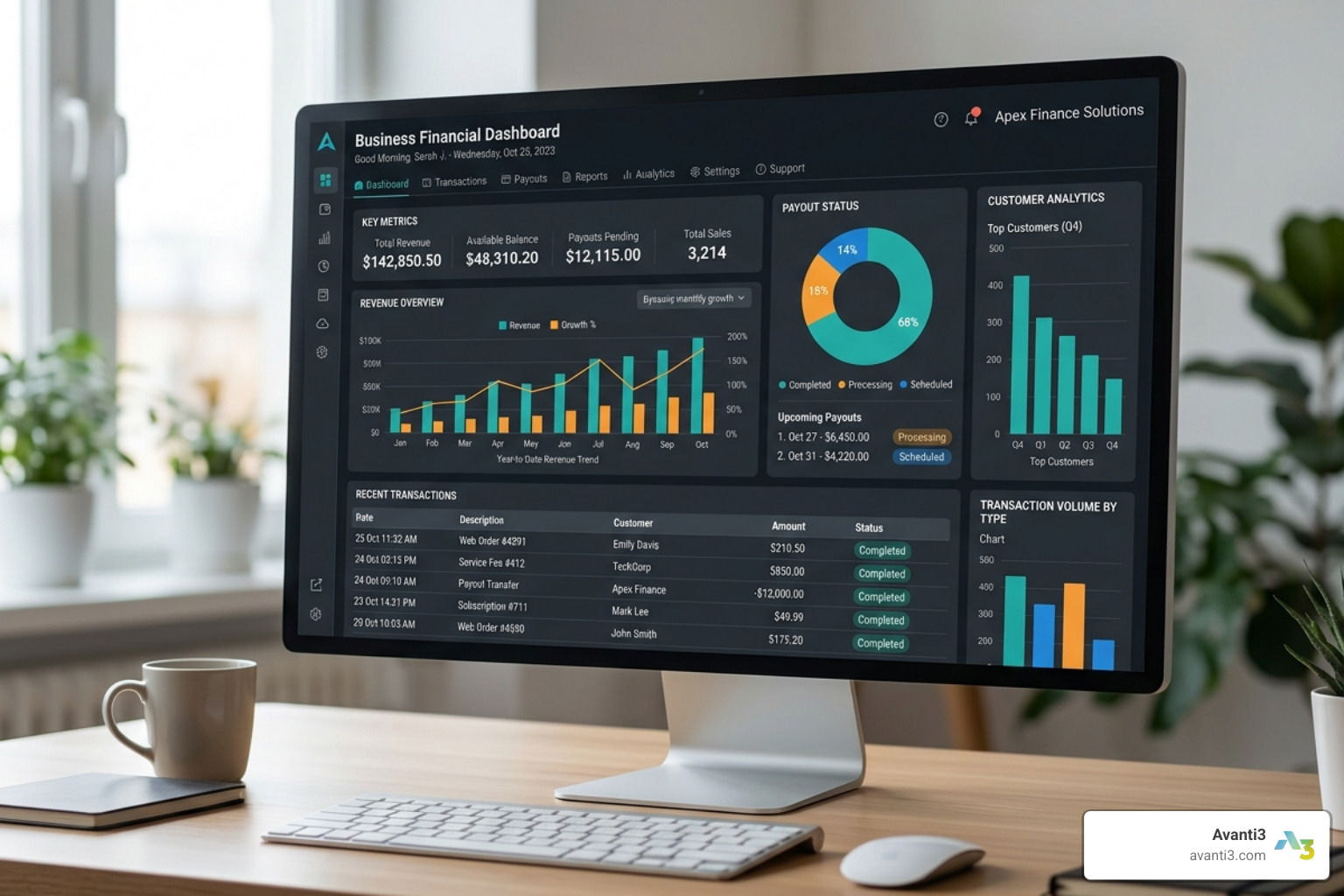
Key benefits of automation include:
- Recruitment Speed: When participants know they will be paid instantly, they sign up faster.
- Data Integrity: Automated systems can flag “duplicate” participants or professional survey-bots, protecting your data quality.
- Fraud Prevention: Platforms use sophisticated checks to ensure rewards are going to real humans, not bots.
For forward-thinking brands, we are even seeing the rise of NFT Engagement Tools to provide unique, blockchain-verified rewards that carry both monetary and sentimental value within a brand’s ecosystem.
Best Practices for Delivery and Communication
How you talk about incentives is just as important as the amount you pay.
- Email Transparency: Your invitation should be clear and concise. Lead with the “What’s in it for them.” Our research shows that subject lines like “Take our short survey and enter to win $100” or “Earn $75 for your feedback on our latest features” achieve the highest open rates.
- The “Two-Sentence” Rule: State the incentive amount and the time commitment within the first two sentences of your email.
- Participant Choice: Don’t force a single brand. Offering a “Choice Gallery” where participants can pick between Visa, Amazon, Starbucks, or a charitable donation increases satisfaction scores and response rates.
Using Digital Fan Engagement strategies, you can turn a one-off research participant into a long-term brand advocate by making the reward process feel like a seamless part of the brand experience.
Measuring Success and Program ROI
To justify your budget to the CFO, you need to track the right KPIs. A successful incentive program should be measured by:
- Time-to-Fill: Are you filling your recruitment slots in 3-5 days? If it takes 10+ days, your incentives are likely too low.
- No-Show Rate: Is your no-show rate under 10%? If it’s higher, your “compensation for time” isn’t competitive enough.
- Participant Quality Rating: Are your researchers rating participants 4.5/5.0 or higher? If quality is dropping, you might be attracting “professional survey takers” rather than your target customers.
- Cost per Insight: Calculate the total cost of incentives vs. the development waste prevented. If a $2,000 incentive spend prevents a $200,000 engineering mistake, your ROI is a staggering 100:1.
At Avanti3, we believe that the future of customer engagement lies in the intersection of technology and human-centric rewards. Whether you are using AI to personalize your research outreach or blockchain to secure your reward distribution, the goal remains the same: a fair exchange for valuable insights.
For more insights on the latest in reward technology and engagement strategies, explore our Technology Category.
Final Thoughts
In 2026, customer research incentives are no longer “optional.” They are the foundation of high-quality UX research and product development. By benchmarking your rates, automating your delivery, and respecting your participants’ time, you ensure that your business decisions are backed by the best possible data.
Stop settling for biased, “free” feedback. Invest in your participants, and they will invest their best insights in you.