

Ultimate A – Z Guide to AR Development
What AR Development Is and Why It Matters in 2026
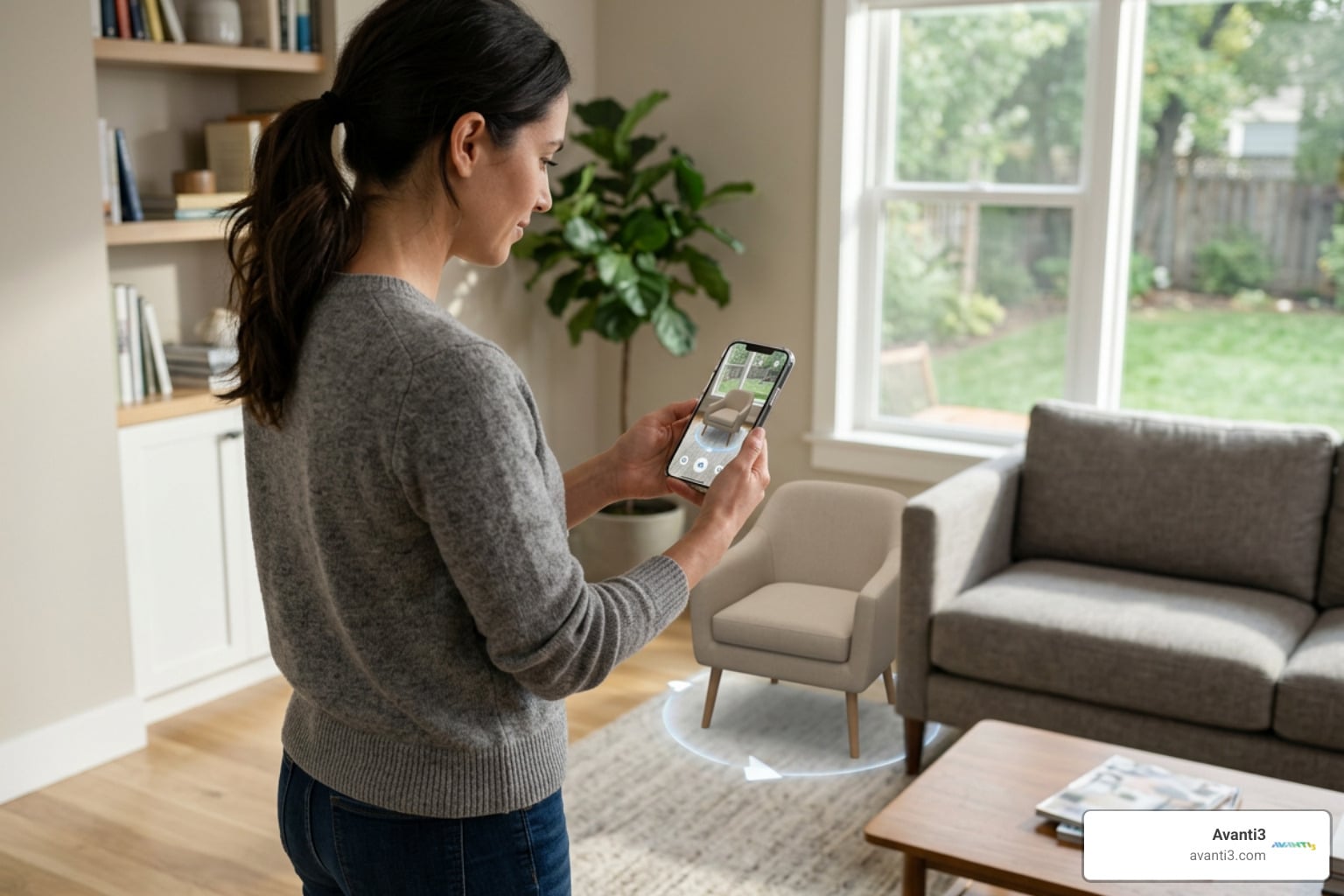
AR development is the process of building applications that layer digital content — like 3D objects, text, or animations — on top of the real world, viewed through a smartphone, tablet, or headset.
Here’s a quick breakdown of what that means in practice:
- What it is: Creating software that blends digital visuals with a live camera view of the physical world
- How it works: Apps use device sensors (camera, gyroscope, accelerometer) to track position and place virtual objects in real space
- Key platforms: ARKit (iOS), ARCore (Android/Google), Unity AR Foundation, RealityKit, and WebXR
- Who it’s for: Developers, brands, educators, retailers, and creators who want to build interactive real-world experiences
- Why it’s growing: iOS and iPadOS alone reach hundreds of millions of users, and ARCore supports world-scale AR experiences across more than 100 countries
Unlike traditional app development, AR apps must respond to the physical environment in real time. That means handling lighting changes, surface detection, and object tracking — all at once.
The result? Experiences that feel like digital content genuinely exists in the room with you.
I’m Samir ElKamouny, an entrepreneur and marketing expert who has helped scale businesses across industries — including those leveraging cutting-edge technologies like AR development to create deeper audience connections and new revenue streams. In this guide, I’ll walk you through everything you need to know, from the core technical foundations to real-world industry applications.
The Technical Foundations of AR Development
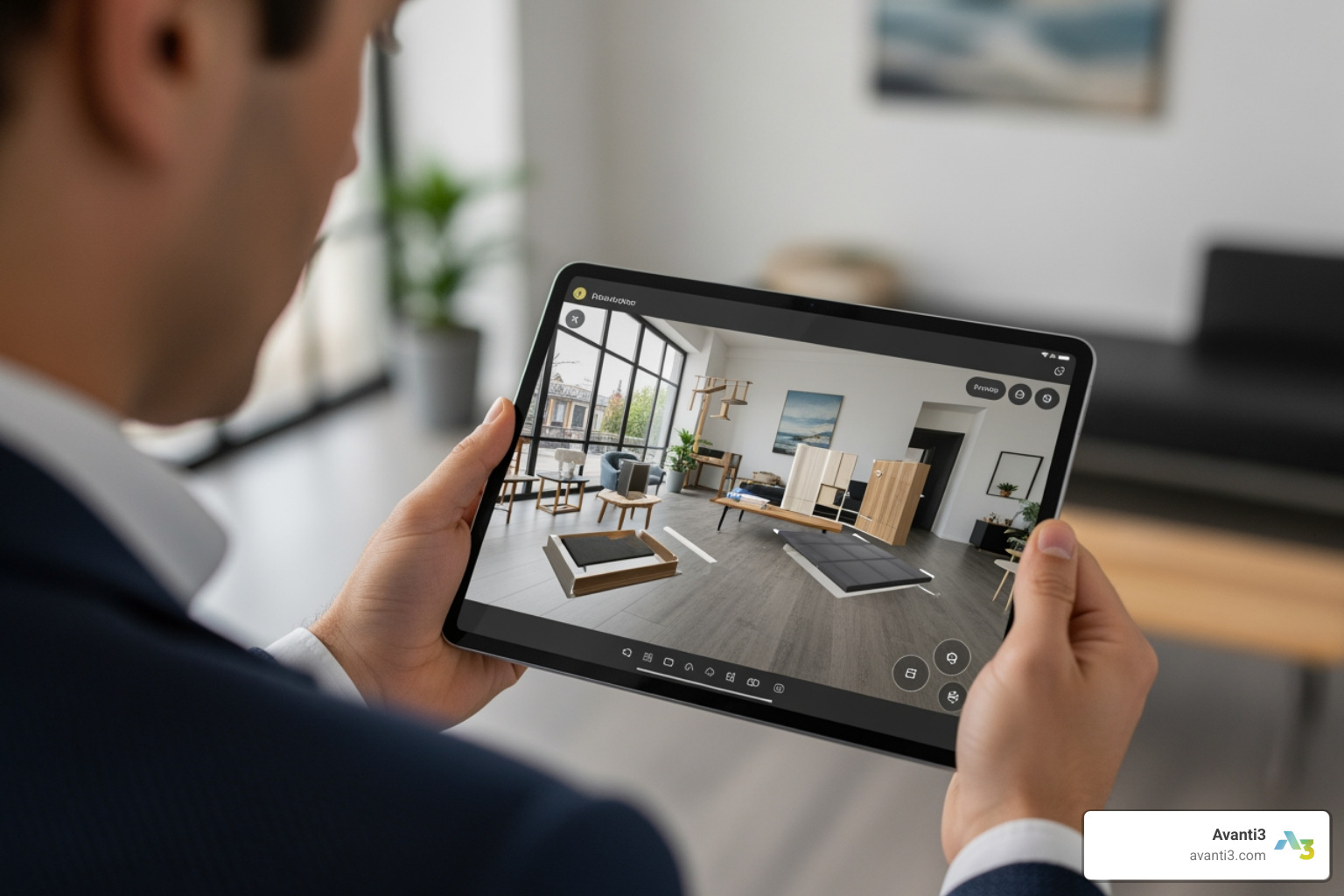
When we dive into ar development, we aren’t just writing code for a flat screen. We are essentially teaching a computer how to “see” and “understand” a three-dimensional room. Traditional apps care about buttons and menus; AR apps care about the height of your coffee table and the direction of the sunlight coming through your window.
To achieve this, we rely on heavy-duty frameworks that handle the math so we don’t have to. The “Big Three” in our world are ARKit, ARCore, and Unity.
- ARKit: Apple’s proprietary framework. It is arguably the most polished, utilizing the LiDAR scanners in modern iPhones to provide instant placement and high-fidelity depth data.
- ARCore: Google’s answer, which focuses on cross-device compatibility. It’s what allows us to build experiences for the billions of Android users globally.
- Unity & AR Foundation: This is our go-to for Building Universal AR Experiences with Cross-Platform Development. Unity’s AR Foundation acts as a “translator,” allowing us to write code once and deploy it to both iOS and Android.
For a deeper dive into how these pieces fit together, check out our guide on AR Technology Explained: Solutions for a Blended Reality.
Getting Started with AR Development on Major Platforms
If you’re looking to jump into the driver’s seat, the path has never been clearer. In May 2026, the barriers to entry have dropped significantly.
- iOS (ARKit/RealityKit): If you’re an Apple fan, you’ll use Xcode and Swift. Tools like Reality Composer allow you to create interactive experiences even if you have zero 3D modeling experience. You can even use the Object Capture API to turn real-world items into 3D models in minutes using photogrammetry.
- Android (ARCore): For those on the Google side, you can get started with Java, Kotlin, or C. We recommend following the Getting started with ARCore guide to set up your environment.
- Unity: This is the industry standard for games and complex interactive apps. There is a structured Mobile AR Development pathway that takes about 8 weeks to complete, covering everything from visual scripting to mobile optimization.
- WebXR: Want users to experience AR without downloading an app? WebXR allows AR to run directly in the browser.
For a step-by-step roadmap, we’ve put together a guide: From Zero to AR Hero: Developing Augmented Reality for Android.
How Frameworks Enable Immersive AR Development
To make the digital and physical worlds dance together, ar development frameworks use three core pillars:
- Motion Tracking: This allows the phone to understand its position relative to the world. If you place a virtual cat on the floor and walk around it, motion tracking ensures the cat stays exactly where you left it.
- Environmental Understanding: This is how the app detects surfaces. It looks for “feature points” to identify horizontal planes (floors/tables) and vertical planes (walls). ARKit 6 has taken this further with Scene Geometry, which can label objects like chairs or windows.
- Light Estimation: To make a virtual object look real, it needs to be lit like the rest of the room. Frameworks analyze the camera feed to match the intensity and direction of real-world light.
Newer APIs, like the Geospatial API, use Google Street View data to let us anchor content to specific GPS coordinates globally. Imagine a digital mural that only appears when you stand in front of the Eiffel Tower!
Best Practices for Blending Digital and Physical Worlds
Creating a “wow” moment requires more than just technical skill; it requires smart AR Content Creation. Here are our top tips for 2026:
- Prioritize Occlusion: Nothing breaks the immersion faster than a virtual dog walking “through” a real sofa. Use Depth APIs to ensure digital objects pass behind physical ones.
- Keep Interactions Natural: Users shouldn’t have to learn a new language. Use familiar gestures like pinching to zoom or dragging to move objects.
- Manage “Drift”: Over time, virtual objects might shift slightly. Encourage users to move their phones to “re-scan” the area, or use anchors to lock objects in place.
- Audio is 50% of the Experience: Use spatial audio so that a virtual fountain sounds louder as you walk toward it.
For more on keeping users hooked, see The Developer Guide to AR User Engagement.
Industry Applications and Overcoming Challenges

By now, you’ve likely seen ar development in action, whether it’s a furniture app or a certain yellow-rat-catching game. But the impact goes much deeper than entertainment. We are seeing a massive shift in how high-value industries operate.
Transforming Industries: Real Estate, Retail, and Education
The numbers don’t lie. In the real estate sector alone, over 50 major projects have been developed using AR-enhanced planning, contributing to the creation of 7,800+ housing units and over 500,000 square feet of commercial space. This represents over $900 million in construction value that benefited from AR visualization.
- Real Estate: Instead of looking at 2D blueprints, investors can walk through a life-sized AR model of a building before the first brick is laid.
- Retail: Virtual try-ons have become the standard. Whether it’s glasses, makeup, or sneakers, AR reduces return rates by letting customers “try before they buy.”
- Education: History comes alive when students can see a 3D reconstruction of the Sutro Baths or ancient ruins right on their desks.
Check out our AR Apps Development page to see how these industries are evolving.
Solving Common Challenges in AR App Creation
While the tech is incredible, ar development isn’t without its hurdles. Here is how we tackle the most common issues:
| Challenge | Solution |
|---|---|
| Battery Drain | Optimize 3D models (low poly) and limit heavy physics calculations. |
| Tracking Drift | Use Cloud Anchors for persistent, multi-user experiences. |
| Hardware Variance | Use AR Foundation to ensure your app scales across different device specs. |
| Lighting Variance | Implement real-time light estimation to adjust object shaders dynamically. |
If you’re struggling with the “how-to,” our Ultimate AR Creation Guide breaks down the fix for every common bug.
Building the Future: Transforming Cities and Communities
At Avanti3, we believe ar development is the key to the next generation of digital engagement. We don’t just stop at the visuals; we integrate Web3 technologies like NFTs and blockchain to create truly unique experiences.
Imagine a city where:
- Community Building: Local landmarks hold “digital time capsules” (NFTs) that only residents can unlock.
- Fan Monetization: Brands offer exclusive AR rewards and fintech solutions that bridge the gap between a digital interaction and a real-world purchase.
- Philanthropy: AR tours of urban projects can highlight social impact and drive community-led investment.
We are setting a new standard by combining AR/VR with AI to empower creators. Whether you’re a brand looking for AR VR Application Development Services or a creator wanting to build a rewards system, the tools are here.
If you’re ready to start your journey without writing a single line of code, explore our guide on No Coding Required: Create Stunning AR Experiences Today. Or, if you’re ready to see how these technologies can transform your brand’s reach, learn more about our AR Marketing Solutions.
AR development isn’t just about the future — it’s about how we interact with the world today, in May 2026. By blending the digital and physical, we aren’t just changing what we see; we’re changing how we live, work, and connect. Let’s build that blended reality together.