

The Ultimate Guide to Fan Tokens and AR Reward Distribution
Evolving Customer Engagement: How a Web3 loyalty program AR Strategy Redefines Rewards
Web3 loyalty program AR combines blockchain-based rewards with augmented reality experiences to create engaging, interactive loyalty programs that go far beyond traditional points systems.
Quick answer — what a Web3 loyalty program with AR actually does:
- Lets customers earn digital collectibles and NFTs instead of (or alongside) plain points
- Uses AR drops and treasure hunts to make earning rewards feel like a game
- Gives customers real ownership of rewards they can trade, sell, or use across brands
- Connects physical products and locations to digital experiences via NFC chips and QR codes
- Rewards engagement — not just purchases — through social actions, event attendance, and content sharing
The numbers tell a stark story. 45% of loyalty program accounts are inactive, and only 48% of Americans are actually happy with their current programs. At the same time, Gen Z’s purchasing power is on track to hit $12 trillion by 2030 — and this generation finds traditional discount cards boring. They expect instant, experiential rewards that feel personal and exciting.
Meanwhile, brands that get loyalty right see serious returns. A third of marketers report their loyalty programs earn five to seven times more than they cost to run. The opportunity is real — but only for brands willing to evolve beyond punch cards and point balances.
That gap between what customers want and what most programs deliver is exactly where Web3 and AR come in.
I’m Samir ElKamouny, and I’ve spent my career helping brands combine cutting-edge technology with strategic marketing to drive real growth — including exploring how Web3 loyalty program AR solutions can transform the way businesses build lasting relationships with their audiences. In this guide, I’ll break down everything you need to know to build an AR-powered Web3 loyalty experience that actually works.
When we talk about evolving customer engagement, we are moving from a passive, transactional relationship to an active, emotional one. Traditional loyalty programs treat customers like numbers on a spreadsheet: buy ten coffees, get one free.
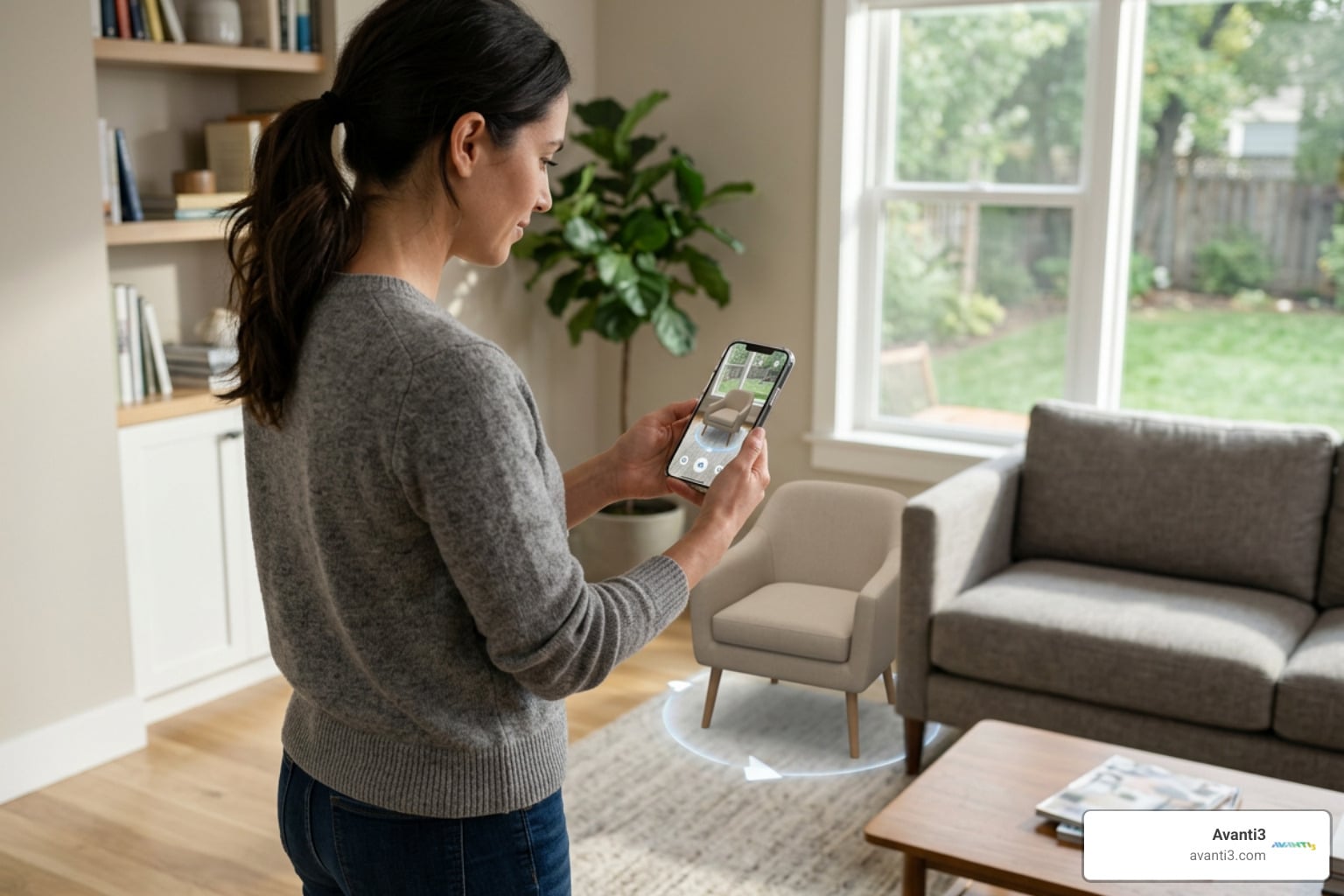
A Web3 loyalty program AR strategy flips this model on its head. By combining augmented reality with digital collectibles, we turn routine brand interactions into immersive, gamified experiences. Instead of just checking a balance on an app, customers might scan their living room to reveal a floating 3D digital collectible, or visit a physical store to unlock a location-gated AR reward.
This approach addresses a massive shift in consumer behavior. Research from the Boston Consulting Group highlights how Web3 Opens New Paths to Customer Loyalty | BCG, proving that digital ownership creates deeper emotional connections. When customers feel like they actually own their rewards—rather than just renting points that a brand could expire at any moment—their lifetime value climbs.
For brands looking to design modern loyalty experiences, integrating these technologies is no longer a futuristic concept; it is a current strategic necessity. Learn more about how these dynamics work in our breakdown of the Loyalty Program Web3 landscape.
Traditional vs. Web3 loyalty program AR Systems
To understand why this shift is happening, we need to look at how traditional systems compare to Web3-enabled, AR-driven programs.
| Feature | Traditional Loyalty Programs | Web3 AR Loyalty Programs |
|---|---|---|
| Primary Mechanic | Point accumulation for future discounts | Gamified experiences, digital collectibles, and AR drops |
| Reward Ownership | Centralized (owned and controlled by the brand) | Decentralized (owned by the customer as digital assets) |
| Engagement Model | Transactional (earn only when you spend money) | Experiential (earn by interacting, sharing, or exploring) |
| Satisfaction Levels | Low (only 48% of US and 32% of Canadians are satisfied) | High (driven by play, community, and real-world value) |
| Interoperability | None (points are locked inside one brand’s ecosystem) | High (rewards can be traded or used across partner brands) |
| Active Participation | Low (45% of traditional accounts sit completely inactive) | High (gamification encourages daily or weekly app opens) |
Traditional programs fail because they lack excitement. They are predictable, isolated, and offer little emotional return. As explored by Simon-Kucher in their piece on Web3 loyalty programs: How to build long-lasting customer relationships, digital ownership transforms customers from passive observers into active participants. To see a deeper dive into this paradigm shift, check out our guide on Beyond Points How Blockchain Is Redefining Customer Loyalty.
The Mechanics of AR Reward Distribution and Digital Collectibles

How does a Web3 loyalty program AR experience actually work under the hood? It relies on a seamless blend of physical touchpoints and digital infrastructure:
- The Digital Wallet: This is the customer’s portal. Unlike complex crypto wallets of the past, modern Web3 loyalty programs use “embedded wallets” that users can set up instantly using just their email or social media accounts. This wallet securely stores their digital stamps, badges, and tokens.
- AR Drops and Treasure Hunts: Brands can project digital rewards into the physical world. Using a smartphone camera, customers can participate in localized treasure hunts—such as finding virtual tokens floating in a physical retail store or at a live music festival.
- NFC Chips and QR Codes: Physical products can be fitted with Near Field Communication (NFC) chips. Tapping a smartphone against a physical hoodie, pair of shoes, or product packaging instantly verifies authenticity and unlocks exclusive AR filters or digital tokens.
- Token-Gated Access: Once a customer holds a specific digital collectible in their wallet, it acts as a digital key. This key can grant them access to exclusive merchandise, private online communities, or real-world VIP events.
This “phygital” integration bridges the gap between our physical and digital lives. By implementing Ar Powered Brand Engagement tactics, we give customers a compelling reason to open our apps. For a closer look at how these immersive visual tactics grab and hold attention, read about How Brands Use Augmented Reality In Marketing To Steal Your Attention.
Real-World Case Studies: Brands Leading the Web3 Revolution
Several global brands have already proven the viability of these campaigns, achieving massive engagement by blending Web3 and AR:
- Starbucks Odyssey: Starbucks evolved its world-class rewards program by introducing interactive “Journeys” where members could earn digital Stamps (NFTs). The program bypassed complex blockchain jargon, focusing entirely on community and experiences. The demand was undeniable: their limited-edition “Siren Collection” of 2,000 digital Stamps sold out in just 18 minutes at $100 each, with secondary market resales averaging four times their initial price.
- X Games California: To capture younger action sports fans, the X Games deployed a hybrid Web3 loyalty experience. Fans at the live event could participate in AR-enabled prize drops across the venue. They also designed personalized digital membership badges using AI, which unlocked real-world VIP experiences and exclusive merchandise.
- Visa’s Web3 Loyalty Solution: Visa launched an enterprise-grade Web3 loyalty engagement platform in partnership with SmartMedia Technologies. The solution allows brands to build customizable, no-code AR treasure hunts and digital drops, backed by the scale of a global payment giant.
These brands understand that 77% of global consumers highly value real-world experiences, and 60% desire curated, personalized rewards. You can explore more about these tokenized strategies in The Ultimate Guide To Tokenized Loyalty And Web3 Rewards and review the official Visa Web3 Loyalty Engagement Solution details to see how payment networks are backing this transition.
Implementing AR-Driven Web3 Loyalty Programs: Best Practices and Future Trends
Building a successful Web3 loyalty program AR experience requires moving past the hype and focusing on user experience, scalability, and long-term utility. Let’s look at how to design and implement these programs effectively.
Overcoming Implementation Challenges in Web3 loyalty program AR
While the benefits are clear, brands often run into hurdles during execution. The most common roadblock is onboarding friction. If a customer has to write down a 12-word seed phrase or pay gas fees just to receive a digital stamp, they will abandon the process immediately.
To solve this, we rely on account abstraction and tools like Privy integration. This allows us to create secure, invisible wallets in the background when a user signs up with their phone number or Google account. We also deploy our loyalty tokens on high-speed, low-cost Layer-2 networks like Base mainnet, ensuring that transaction fees (gas) are fractions of a cent and can be completely sponsored by the brand.
Security and data privacy are also paramount. By using decentralized ledgers, we can offer secure, transparent transactions without relying on invasive third-party tracking cookies. This builds trust while keeping the user experience clean and frictionless. For a step-by-step roadmap on navigating these technical setups, refer to our Tokenized Loyalty Programs Guide.
The Role of Strategic Partnerships and Interoperable Ecosystems
The true magic of Web3 loyalty lies in interoperability. In traditional systems, your points at a coffee shop are useless at a clothing store. In a Web3 ecosystem, because rewards are tokenized on an open blockchain, different brands can form collaborative partnerships.
Imagine earning a digital collectible during an AR treasure hunt at a sports stadium, and then redeeming that exact collectible for a discount at a partner retail store down the street. This cross-brand redemption increases the utility and perceived value of the rewards, driving higher customer retention.
This collaborative approach is highly effective. For example, NTI Loyalty’s gamified, cross-sector programs have helped retail partners increase overall turnover by 2.5% and generate up to $500 in extra profit per active customer.
At Avanti3, we specialize in helping brands build these exact bridges. We integrate Web3 technologies like NFTs, blockchain, AR/VR, and AI to empower creators and brands with highly customizable engagement tools. Whether you want to launch a virtual product drop or build an interactive community hub, we set a new standard in digital engagement and fan monetization.
To see how these immersive technologies are transforming social media and marketing campaigns, check out our resources on Ar And Vr Experiences and Augmented Reality In Social Media Making Your Marketing Pop Off The Screen.
Ready to build an AR-powered loyalty experience that turns casual customers into passionate brand advocates? Discover our tailored Augmented Reality Marketing Solutions and let’s build the future of your brand engagement together.