Interactive brand experiences: 5 Powerful Ways to Boost Engagement 2025
Why Interactive Brand Experiences Are Revolutionizing Marketing
Interactive brand experiences are changing how businesses connect with their audiences by creating two-way engagement that goes far beyond traditional advertising. Instead of passive consumption, these experiences invite customers to actively participate, explore, and co-create memorable moments with brands.
Key Types of Interactive Brand Experiences:
• Physical activations – Climate-controlled rooms, sensor floors, pop-up labs
• Digital touchpoints – Interactive demos, touchscreen displays, live co-creation
• AR/VR experiences – Virtual try-ons, immersive showrooms, mixed-reality trials
• Gamified campaigns – Treasure hunts, leaderboard challenges, reward systems
• Web3 & NFT integrations – Token-gated access, digital collectibles, ownership incentives
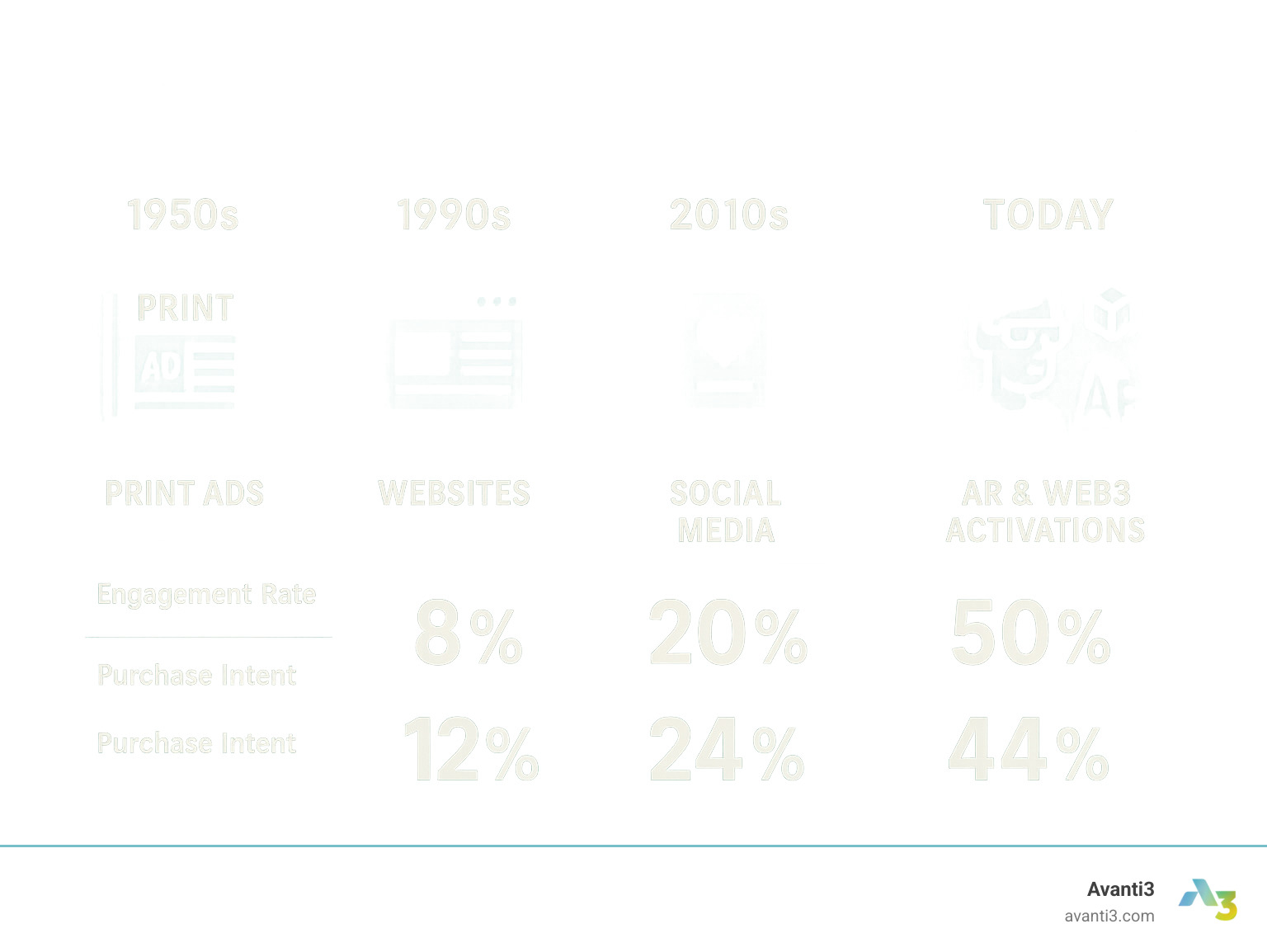
The numbers speak volumes: 61% of customers are more likely to purchase from brands using immersive technology, while over 90% of consumers are more inclined to buy after experiencing products firsthand. Even simple touchscreen interactions can boost purchase intent by 24% compared to static images.
Remember when “interactive” meant pressing a button to make something light up? Those days are long gone. Today’s audiences expect brands to create meaningful connections through multi-sensory experiences that blend physical and digital worlds seamlessly.
I’m Samir ElKamouny AV, an entrepreneur and marketing expert who’s helped scale countless businesses by implementing cutting-edge interactive brand experiences that drive real engagement and financial growth. Through my work changing traditional marketing approaches, I’ve seen how interactive brand experiences can completely reshape customer relationships and open up new revenue streams.
Interactive brand experiences terms simplified:
– Digital asset management
– Innovative digital assets
Why Interactive Brand Experiences Matter
Picture this: instead of scrolling past another banner ad, your customer is standing in your virtual showroom, trying on products with their hands, and genuinely excited about what they’re finding. That’s the magic of interactive brand experiences – they transform passive observers into active participants.
An interactive brand experience creates meaningful, two-way conversations between your brand and your audience. While traditional ads talk at people, these experiences invite them to touch, explore, and co-create memorable moments with your brand.
The emotional connection is real and measurable. Research shows that 47% of consumers feel more connected to brands after immersive experiences. When someone can actually interact with your products – even digitally – something clicks in their brain that static images just can’t trigger.
Here’s where it gets exciting: 61% of customers are more likely to purchase from brands using immersive technology. That’s not a small bump – that’s a game-changing lift that can transform your bottom line. Even more impressive, over 90% of consumers are more inclined to buy after experiencing products firsthand.
Think about the last time you bought something expensive online versus in a store where you could touch and test it. The difference in confidence is palpable. Interactive brand experiences bridge that gap, creating digital touchpoints that feel surprisingly real and personal.
In today’s noisy marketplace, standing out isn’t just nice to have – it’s survival. When 88% of marketers say interactive content helps differentiate their brands from competitors, you know we’re talking about a fundamental shift in how business gets done.
The Scientific research on immersive technology benefits backs up what many of us have felt intuitively: when people can participate in your brand story, they become part of it.
How Interactive Brand Experiences Outperform Traditional Marketing
The numbers don’t lie – and they’re pretty stunning. Consumers who had tactile interactions with products, even through a touchscreen, showed 24% higher purchase intentions than those who just looked at pictures. That’s the power of engaging multiple senses, even in digital spaces.
Traditional marketing works like a megaphone – loud, one-way, and hoping someone’s listening. Interactive brand experiences work more like a conversation. They invite people in, let them explore at their own pace, and create moments of genuine findy.
When someone successfully completes a challenge in your branded game or finds a hidden feature in your AR experience, they feel accomplished. That positive emotion gets tied directly to your brand in their memory. It’s psychology in action, and it’s incredibly effective.
Brand recall skyrockets when people actively participate versus passively consume. Think about it – you remember the video game you played way better than the commercial you watched. The same principle applies to brand interactions.
These experiences are also naturally shareable. People love telling friends about cool things they finded or unique experiences they had. That organic word-of-mouth amplification is marketing gold you simply can’t buy with traditional ads.
Every click, swipe, and interaction generates valuable data about what your customers actually want and how they behave. This intelligence helps you refine future campaigns and create more personalized experiences that hit the mark every time.
Our Digital Brand Engagement solutions consistently deliver engagement uplifts of 200-400% compared to static alternatives. When you give people something meaningful to do with your brand, they respond in ways that traditional marketing simply can’t achieve.
The Big 5 Types of Interactive Brand Experiences
The world of interactive brand experiences has evolved into five powerful categories, each offering unique ways to connect with your audience. Think of these as different tools in your engagement toolkit—sometimes you’ll use just one, but the magic often happens when you combine them thoughtfully.
Physical Interactive Brand Experiences
There’s something irreplaceable about experiences you can touch, walk through, and feel with your whole body. Physical activations create memories that stick because they engage all our senses at once.
Sensor floors transform ordinary walking into an trip. Imagine stepping onto a surface that responds to every footstep—maybe it cracks like ice or blooms with digital flowers. These installations use pressure sensors and projection mapping to turn movement into storytelling. Canada Goose uses floors that crack like ice underfoot, instantly transporting visitors into their Arctic brand world.
Climate rooms take product testing to a whole new level. Instead of just telling customers about your winter coat’s performance, why not let them experience it in a -12°C chamber? Canada Goose does exactly this, creating a more convincing demonstration than any video ever could.
Pop-up labs invite customers to become co-creators. These temporary spaces might include maker stations for product customization, testing areas for new innovations, or collaborative spaces where community members contribute to product development. The key is making every visitor feel like they’re part of something special.
The secret to successful physical activations is ensuring every interactive element serves your brand story. When done right, these experiences create those coveted “Instagram moments” that extend your reach far beyond the physical space.
Digital Interactive Brand Experiences
Digital touchpoints offer something physical experiences can’t always match—the ability to personalize at scale while reaching global audiences. These experiences can feel intimate and customized, even when serving thousands of people simultaneously.
Touchscreen displays have come a long way from simple navigation. Modern installations can recognize objects placed on them, respond to multiple touches at once, and even detect user emotions through facial recognition. The magic happens when you create content that truly takes advantage of what touchscreens can do.
Choose-your-own demo experiences let prospects explore exactly what matters most to them. Stairwell saw a 50% boost in engagement rates when they replaced static product pages with interactive demonstrations that adapted based on user choices. This approach works because it respects that different customers have different priorities.
Livestream co-creation brings communities together in real-time. When audiences can influence outcomes through voting, commenting, or direct participation, you’re not just broadcasting—you’re building relationships. Plus, these sessions generate content you can repurpose across other channels.
The most successful digital experiences provide genuine value beyond entertainment. They solve real customer problems while subtly showcasing what your brand can do.
AR/VR Interactive Brand Experiences
Augmented and virtual reality technologies are bridging the gap between online convenience and in-store tactile experience. These tools are moving from “cool tech demo” to “essential business tool” faster than many people expected.
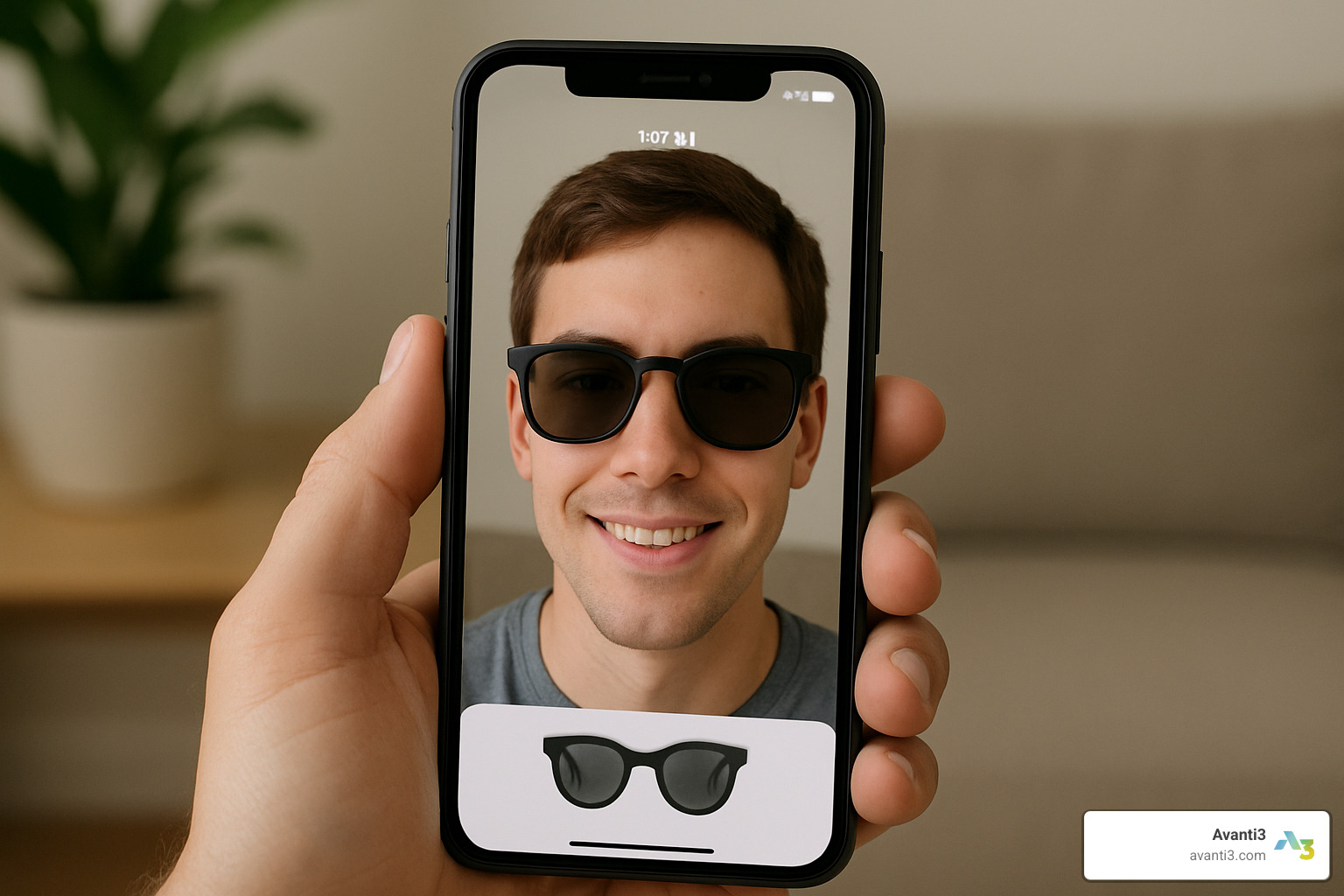
Mixed-reality trials have become particularly powerful for products that customers traditionally needed to try before buying. Marcolin’s virtual sunglasses visualization achieved engagement 44% above benchmark, with some regions seeing even higher performance. These experiences reduce purchase anxiety while increasing conversion rates.
Virtual showrooms break down the limitations of physical space. Automotive brands offer virtual test drives, while furniture companies let customers place items in virtual replicas of their actual homes. The possibilities are expanding as the technology becomes more accessible.
Our Augmented Reality Marketing solutions consistently outperform traditional product showcases because they let customers visualize ownership in ways that were previously impossible. When someone can see how a product fits into their actual life, the path to purchase becomes much clearer.
Immersive brand storytelling through AR and VR can transport customers to different locations, time periods, or entirely fantastical environments. This opens up narrative possibilities that would be impossible or prohibitively expensive in the physical world.
The AR/VR Immersive Experiences we’ve developed show particular success in industries where product visualization is challenging—from complex software to luxury goods that customers can’t easily access in person.
Gamified Interactive Brand Experiences
Games tap into something fundamental about human psychology—our love of achievement, competition, and progression. When you add game mechanics to brand interactions thoughtfully, routine touchpoints become experiences that customers actively seek out.
Treasure hunts that blend digital and physical worlds create excitement around exploration. QR code scavenger hunts can drive foot traffic to specific locations while collecting valuable customer data. The key is making the hunt feel rewarding rather than like work.
Leaderboard challenges harness the power of friendly competition. Vodafone’s “Elf and Seek” AR game was played by 245,000 people who captured 270,000 virtual elves, creating massive brand exposure while genuinely entertaining their audience. Competition drives engagement, especially when combined with meaningful rewards.
Micro-rewards keep people coming back over time. These might include points for social sharing, badges for completing challenges, or open upable content that provides additional value. The frequency matters more than the size—small, regular rewards often outperform large, infrequent ones.
The secret to successful gamification is ensuring your game mechanics align with your brand values and customer motivations. The best gamified experiences feel like natural extensions of your brand rather than something forced on top.
Web3 & NFT-Powered Interactive Brand Experiences
Web3 technologies are creating entirely new categories of brand experiences based on ownership, community, and digital scarcity. These experiences particularly resonate with digitally native audiences who value authenticity and exclusivity.
Token-gated access uses NFT ownership to open up exclusive experiences, content, or communities. This creates a sense of membership and belonging that traditional loyalty programs struggle to match. The ownership aspect means customers have a genuine stake in your brand’s success.
Digital badges verified on the blockchain become portable status symbols that customers can display across platforms. These create lasting recognition that extends your brand influence beyond your owned channels.
Ownership incentives allow customers to own pieces of the brand experience through NFTs, governance tokens, or profit-sharing mechanisms. This creates unprecedented alignment between brand and customer interests—when your customers succeed, you succeed too.
At Avanti3, we’ve pioneered Web3 engagement tools that combine the best of traditional marketing with blockchain-native experiences. Our approach ensures these technologies improve rather than complicate the customer journey, making advanced concepts accessible to everyday users.
The Tech Toolkit Behind Immersion
Creating magical interactive brand experiences requires more than just fancy gadgets. The real magic happens when sophisticated technology works invisibly in the background, making complex interactions feel effortless and natural.
Think about Disney’s MagicBand system. Guests simply wear a colorful wristband, yet it uses RFID technology to create personalized experiences throughout the park. Characters greet children by name, rides automatically capture photos, and payments happen seamlessly. The technology disappears, leaving only wonder.
Computer vision takes this invisible interaction even further. Advanced cameras paired with AI can recognize your gestures, facial expressions, and even emotional responses. This means displays that respond to a simple wave or experiences that adapt based on whether you’re smiling or looking confused. No apps to download, no instructions to follow—just natural human behavior triggering digital responses.
AI personalizers work behind the scenes to make every interaction feel custom-made. These machine learning systems analyze how you move, what catches your attention, and how long you engage with different elements. Within seconds, they’re customizing content recommendations and even interface layouts to match your preferences.
Blockchain integration opens up entirely new possibilities for brand relationships. Beyond just tracking ownership of digital collectibles, blockchain enables customers to have genuine stakes in brand communities. Imagine loyalty programs where your participation actually increases in value over time, or exclusive experiences that you truly own and can even trade with others.
Spatial audio completes the immersion puzzle. Three-dimensional sound can guide your attention, create emotional responses, and even provide invisible navigation cues. When done right, spatial audio makes digital experiences feel as rich and layered as real-world environments.
Our AR Marketing Solutions combine all these technologies into cohesive experiences that feel magical while remaining technically bulletproof.
Choosing the Right Tech for Your Interactive Brand Experiences
Here’s the truth: the coolest technology means absolutely nothing if it doesn’t serve your specific goals or appeal to your actual customers. We’ve seen too many brands get impressd by cutting-edge capabilities only to create experiences that impress tech enthusiasts but confuse their target audience.
Goal alignment should drive every technology decision. Are you trying to increase product trials? Build community? Collect valuable customer data? Create shareable moments? Each objective points toward different technological solutions. A viral moment might need simple, instantly understandable interactions, while detailed product education might benefit from more sophisticated AR visualization.
Audience fit matters enormously. A digitally native audience might accept experimental AR filters and blockchain-based rewards. Meanwhile, a more traditional demographic might prefer straightforward touchscreen interactions with clear, immediate value. The best technology choice is the one your customers will actually use and enjoy.
Scalability planning prevents future headaches. Can your chosen technology handle ten times more users? A hundred times? Will it remain relevant and supportable as your audience grows? Technical scalability and cost scalability both matter—impressive pilot projects that can’t scale economically often become expensive dead ends.
Maintenance requirements deserve honest consideration upfront. Interactive technologies need ongoing care—software updates, hardware maintenance, content refreshes, and technical support. Budget for the full lifecycle, not just the initial implementation.
The most successful technology choices become invisible to users. They enable amazing experiences without drawing attention to their own complexity or requiring users to become tech experts.
Data & Analytics: Turning Interactions Into Insights
Every tap, swipe, and glance in an interactive brand experience tells a story about customer preferences and behaviors. The challenge isn’t collecting data—it’s gathering meaningful insights while respecting customer privacy and creating genuine value.
Heatmaps reveal the truth about what actually captures attention versus what you think should capture attention. These visual representations show where users look, touch, and spend time. Often, the results surprise even experienced marketers. That beautiful hero image might get ignored while a small interactive element becomes the star of the show.
Dwell time measurements provide crucial insights into engagement quality. Someone who spends thirty seconds exploring your AR product demo is showing much stronger purchase intent than someone who glances for three seconds. These patterns help identify which content elements truly resonate and which need improvement.
Sentiment analysis using AI-powered facial recognition and interaction pattern analysis reveals emotional responses that surveys can’t capture. Are people smiling when they use your product configurator? Do they look confused at certain interface elements? This real-time emotional feedback enables rapid optimization.
Conversion pathways tracking shows exactly how customers move through your interactive experience toward purchase decisions. Which interaction sequences lead to sales? Where do potential buyers typically disengage? This intelligence enables data-driven improvements that directly impact revenue.
The Scientific research on consumer touchpoints confirms what we observe daily: each interaction point significantly influences overall brand perception and purchase intent. Comprehensive analytics aren’t just nice to have—they’re essential for creating experiences that consistently drive business results.
From Concept to Launch: Designing Experiences That Engage

Creating memorable interactive brand experiences starts with a simple truth: technology should serve your story, not the other way around. After helping countless brands bring their interactive visions to life, I’ve learned that the most engaging experiences always begin with a compelling narrative, not the latest gadget.
Story-first design means asking the right questions before touching any technology. What journey do you want customers to take? What emotions should they feel? How does each interaction move them closer to understanding your brand’s value? When Nike creates an interactive running experience, they’re not showcasing sensor technology—they’re telling a story about personal achievement and pushing limits.
The magic happens when personalization feels natural rather than creepy. Modern customers expect experiences that adapt to their preferences, but they don’t want to feel like they’re being watched. The best interactive experiences learn from user behavior to provide increasingly relevant content and recommendations. This might mean showing different product features based on previous interactions or adjusting interface complexity based on user comfort levels.
Inclusivity and accessibility aren’t afterthoughts in successful interactive design—they’re foundational principles. Every experience must work for users with different abilities, technology access, and cultural backgrounds. This means providing alternative input methods, ensuring content works with screen readers, and designing interfaces that make sense across different cultural contexts.
The biggest trap in interactive design is falling in love with avoiding gimmicks over substance. Just because you can make something interactive doesn’t mean you should. The most successful experiences solve real customer problems or provide genuine entertainment value. If the primary appeal is novelty, you’re probably building something that will lose its charm quickly.
Our Digital Experience Design methodology has evolved through hundreds of implementations to ensure every element serves a clear purpose while creating those magical moments customers remember and share with friends.
Measuring Success & ROI
Measuring the true impact of interactive brand experiences goes far beyond counting clicks or views. The real value often shows up in ways traditional marketing metrics miss entirely.
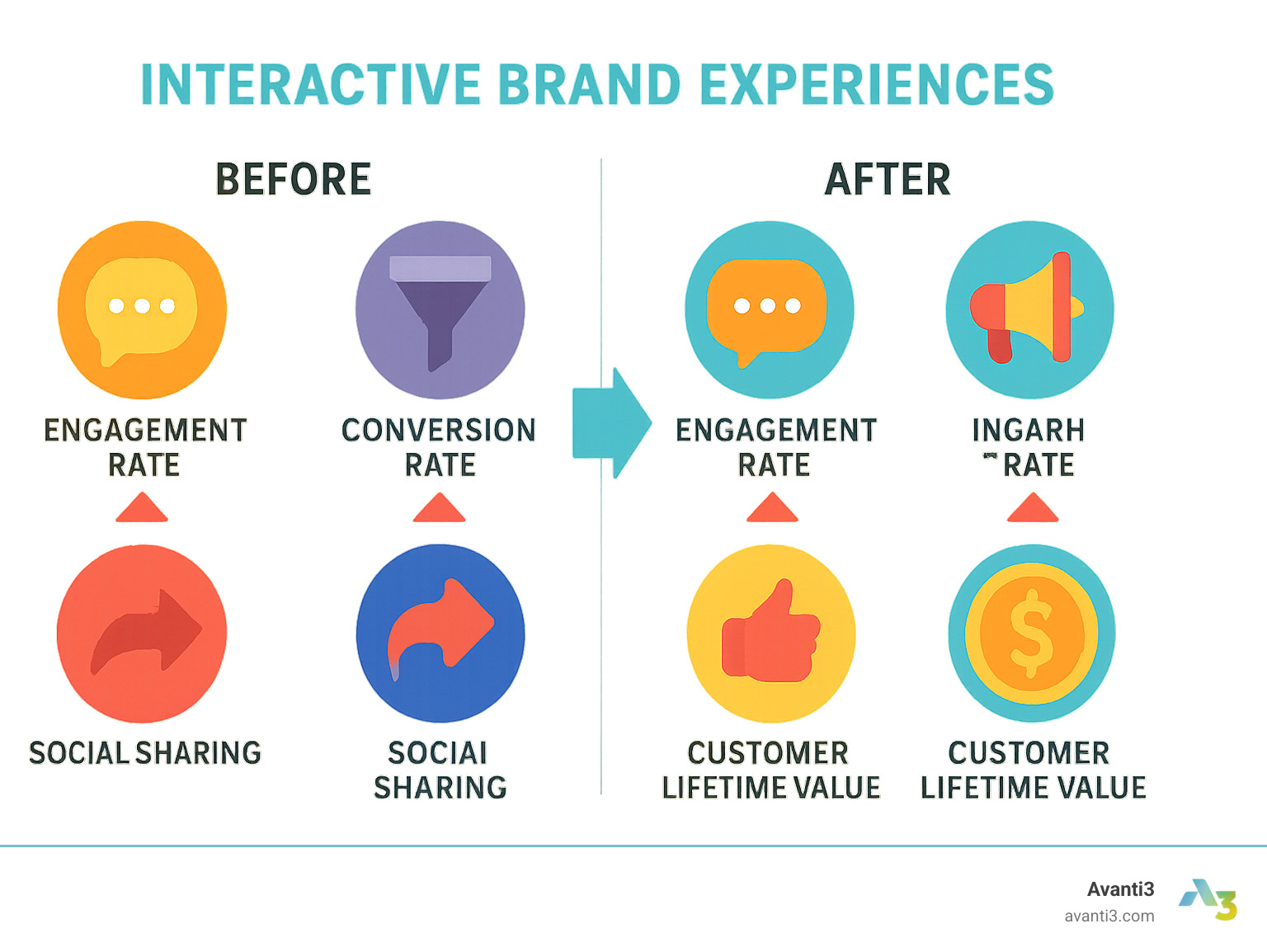
Conversion uplift tells the most direct story of success, but don’t just look at immediate purchases. Interactive experiences often plant seeds that bloom into sales weeks or months later. Track how participants behave over time compared to customers acquired through traditional channels. The difference can be striking.
Engagement rate needs to measure depth, not just duration. Someone who spends two minutes actively exploring different product configurations is far more valuable than someone who passively watches a five-minute video. Look for actions taken, choices made, and return visits to gauge genuine interest.
Earned media value captures the ripple effect of great interactive experiences. When people naturally share their experience on social media or tell friends about it, you’re getting marketing reach that money can’t buy. Calculate what that organic attention would cost through paid advertising to understand the full impact.
Customer lifetime value often shows the biggest difference between interactive and traditional marketing. Customers who engage with interactive experiences tend to buy more, stay longer, and recommend more often. This long-term relationship building is where interactive experiences truly shine.
Brand sentiment changes can predict future business performance better than immediate sales numbers. Monitor how people talk about your brand after interactive experiences. Are they more likely to recommend you? Do they associate different emotions with your brand? These shifts in perception drive long-term growth.
Budget-Friendly Interactive Ideas for Smaller Brands
Here’s a secret that big agencies don’t want you to know: some of the most effective interactive brand experiences cost almost nothing to create. Creativity and clear thinking matter more than massive budgets.
QR scavenger hunts prove that simple ideas executed well beat complex technology every time. Coinbase’s Super Bowl QR code generated 20 million scans because it was mysterious, simple, and rewarding. You can create similar engagement with basic QR codes that open up special content, discounts, or experiences as customers find them in different locations.
AR filters for social media platforms offer incredible reach for minimal investment. The key is creating filters that provide genuine utility or entertainment rather than just slapping your logo on someone’s face. Think about what would make people want to use and share your filter even if they weren’t already customers.
Interactive demos transform boring product showcases into engaging experiences using basic web technologies. Let customers choose their own journey through your product features based on their specific needs and interests. This approach often outperforms expensive video productions while providing valuable data about customer preferences.
Community challenges that encourage user-generated content can build lasting engagement while creating authentic marketing materials. The secret is providing clear value and recognition for participants. People love showing off their creativity when they feel genuinely appreciated.
Our Digital Engagement Solutions include scalable options designed to grow with your business. You can start with simple interactive elements and expand into more sophisticated experiences as you prove ROI and build internal capabilities.
Future Trends Shaping Interactive Brand Experiences
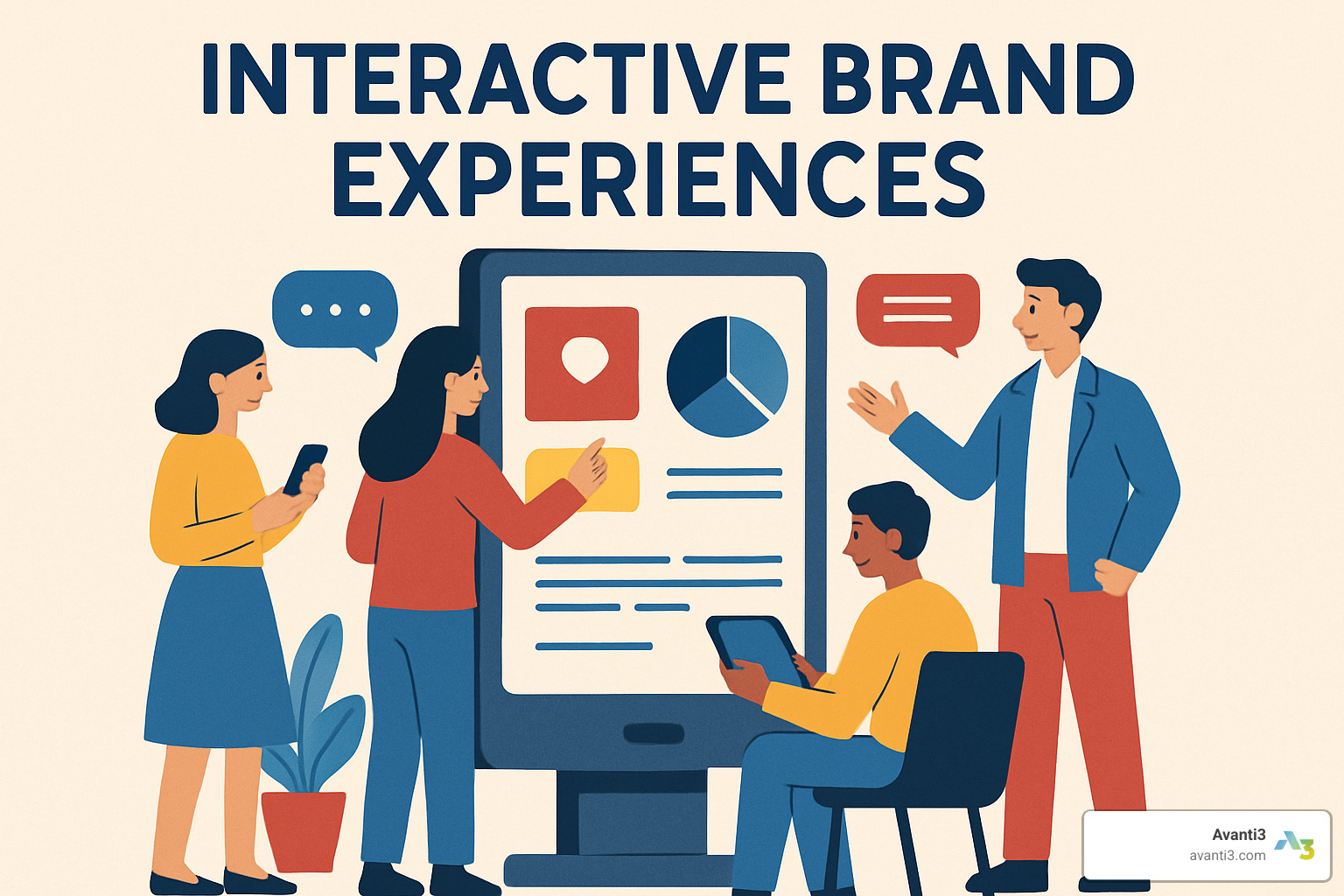
The landscape of interactive brand experiences is evolving at breakneck speed, and frankly, it’s pretty exciting to watch. We’re moving toward a world where the line between digital and physical experiences becomes so blurred that customers won’t even think about it—they’ll just expect magic to happen.
Spatial computing is leading this charge by moving us beyond flat screens into three-dimensional interfaces that exist in our actual environment. Instead of looking at your phone to get product information, you’ll simply look at the product itself and see reviews, pricing, and recommendations floating right there in your field of vision.
The potential rollout of AR glasses will be a game-changer for how brands connect with customers in physical spaces. Picture walking into a coffee shop and seeing your usual order highlighted on the menu, or getting personalized styling tips while browsing clothes. This isn’t science fiction—it’s happening now.
AI-generated worlds are another fascinating development. These aren’t just static virtual environments, but living, breathing spaces that adapt to each visitor. Imagine a virtual showroom that rearranges itself based on your preferences, or a brand experience that literally grows and changes as more people interact with it.
Metaverse events are creating persistent brand experiences that customers can return to again and again. These aren’t one-time activations but ongoing relationships that deepen over time. Think of them as brand headquarters in digital space where community members can gather, explore, and connect.
The push toward sustainability is also reshaping how we think about brand activations. Digital and virtual experiences can create massive emotional impact without the environmental cost of physical installations. It’s a win-win that forward-thinking brands are embracing enthusiastically.
Personalization at Scale With AI
Here’s where things get really interesting: artificial intelligence is making it possible to create deeply personal experiences for millions of people simultaneously. It sounds impossible, but we’re already seeing it work beautifully.
Dynamic narratives powered by AI can adapt stories in real-time based on how each person interacts with them. The same brand experience might unfold completely differently for two different customers, yet both feel perfectly crafted for their interests and preferences.
Real-time offers represent the holy grail of marketing personalization. AI can analyze how someone moves through an interactive experience and present exactly the right offer at exactly the right moment. This isn’t creepy tracking—it’s helpful assistance that feels natural and welcome.
Predictive content takes this even further by anticipating what customers want before they know they want it. The AI learns from millions of interactions to predict the next logical step in each person’s journey, creating experiences that feel intuitive and effortless.
Inclusivity & Accessibility as Standard
The future of interactive brand experiences isn’t just about cooler technology—it’s about creating experiences that welcome everyone. We’re moving toward a world where accessibility isn’t an afterthought but a fundamental design principle.
Multi-sensory options ensure that experiences can be enjoyed regardless of individual abilities. An AR experience might include audio descriptions for visual elements, haptic feedback for those who can’t hear audio cues, or simplified interaction modes for users with motor difficulties.
Language localization powered by AI is breaking down barriers between brands and global audiences. Soon, interactive experiences will automatically adapt not just language but cultural references and interaction patterns to feel native to each user’s background.
Universal design principles are becoming the standard rather than the exception. This means creating interfaces and interactions that work for the widest possible range of people from the very beginning, rather than trying to bolt on accessibility features later.
The most exciting part? These trends aren’t just making experiences more inclusive—they’re making them better for everyone. When you design for accessibility from the start, you often create more intuitive and enjoyable experiences for all users.
Frequently Asked Questions about Interactive Brand Experiences
What makes an interactive experience meaningful rather than a gimmick?
The difference between a meaningful interactive brand experience and a flashy gimmick comes down to one simple question: does this actually help your customers?
Meaningful experiences solve real problems or add genuine value to someone’s day. Think about Canada Goose’s -12°C testing chamber—it’s not just cool technology for the sake of it. It actually helps customers understand how the jacket will perform when they need it most. That’s useful information they can’t get anywhere else.
The best interactive brand experiences feel like natural extensions of what your brand already does well. If you’re a makeup company, an AR try-on tool makes perfect sense. If you’re a software company, an interactive demo that lets people explore features at their own pace adds real value.
Here’s the test we use: would people still engage with this experience if your logo wasn’t plastered all over it? If the answer is yes, you’ve probably created something meaningful. If people only care because it’s new or weird, that novelty will wear off fast.
Gimmicks interrupt the customer journey. Meaningful experiences improve it by making decisions easier, providing entertainment that aligns with your brand values, or creating tools people actually want to use repeatedly.
How do I measure ROI on immersive activations?
Measuring ROI on interactive brand experiences requires looking beyond immediate sales numbers, though those matter too. The real value often shows up in ways traditional marketing metrics miss.
Start with the obvious stuff—direct conversions from people who engaged with your experience and then bought something. But don’t stop there. We consistently see engagement rates that are 200-400% higher than static content, and even simple touchscreen interactions boost purchase intent by 24%.
Brand lift metrics tell a deeper story. Are people more aware of your brand after the experience? Do they consider you more seriously as an option? Are they more likely to recommend you to friends? These changes in perception often predict future sales better than immediate conversion numbers.
Don’t forget about earned media value. When people share your experience on social media or journalists write about it, that’s free advertising you can calculate the value of. Some of our clients have generated millions in earned media from relatively modest interactive investments.
Customer lifetime value is where the real magic happens. People who engage with interactive experiences often become more valuable customers over time. They stick around longer, buy more, and refer others. Track how participants’ long-term value compares to customers acquired through traditional channels.
The key is establishing baseline metrics before you launch, then tracking multiple indicators over time. The full impact of a great interactive experience might not show up for months.
Can smaller brands afford advanced technologies like AR or AI?
Here’s the good news: you don’t need a massive budget to create engaging interactive brand experiences. Some of our most successful projects have used creative thinking rather than expensive technology.
Social media AR filters can cost under $5,000 to develop but generate massive organic reach. QR code scavenger hunts cost almost nothing to set up but can drive real foot traffic and social sharing. Remember how Coinbase’s simple QR code during the Super Bowl generated 20 million scans in one minute? Sometimes simple execution of a good idea beats complex technology.
Interactive web demos can be built with basic technologies you probably already have access to. The key is taking your existing content and making it choose-your-own-trip style. People love feeling in control of their experience.
Community challenges that encourage user-generated content can build engagement without requiring any advanced tech at all. Give people a reason to create content around your brand, and they’ll do the heavy lifting for you.
The most important investment isn’t in technology—it’s in strategy and design. A well-thought-out simple experience will always outperform a poorly planned complex one. Start with clear goals, understand your audience, and design something that actually helps them.
At Avanti3, we’ve built our Digital Engagement Solutions to scale with your business. You can start small, prove value, and expand based on results. No need to bet the farm on unproven technology when you can grow into advanced features as your success grows.
Conclusion
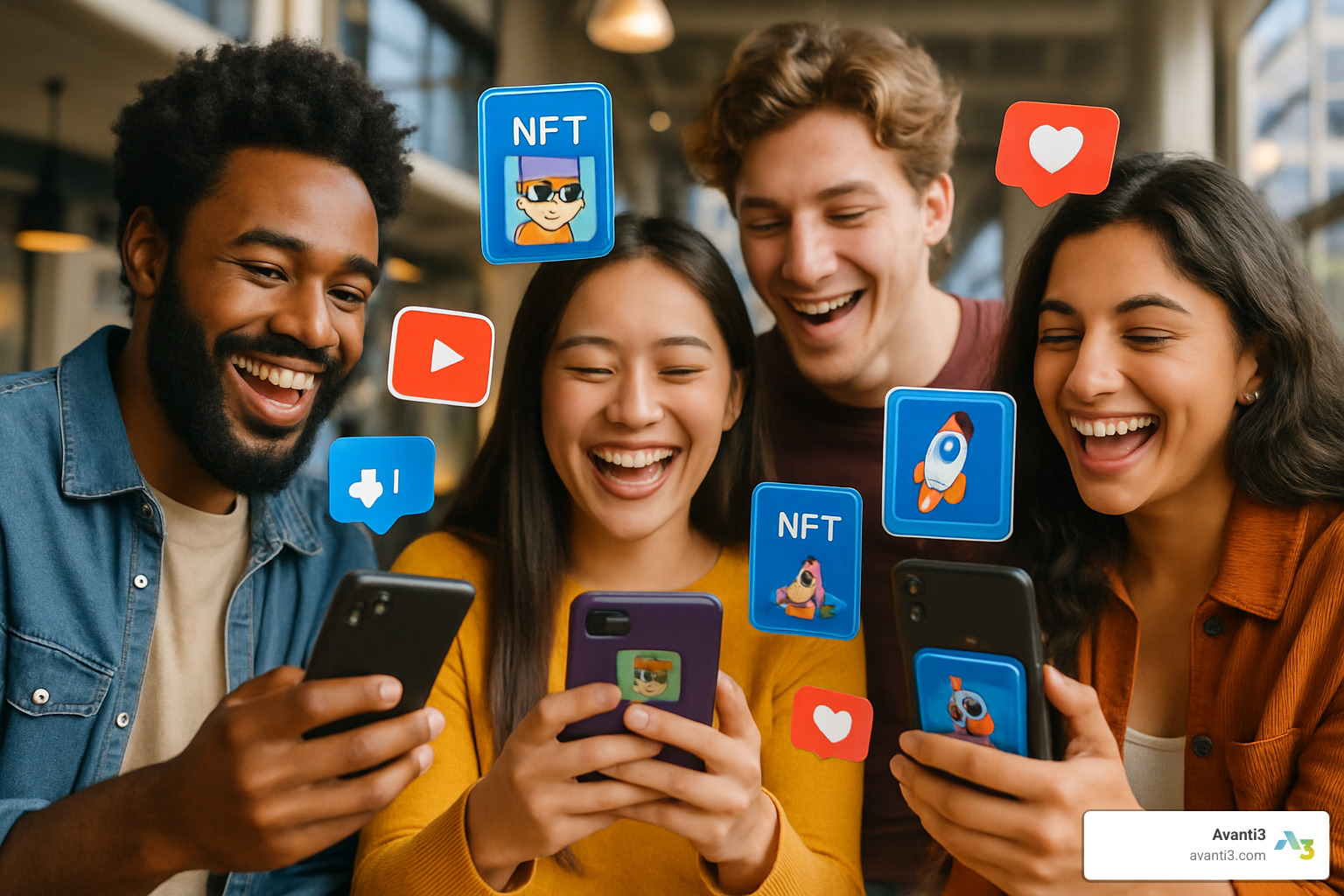
The shift toward interactive brand experiences isn’t just a trend—it’s a fundamental change in how successful businesses connect with their customers. When 61% of people are more likely to buy from brands using immersive technology, and simple touch interactions boost purchase intent by 24%, the message is clear: passive marketing is becoming obsolete.
What excites me most about this change isn’t the impressive statistics or cutting-edge technology. It’s watching customers light up when they find they can actually participate in a brand story instead of just watching from the sidelines. Whether someone is testing a parka in a -12°C chamber, virtually trying on sunglasses through AR, or earning digital badges in a gamified challenge, they’re creating memories that stick.
The beauty of interactive brand experiences lies in their versatility. Physical activations with sensor floors and climate rooms create unforgettable in-person moments. Digital touchpoints scale personalized engagement globally. AR and VR technologies bridge online and offline worlds seamlessly. Gamified campaigns turn routine interactions into entertaining challenges. Web3 integrations give customers genuine ownership and community membership.
The technology behind these experiences continues to evolve rapidly. RFID sensors, computer vision, AI personalization, blockchain verification, and spatial audio are becoming more accessible and affordable every year. But here’s what hasn’t changed: the most successful implementations start with understanding your customers’ needs, not with the latest gadgets.
We’ve learned that meaningful experiences solve real problems or provide genuine entertainment value. They feel natural and helpful rather than forced or gimmicky. They respect users’ time and intelligence while creating moments worth sharing with friends.
At Avanti3, we’ve designed our entire platform around this human-centered approach to technology. Our Web3 engagement suite combines NFTs, blockchain capabilities, AR/VR tools, and AI personalization to create experiences that don’t just engage customers—they transform them into invested community members and brand advocates.
The future belongs to brands brave enough to invite customers into collaborative relationships rather than one-way conversations. Ready to find how interactive brand experiences can revolutionize your customer connections? Your audience is waiting to participate in something extraordinary.