

Surfing the Canvas: Top Websites for Digital Art Lovers
Introduction
Why Digital Art Websites Are Revolutionizing Creative Expression
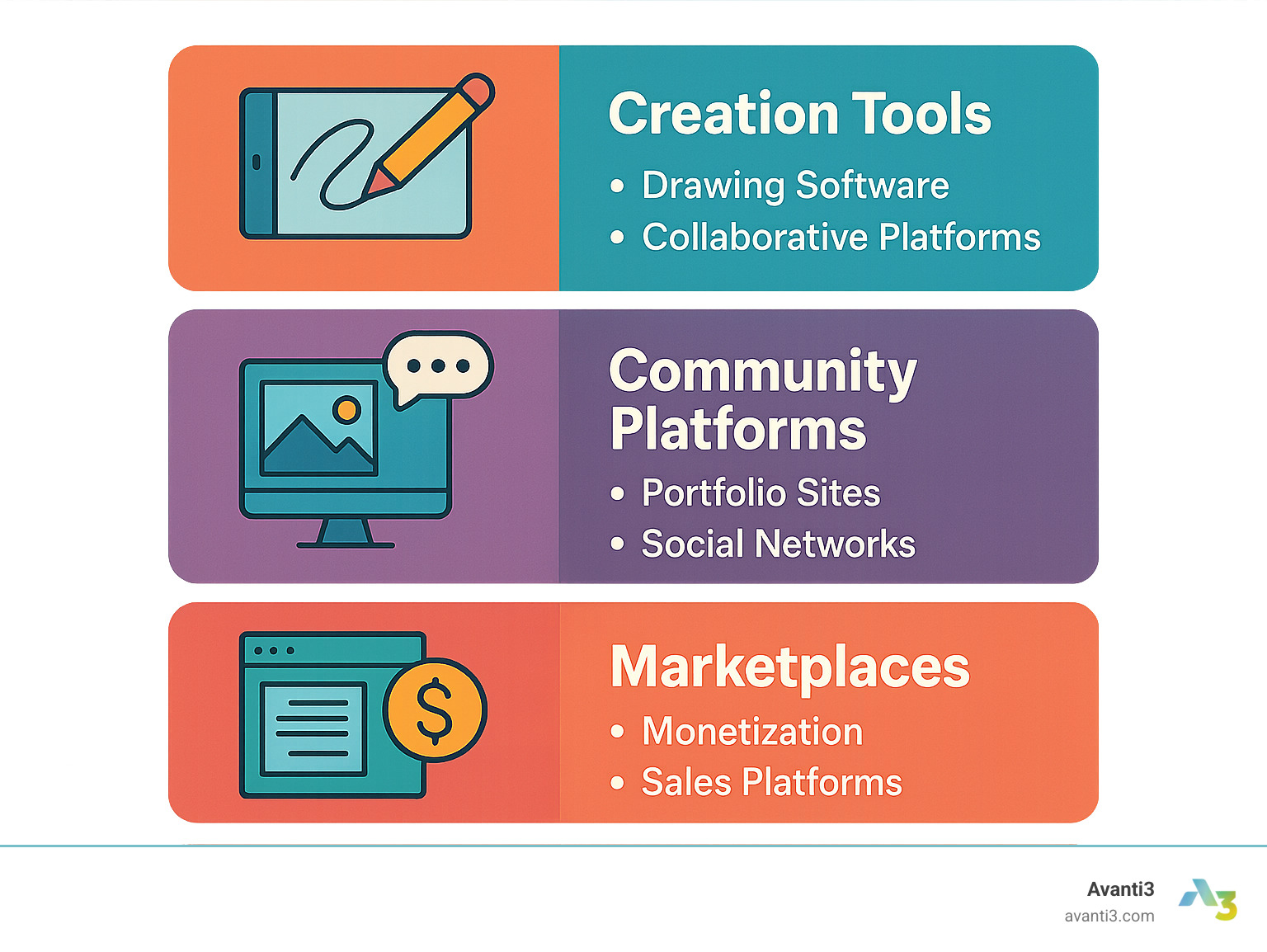
Digital art websites have transformed how artists create, share, and monetize their work in the modern creative landscape. Whether you’re looking for free creation tools, vibrant communities, or platforms to sell your art, here’s what you need to know:
Top Categories of Digital Art Websites:
- Creation Tools – Free and open-source programs, affordable web-based apps, collaborative drawing sites
- Community Platforms – Large community groups, professional portfolio showcases, social art networks
- Marketplaces – Major asset libraries with millions of resources, print-on-demand services, commission platforms
- Resource Hubs – Stock libraries, brush collections, tutorial sites
The numbers tell an incredible story. Some platforms offer professional-grade tools completely free, while collaborative platforms host millions of digital artists sharing work on shared canvases. Certain community groups have thrived for over a decade with thousands of active members.
From AI-powered generation tools creating billions of images to Web3 platforms enabling new monetization models, these websites aren’t just changing how art gets made — they’re redefining what’s possible for creators.
Digital art websites terminology:
Types of Websites for Creating Digital Art
The world of digital art websites feels like a vast creative playground, and it all starts with the tools you use to create. Whether you are sketching your first digital doodle or building a professional art career, finding the right creation platform is the first step. If you are unfamiliar with the broader field, the Wikipedia entry on digital art gives a concise historical overview.
You no longer need expensive software to create professional-quality digital art. Here are some of the best types of platforms to start with:
Types of Platforms for Community and Showcasing Your Work
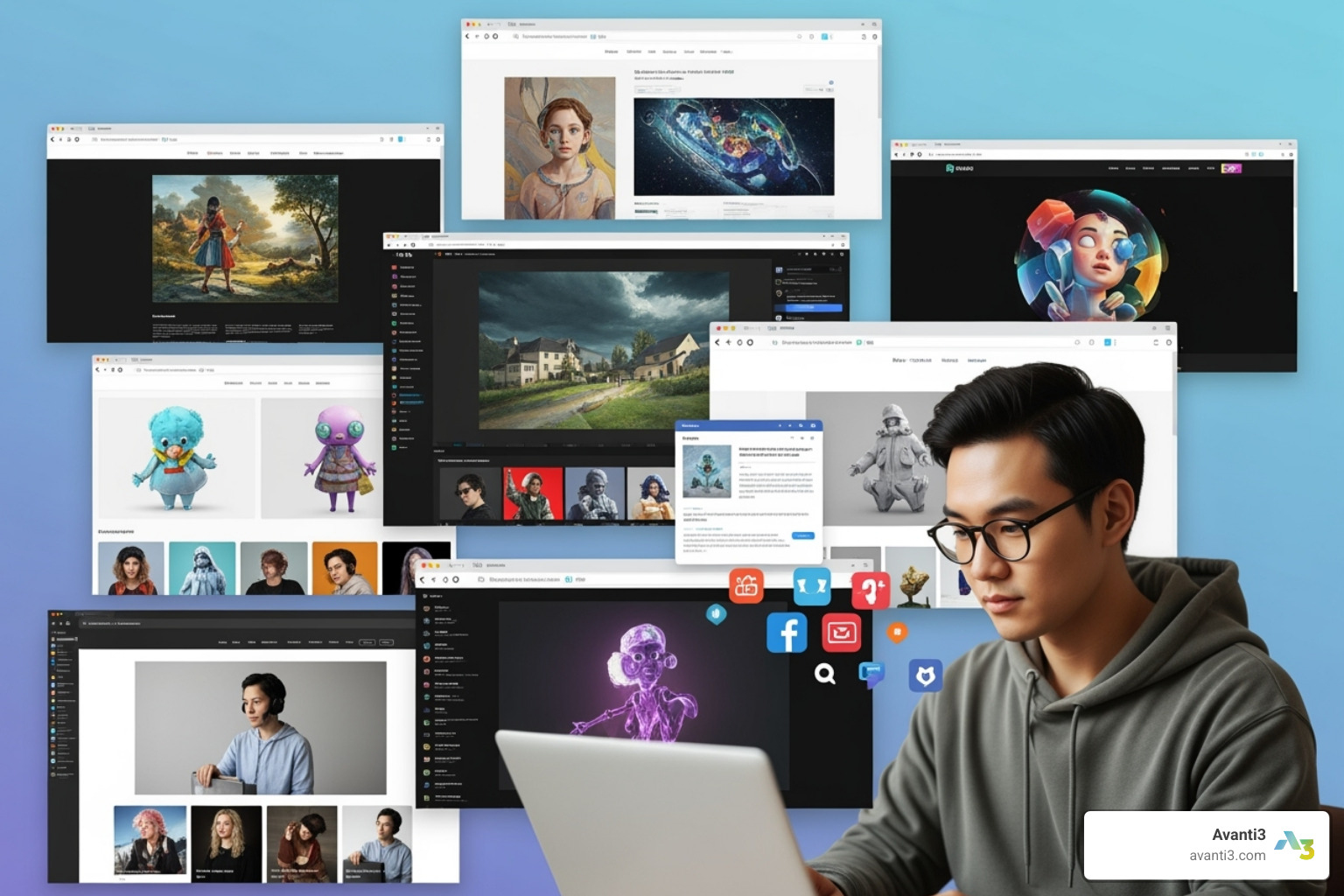
Creating art is only half the story — sharing it with the right audience completes the picture. The best digital art websites for showcasing your work function like global galleries and networking hubs, giving you the tools to build a following and connect with other creators.
Here are the main types of platforms to share your art and find your people:
- Professional Portfolio Sites: To get your work in front of recruiters and clients, a polished portfolio is key. Industry-standard portfolio sites offer high-resolution hosting, customizable galleries, and tools to integrate motion or 3D work.
- Social Art Networks: For building a following through interaction, social platforms are essential. Some social platforms have been cornerstones of the online art world for over two decades, while others have become powerhouses for visual artists to share work and engage with fans through posts, stories, and reels.
- Niche Community Hubs: Sometimes, a smaller, focused community is more powerful. Niche sites cater specifically to certain art styles, like pixel art, fostering deep engagement and accelerated skill sharing. These long-running digital art groups often support thousands of members and have generated hundreds of discussion threads about technique and opportunity.
At Avanti3, we have found that Web3 technologies can amplify these connections. When artists co-own digital assets, earn tokens for helpful contributions, or participate in decentralized creative projects, community bonds deepen. It is about creating real value for participation, not just surface-level engagement.
Types of Marketplaces for Monetizing Your Art
The shift from solitary creativity to vibrant online collaboration has also opened doors for monetization that many artists never imagined. Today’s digital art websites have become launching pads for careers and thriving businesses.
Here are some of the most popular types of marketplaces to sell your work online:
- Asset Marketplaces: The demand for high-quality digital assets is enormous. On major asset libraries, artists can sell everything from custom brushes and 3D models to photos and vector graphics to hundreds of thousands of paying customers.
- Print-on-Demand Services: Print-on-demand platforms are game-changers, letting artists sell physical products without handling inventory or shipping. Simply upload a digital file, and the service handles printing on merchandise like posters, t-shirts, and mugs, as well as fulfillment.
- Commission Platforms: To find custom work, artists can turn to marketplaces that streamline the commission process. While general freelance sites are popular, art-specific platforms offer custom tools for project briefs, secure payments, and milestone tracking.
- Direct-to-Fan Subscriptions: For building recurring revenue, subscription platforms let your biggest supporters fund your ongoing work in exchange for exclusive content or behind-the-scenes access.
NFTs and other Web3 mechanisms add another powerful revenue stream. Artists can sell unique digital assets, set automated royalties for secondary sales, and build decentralized communities around shared ownership. Avanti3 helps creators steer these opportunities while focusing on sustainability and community value.
The Future is Now: AI, Web3, and the Next Wave of Digital Art

The art world is experiencing change unlike anything we have seen before. Artificial intelligence, blockchain technology, and immersive experiences are not just changing how artists create—they are redefining what art can be and how creators connect with their audiences.
What makes this moment so exciting is the convergence of these technologies. Digital art websites are evolving from simple galleries into comprehensive creative ecosystems that combine AI-powered tools, blockchain ownership, and immersive experiences.
The Rise of AI in Art Creation
When AI-generated imagery first appeared, many artists felt threatened. Would machines replace human creativity? The answer has turned out to be much more nuanced. AI image generators now host billions of generative images, audio, and videos, and the most successful artists have learned to collaborate with AI, not compete against it.
Think of AI as a creative assistant. It excels at generating variations, exploring color palettes, and handling repetitive tasks—leaving human artists free to focus on intention, emotional depth, and cultural context.
Responsible platforms have addressed ethical concerns by promising not to use client uploads to train new models and by offering clear commercial licenses for AI-generated output.
At Avanti3, we have found that AI actually expands creative possibilities rather than limiting them. Early adopters often find unexpected workflows that breathe new life into their portfolios.
Web3 and the New Creator Economy
Selling art no longer requires gallery approval. Web3 technologies enable true digital ownership through blockchain, offering provable scarcity and automated royalty distribution.
Avanti3 provides creators with integrated tools for NFT minting, blockchain authentication, and community management. These features make transparent ownership records and automated licensing simple, turning digital assets into sustainable revenue streams.
Community tokens, exclusive access passes, and collaborative experiences create deeper connections between artists and supporters, shifting relationships from one-time purchases to long-term partnerships.
Adding 3D and AR layers makes the future even more immersive. Web-based 3D viewers now run smoothly in any modern browser, allowing artists to place digital sculptures in physical spaces via augmented reality and engage audiences in ways that transcend the traditional screen.
Navigating the Digital Space: Ownership, Attribution, and Best Practices
The world of digital art websites can feel like the Wild West—exciting but full of potential pitfalls. As an artist, understanding the legal landscape is essential for protecting your creative work and building a sustainable career.
Content ownership varies wildly from site to site. Some community-focused platforms may claim broad rights to use your work for promotional purposes, while professional portfolio hubs typically have terms that affirm you fully own the rights to anything you create, even when using their AI tools. Always read the fine print before posting.
Attribution requirements also differ. On resource hubs, premium subscribers can often omit attribution, whereas free users must credit the source platform. Think of it like borrowing a friends car versus renting—it is still their vehicle, but the terms change depending on how much you pay.
Privacy policies matter more than ever as platforms collect data about your creative process. When using AI tools, look for clear statements on whether your work will be used to train AI models or shared with third parties.
Commercial use rights determine whether you can monetize your art. Platforms that provide explicit commercial licenses remove guesswork, letting professionals accept client work confidently.
To safeguard your intellectual property, consider watermarking key pieces, archiving work-in-progress screenshots, and registering important collections with the appropriate agencies in your country.
The terms of service may be boring, but they are your roadmap. A few minutes of reading can prevent major headaches down the road.
Avanti3s Web3-based solutions bring transparency to this process. Immutable blockchain records confirm who created what and when, while automated licensing ensures creators are compensated whenever their assets change hands.
Knowledge is your best defense. By staying informed, you can focus on what you do best: creating art that moves and inspires people.
Conclusion
The world of digital art websites has grown into something truly remarkable. What started as simple drawing tools has blossomed into a thriving ecosystem where millions of creators connect, learn, and build sustainable businesses around their art.
These aren’t just numbers—they represent a fundamental shift in how we think about creativity and community. The landscape is vast and vibrant. Whether you’re creating with powerful free tools, building a professional portfolio on a specialized platform, engaging with massive online communities, or monetizing your work through a site’s marketplace, there has never been a better time to be a digital artist.
The technology driving this revolution continues to amaze us. AI tools are generating billions of images, helping artists explore creative possibilities they never imagined. Web3 technologies are creating entirely new ways for creators to own, share, and monetize their work. What seemed like science fiction just a few years ago is now part of everyday creative practice.
But here’s what really matters: the most successful artists aren’t just using these tools—they’re building genuine connections with their communities. They understand that digital art websites offer more than just creation tools. These platforms provide opportunities to learn from others, share knowledge, and create sustainable creative careers.
The future looks incredibly bright for digital artists. Whether you’re taking your first steps into digital creation or you’re a seasoned professional looking to expand your reach, the resources available today offer unprecedented opportunities. Free tools provide professional-grade capabilities, while community platforms connect you with millions of fellow creators worldwide.
At Avanti3, we’re excited to be part of this creative revolution. Our Web3 technologies, AI integration, and community-building tools are designed to help creators thrive in this new landscape. We believe the convergence of blockchain, artificial intelligence, and immersive technologies isn’t just changing how art gets made—it’s expanding what’s possible for creators who are ready to explore new frontiers.
Ready to take your digital art journey to the next level? Connect with the Avanti3 team to explore customized Web3 engagement solutions custom to your creative vision.