


7 Clever Ways to Lure Customers to Your Digital Platform
Why Getting Consumers Onto Your Digital Platform Is Harder Than Ever
The best incentives to make consumers go on digital platform adoption work are not always the ones you’d expect — and getting this wrong is expensive.
Here’s a quick snapshot of the most effective ones:
| Incentive Type | Best For | Key Benefit |
|---|---|---|
| Value-added rewards | Retention and brand loyalty | Preserves brand value vs. discounting |
| Gamification | App downloads and engagement | Creates urgency and repeat visits |
| Two-sided referral programs | Acquisition | Builds trust from day one |
| Tokenized/Web3 loyalty | Tech-savvy audiences | Ownership and long-term stickiness |
| Data privacy and transparency | All audiences | Reduces adoption friction |
| AR/VR and AI personalization | Premium engagement | Deepens the customer journey |
| Exclusive early access | Early adopters | Creates status and FOMO |
Getting people to join your platform is one challenge. Getting them to stay is another.
Research into digital ecosystems shows that consumers weigh trust, safety, and perceived value heavily before they ever sign up. Meanwhile, businesses are under pressure to grow fast — often defaulting to heavy discounting that quietly erodes the brand they’ve worked hard to build.
The result? High acquisition costs, low retention, and platforms that never quite reach critical mass.
There’s a smarter way to approach this.
I’m Samir ElKamouny, an entrepreneur and marketing expert who has spent his career helping businesses scale by combining big ideas with precise execution — including identifying the best incentives to make consumers go on digital platforms that actually convert and retain. In this guide, I’ll walk you through seven proven strategies you can start applying right now.
Learn more about best incentives to make consumers go on digital platform:
The Best Incentives to Make Consumers Go on Digital Platform
When we design incentive systems, we have to look at the big picture. Too many brands treat incentives as quick, isolated transactions. But a truly successful digital platform operates as a dynamic, self-organizing digital ecosystem where hardware, software, businesses, and consumers interact seamlessly.
To build a thriving ecosystem, we need to understand that incentives must evolve across the platform’s lifecycle:
- Inception: Attracting early adopters and industry leaders.
- Growth: Expanding the user base rapidly to achieve a network effect.
- Maturity: Preventing partner and customer churn.
- Renewal: Introducing new innovations to capture fresh markets.
At the same time, we must balance the structural differences between centralized platform ecosystems (which rely on transactional, platform-specific rewards) and decentralized digital ecosystems (which foster collaborative, technology-agnostic community building).
Understanding this distinction allows us to move away from lazy price discounting—which can make your brand look cheap—and move toward value-added incentives that build long-term loyalty.
1. Value-Added Rewards: The Best Incentives to Make Consumers Go on Digital Platform
If you want to protect your brand’s perceived value while driving adoption, value-added rewards are your secret weapon.
Traditional discounts slash your profit margins and train consumers to only buy from you when there is a sale. On the flip side, value-added rewards provide something of independent value—like a Virtual Reward Card, an exclusive digital gift card, or a unique lifestyle experience—without lowering the price of your core product.
This approach is highly effective because choice-based rewards platforms consistently outperform single-brand vouchers. When consumers get to choose a reward that aligns with their personal tastes, the perceived value of your platform skyrockets.
To learn more about how these modern shifts are changing consumer behavior, explore how Why Digital Incentives Are Replacing Traditional Rewards and read up on the latest trends in Digital Customer Incentives to Boost Sales in 2026. By integrating flexible Digital Incentives, you keep your brand premium while giving users a compelling reason to log in.
2. Gamification and Interactive Experiences
Let’s face it: we all love to play games, especially when there is a prize involved. Gamifying your onboarding process is one of the fastest ways to drive app downloads and capture high-quality consumer data.
Take the classic example of a physical-to-digital promotional campaign. By giving out physical game pieces or stickers with purchases that must be redeemed online or via a mobile app, brands create immediate gratification. This multi-channel approach builds community buzz and turns a boring transaction into an exciting event.
Implementing an interactive Digital Reward System keeps users coming back. Whether it is an instant-win digital scratch card, a progress bar showing how close they are to their next milestone, or mystery bonuses, interactive Virtual Incentives create a sense of urgency and fun that static platforms simply cannot match.
3. Personalized Referral Programs and Two-Sided Rewards
With paid advertising customer acquisition costs (CAC) skyrocketing by 60% over a five-year period, relying solely on paid ads is a losing game. Referred customers, however, arrive through trusted personal recommendations. This trust-based relationship makes them 25% more valuable on average and gives them an 18% lower churn rate.
To get the most out of your referral program, you should implement these three golden rules:
- Use Two-Sided Rewards: Consistently reward both the advocate and the new user. Roughly 78% of top brands utilize a two-sided reward model because it eliminates the social friction of “profiting” off a friend.
- Apply the “Rule of 100”: When designing your rewards, offer a percentage discount for items under $100 (e.g., “20% off”) and a flat dollar amount for items over $100 (e.g., “$25 off”) to maximize the perceived value in the consumer’s mind.
- Leverage Milestone Bonuses: Tiered and milestone-based referral bonuses generate 27% more referrals than flat-reward structures because they gamify the sharing process.
By combining these referral mechanics with a Personalized Customer Experience, you turn your existing users into a self-sustaining growth engine. This moves your business model Beyond Transactions A Deep Dive Into Consumer Brand Loyalty.
4. Web3 and Tokenized Loyalty Systems
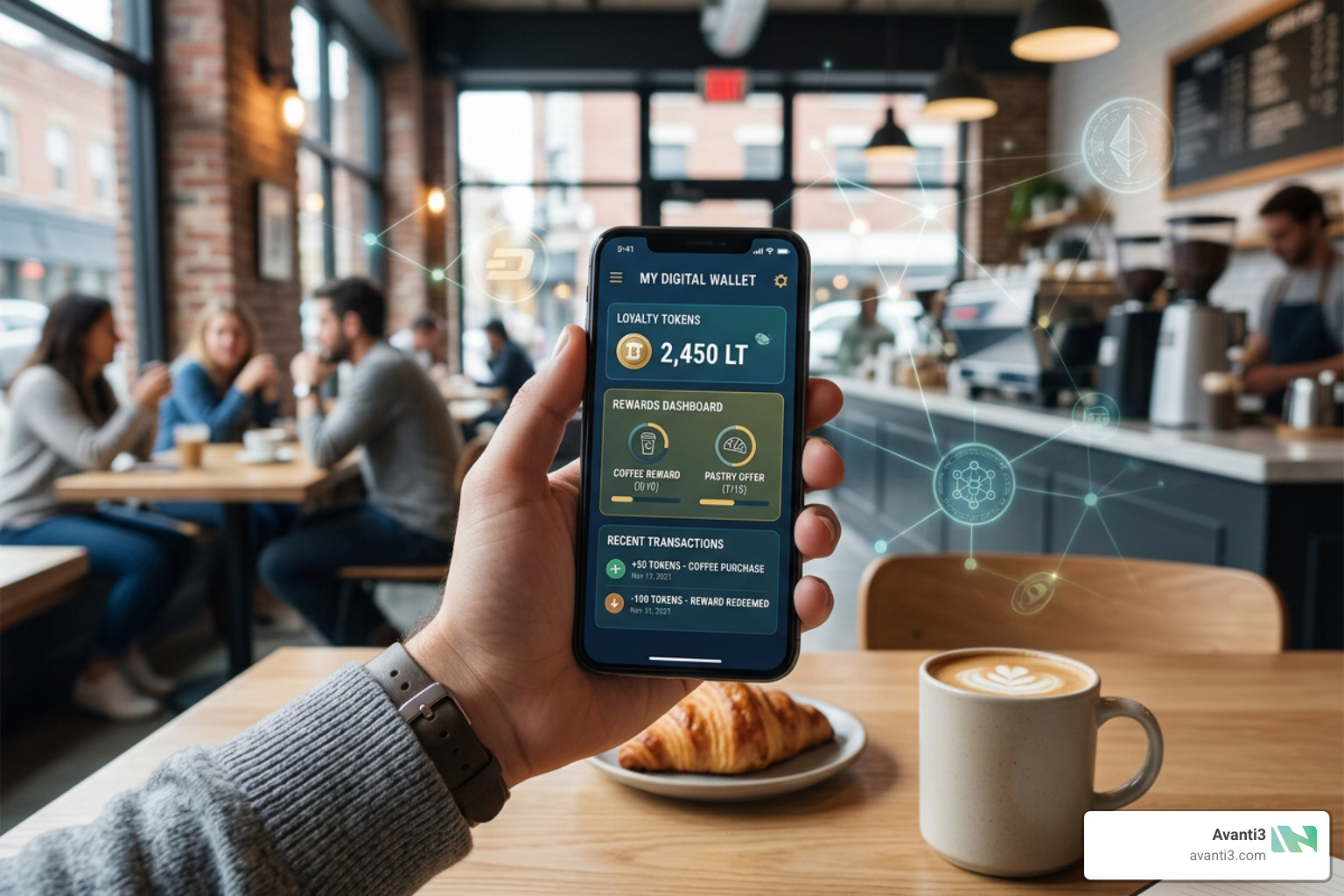
The future of digital loyalty lies in true digital ownership. Traditional loyalty points often feel like “fake money” that can be devalued or expired at the platform owner’s whim. Web3 and tokenized systems change this dynamic entirely by giving consumers actual ownership of their rewards.
By utilizing a Crypto Rewards Platform, brands can offer tokenized loyalty points or NFTs that users can trade, save, or redeem across an entire ecosystem of partner brands. This interoperability makes the rewards far more practical and valuable.
Implementing Loyalty Programs Using Blockchain also allows you to automate reward delivery using smart contracts, reducing administrative overhead while eliminating fraud. If you want to dive deeper into how decentralized technology is reshaping customer relationships, check out The Ultimate Guide To Tokenized Loyalty And Web3 Rewards.
5. Prioritizing Data Safety and Trust as the Best Incentives to Make Consumers Go on Digital Platform
While shiny rewards and fun games are great, they mean nothing if consumers do not trust your platform. In fact, a best-worst scaling study of German individuals exploring Smart Living digital ecosystems revealed that data safety and security exceeding legal requirements is the single most important second-tier consumer need.
The study highlighted what consumers care about most when deciding to join a digital ecosystem:
- Data safety and security exceeding legal requirements (Ranked 1st)
- Product safety and liability (Ranked 2nd)
- Transparency and technological literacy (Ranked 3rd)
There is a natural tension here: platforms want to collect data to personalize experiences, while consumers want to protect their privacy. You can solve this by being radically transparent about how you use data and giving users complete control over their information.
By framing data privacy as a core value proposition rather than a legal chore, you build an unbreakable bond with your users. For strategies on aligning consumer values with your business goals, read the Ultimate Guide to Consumer Incentives in Circular Business Models and learn how to master The Loyalty Loop How To Build Unbreakable Brand Bonds.
6. Immersive AR/VR and AI-Driven Engagement
Emerging technologies like Augmented Reality (AR), Virtual Reality (VR), and Artificial Intelligence (AI) offer incredible ways to elevate the customer journey. Instead of bombarding users with intrusive ads that drive them away, we can use these technologies to deliver non-intrusive, interactive value.
For example, an AI-driven digital assistant can personalize rewards in real-time based on predictive consumer behavior, ensuring that the incentives offered are always highly relevant. Meanwhile, AR marketing allows consumers to virtually interact with products in their own space before making a purchase decision.
Integrating these technologies into a unified Customer Engagement Platform helps you design a seamless, immersive Digital Customer Experience. This turns your platform from a simple transactional tool into an engaging destination that users genuinely enjoy visiting.
Conclusion: Elevating Your Platform Adoption Strategy

Luring consumers to your digital platform is not about offering the biggest discount; it is about orchestrating a cohesive system of incentives that align with your users’ needs for value, fun, trust, and personalization.
From a strategic business perspective, companies looking to join or build a digital ecosystem rank improving their value proposition as their most important goal, followed by customer loyalty and brand reputation. When analyzing these decisions through a Balanced Scorecard (BSC) framework, the customer perspective ranks as the most critical, followed closely by learning, growth, and collaboration opportunities.
At Avanti3, we specialize in helping brands navigate this shifting landscape. We integrate cutting-edge Web3 technologies—including NFTs, blockchain, AR/VR, and AI—to empower creators and brands with customizable engagement tools and fintech solutions. Whether you want to launch tokenized loyalty rewards or build immersive digital experiences, we are here to help you set a new standard in digital engagement.
Ready to transform your platform adoption strategy? Explore our Web3 Platform Solutions, discover the power of modern Digital Engagement Platforms, or Explore Avanti3 Technology Solutions to start building your ecosystem today.