

Beyond the Textbook: A Deep Dive into Augmented Reality in Education
Why Augmented Reality in Education Is Changing How We Learn
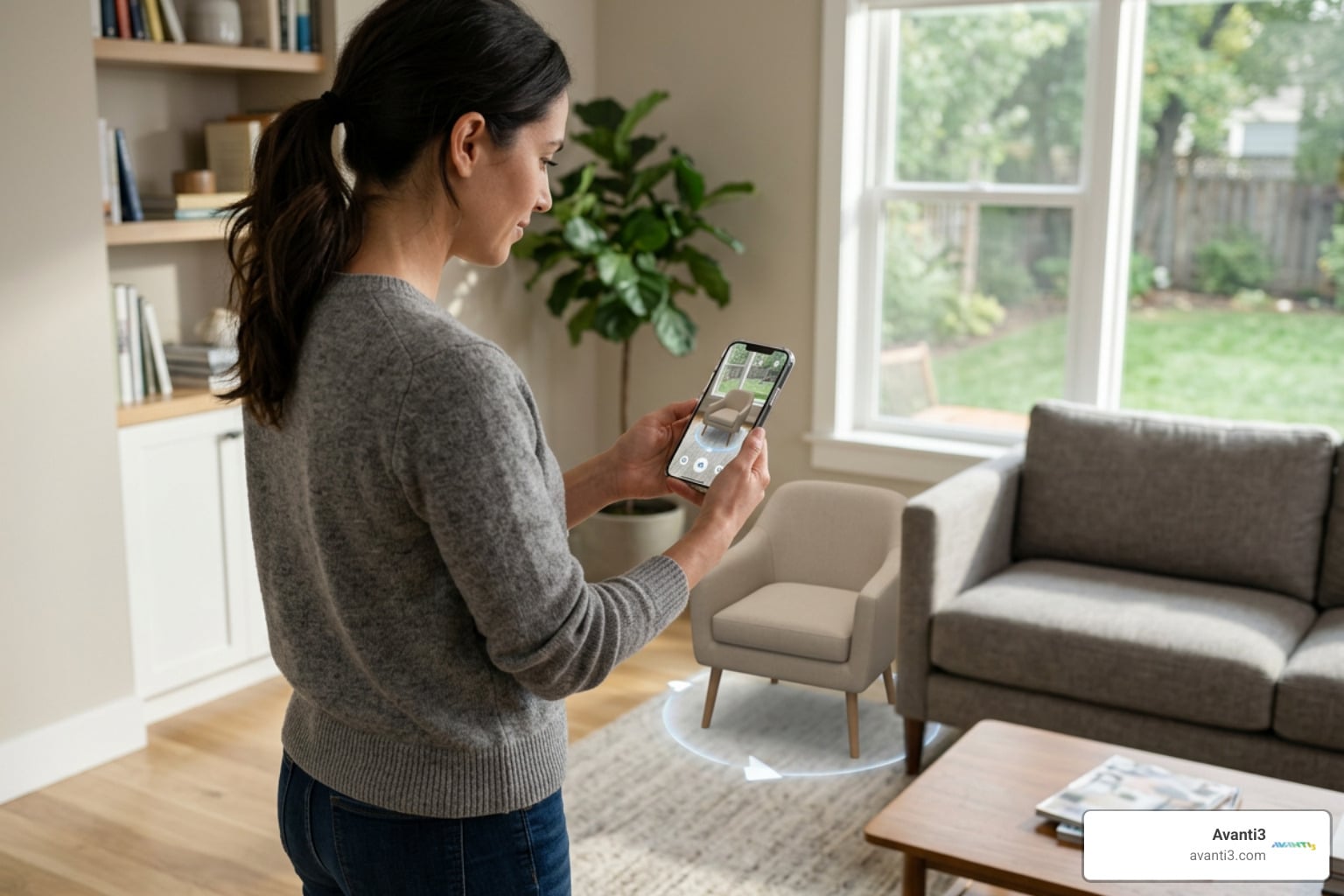
Augmented reality in education is a technology that overlays interactive 3D digital content onto the real world — letting students explore atoms, planets, human organs, and complex systems right from their desks, using a smartphone or tablet.
Here’s a quick snapshot of what you need to know:
- What it is: AR adds virtual elements to your real environment (unlike VR, which replaces it entirely)
- Who it’s for: Students from primary school through university, across subjects like science, math, history, and the arts
- Why it works: Learners using AR are up to 275% more confident applying skills, learn 4x faster, and are 3.75x more engaged than with traditional methods
- How it’s used: Through marker-based apps, mobile devices, and purpose-built platforms — no expensive headsets required
- Biggest challenge: Implementation — cost, device management, and teacher training remain real hurdles for many schools
The pace of change in education technology has been remarkable. What once sounded like science fiction — students holding a virtual human heart in the palm of their hand, or walking through an ancient civilization without leaving the classroom — is now happening in schools around the world. And the numbers back it up: the global AR in education market is projected to grow from $10.37 billion in 2022 to $68.71 billion by 2026, a staggering 60.4% annual growth rate.
This isn’t just hype. A systematic review of 53 academic studies found that AR consistently improves engagement and learning outcomes across multiple subjects and age groups. Students aren’t just more entertained — they’re learning more, retaining more, and feeling more confident about what they know.
I’m Samir ElKamouny, an entrepreneur and marketing expert who has spent years at the intersection of innovative technology and real-world impact — including helping brands and educators harness the power of augmented reality in education to create experiences that truly stick. In this guide, I’ll walk you through everything you need to know — from the core technology and proven benefits to practical implementation strategies and what’s coming next.
The Mechanics and Benefits of Augmented Reality in Education

To truly understand how AR is reshaping classrooms in 2026, we have to look under the hood. Unlike static textbook diagrams, AR creates a blended reality where interactive learning takes center stage. By overlaying digital graphics onto physical environments, AR reduces the cognitive load required to understand complex spatial concepts. Instead of forcing students to mentally translate a flat 2D drawing of a molecule into a 3D structure, AR does the heavy lifting, freeing up cognitive resources for deeper critical thinking.
What is Augmented Reality in Education and How Does It Differ From VR?
A common point of confusion is the difference between Augmented Reality (AR) and Virtual Reality (VR). While both are immersive technologies, they serve different pedagogical purposes and require different levels of investment.
| Feature | Augmented Reality (AR) | Virtual Reality (VR) |
|---|---|---|
| Immersion Level | Blends virtual elements with the physical environment. | Fully shuts out the physical world for complete digital immersion. |
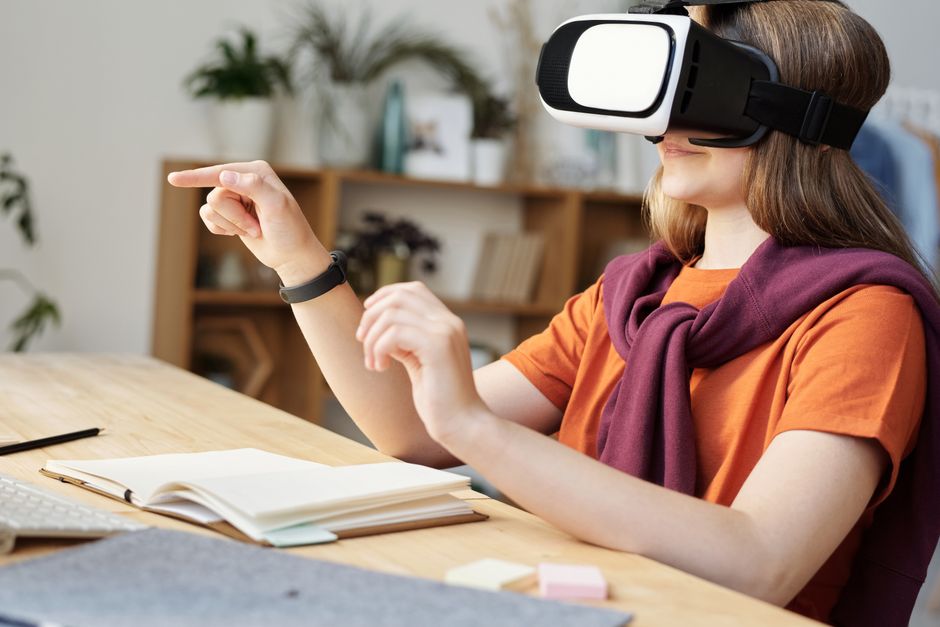
| Hardware Requirements | Highly accessible; operates on everyday smartphones, tablets, or smart glasses. | Requires dedicated head-mounted displays (HMDs) and controllers. |
| Physical Context | Keeps students grounded in the classroom, facilitating face-to-face collaboration. | Isolates the user, which is excellent for individual simulations but harder for group work. |
| Cost & Scalability | Low-budget entry point; scales easily using existing school or student devices. | Higher cost per unit; requires ongoing hardware and hygiene management. |
While VR excels at transporting students to entirely different worlds, AR is highly versatile because it enhances our existing reality. For a deeper look at how these technologies compare, check out our guide on Ar Technology Explained Solutions For A Blended Reality. Both approaches have their place in modern school systems, and you can explore how they complement each other in our overview of Ar And Vr Experiences.
The Core Technologies Powering Augmented Reality in Education
AR applications generally rely on four primary delivery methods:
- Marker-Based AR: This method uses physical “markers”—such as printed QR codes, custom cards, or images in a textbook—to trigger a 3D overlay. When a student points a tablet camera at the marker, the software instantly renders a 3D object on top of it.
- Markerless AR (Location/Plane-Based): Rather than scanning a specific image, markerless AR uses the device’s sensors (like GPS, gyroscopes, and cameras) to recognize flat surfaces like a classroom desk or floor. Students can place a life-sized virtual engine or historical monument directly in the room and walk around it.
- Projection-Based AR: This technology projects digital light onto physical surfaces. A classic example is the interactive AR sandbox used in geography lessons, where real sand is illuminated with real-time topographical color maps that adjust as students reshape the mounds.
- Superimposition-Based AR: This approach replaces or augments a portion of an existing object. For example, pointing a device at a physical skeleton might overlay a dynamic visualization of the human circulatory system.
To build these experiences, developers rely on powerful frameworks. Tools like Unity 3D serve as the rendering engine, while software development kits (SDKs) like Vuforia handle the heavy lifting of tracking markers and surfaces. If you are interested in how these elements are designed, read our breakdown of Ar Content Creation.
For an advanced real-world example of these technologies in action, researchers have developed systems like the Augmented Reality as a Tool for 5G Learning: Interactive Visualization of NSA/SA Architectures and Network Components. This application uses marker-based anchoring to let engineering students visually dissect complex 5G network topologies, proving that AR is just as valuable in higher education as it is in primary classrooms.
Key Benefits: Engagement, Visualization, and Learning Outcomes
The benefits of augmented reality in education extend far beyond “cool” classroom presentations. The data gathered over the last few years highlights a profound impact on student performance and focus:
- 275% More Confident: Learners are significantly more confident applying skills they practiced in AR compared to traditional classroom methods.
- 4x Faster Learning: Immersive visual training allows students to grasp complex spatial concepts four times faster than traditional e-learning peers.
- 3.75x More Engaged: The interactive, gamified nature of AR keeps students deeply absorbed, minimizing typical classroom distractions.
A major reason for this success is a pedagogical concept known as embodied cognition. This theory suggests that our physical movements and sensory experiences are deeply linked to how we process and store information.
According to a landmark study on the Embodied learning of science concepts through augmented reality technology, AR naturally encourages students to physically move around tables, use hand gestures, and view 3D models from multiple angles. This physical interaction anchors abstract concepts—like molecular bonding or gravitational pull—into tangible, memorable experiences.
Furthermore, because students are still looking at each other rather than being closed off in a headset, AR preserves critical non-verbal communication cues like facial expressions and collaborative gestures. For more on how immersive technology upgrades the standard classroom setup, explore why Vr For Learning Is The Ultimate Classroom Upgrade.
Implementing and Evaluating AR in Modern Classrooms

Bringing AR into schools requires moving past the novelty phase and focusing on structured integration. To make a lasting impact, AR must be treated as a core pedagogical tool rather than a Friday afternoon reward.
Successful Subject Implementations and Use Cases
AR is making waves across a wide array of academic disciplines:
- STEAM & Design: By combining AR with tools like Tinkercad, students can design 3D objects, evaluate their spatial scale and details in AR, and then send them to a 3D printer. This bridge between digital design and physical manufacturing is widely detailed in the study Frontiers | Enhancing STEAM education through augmented reality: the EduAR open platform experience, which highlights how open educational resources democratize access to quality STEM tools.
- Physics and Chemistry: Students can safely simulate volatile chemical reactions or experiment with density and thermodynamics by dragging virtual components into interactive “docking zones.”
- Language Arts: For younger learners, AR books bring vocabulary to life. Scanning a word like “elephant” can launch a life-sized, animated 3D animal complete with sounds, turning abstract symbols into concrete concepts.
For schools looking to build custom curriculums, investing in tailored Ar Apps Development allows educators to align digital experiences directly with national learning standards.
Overcoming Implementation Challenges and Technical Barriers
Despite its massive potential, scaling augmented reality in education is not without its obstacles. The main hurdles include:
- Device Management: Keeping dozens of tablets charged, updated, and secured can overwhelm school IT staff. Utilizing specialized Mobile Device Management (MDM) solutions is essential to lock down devices, prevent students from accessing unauthorized apps, and push curriculum updates simultaneously.
- Budget Constraints: While AR is much cheaper than VR, purchasing class sets of tablets still requires careful planning. Schools can offset costs by selecting multi-purpose devices or taking advantage of open-source platforms.
- Teacher Training: Many teachers feel intimidated by new software. Successful rollouts must include structured professional development, emphasizing that teachers do not need to be technical experts—they just need to facilitate student-led exploration.
- Hygiene Protocols: If devices or basic headsets are shared between classes, schools must implement strict cleaning protocols, such as UV-C sanitizing carts, to ensure a safe learning environment.
Understanding these challenges early on is crucial. If you are preparing to implement these tools, our guide on Ar Experience Design What Its Like And How To Get Started provides an excellent roadmap. For a comprehensive look at how schools navigate these logistics, refer to the industry insights found in Augmented Reality in Education: Examples, Benefits, & Use Cases.
Evaluating AR Effectiveness: Subjective vs. Objective Assessments
How do we know if AR is actually working? Historically, schools relied on subjective surveys asking students if they “enjoyed” the lesson. While student satisfaction is important, modern digital pedagogy demands objective data.
To get an accurate picture, we must look at a mix of assessment methods:
- Objective Metrics (PEQs): Integrating Performance Evaluation Quizzes directly into the AR app allows educators to test students immediately after an interaction. For instance, after manipulating a virtual 3D molecule, the student must complete a brief interactive quiz to demonstrate their understanding of its bonds.
- Granular Interaction Tracking (xAPI): By implementing the Experience API (xAPI) standard, schools can track detailed user interactions in a Learning Record Store (LRS). This data records semantic “actor-verb-object” statements (e.g., “Student A rotated the 5G antenna model for 45 seconds” or “Student B failed the third step of the chemistry lab twice”).
To see how researchers analyze this type of interaction data to improve software design, you can explore the Dataset of user interactions across four large pilots on the use of augmented reality in learning experiences.
At Avanti3, we specialize in bridging the gap between cutting-edge technology and real-world application. We help institutions and forward-thinking organizations build custom Ar Vr Immersive Experiences that are engaging, measurable, and highly effective. By combining interactive design with robust data tracking, we ensure that every digital upgrade delivers clear, quantifiable educational value.
Ready to take your educational tools or brand engagement to the next level? Explore our custom Avanti3 AR/VR Immersive Experiences and discover how we can help you build the classroom of the future today.