

The Best Platforms to Unify Your Marketing Chaos
Why Choosing the Right Omnichannel Marketing Platform Can Make or Break Your Growth
Finding the best omnichannel marketing platform for your business comes down to a few key factors:
| What to Look For | Why It Matters |
|---|---|
| Unified customer data (CDP) | One profile per customer across all channels |
| Cross-channel automation | Email, SMS, push, WhatsApp from one place |
| AI-powered personalization | Right message, right channel, right time |
| Real-time analytics & attribution | Know what’s actually driving revenue |
| Scalability & integrations | Grows with your stack and your audience |
Your customers don’t think in channels. They just want a seamless experience — whether they’re opening an email, tapping a push notification, or browsing your site after seeing an ad. When those touchpoints feel disconnected, the cost is real: 59% of consumers stop engaging with a brand after several bad experiences, and 17% walk away after just one.
The good news? Brands that get omnichannel right see dramatically better results. Marketers running campaigns across three or more channels earn a 494% higher order rate than those focused on a single channel.
But with dozens of platforms claiming to “unify everything,” it’s hard to know which one actually delivers.
This guide breaks down the top omnichannel marketing platforms — what they do, how they compare, and which one fits your specific situation.
I’m Samir ElKamouny, an entrepreneur and marketing expert who has spent years helping brands scale through smarter customer engagement strategies, including building and optimizing omnichannel marketing platform stacks for businesses across industries. In this guide, I’ll cut through the noise and give you a clear, honest comparison so you can make a confident decision.
Similar topics to omnichannel marketing platform:
What an Omnichannel Marketing Platform Actually Does
At its core, an omnichannel marketing platform is the “brain” of your customer interaction strategy. Unlike traditional tools that manage email or SMS in silos, this platform unifies every touchpoint into a single, coordinated journey. It uses identity resolution to merge data from various devices—phones, laptops, and even in-store kiosks—to ensure you recognize “Sarah the shopper” whether she’s on Instagram or opening her inbox.
The goal is to eliminate the “personalization gap.” We’ve all been there: you buy a pair of shoes in-store, only to be chased around the internet by ads for those exact same shoes for the next two weeks. That’s a multichannel failure. An omnichannel platform prevents this by updating customer profiles in real-time, ensuring your digital customer experience remains relevant and helpful, not annoying.
Omnichannel vs. multichannel: the difference that affects revenue
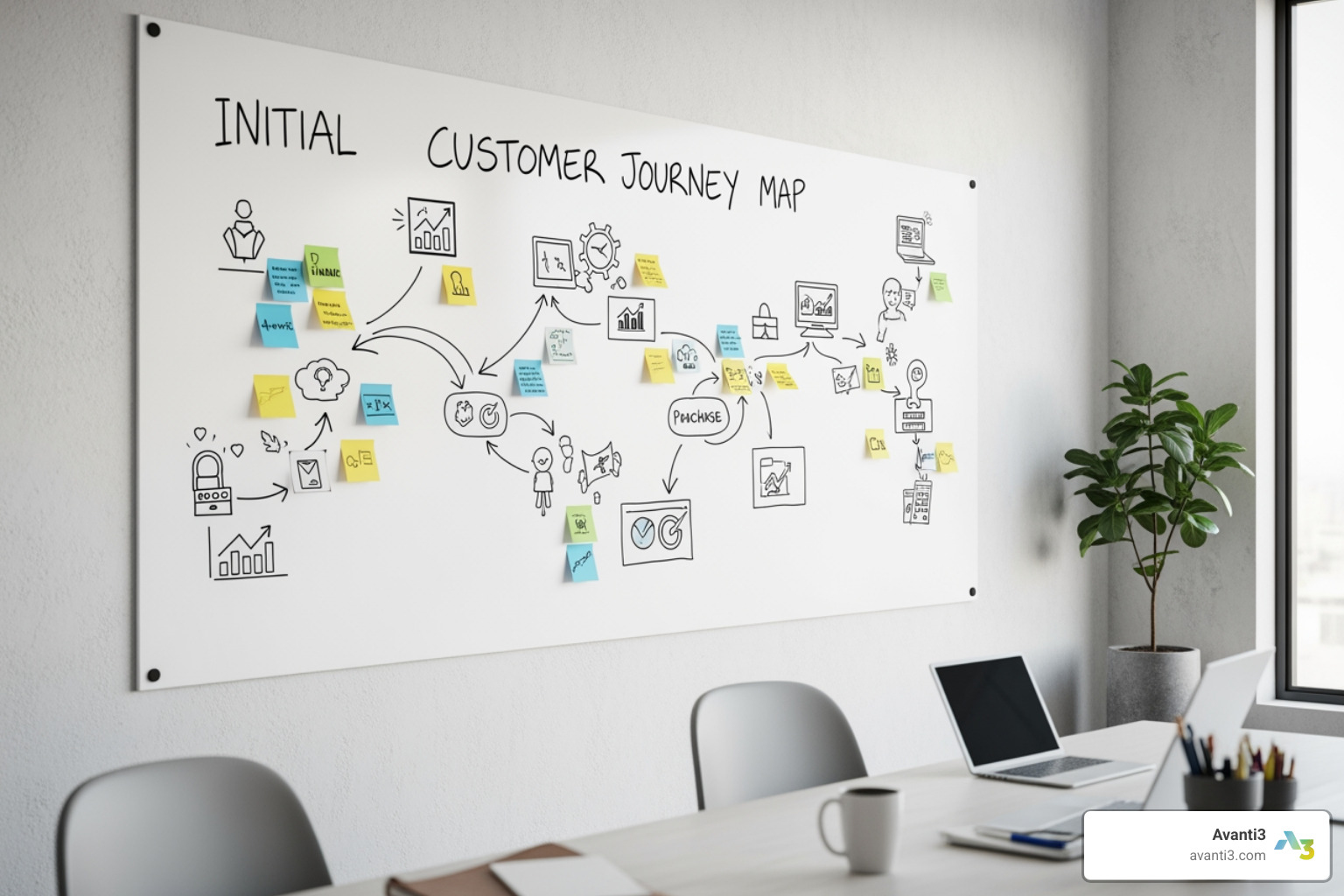
It’s easy to confuse the two, but the distinction is vital for your bottom line. Multichannel marketing is about being everywhere—having a Facebook page, an email list, and a website. However, these channels rarely talk to each other. Omnichannel marketing, as defined by Wharton Executive Education, focuses on the customer journey across platforms rather than the platforms themselves.
When you break down the silos, the numbers speak for themselves:
- Order Rates: Using 3+ channels leads to a 494% higher order rate.
- Customer Advocacy: Value-enhancing experiences create a 97% probability of positive word-of-mouth.
- Retention: Businesses with strong omnichannel engagement see an 82% probability of customer retention.
- The Risk: 76% of consumers get frustrated when personalization fails.
By moving away from “spray and pray” and toward a customer engagement solutions complete guide approach, you stop losing the 17% of customers who walk away after just one bad, disconnected experience.
The core benefits of an omnichannel marketing platform for growing brands
Why invest in a heavy-duty omnichannel marketing platform? In 2026, it’s no longer a luxury; it’s an operational necessity.
- Conversion Lift: Companies excelling at personalization generate 40% more revenue from those activities.
- Reduced Messaging Fatigue: Smart frequency caps ensure you don’t bombard a customer on SMS, Email, and Push simultaneously.
- Operational Visibility: Instead of checking five different dashboards, you see one source of truth.
- Real-Time Triggers: If a customer abandons a cart, the platform can check their “channel affinity”—knowing they are more likely to open a WhatsApp message than an email—and route the reminder accordingly.
How to Compare the Best Omnichannel Marketing Platform Options
Choosing a platform is like picking a co-pilot for your brand. You need to look past the flashy UI and check the engine. In May 2026, the market is split between “all-in-one” giants and specialized “best-of-breed” orchestrators.
When evaluating your options, consider how different solutions cater to specific business needs. Some platforms excel at high-volume mobile engagement and real-time streaming data, while others are built for complex enterprise data stacks and global connectivity. The key is finding a tool that offers deep data integration and AI-driven journey optimization tailored to your primary audience, whether you are a fast-growing DTC brand or a global conglomerate.
Essential features every omnichannel marketing platform should include
When evaluating your options, ensure your customer engagement platform includes these “must-haves”:
- Built-in CDP: A unified data model that updates in milliseconds.
- No-Code Journey Builder: Marketers should be able to build complex flows without waiting for a developer ticket.
- Native Channel Support: This includes Email, SMS/MMS, Push, WhatsApp (the world’s #1 messaging app), and even direct mail.
- Identity Resolution: Merging anonymous site visitors with known customers once they sign up.
- Privacy Controls: Built-in GDPR and TCPA compliance to manage consents globally.
How an omnichannel marketing platform powers personalization, automation, and real-time engagement
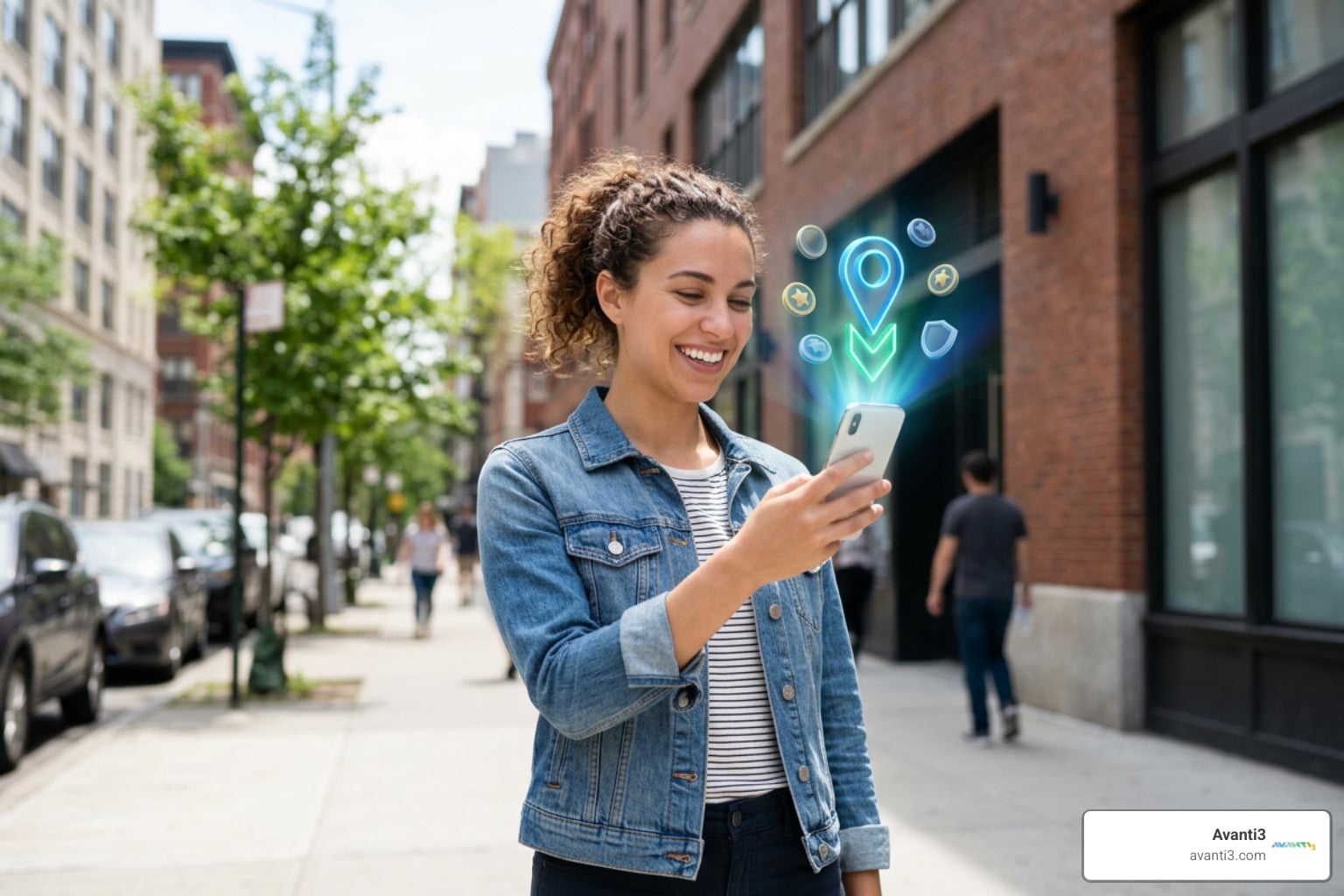
Modern platforms use “streaming data” to act instantly. Imagine a customer walking past your physical store; geofencing triggers a push notification with a personalized discount based on their online “wishlist.” This isn’t science fiction—it’s standard digital engagement platforms functionality in 2026.
By leveraging channel affinity, the platform learns that Sarah prefers SMS for shipping updates but Email for weekly newsletters. This level of digital audience engagement complete guide ensures your message isn’t just seen—it’s welcomed.
AI’s role in the modern omnichannel marketing platform
AI has moved beyond simple chatbots. Today’s platforms utilize Agentic AI—autonomous systems that don’t just suggest a subject line but actually manage budget pacing and audience selection.
- Predictive Analytics: Predicting Churn Risk and Customer Lifetime Value (CLTV) before the customer even thinks about leaving.
- Autonomous Optimization: AI-led testing identifies the ideal creative, send time, and channel mix for an “Audience of One.”
- Anomaly Alerts: If your conversion rate drops suddenly on mobile, AI surfaces the issue before your team even notices the dip.
How to measure ROI and choose the right platform for your stage
Measuring success requires moving past “last-click” attribution. Leading platforms offer retroactive multi-touch attribution. This allows you to see how a Facebook ad three weeks ago influenced an SMS purchase today.
When choosing, consider your “marketing coordination tax”—the time your team spends syncing data between tools. If you’re spending 5+ hours a week just moving lists around, you’ve outgrown your current stack. The key is to look for “plug-and-play” templates that reduce implementation time from months to weeks. Check out our digital engagement strategy guide to see if your current approach is holding you back.
Best-Fit Use Cases, Trends, and the Smarter Next Step
The versatility of an omnichannel marketing platform means it looks different for every industry:
- Retail: Buy online, pick up in-store (BOPIS) with automated SMS notifications when the order is ready.
- B2B: Using webinars to trigger personalized LinkedIn ads and follow-up case studies via email.
- Loyalty: Integrating digital rewards systems where points are updated in real-time across apps and web.
Real-world omnichannel success examples and what they have in common
Success in omnichannel marketing isn’t about the biggest budget; it’s about the best data coordination.
- Fashion Brands: Some have seen a 23% YoY boost in SMS revenue within just 70 days by integrating text with their email flows.
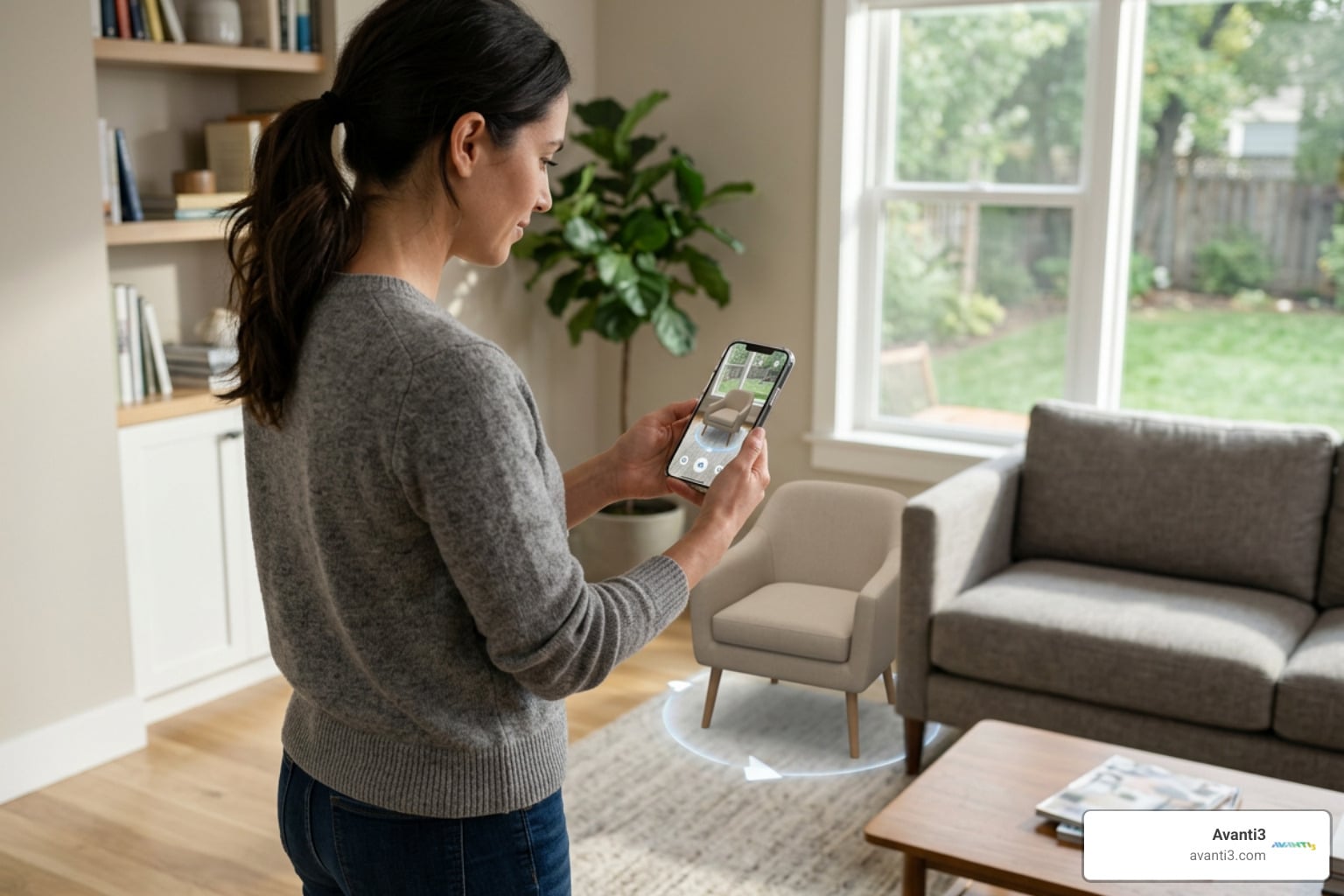
- Beauty Retailers: Using AR (Augmented Reality) for virtual try-ons that then trigger personalized “restock” reminders via push notifications.
- Personal Care: Brands that consolidated their tools often report a 60% reduction in campaign setup time, allowing one person to do the work that previously required a team of four.
The common thread? They all moved away from fragmented tools and toward a brand engagement platform complete guide philosophy.
Final verdict: choose the platform that unifies data, decisions, and digital engagement
In the world of 2026, “good enough” marketing is a recipe for churn. To stay competitive, you need an omnichannel marketing platform that doesn’t just send messages but orchestrates experiences.
At Avanti3, we believe the future of engagement lies in the intersection of AI, real-time data, and emerging tech. Whether you are looking into digital engagement solutions or exploring how Web3 and NFTs can enhance your loyalty program, the foundation must be a unified customer view.
Before you sign a contract, ask yourself:
- Does this platform have a single customer record for all channels?
- Can my marketing team build segments without calling an engineer?
- Is the attribution native, or is it “stitched together” from third-party tools?
If the answer to any of these is “no,” keep looking. Your growth depends on it. Ready to stop the chaos? Explore our digital brand solutions to see how we can help you build a strategy that actually scales.