

Why Your Digital Engagement Strategy is Probably Outdated
Your Digital Engagement Strategy Is Falling Behind — Here’s Why It Matters
Digital engagement technology is the collection of tools, platforms, and systems businesses use to connect with customers across digital channels — from SMS and live chat to AI-powered personalization and immersive experiences.
Here’s a quick snapshot of what it covers:
| Category | What It Includes |
|---|---|
| Channels | Email, SMS, WhatsApp, social media, live chat |
| Tools | CRM, chatbots, co-browsing, push notifications |
| Strategy | Omnichannel journeys, personalization, A/B testing |
| Measurement | NPS, CSAT, CTR, conversion rates, revenue attribution |
The stakes are real. Research from Gartner projects that by 2026, 40% of customer service organizations will become profit centers by leading in digital customer engagement. Meanwhile, 88% of customers say good service makes them more likely to buy again — and 53% now prefer to engage digitally over any other channel.
Yet most businesses are still running strategies built for a world that no longer exists.
Customer expectations have accelerated fast — especially since the pandemic pushed nearly everyone online. Today’s customers don’t just want seamless digital experiences. They expect them at every touchpoint: research, purchase, support, and beyond. If your engagement approach feels like it was designed in 2019, it probably was.
The gap between where businesses are and where customers expect them to be is widening every year. The good news? The right technology closes that gap quickly.
I’m Samir ElKamouny — entrepreneur and marketing strategist who has helped scale countless businesses using cutting-edge digital engagement technology to build loyal audiences and drive sustainable revenue. In this guide, I’ll walk you through exactly what’s changed, what tools and strategies are working in 2026, and how to build an engagement system that actually keeps up.
Explore more about Digital engagement technology:
Mastering Modern Digital Engagement Technology
To succeed in 2026, we have to move past the “one-off campaign” mindset. Modern engagement isn’t a series of emails; it’s a continuous loop of value. We focus on Digital Engagement Solutions that treat every interaction as part of a larger story.
The foundation of any modern strategy rests on the “3 C’s”:
- Consistent: Whether a customer talks to us on WhatsApp or visits our website, the brand voice and data must remain the same.
- Compelling: Content shouldn’t just exist; it should prompt a reaction. If it’s not interactive, it’s invisible.
- Contextual: We use real-time data to ensure the message fits the moment. Don’t send a discount code for a product the customer just bought ten minutes ago.
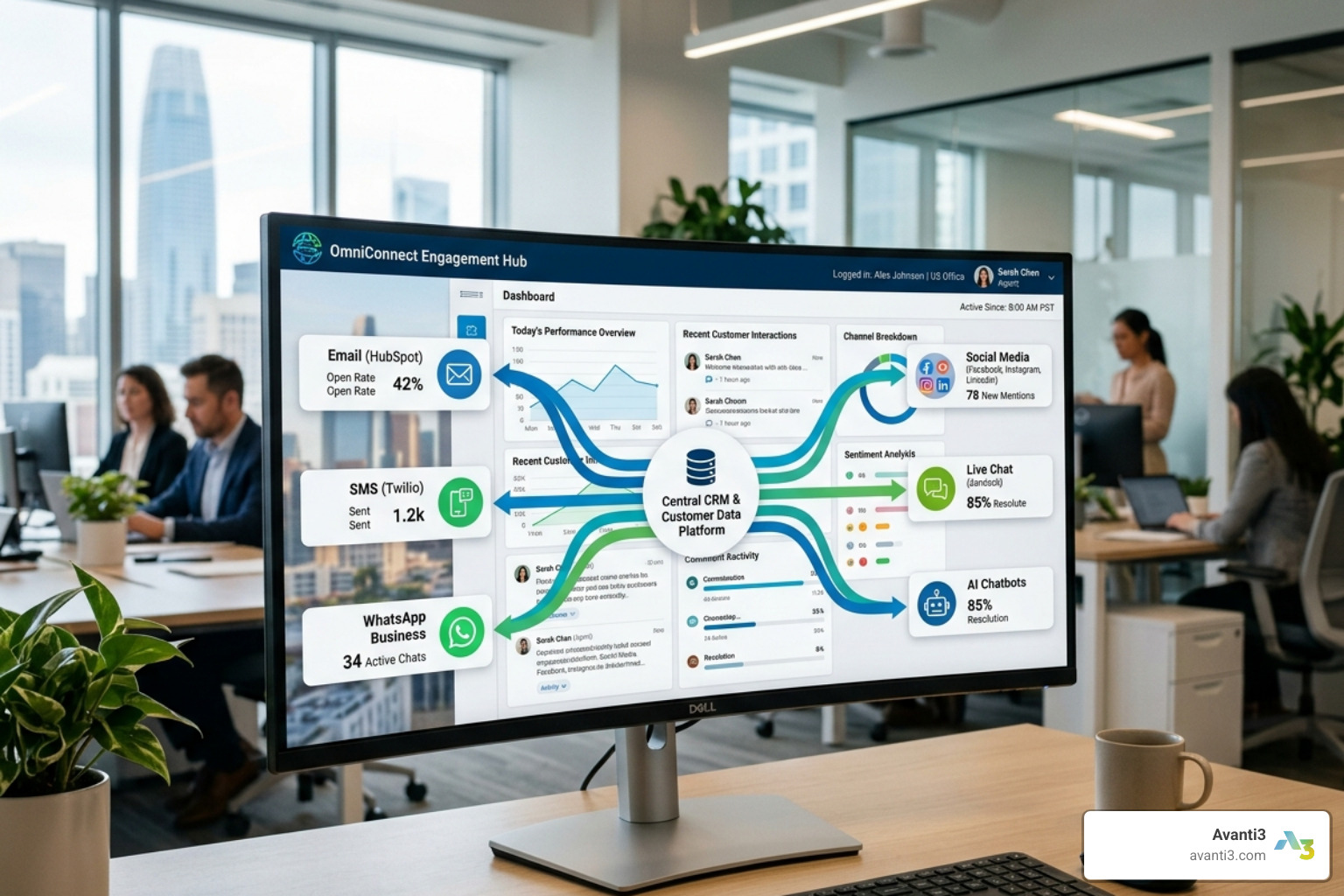
By leveraging digital engagement technology, we achieve omnichannel unification. This means our team has a “single source of truth.” No more asking customers to repeat their order number three times. With cloud-based tools, we scale our support and engagement instantly, handling thousands of simultaneous conversations without losing that personal touch.
Defining Digital Customer Engagement in a Post-Pandemic World
The pandemic was the ultimate “digital accelerant.” It turned a decade of projected digital transformation into a two-year sprint. Today, we view Digital Experience Design as the replication of person-to-person interactions through technology.
It’s helpful to think of your business as having a “digital body” (your channels and apps) and a “modern knowledge brain” (your data and AI). Without the brain, the body just flails.
Effective engagement today covers the entire audience lifecycle:
- Reactive Service: Solving problems when they arise.
- Proactive Service: Preempting issues before the customer even notices (e.g., a notification that a shipment is delayed before they check the tracking).
- Advice and Coaching: Providing value-added content that helps the customer succeed with your product.
Key Drivers of Effective Digital Engagement Technology
Why do some brands feel like a friend and others feel like a robot? It comes down to Digital Brand Engagement. We’ve found that the most successful strategies in 2026 are driven by:
- Emotional Connection: Using data to understand not just what a customer bought, but why.
- Mobile-First Mindset: 74% of customers expect to do anything online that they can do in person. If your mobile experience is a “lite” version of your desktop site, you’re losing.
- Cultural Tailoring: Messaging that resonates in Sydney might fall flat in New York. Modern tools allow us to localize content at scale.
- Active Listening: We don’t just broadcast; we monitor social sentiment and feedback loops to adjust our strategy in real-time.
Essential Digital Engagement Technology Tools for 2026
Choosing the right stack is half the battle. We no longer rely on just a CRM; we need an integrated engine.
| Tool Type | Primary Function | Why It’s Essential in 2026 |
|---|---|---|
| Modern CRM | Centralized Data | Provides the 360-degree view needed for personalization. |
| AI Chatbots | Instant Resolution | Handles 80% of routine queries, freeing humans for complex tasks. |
| Co-browsing | Real-time Support | Allows agents to see the customer’s screen and guide them through forms. |
| Web3 Platforms | Community & Ownership | Uses NFTs and blockchain for exclusive rewards and fan monetization. |
| SMS/WhatsApp | High-Open Campaigns | Boasts 98% open rates compared to the declining reach of email. |
By using Digital Engagement Platforms, we can launch no-code campaigns with behavioral triggers. If a user spends three minutes on a pricing page, we can trigger a live chat invitation or a personalized WhatsApp nudge.
Building a High-Impact Strategy for the Future
Strategy is where the rubber meets the road. Many businesses suffer from “tool sprawl”—they have twenty different apps that don’t talk to each other. Our goal is to implement AI Customer Engagement that unifies these tools into a single workflow.
Successful implementation requires:
- Strategy Definition: What are we actually trying to achieve? (e.g., 20% increase in retention).
- Change Management: Training our teams to use new tools. 84% of contact center agents feel their current tools don’t actually help them solve issues. We need to fix that.
- Self-Service Governance: Giving customers the power to find their own answers through robust, AI-powered knowledge bases.
The Role of AI, Personalization, and Omnichannel
In 2026, personalization is no longer a “nice to have.” 73% of customers expect companies to understand their unique needs. We use AI Digital Marketing to leverage first-party data for dynamic content generation.
However, we must remember that 80% of customers still think it’s important for humans to validate AI outputs. We use “Intelligent Routing” to ensure that if an AI can’t solve a problem, the customer is seamlessly passed to a human specialist who has the full context of the conversation. This creates a frictionless experience where the customer never has to repeat themselves.
Measuring Success and Overcoming Common Challenges
How do we know if our digital engagement technology is working? We look beyond simple clicks. We focus on Digital Community Building metrics:
- Net Promoter Score (NPS): Are they likely to recommend us?
- Customer Effort Score (CES): How easy was it for them to get what they needed?
- Revenue Attribution: Can we link an SMS campaign directly to a purchase?
The biggest challenges we face are data silos and privacy concerns. With regulations like GDPR, we must ensure our systems are secure. Unified platforms help here by centralizing data protection rather than having it scattered across ten different vendors.
Emerging Trends: From Web3 to Immersive Experiences
As we look toward the end of 2026, the horizon is dominated by Web3 and immersive tech. This is where we at Avanti3 specialize. We are moving away from platforms that optimize for algorithms and toward platforms that optimize for people.
Through Digital Fan Engagement and Digital Community Building 2, we are helping brands and creators leverage:
- NFTs and Blockchain: Providing fans with digital proof of loyalty that unlocks real-world rewards.
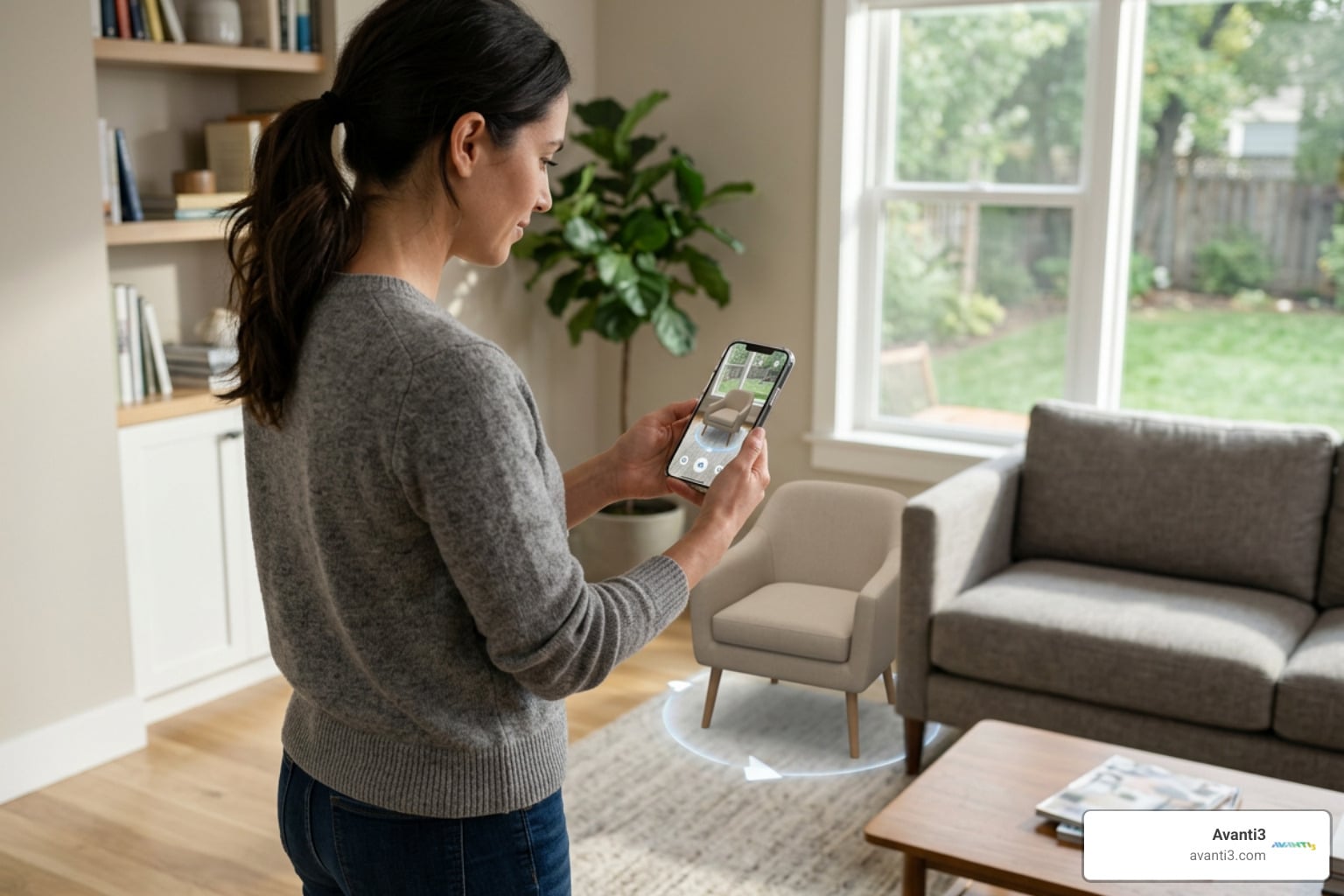
- AR/VR Experiences: Allowing customers to “try on” products or attend virtual events in a fully immersive environment.
- Fintech Solutions: Integrating seamless payment and reward systems directly into the engagement platform.
The “old game” of engagement was about media spend and passive views. The “new game” is about participation, ownership, and value. Explore the latest in digital engagement technology to see how these trends are reshaping the market.
Conclusion: The Future is Interactive
Your digital engagement strategy isn’t just a marketing plan; it’s the heartbeat of your business. By embracing digital engagement technology, we move from being “just another vendor” to being a vital part of our customers’ lives. Whether it’s through AI-driven personalization or Web3-powered communities, the goal remains the same: building a relationship that lasts.
Don’t let your strategy stay stuck in the past. The tools are here, the data is ready, and your customers are waiting. Let’s build something extraordinary together.