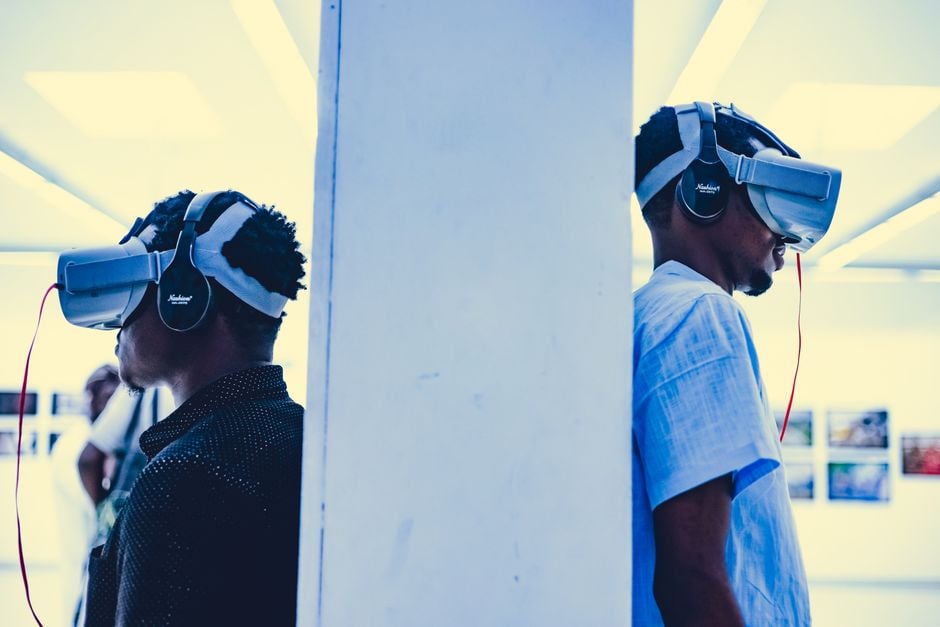


X Amazing Free VR Exhibition Hacks
Why Free VR Exhibitions Are Changing How Art Reaches the World
A vr exhibition free of cost is no longer a distant dream — it’s available right now, with several platforms letting you build, share, and explore immersive 3D galleries without spending a single dollar.
Here are the top ways to access or create a free VR exhibition today:
- Artsteps — Upload images, video, and 3D models to build a browser-based virtual gallery for free
- Virtual Art Gallery — Create a 3D online exhibition in minutes, no download or registration needed
- VR-All-Art — Get your first VR exhibition free, viewable in a browser or on VR headsets
- Museum of Other Realities (Steam) — Free-to-play immersive VR art museum with multiplayer features
- The Great Exhibition of 1851 in VR (Steam) — Free historical VR experience with narrator-guided tours
- ThingLink — Turn 360° photos of physical spaces into shareable virtual exhibitions
- Louvre Virtual Tours — Free browser-based access to museum rooms and landmark collections
Each option suits a different need — from solo artists sharing work globally to educators, students, and brands building immersive experiences at zero cost.
Traditional art shows are expensive, temporary, and locked to one location. A single physical exhibition reaches a handful of visitors over a few weeks. A virtual one can reach anyone, anywhere, at any time — and it costs nothing to keep running.
One digital art exhibition on a VR platform accumulated over 126,000 views — a number most physical galleries could never match in a lifetime of shows.
That shift is what makes free VR exhibitions so powerful today. The tools are mature, the audiences are global, and the barrier to entry has essentially disappeared.
I’m Samir ElKamouny, an entrepreneur and marketing strategist who has helped scale businesses across digital and emerging tech spaces — including vr exhibition free platforms and immersive audience engagement. In this guide, I’ll walk you through the exact hacks to build, share, and grow a stunning VR exhibition without paying a cent.
Vr exhibition free terms you need:
Mastering the VR Exhibition Free Landscape

Creating a vr exhibition free of charge isn’t just about finding a “lite” version of a paid tool. It’s about understanding the spatial landscape. Today, the most successful creators leverage browser-based platforms that provide a true-to-scale experience. This means when a visitor enters your gallery, the artwork appears exactly as it would in real life—whether it’s a 2-meter tall oil painting or a desktop-sized sculpture.
Platforms like Virtual Art Gallery and Artsteps have revolutionized this by removing “gatekeepers.” You no longer need a gallery owner’s permission to show your work; you just need a browser.
The Power of Browser-Based WebXR
The “secret sauce” behind many free tools is WebXR. This technology allows high-performance 3D visuals to run directly in Google Chrome or Microsoft Edge without requiring bulky downloads. This is a game-changer for accessibility. If your audience has to download a 5GB file just to see your art, you’ve already lost 90% of them. With WebXR, they click a link and they are inside the exhibition.
| Feature | WebXR (Free/Browser) | Standard Web Hosting |
|---|---|---|
| Immersion | Full 3D Spatial Navigation | 2D Scrolling/Clicking |
| Hardware | Works on PC, Mobile, and VR Headsets | Limited to 2D Screens |
| Setup Cost | Often $0 (Community Platforms) | High (Custom Development) |
| User Friction | Zero (No Downloads) | Moderate (Plugin/App Requirements) |
Utilizing Open-Source 3D Assets and Tools
We always recommend starting with open-source tools to keep your vr exhibition free. Blender is the industry standard for 3D modeling, and it’s completely free. You can use it to design custom gallery walls or unique pedestals.
If you aren’t a 3D whiz yet, don’t worry. You can leverage Creative Commons libraries to find architectural foundations for your show. Once your space is ready, you can dive into Virtual Reality Art Exhibitions to see how others have successfully staged their digital debuts.
Interactive 360 Media Integration

Sometimes, you don’t want to build a fictional world; you want to recreate a real one. This is where 360-degree media comes in. By using a 360 camera (or even certain mobile apps), you can capture a physical space and turn it into a digital twin.
Tools like ThingLink allow you to add interactive “hotspots” to these images. A visitor can click on a painting to read the artist’s bio, hear a narrated story, or even watch a video of the piece being created. This is a fantastic way to build a digital portfolio that feels alive. For a deeper dive into the mechanics, check out our Virtual Reality Exhibition Complete Guide.
Scaling Your Virtual Presence for Global Impact
The true magic of a vr exhibition free platform is the scale. In 1851, the Great Exhibition in London’s Hyde Park was a marvel because it drew six million visitors. Today, you can reach that many people without a single turnstile.
Advantages of Virtual Over Physical Shows
Physical shows are limited by the laws of physics. You have a set number of square meters and a set number of hours in the day. In the virtual world, your space is infinite. You can have a gallery that spans miles or one that exists inside a floating bubble.
Furthermore, virtual shows offer archival permanence. A physical show is torn down after a month; a virtual show lives forever as a digital record. We’ve seen this work brilliantly in various Virtual Reality Events Examples That Actually Worked, where the event’s lifespan was extended indefinitely. This also allows for Virtual Reality Museum Tours that let people visit historical recreations long after the original artifacts have been moved.
Monetization and Direct Sales Strategies
“Free” doesn’t mean you can’t make money. In fact, many vr exhibition free platforms are designed to help you sell. VR-All-Art, for instance, integrates blockchain technology. This provides secure provenance for your work, giving buyers the confidence they need to purchase art directly from your virtual walls.
By integrating NFTs and smart contracts, we can ensure that creators are rewarded for their work instantly. This is part of the broader shift in Virtual Reality Solutions where the line between “viewing” and “owning” is becoming seamless. For more on how tech is changing the museum landscape, see Virtual Reality Technology and Museum Exhibit.
Social VR and Community Hubs
Art is meant to be shared. One of the biggest hacks for a vr exhibition free is utilizing multiplayer platforms like the Museum of Other Realities. While it’s often a premium app, it frequently offers “free to keep” periods or free-to-play showcases like the “Immersive Arcade.”
In these spaces, you aren’t just looking at art alone. You can see other visitors’ avatars, talk to them in real-time, and even attend live virtual openings. This social layer transforms a lonely website visit into a genuine cultural event.
Successful Examples of Free VR Exhibitions
If you need inspiration, look at these successful implementations of the vr exhibition free model:
- The Louvre: You can Enjoy the Louvre at home through their virtual tours. They offer free access to rooms like the “Mona Lisa Beyond the Glass” experience, proving that even the world’s most prestigious institutions see the value in free virtual access.
- The Great Exhibition of 1851: On Steam, you can find The Great Exhibition of 1851 in VR. It’s a free educational tool that recreates the Crystal Palace in stunning detail, complete with a narrator to guide you through the 100,000+ exhibits.
- ComPaSSVR: The National Museum of Nature and Science offers ComPaSSVR, a free space designed for families to explore together. It even works on mobile devices via the STYLY app, making it incredibly accessible for parents and children.
- Student Showcases: Nottingham College students recently used ThingLink to create a virtual end-of-year show when their physical venue became unavailable. They shared links with prospective employers worldwide, using the exhibition as a high-tech resume.
Future Trends in Accessible VR Technology
At Avanti3, we are constantly looking at what’s next for the vr exhibition free landscape. Looking ahead, we see three major trends:
- AI-Driven Curation: Imagine an AI that helps you layout your gallery based on the “vibe” of your artwork, automatically adjusting lighting and wall textures to match your style.
- Web3 Integration: We are moving toward a world where your virtual gallery is part of a larger, interoperable metaverse. Your Avanti3 digital assets will move with you from one exhibition to another seamlessly.
- Cross-Platform Harmony: The gap between “mobile users” and “VR headset users” is closing. Future free platforms will offer even better experiences for those who don’t own expensive hardware, ensuring that art remains truly democratic.
The barrier to entry for creating a world-class exhibition has never been lower. Whether you are an artist looking for your first break, a brand wanting to engage fans, or a hobbyist storyteller, the tools for a vr exhibition free of cost are at your fingertips.
Ready to take your digital presence to the next level? Explore more info about virtual reality experiences and see how we can help you navigate this exciting new frontier.