

Immersive Ads and How AR VR Advertising Captivates Audiences
Why AR in Advertising Is Changing How Brands Connect With People
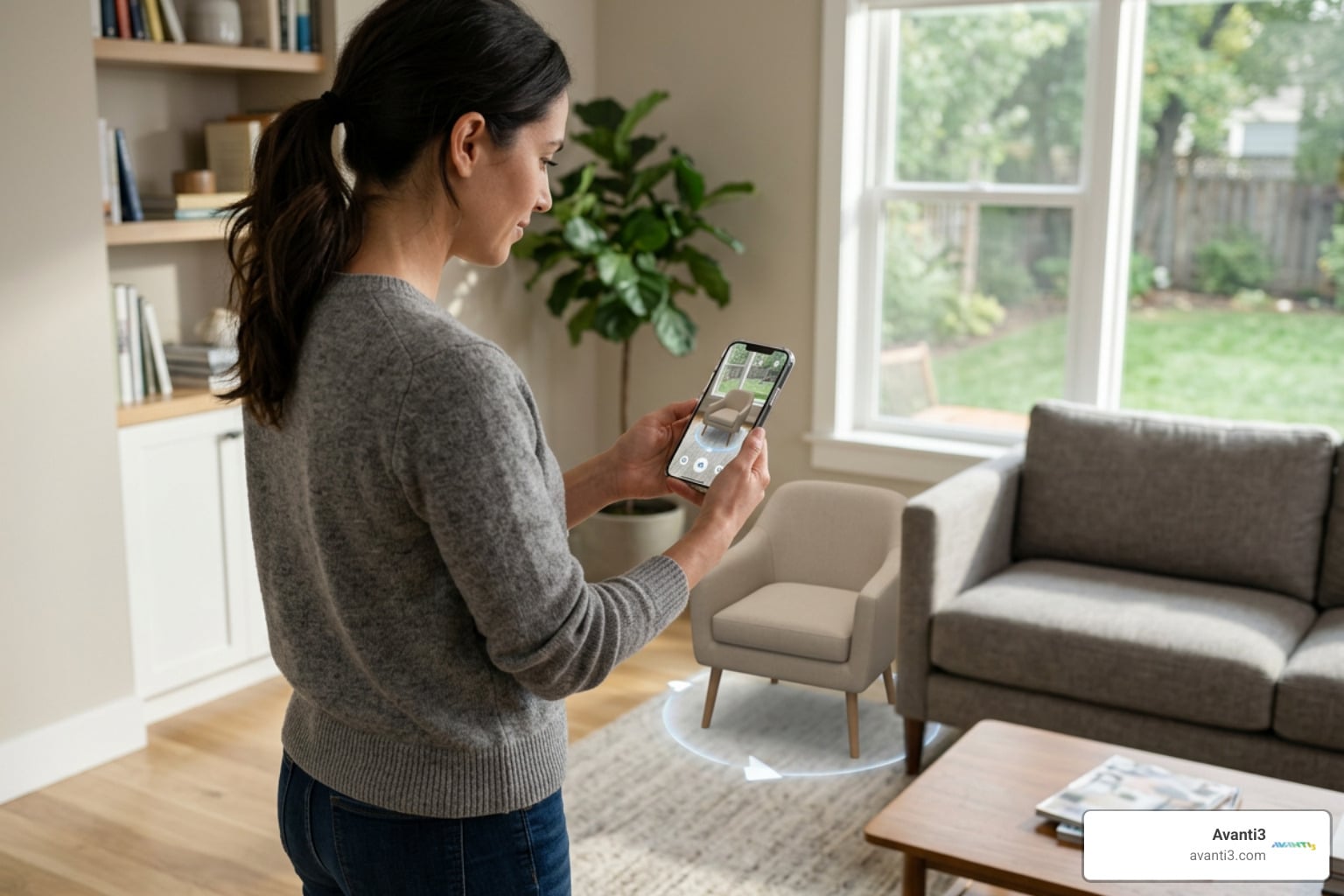
AR in advertising is the practice of overlaying digital content — 3D objects, animations, filters, or interactive experiences — onto the real world through a smartphone, tablet, or screen, turning passive viewers into active participants.
Quick answer: What is AR in advertising?
- What it is: Technology that blends digital visuals with the real world inside an ad experience
- How it works: Users point a camera (phone, tablet, or AR mirror) at a surface, product, or space — digital content appears on top
- Where it runs: Social platforms (Snapchat, TikTok, Instagram), web browsers (WebAR), out-of-home billboards, product packaging, and e-commerce
- Why it matters: AR ads generate up to 94% higher conversion rates than standard 2D ads, and are three times more memorable than traditional media
Traditional ads ask you to look. AR ads ask you to participate. That shift — from passive to interactive — is why brands from Pizza Hut to Nike are rethinking their entire ad strategy around immersive experiences.
The numbers back it up. Consumers who engage with AR are 90% more likely to convert than those who don’t. And 74% of people say AR ads are more likely to grab their attention than regular ads.
This isn’t a future trend. It’s happening right now, at scale.
I’m Samir ElKamouny, an entrepreneur and marketing expert who has spent his career helping brands scale through innovative strategies — including the rapidly evolving world of AR in advertising. In this guide, I’ll walk you through everything you need to know to understand, plan, and launch AR campaigns that actually move the needle.
Handy ar in advertising terms:
- augmented reality in marketing examples
- augmented reality in social media marketing
- augmented reality product visualization
The Rise of AR in Advertising: Formats, Platforms, and Real-World Impact

As we navigate through 2026, the digital marketing scene is louder and more crowded than ever. Standard banner ads are ignored, and traditional video commercials are skipped within seconds. To cut through this noise, forward-thinking brands are turning to immersive technologies. For a deeper look into why this shift is happening right now, check out our insights on Why Your Brand Needs Advertising in Augmented Reality Right Now.
What is AR in Advertising and How Does It Work?
At its core, ar in advertising bridges the gap between digital content and physical reality. While traditional advertising pushes a static message onto a consumer, AR invites them to step inside the message.
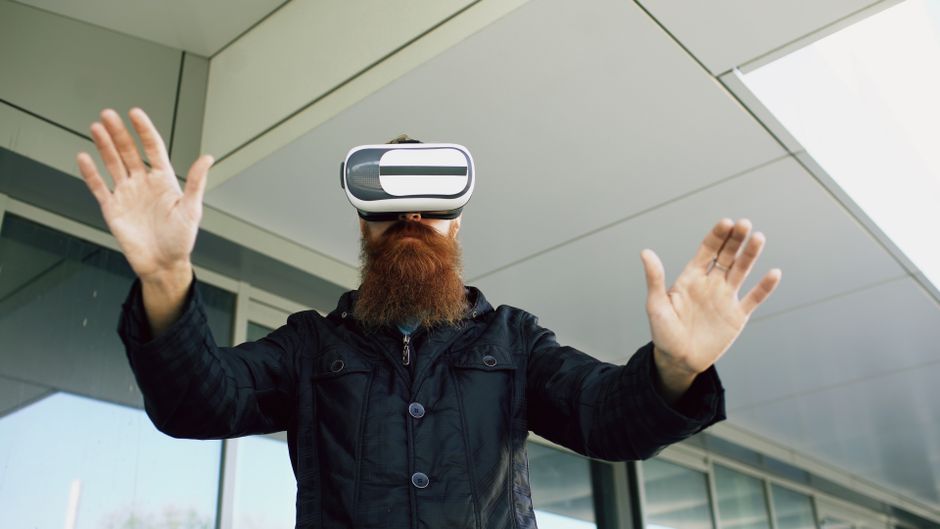
According to an educational guide on Augmented Reality Advertising: How Marketers Use AR to Engage, this technology superimposes 3D graphics, text, or sensory stimuli onto the user’s real environment. This differs fundamentally from Virtual Reality (VR), which shuts out the physical world to place the user in a completely simulated environment. To understand how these technical components overlay seamlessly, check out our breakdown of AR Technology Explained Solutions for a Blended Reality.
To see how AR stacks up against traditional channels, consider this comparison:
| Feature | Traditional Digital Ads | AR Advertising |
|---|---|---|
| User Role | Passive viewer | Active participant |
| Interaction Level | Low (click or watch) | High (manipulate, customize, try-on) |
| Memory Encoding | Standard | 70% higher than static ads |
| Average Conversion Lift | Baseline standard | Up to 94% higher for 3D/interactive |
| Dwell Time | 1 to 3 seconds | 15+ seconds on average |
Key Formats and Platforms Powering Modern Campaigns
Launching a successful campaign requires choosing the right format and delivery platform. Today’s marketers have several powerful options, which we frequently implement through our AR Marketing Solutions:
- Marker-Based AR: Triggered by a specific visual cue, such as a QR code on product packaging, a print ad, or a poster. Scanning the marker brings a static physical item to life with 3D animations or videos.
- Markerless AR: Uses the smartphone’s camera, sensors, and GPS (often powered by SLAM technology) to place digital objects on flat surfaces like floors or tables. This is perfect for virtual furniture placement or in-home product previews.
- WebAR (Browser-Based): Eliminates the friction of downloading a dedicated application. Users simply click a link or scan a code to launch the experience directly inside their mobile web browser.
- Location-Based AR: Ties digital experiences to specific geographic coordinates. This is the technology behind popular mobile games and geo-targeted brand activations.
- OOH (Out-of-Home) Integration: Combines public digital billboards with live AR feeds, turning physical streets into interactive stages.
These formats are deployed across a variety of popular social ecosystems, including Snapchat (famous for its sponsored lenses), Meta Spark (powering Instagram and Facebook ads), and TikTok’s Effect House.
The Tangible Benefits of AR in Advertising for Brands
The business case for immersive ads extends far beyond the “cool factor.” Immersive campaigns drive direct, measurable business results across the entire marketing funnel:
- Explosive Conversion Rates: Products featuring interactive AR experiences see up to a 94% higher conversion rate compared to static 2D listings.
- Drastically Reduced Returns: A challenge in e-commerce is return rates (with nearly 49% of online shoppers returning items annually). Retailers using AR/VR for marketing experience a 25% decrease in product returns because customers can accurately evaluate products before buying. Learn more about this dynamic in Beyond the Screen ARs Impact on Customer Engagement.
- Unmatched Engagement and Memory Recall: AR experiences are 200% more engaging than their non-AR counterparts. They trigger 70% more memory encoding and are three times more memorable than traditional media.
- Actionable Consumer Insights: Because users actively manipulate AR ads, marketers gain access to rich interaction data, which we discuss in detail in our guide on Augmented Reality Engagement.
Real-World Case Studies: From Times Square to Retail Try-Ons

Brands across various industries are proving the power of ar in advertising with highly creative, high-performing campaigns:
- Entertainment & OOH Integration: To promote a major television premiere, Snapchat and OUTFRONT Media Launch ‘Crowd Created’ Live AR Spectacle in Times Square on June 18. This innovative format used a first-of-its-kind four-sided AR mirror to let fans virtually wear a character’s crown and see themselves projected live onto massive Times Square billboards, turning a passive walk-by into a massive viral moment.
- Location-Based Storytelling: Food and beverage giant Almarai redefined real-world discovery during Ramadan by launching Promoted Places connected to immersive AR Lenses on Snap Map. As reported by Campaign Middle East, Almarai achieves 15m+ reach, attracts 9m+ visitors with immersive AR experiences on Snap Map – Campaign Middle East, generating over 207.9 million impressions and driving an open rate 73% higher than global benchmarks.
- Interactive Packaging: Pizza Hut launched a PAC-MAN WebAR game printed directly on their pizza boxes. The campaign generated a massive 741 million impressions and resulted in 10.6 million PAC-MAN pizza boxes sold.
- Virtual Try-On Success: Guess Eyewear introduced an in-banner AR try-on campaign that allowed users to test out sunglasses directly in their mobile browser. The result? A 44% increase in engagement rates and an average dwell time increase of 19 seconds.
These campaigns show how brands can use Augmented Reality in Marketing to turn everyday physical objects into powerful, interactive touchpoints.
Launching Your Campaign: Challenges, Best Practices, and the Future of Immersive Ads
While the benefits are clear, building a successful AR campaign requires careful planning, strategic alignment, and an understanding of the technical landscape. For a deeper dive into crafting these experiences, explore our Seeing is Believing with the Use of AR in Marketing guide.
Overcoming Implementation Challenges and Technical Hurdles
Every new technology comes with obstacles. When planning your first AR campaign, keep these common hurdles in mind:
- Technical Requirements & 3D Modeling: Creating high-quality 3D assets, animations, and sound designs requires specialized skills. Brands must ensure their assets are optimized for fast loading times without sacrificing visual quality.
- Device Compatibility & Network Constraints: While modern smartphones handle AR easily, older models or slow network connections can cause lag, leading to user friction. This is why WebAR is highly recommended for broad-reach campaigns; it runs smoothly inside standard mobile browsers.
- Measurement Metrics: Moving beyond simple impressions to track interactive metrics like dwell time, camera open rates, and direct conversion attribution is critical.
To navigate these hurdles, we recommend starting with targeted, small-scale deployments before rolling out global campaigns. Explore our Augmented Reality Solutions and Augmented Reality Based Support Solutions to see how we help brands streamline development and minimize user friction.
Future Trends: AI Integration and Web3 Evolution
The future of ar in advertising lies in the convergence of multiple emerging technologies.
By combining Artificial Intelligence (AI) with AR, brands can deliver hyper-personalized ad experiences. AI can analyze user preferences in real-time, instantly customizing the colors, styles, or virtual products displayed in the AR lens to match the individual consumer’s taste.
Furthermore, the integration of Web3 technologies is unlocking entirely new avenues for customer loyalty. At Avanti3, we integrate Web3 technologies like NFTs, blockchain, AR/VR, and AI to empower creators and brands with customizable engagement tools and fintech solutions. Imagine an AR campaign where scanning a product packaging not only reveals a stunning 3D animation but also drops a unique, tradeable digital collectible (NFT) directly into your wallet, unlocking exclusive loyalty rewards and community access.
This powerful combination sets a brand-new standard in digital engagement and fan monetization, which we cover extensively in our resources on AR Powered Brand Engagement.
Ready to take your digital marketing to the next level? Discover how we can help you build highly immersive, high-converting campaigns on our Avanti3 Augmented Reality Marketing Pillar Page. Let’s work together to turn your passive audience into active, loyal brand advocates.