

How Brands Use Augmented Reality in Marketing to Steal Your Attention
Why Augmented Reality in Marketing Examples Are Changing How Brands Win Attention
The best augmented reality in marketing examples show one thing clearly: AR turns passive viewers into active participants.
Here’s a quick look at some of the most notable real-world examples across industries:
| Brand | AR Experience | Result |
|---|---|---|
| IKEA | Place app — visualize furniture at home | 35% increase in online sales, 20% fewer returns |
| McDonald’s | AR singing challenge on Snapchat | 14% lift in purchase intent among 25-34 year-olds |
| Pepsi Max | AR bus shelter transforming windows into live scenes | 385 million earned media impressions |
| Gucci | Virtual sneaker try-on via app | 300% increase in online sales |
| Almarai | Snap Map AR neighborhood for Ramadan | 207.9 million impressions, 15 million people reached |
| Coca-Cola | AR polar bears on holiday cans | Hundreds of thousands of activations in week one |
| Dior | Snapchat AR lens on holiday packaging | Immersive floral selfie experience from physical box |
These aren’t experiments. They’re proven strategies that drive real business results.
Traditional ads interrupt. AR invites. And consumers respond — studies show AR experiences are 200% more engaging and 3x more memorable than standard media. Products with interactive AR have a 94% higher conversion rate than those without.
The attention economy is brutal. Brands that give people something to do — not just something to see — win.
I’m Samir ElKamouny, a marketing strategist and entrepreneur who has spent years helping brands scale through innovative, high-impact strategies — including augmented reality in marketing examples that move the needle on engagement and revenue. I’ll walk you through the most compelling AR campaigns from across industries so you can see exactly what’s working and why.
Simple augmented reality in marketing examples resource guide:
Inspiring Augmented Reality in Marketing Examples Across Industries
To truly understand how we can leverage this technology, we must first look at the two primary technical frameworks of AR: marker-based and markerless. Both offer unique ways to capture consumer attention, but they work in fundamentally different ways.
| AR Type | How It Works | Best Use Cases | Key Advantage |
|---|---|---|---|
| Marker-Based AR | Triggers digital content when a device scans a specific physical image (like a QR code, logo, or product packaging). | Packaging activations, print ads, event brochures, business cards. | Highly accurate positioning; keeps physical branding central to the experience. |
| Markerless AR | Uses SLAM (Simultaneous Localization and Mapping) to project 3D objects onto any flat surface in the user’s real environment. | Virtual try-ons, furniture placement, interactive portals, location-based games. | High flexibility; doesn’t require a physical printed trigger. |
By understanding these types, we can design campaigns that directly influence consumer behavior. The numbers speak for themselves: consumers who engage with AR exhibit a 90% increase in conversion rates compared to those who do not. This massive lift occurs because AR bridges the gap between passive curiosity and active decision-making.
When we introduce interactive elements, we aren’t just selling; we are generating massive brand lift. In fact, 57% of customers state they are more likely to buy from a brand that offers AR experiences. We can harness this technology to craft unforgettable AR Powered Brand Engagement that converts casual browsers into loyal brand advocates.
Gamified and Interactive Augmented Reality in Marketing Examples
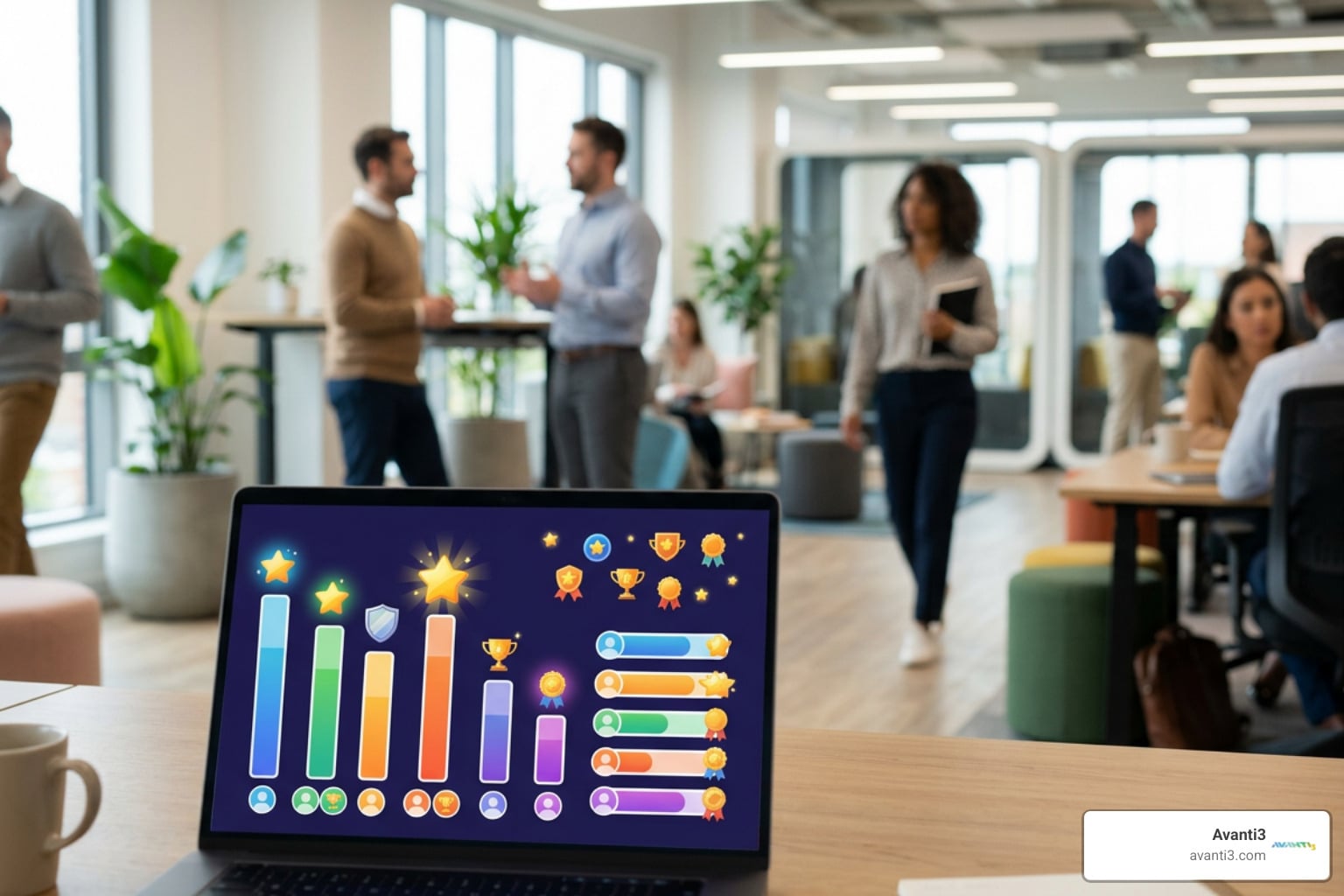
Gamification is one of the most powerful tools in modern marketing. By turning a brand message into a playful challenge, we bypass traditional “ad blindness” and invite consumers to play.
A prime example of this is the Case Study: McDonald’s Triples Down on AR Marketing – AR Insider. McDonald’s launched a nostalgic Snapchat AR “Chant Challenge” targeting Gen Z. Users had to sing a classic 1970s jingle into their front-facing camera while a timed stopwatch overlay tracked their performance. If they finished under four seconds, they unlocked exclusive discount codes. This campaign reached over 4 million people, generated 108,000 shares, and achieved a 14% lift in purchase intent among 25-to-34-year-olds.
Another masterclass in packaging-based interaction comes from Coca-Cola. For their seasonal holiday campaign, they wanted to bring their iconic polar bears to life. Using PTC’s Vuforia Engine, they solved a major technical hurdle: cylindrical tracking. Because soda cans are rounded and reflective, standard tracking often fails.
By using advanced tracking and hidden markers in the packaging, the Tactic Studio Creates Engaging Coke Augmented Reality Experience | PTC allowed users to scan a can and watch polar bears play in a virtual winter wonderland. Even better, if users placed two cans next to each other, the AR triggered a shared, dual-can interactive environment. This clever design encouraged multi-product purchases and generated hundreds of thousands of activations in its first week.
These campaigns prove that when you gamify the experience, you supercharge Augmented Reality Engagement, keeping users focused on your brand for valuable, uninterrupted minutes.
Location-Based and Spatial Augmented Reality in Marketing Examples
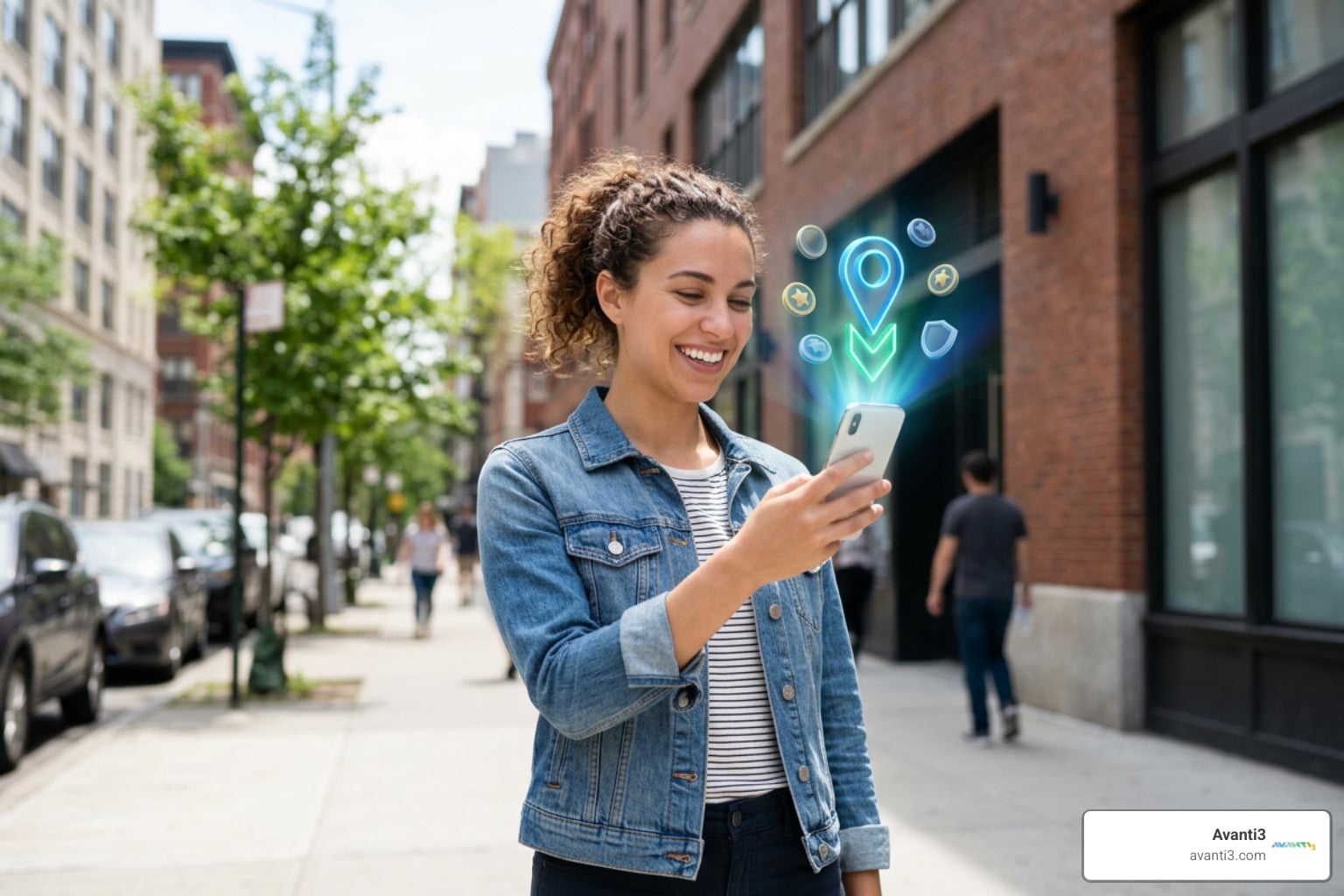
Spatial computing allows us to paint the physical world with digital stories. By linking AR to specific geographic coordinates or digital out-of-home (DOOH) displays, we can turn entire cities into interactive playgrounds.
Consider the groundbreaking Ramadan campaign launched by Snap Inc. and Almarai. Detailed in the news report Snap Inc. and Almarai Redefine Discovery with Promoted Places and an Innovative AR Experience on Snap Map – Gulf Tech News, this was a global first. They linked physical “Promoted Places” on Snap Map to a custom AR Lens.
As explained Inside the viral Saudi AR campaign that turned entire cities into a digital Ramadan neighborhood – Communicate Online, users in major Saudi cities like Riyadh, Jeddah, and Dammam could tap on high-traffic hubs (like shopping malls and business districts) on their map to enter a virtual, interactive Ramadan neighborhood. Once inside, they could explore traditional recipes, watch a custom content series, and engage with local traditions. The campaign reached over 15 million people, generated 207.9 million impressions, and achieved an open rate 73% higher than global benchmarks.
On a physical level, Pepsi took DOOH to the next level with an interactive AR billboard. Passersby stood in front of a digital screen that analyzed their “summer vibes” and instantly unlocked personalized AR scenarios (like tropical beaches or mountain escapes) around their real-time video feed. To drive direct sales, over 100 physical bottles of Pepsi were redeemed on-site via live social tagging. This blended approach shows how physical spaces can become gateways to Immersive Marketing Experiences.
Virtual Try-Ons and Product Visualizations
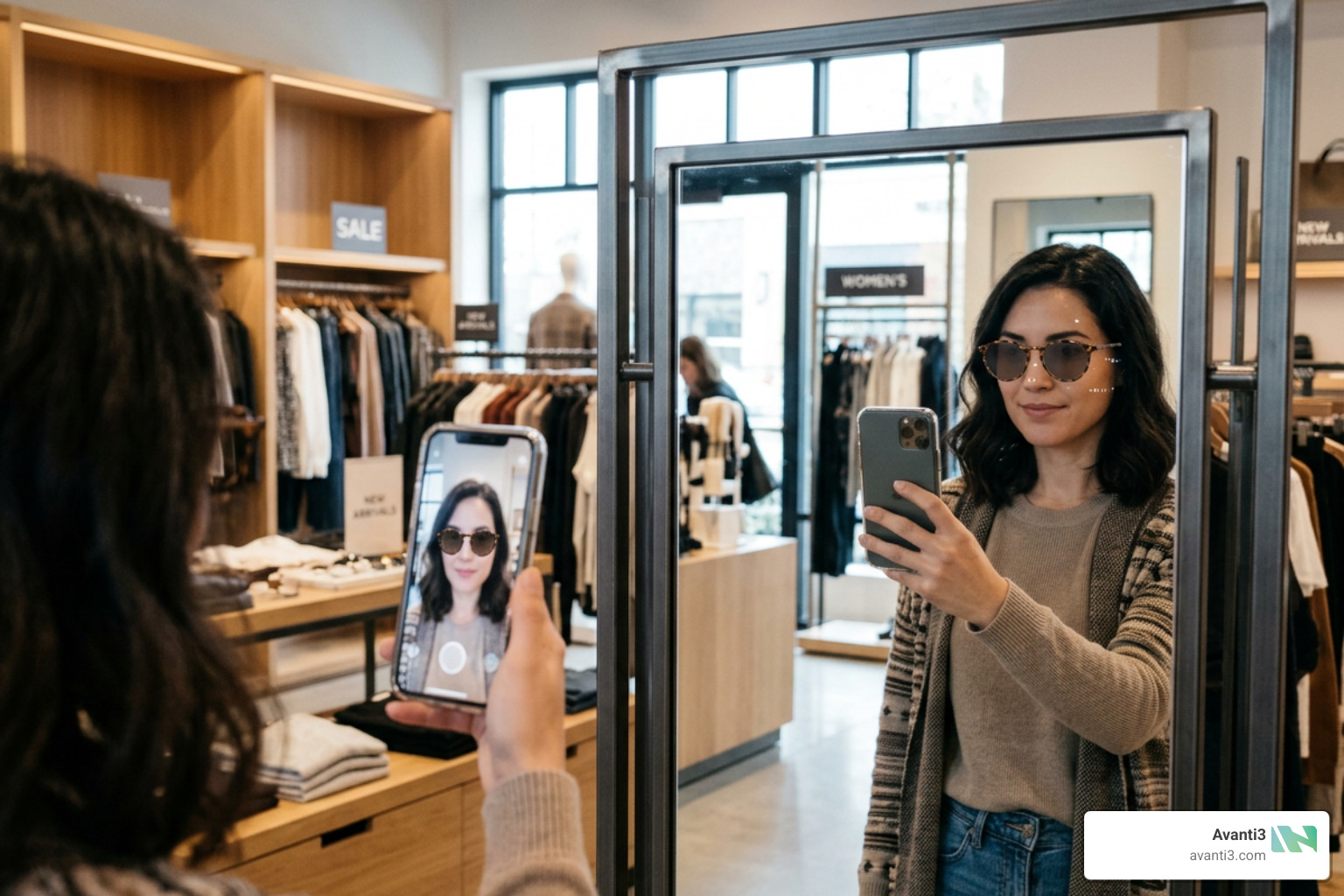
Perhaps the most practical application of AR in marketing is its ability to reduce buyer friction by answering the ultimate consumer question: “How will this look on me, or in my home?”
In the fashion and beauty space, virtual try-ons have revolutionized the customer journey. For example, during their holiday campaign, Dior collaborated with developers to bring their Pietro Ruffo-designed packaging to life. Using Snapchat AR, they created two distinct, highly detailed floral selfie backdrops—Underwater World and Land World. This allowed users to virtually step inside the luxury artwork, boosting brand affinity and shareability, as documented in 14 examples of augmented reality brand experiences – Econsultancy.
In e-commerce, the financial impact of AR is staggering. Returns are a major headache for online retailers, with roughly 49% of online shoppers returning items annually. However, AR helps solve this. According to the data in Augmented Reality Marketing: Stats, Benefits & Examples | REYDAR, IKEA’s AR room planner has helped reduce product returns by 20% while increasing online sales by 35% since its inception.
Other brands have seen similar success:
- Rebecca Minkoff found that consumers were 65% more likely to purchase a product after interacting with it in AR.
- Gunner Kennels saw a 40% increase in conversion rates and a 5% reduction in return rates by using AR to help pet owners visualize crate sizes in their vehicles.
By investing in high-quality 3D assets and deploying them via AR, we build immense purchase confidence. To learn more about how to bring your products to life, check out our guide on AR and VR for Brands.
Getting Started: How to Launch Your AR Marketing Strategy

If you are ready to build your first AR campaign, you don’t need to reinvent the wheel. The easiest entry point is leveraging existing platforms and technologies.
We generally recommend starting with one of two approaches:
- WebAR: This allows users to access your AR experience directly through their mobile web browser by scanning a QR code. It eliminates the friction of downloading a dedicated app, which is crucial for quick campaigns.
- Social Media Filters: Platforms like Snapchat (Lens Studio), Instagram/Meta (Meta Spark), and TikTok (Effect House) have massive, built-in audiences. Creating branded lenses or effects is a highly cost-effective way to get millions of organic impressions.
When planning your campaign, prioritize user experience. Keep the interaction intuitive, include quick visual instructions, and ensure the creative concept aligns with your broader brand goals. If you want a deep dive into the design process, read our comprehensive guide on AR Experience Design What It’s Like and How to Get Started.
Overcoming Technical Challenges and Measuring ROI
While AR is incredibly rewarding, it is not without its hurdles. We must design with technical limitations in mind:
- Device Compatibility: Ensure your AR assets are optimized so they load quickly on both older smartphones and the latest models.
- Tracking Accuracy: Test your experiences in various lighting conditions and environments to prevent digital assets from drifting or glitching.
- Maintenance: Operating systems update constantly. Plan for ongoing maintenance to keep your AR experiences running smoothly over time.
To justify the spend, you must track the right metrics. Do not rely solely on “views.” Instead, focus on deep engagement metrics:
- Dwell Time: How long are users actively interacting with the AR? (For example, McDonald’s averaged a stellar 9.8 seconds of active playtime).
- Completion and Share Rates: Are they completing the gamified challenge? Are they sharing the selfie on their social channels?
- Conversion Rate: Track how many users click the call-to-action (CTA) inside the AR experience to make a purchase.
According to Augmented Reality Advertising: 10 Powerful Examples of Branded AR Campaigns, campaigns that combine business-as-usual marketing with AR enjoy nearly three times the brand lift while costing an average of 59% less than traditional paid media alone. If you need help structuring your metrics, explore our tailored AR Marketing Solutions.
The Future of Immersive Experiences: Web3 and Beyond
As we look toward the future, the boundaries of reality will continue to blur. We are moving past simple filters and entering the era of persistent, personalized digital layers.
At Avanti3, we integrate Web3 technologies like NFTs, blockchain, AR/VR, and AI to empower creators and brands with customizable engagement tools and fintech solutions. Imagine an AR campaign where scanning a physical product doesn’t just show a 3D animation, but instantly rewards the customer with a unique utility NFT or blockchain-backed loyalty points. This creates a permanent, digital relationship between the brand and the consumer, paving the way for highly personalized, long-term engagement.
The brands that master these immersive, decentralized experiences today will own the consumer attention of tomorrow.
Ready to build the future of your brand? Discover how we can help you create cutting-edge campaigns on our Augmented Reality Marketing pillar page. Let’s design something unforgettable together!