

Test Drive from the Couch with These AR Automotive Config Tools
The Rise of AR Automotive Config Tools: A New Way to Buy Cars
AR automotive config tools are software platforms that let shoppers place a photorealistic, fully customizable 3D vehicle model into their real-world environment — using just a smartphone or browser — before making any purchase decision.
Here’s a quick summary of what they are and why they matter:
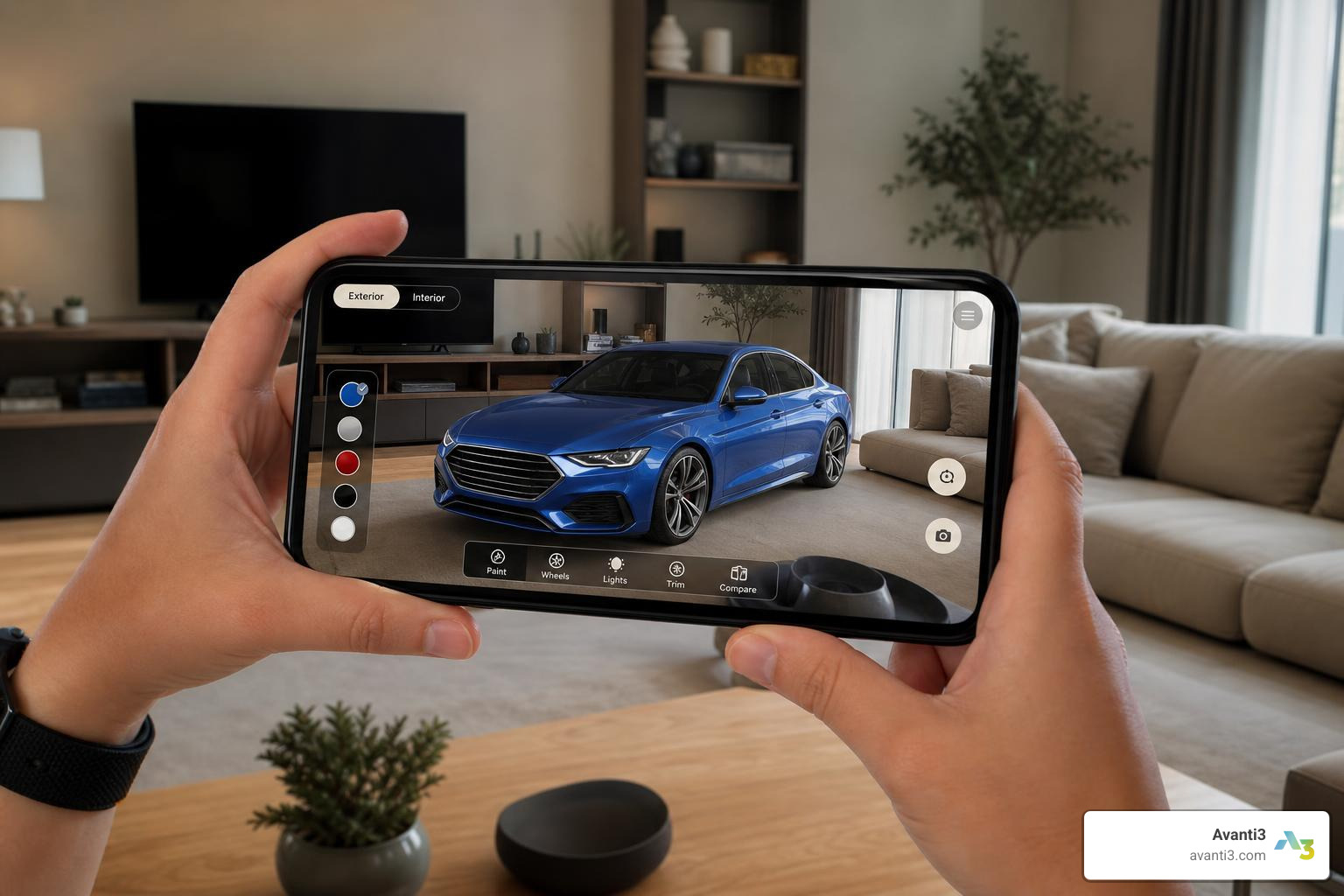
- What they do: Let customers change paint colors, wheels, trims, and interior materials on a virtual car, then view it at scale in their own driveway or garage using augmented reality
- How they differ from 3D configurators: Traditional 3D configurators show a car on a neutral studio background; AR tools overlay that same model onto the customer’s real-world space
- Who uses them: Automakers, dealerships, and e-commerce automotive retailers use them to shorten the path from curiosity to purchase
- Key stat: 57% of consumers are more likely to buy when they can visualize a product in AR — and 40% are willing to pay more
- How to access them: Most modern AR configurators work directly in a mobile browser with no app download required
The shift is significant. Customers no longer need to visit multiple dealerships to compare options. They can explore, personalize, and emotionally connect with a vehicle from their couch — in real time.
I’m Samir ElKamouny, a marketing strategist and entrepreneur who has spent years helping brands harness emerging technologies — including AR automotive config tools — to drive deeper engagement and measurable revenue growth. In this guide, I’ll walk you through everything you need to know to understand, evaluate, and implement AR configurator solutions for automotive retail.
The Power of AR Automotive Config Tools in Modern Retail
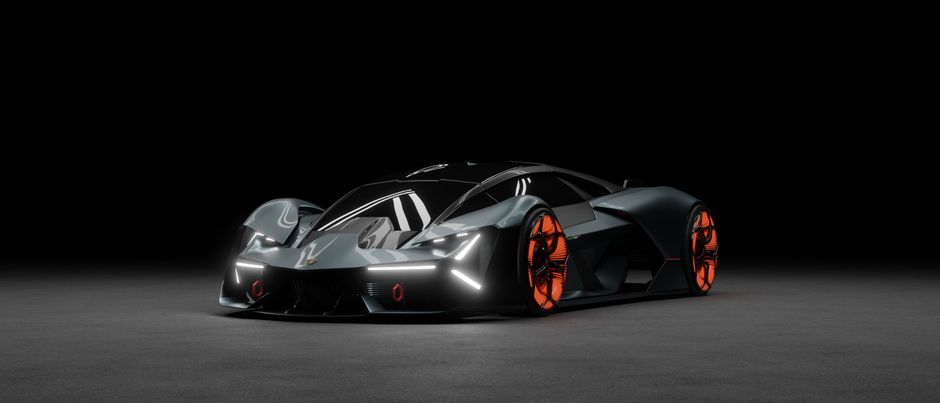
The automotive retail landscape is undergoing a massive digital transformation. Experiential marketing is no longer a luxury; it is the standard. Today’s consumers expect interactive customization that goes far beyond static images or pre-rendered videos. This is where AR automotive config tools step in, bridging the gap between online research and physical reality.
What is an AR Automotive Configurator?
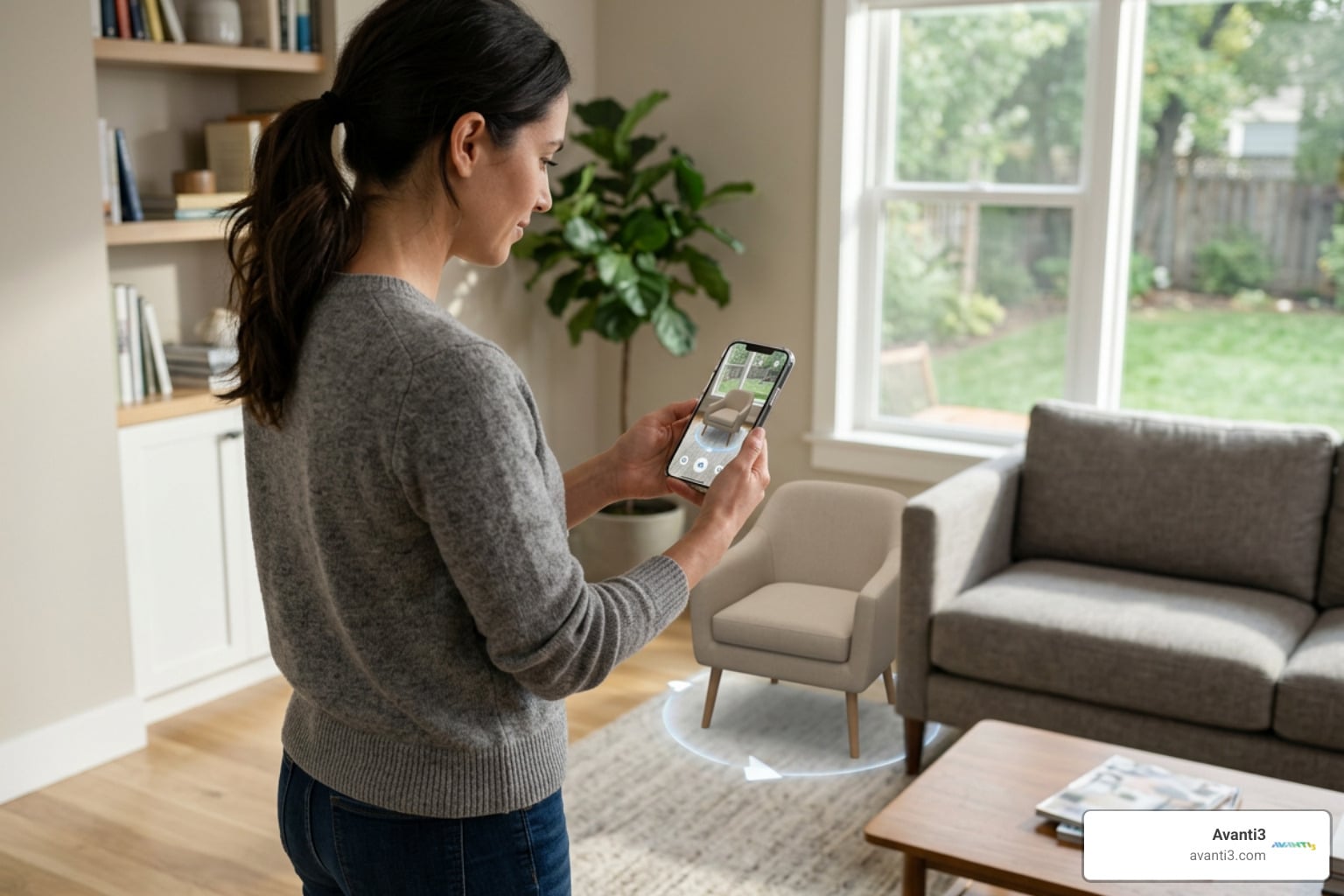
At its core, an AR automotive configurator is a tool that takes interactive 3D visualization and projects it onto the physical world. While traditional 3D tools let you spin a car on a website, augmented reality places that digital vehicle directly into your driveway, garage, or even your living room (if you want to see how a luxury SUV looks next to your sofa!).
These tools handle highly complex vehicle customizations in real time:
- Paint Customization: Swapping out metallic, matte, or pearlescent finishes with accurate environmental reflections.
- Wheel and Tire Selection: Changing wheel designs and sizes instantly while maintaining proper vehicle geometry.
- Interiors and Materials: Letting users “sit” inside the car using their phone to inspect leather stitching, dashboard trims, and upholstery textures.
- Accessories: Adding roof racks, spoilers, or custom body kits on the fly.
To see how advanced these systems have become, you can explore the Unreal Engine Automotive Configurator Sample, which demonstrates variant management and ray-traced graphics. For a deeper look at how these technologies blend physical and digital worlds, read our guide on AR technology solutions.
By using interactive 3D engines, tools like the Metadome Configurator Module allow users to toggle headlamps, open doors, fold seats, and even turn on the virtual engine. This turns passive browsing into active exploration.
Driving Sales: How AR Automotive Config Tools Boost Engagement
Why are dealerships and manufacturers adopting AR automotive config tools so quickly? Simple: they drive sales.
When customers can see a customized vehicle in their own driveway, it creates a powerful emotional connection and builds immense purchase confidence. According to industry statistics, 70% of consumers claim that AR visualizations bring them more benefits, and utilizing these tools can lead to a massive conversion lift.
Here is how traditional 3D configurators stack up against modern AR configurators:
| Feature | Traditional 3D Configurator | AR Automotive Configurator |
|---|---|---|
| Environment | Fixed studio or artificial background | The user’s actual real-world environment |
| Scale | Screen-bound (no sense of real-world size) | 1:1 true-to-life scale and proportions |
| Interaction | Mouse clicks and screen drags | Walking physically around and inside the vehicle |
| Emotional Connection | Moderate (viewing a catalog product) | Extremely high (seeing the car in your own driveway) |
| Mobile Integration | Standard responsive web pages | WebXR or app-based camera tracking |
For dealerships and manufacturers, the benefits are clear. AR tools decrease the need for massive physical showrooms and heavy on-site inventory. Instead of stocking every single color and trim combination, a dealership can showcase a few base models and let customers customize the rest virtually. This dramatically reduces inventory holding costs and photo production expenses.
To learn how to leverage these interactive experiences in your broader outreach plans, check out our insights on AR marketing solutions.
Behind the Screen: Technical Requirements for AR Automotive Config Tools
Building a high-quality AR configurator requires balancing visual fidelity with performance. To make a virtual car look realistic, developers must use Physically Based Rendering (PBR) materials, realistic glass reflections, and advanced shaders.
However, because these experiences must run smoothly on mobile devices, optimization is critical:
- Polygon Reduction & LOD (Level of Detail): High-polygon CAD models from manufacturing must be optimized and reduced so they don’t crash mobile browsers.
- File Size Limits: If deploying via quick WebXR links or social platforms (like Snapchat’s Camera Kit), the entire model and asset package often needs to stay under strict limits (such as 8 MB) to ensure fast loading times.
- World Tracking: The AR tool must use advanced surface detection to anchor the vehicle stably on the ground, allowing users to walk around it without the digital model floating or drifting.
For a seamless buying journey, these tools must integrate directly with existing e-commerce platforms, CRM databases, and CPQ (Configure, Price, Quote) systems. For example, platforms like Konfigear’s Automotive CPQ Software allow users to export a validated Bill of Materials (BOM) and CAD outputs directly to manufacturing systems after completing their configuration.
Creating these intricate digital models is a highly specialized task. If you want to understand what goes into building these immersive systems, read our comprehensive guide on AR experience design.
The Future of Virtual Showrooms and Measuring ROI

The line between physical and digital retail will continue to blur. AR automotive config tools are not just temporary novelties; they are the foundation of the future virtual showroom.
Redefining the Dealership with Virtual Showrooms
The future of automotive retail lies in a hybrid model. Physical dealerships will transition from places of pure discovery to spaces of confirmation and delivery.
By utilizing app-free, browser-based WebXR experiences—such as the Škoda Enyaq RS AR experience—brands can launch high-fidelity virtual showrooms directly from a QR code or web link. Customers can explore electric vehicle battery structures, motor layouts, or side-impact safety frames in full 3D, similar to the multi-part integration steel solutions showcased by ArcelorMittal’s 3D Configurator.
At Avanti3, we believe this evolution will also merge with Web3 technologies, allowing brands to link customized digital twins of their vehicles to secure blockchain records or NFTs. This opens up exciting avenues for digital ownership, loyalty rewards, and community-building in virtual spaces. If you’re looking to build your own custom application, explore our resources on AR apps development.
Measuring Success: ROI and Performance Metrics
Implementing AR automotive config tools is a strategic investment, and measuring its return on investment (ROI) is crucial. Brands can track several key performance indicators (KPIs) to quantify success:
- Conversion Lift: Measuring the increase in test-drive bookings, quote requests, or direct digital purchases.
- Session Duration: Tracking how long users spend interacting with the 3D model (often seeing increases of over 3x compared to standard 2D pages).
- Lead Generation Quality: Analyzing the completion rates of inquiry forms submitted directly from the AR configuration interface.
- Fitment and Return Rates: For aftermarket parts manufacturers (like wheel and tire companies), tracking the reduction in return rates due to precise 3D fitment previews.
By integrating built-in analytics, brands can monitor exactly which colors, wheels, and accessories are customized most frequently, providing valuable market research directly to design and production teams.
At Avanti3, we specialize in helping brands integrate Web3 technologies, AI, and AR/VR to build customizable engagement tools that turn passive viewers into active community members. If you are ready to take your automotive brand to the next level and deliver next-generation digital experiences, partner with Avanti3 for AR and VR immersive experiences. Let’s build the future of automotive retail together.