

What Are NFT Marketplaces and Why Are They Trending?
Trending NFT marketplace platforms are digital ecosystems where creators, collectors, and traders buy, sell, and exchange non-fungible tokens—unique digital assets verified on blockchain technology. These platforms range from massive, open markets suitable for beginners to specialized hubs for professional traders offering advanced tools and zero fees.
If you are completely new to NFTs, it can help to start with a neutral primer such as Non-fungible token on Wikipedia, which explains how NFTs work at the protocol level.
Why the surge in interest? NFT marketplaces have evolved from simple trading platforms into sophisticated ecosystems that empower creators with true digital ownership, automated royalty payments, and global reach. The technology enables artists to earn from every resale, while collectors gain verifiable proof of authenticity—something impossible in traditional digital markets.
The market dynamics showcase this evolution. Some platforms capture massive trading volume with zero marketplace fees, attracting professional traders. Others maintain a large user base by supporting the widest variety of digital assets across multiple blockchains. Meanwhile, specialized platforms focus exclusively on curated fine art with strict quality standards.
These marketplaces aren’t just about art anymore. They’re expanding into gaming items, virtual real estate, music rights, and even tickets and memberships. Layer 2 solutions are making transactions faster and cheaper, removing barriers that once kept casual users away.
I’m Samir ElKamouny, and through my work helping brands scale and accept innovation, I’ve witnessed how trending NFT marketplace platforms are changing how creators monetize their work and build communities. My experience in strategic execution and business growth gives me a unique perspective on which platforms deliver real value versus hype.
Let’s explore what makes today’s top NFT marketplaces stand out and how to choose the right one for your goals.
Trending nft marketplace terminology:
- what is nft marketplace
- nft art marketplace
Exploring the World of Trending NFT Marketplaces
The world of NFTs is dynamic, and the marketplaces where these digital treasures are traded are constantly evolving. From their humble beginnings to today’s multi-chain behemoths, we’ve seen incredible growth and innovation.
The Evolution: From Early Platforms to Next-Gen Solutions
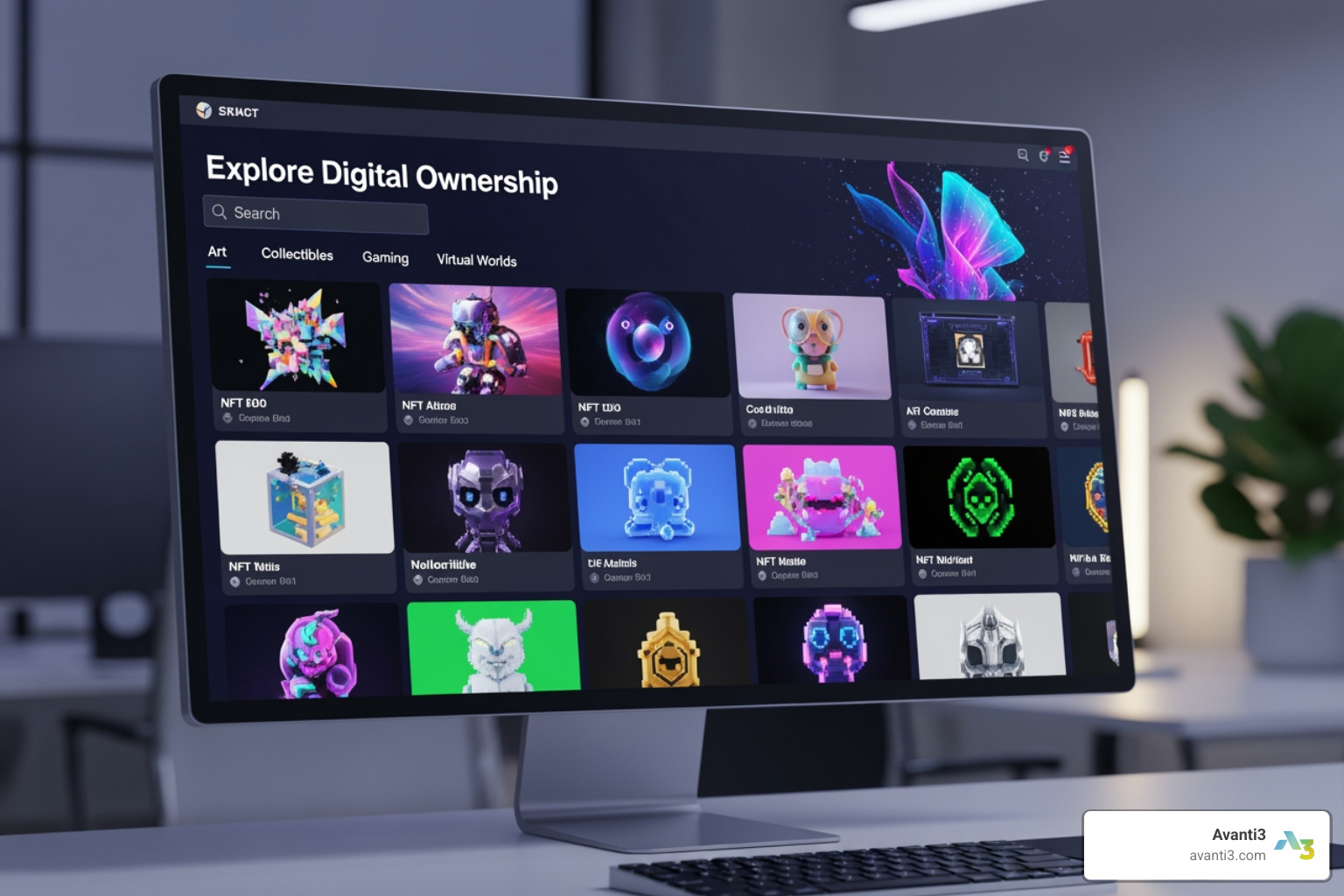
The first major peer-to-peer NFT marketplaces set the stage, establishing user-friendly models for beginners. They grew to support millions of NFTs across numerous blockchains, offering a vast array of digital assets from art to virtual worlds. Their welcoming interfaces made them go-to platforms for those new to the space.
However, the landscape was shaken up by newer platforms designed for professional traders. Marketplaces launched in recent years have quickly captured large trading volumes by offering zero marketplace fees. They provide advanced tools like sweeping (buying multiple NFTs at once), sniping (buying newly listed NFTs quickly), and sophisticated analytics. This created a clear distinction in the market: some platforms prioritize ease of use and variety for newcomers, while others focus on speed, low costs, and advanced features for experienced traders.
Other key players have carved out niches by focusing on specific blockchain ecosystems, like Solana, offering ultra-low transaction costs that attract many traders.
When evaluating marketplace performance, we look at key metrics:
- Trading Volume: The total value of transactions, indicating market activity. High-volume platforms can see billions in Gross Merchandise Volume (GMV).
- Number of Traders: A high number suggests broad community engagement.
- Floor Price: The lowest price for an NFT in a collection, signaling baseline value.
- Sales Volume: The total number of NFTs sold.
- Average Price: The mean price of NFTs sold on a platform.
These metrics help gauge the health of a trending NFT marketplace. The rapid evolution from basic listing sites to sophisticated trading hubs highlights the growing maturity and specialization in the NFT space, offering diverse avenues for NFT Digital Art Sales and beyond.
For readers who want to dive deeper into the broader crypto asset ecosystem that underpins many NFT markets, the Cryptocurrency article on Wikipedia provides helpful background on digital currencies, consensus mechanisms, and market structure.
Innovation in NFT Marketplaces: Multi-Chain and Niche Experiences
Innovation in NFT marketplaces extends beyond volume and fees to supporting diverse blockchain ecosystems and catering to specific interests. This has led to platforms offering multi-chain support, curated art, exclusive drops, and low transaction costs.
Many platforms now offer extensive multi-chain support, including Ethereum, Polygon, Solana, and Avalanche. This versatility allows users to access a broader range of NFTs and benefit from the unique advantages of different networks.
For those with a discerning eye for digital art, curated marketplaces offer a premium experience. Some Ethereum-based platforms operate like social networks for digital art, with strict curation to ensure high quality. They foster an exclusive environment for exceptional NFT artworks, attracting fine art collectors. Other platforms have become famous for hosting exclusive drops from high-profile artists and for viral NFT sales, proving that quality curation and exclusivity can create significant value.
Low transaction costs are a huge factor for many users. Marketplaces built on efficient blockchains like Solana offer ultra-low transaction costs. Some large exchange-based marketplaces also provide highly competitive trading fees, often around 1%. The choice of blockchain directly impacts these costs; while Ethereum remains popular, its gas fees can be substantial. Layer 2 solutions and alternative blockchains offer faster, cheaper transactions, making NFTs more accessible.
Niche marketplaces are also thriving. For example, some platforms are dedicated to decentralized video games, with millions of active users trading in-game NFTs. For sports enthusiasts, marketplaces offer NFTs of memorable moments from major leagues, allowing fans to own a piece of sports history. These specialized platforms demonstrate the broad application of NFTs beyond traditional art, even venturing into exciting fields like Augmented Reality NFTs.
This diverse landscape means that no matter your interest—be it high-end art, gaming collectibles, or multi-chain flexibility—there’s a trending NFT marketplace designed to meet your specific needs.
Community-Driven and Low-Fee Marketplace Models
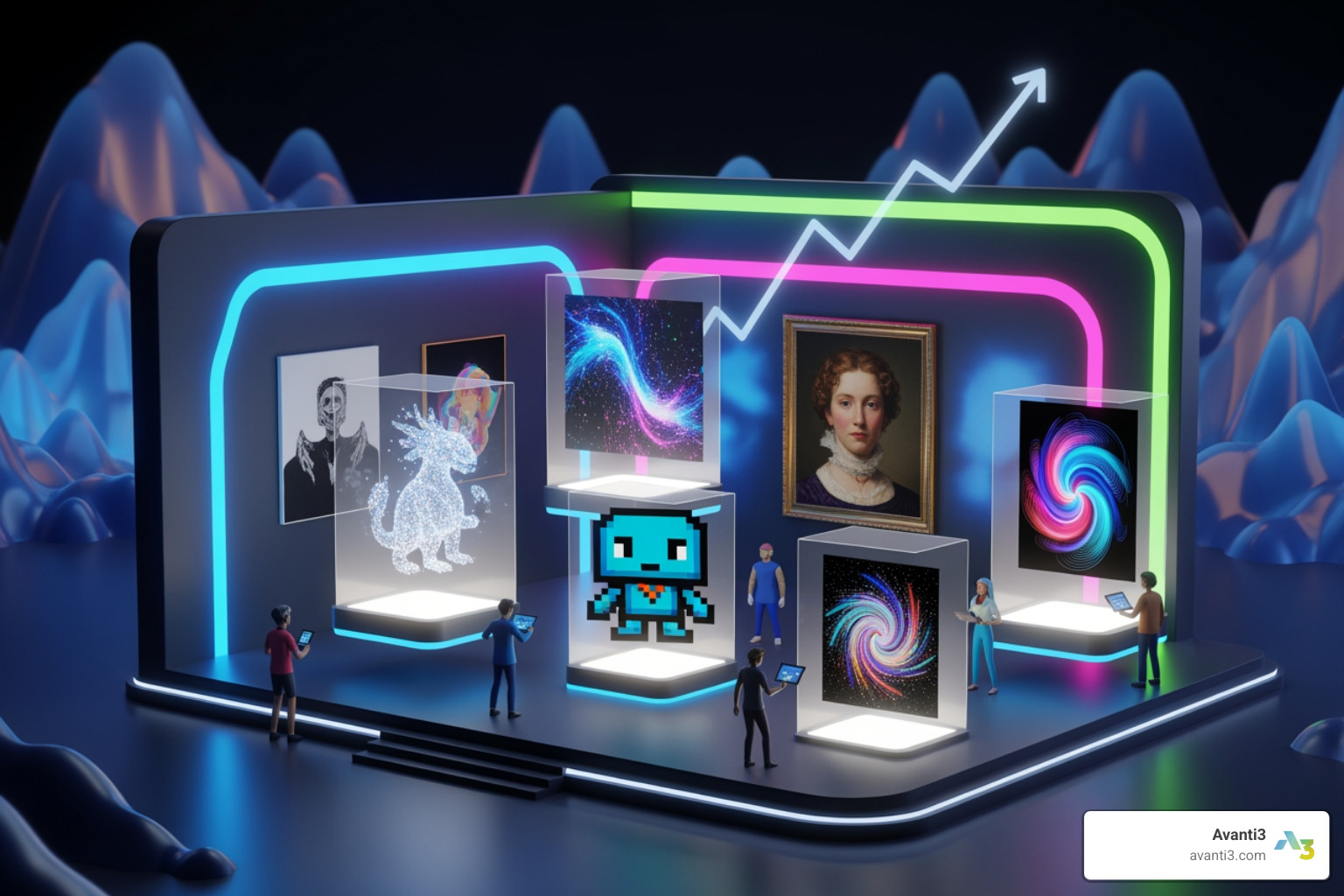
A significant trend in the trending NFT marketplace space is the rise of community-driven platforms and those prioritizing low fees. These models are reshaping how creators and collectors interact with the NFT ecosystem.
Some platforms are community-owned, supporting multiple blockchains and moving towards decentralization by giving the community a say in the platform’s future. This community-centric approach resonates with many users. Other innovative models reward users for buying and selling NFTs with native platform tokens. This system incentivizes activity and fosters a loyal user base by distributing value back to the community.
The push for low trading fees is a major differentiator. Some marketplaces offer zero marketplace fees, while others boast competitive 1% trading fees or the ultra-low transaction costs of efficient blockchains like Solana. These low-fee models are crucial for increasing accessibility for new participants.
Creator empowerment is also at the forefront. Many platforms now offer features like gasless minting, which allows creators to list NFTs without upfront gas fees by transferring the cost to the buyer upon sale. This significantly lowers the barrier for artists to enter the NFT space. Other platforms focus on helping creators monetize their work while building a personal community, giving more control back to the artists.
These community-driven and low-fee models, often built on robust Web3 Platform Solutions, are critical for democratizing the NFT space. They empower individual artists and small communities, ensuring the benefits of this new digital economy are shared more broadly.
How to Choose a Marketplace and What’s Next
Navigating the busy world of NFT marketplaces can feel like trying to find a needle in a haystack—a very shiny, very expensive haystack. But with a clear understanding of your needs and the market’s offerings, we can make informed decisions.
Key Factors for Choosing a Trending NFT Marketplace
Choosing the right trending NFT marketplace is crucial. Consider these key factors to ensure a smooth and rewarding experience.
Here’s a breakdown of what to look for:
- Blockchain Support: Decide if you want to trade on Ethereum, Solana, Polygon, or another blockchain. Each has its own ecosystem, fee structure, and community. Some platforms support over 20 chains, while others excel on a specific one. Your choice dictates which NFTs you can access and your transaction costs.
- Trading & Gas Fees: Marketplace fees vary widely, from 0% to 5% or more. Gas fees, the blockchain network fees, depend on network congestion and can be high on chains like Ethereum. Look for platforms on low-cost blockchains or those offering gasless minting, which defers fees to the buyer.
- User Experience (UX): For beginners, a simple, intuitive interface is paramount. Many large, open marketplaces are recommended for user-friendliness. Professional traders might prefer platforms with advanced analytics and bulk trading features.
- Security: Always prioritize security. Use official marketplace websites and never share your private keys. While platforms work to patch vulnerabilities, wallet security is your responsibility. Trading is a high-risk activity that can lead to major losses.
- Creator Royalties: For artists, understanding how a marketplace handles royalties is vital. You can set a royalty percentage (typically 5-10%) on resales, but not all marketplaces honor them, so check each platform’s policy.
- Type of NFTs & Curation: Decide if you want fine art, gaming assets, or collectibles. Some marketplaces are curated, focusing on quality and exclusivity, while others are open, allowing anyone to list NFTs.
- Community & Support: A vibrant community offers insights and support. Some platforms with community-owned models foster strong user engagement.
- Performance Metrics: For advanced users, analyzing a marketplace’s trading volume, active traders, and floor price trends provides valuable insights into its liquidity. Data aggregator sites allow users to see this information in real-time.
Be aware of the inherent risks of trading NFTs, including market volatility, regulatory uncertainty, and scam risks. Always conduct your own research before making trading decisions. Our goal is to empower you with the knowledge to steer this exciting but complex space.
Essential Requirements for Trading NFTs
Before diving into buying, selling, or creating NFTs, you need a few essentials. Think of it as preparing your digital toolkit.
- A Crypto Wallet: This is your digital safe for crypto and NFTs. It can be a software application or a physical device. Popular browser extension wallets exist for Ethereum-compatible chains, and specific wallets are popular for other ecosystems like Solana. Ensure your wallet is compatible with the blockchain and marketplace you plan to use.
- Cryptocurrency Holdings: To buy NFTs, you’ll need the native cryptocurrency of the blockchain, such as Ether (ETH) for Ethereum or Solana (SOL) for Solana. You can acquire these from major cryptocurrency exchanges. You’ll also need extra funds to cover transaction fees (gas fees).
- A Marketplace Account: Once you have a wallet and crypto, create an account on your chosen trending NFT marketplace. This usually involves connecting your crypto wallet to the platform. Always use the official website to avoid phishing scams. Most major marketplaces have a straightforward account creation process.
- Understanding Gas Fees: These are transaction fees paid to the blockchain network. Gas fees vary by blockchain and network congestion, and can be high on chains like Ethereum during peak times. Platforms on efficient blockchains offer lower costs, and some marketplaces offer “gasless minting,” where the buyer pays the fee upon purchase.
- Platform Security Awareness: Security is paramount. Verify you’re on the official site of any marketplace and never share your private keys or seed phrase. User vigilance is the first line of defense.
If you want a neutral, technical overview of how these networks process your NFT transactions under the hood, the Blockchain entry on Wikipedia is a useful reference on blocks, consensus, and security models.
Having these essentials ready ensures a smoother entry into the NFT market. Our goal at Avanti3 is to help you steer this space effectively, providing foundational knowledge for engaging with Web3 Platform Solutions responsibly.
The Future of NFTs: Engagement and Utility
The journey of NFTs is just beginning. The future of the trending NFT marketplace is less about speculation and more about real-world utility, deeper engagement, and innovative applications.
Emerging trends point to a future where NFTs are integrated into our daily lives. We’re seeing institutional adoption grow as major brands explore how NFTs can improve customer loyalty. The integration of NFTs into gaming is also exploding, moving beyond simple in-game items to entire play-to-earn economies with millions of active users.
Layer 2 scaling solutions are making transactions faster and cheaper, improving user experience and making mass adoption more feasible.
Perhaps the most exciting trend is the shift towards real-world utility. NFTs are evolving into dynamic assets representing membership, tickets, credentials, and even physical goods. An NFT could grant exclusive access to events, discounts, or fractionalized real estate. This is where token-gating comes in, allowing NFT holders to access exclusive content and communities.
For artists and creators, NFT marketplaces offer immense benefits:
- Full Ownership & Royalties: Artists maintain verifiable ownership and can earn a royalty percentage (typically 5-10%) on every resale.
- Global Visibility: Marketplaces provide artists with a global audience, allowing direct connection with collectors worldwide.
- New Art Forms: NFTs enable creators to experiment with digital art, music, video, and even Augmented Reality NFTs.
- Forgery Resistance: The blockchain provides immutable proof of authenticity and provenance.
- Community Building: NFTs foster direct relationships between creators and fans, which is where Web3 Community Management becomes vital.
At Avanti3, we are at the forefront of this evolution, integrating Web3 technologies like NFTs, blockchain, AR/VR, and AI to empower creators and brands. We provide customizable NFT Engagement Tools and fintech solutions for unique digital experiences, rewards, and community building. Our mission is to set a new standard in digital engagement and fan monetization, helping creators leverage Web3 Creator Platforms to thrive.
The future of NFTs is bright. If you’re a brand or creator looking to harness this potential, we can help you build your own custom NFT marketplace custom to your vision.