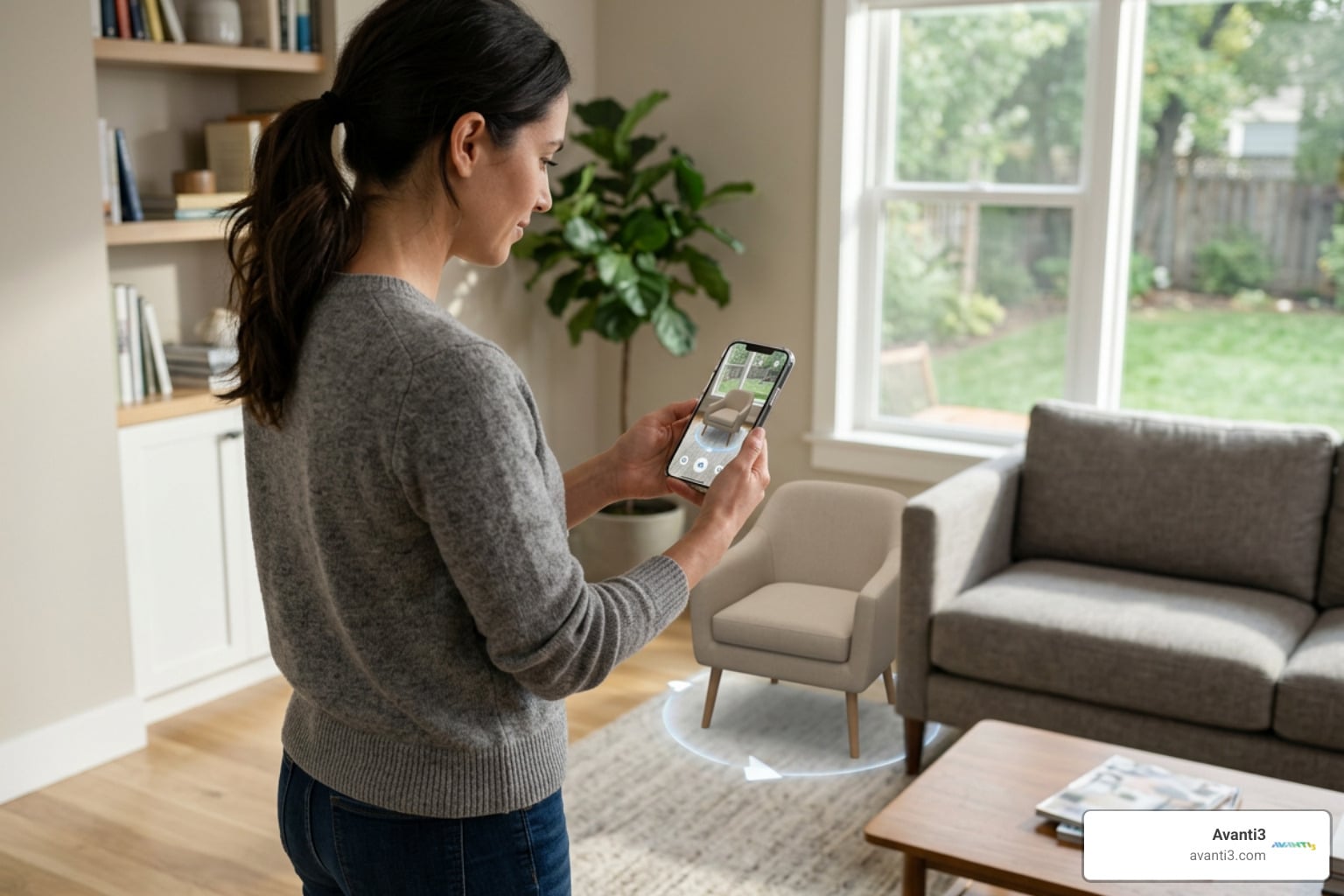


Why Digital Incentives Are Changing Today’s Classrooms
Digital incentives for students are rewards delivered through technology, such as digital badges, gamified quests, and exclusive content access. They are effective because they tap into students’ desire for achievement and recognition within the digital environments where they are most comfortable.
Top Digital Incentives That Work:
- Digital Badges & Certificates: Visual achievements to collect and share.
- Gamified Quests & Leaderboards: Turn learning into an interactive game.
- Virtual Field Trips: Immersive experiences as rewards.
- Exclusive Content Access: Bonus materials for top performers.
- Public Recognition: Shout-outs in newsletters or on class social media.
- E-Gift Cards: Tangible rewards for online stores.
- Virtual Lunch with Teacher: One-on-one time as a special privilege.
- Digital Choice Boards: Students pick their preferred reward.
The shift to digital learning has created new challenges for educators. While an eLearning Industry study shows 70% of students are more motivated by rewards, many teachers struggle to implement them in virtual or hybrid classrooms. Traditional sticker charts don’t translate to online learning, but digital incentives offer a superior solution: scalable recognition, data-driven insights, and time-saving tools that build stronger classroom communities.
I’m Samir ElKamouny, and I specialize in creating engagement strategies that drive results. Let’s explore how you can level up your classroom with digital incentives that work.
Handy digital incentives for students terms:
A Teacher’s Guide to Digital Incentives for Students

Keeping students motivated is a primary goal for every educator. Digital incentives for students offer a dynamic approach to classroom management by fostering a positive environment, reinforcing good behavior, and encouraging academic growth. These are not just digital prizes; they are tools for building engagement.
Digital reward systems, like the Avanti3 Digital Reward System for Students, integrate seamlessly with frameworks like Positive Behavior Interventions and Supports (PBIS). They allow educators to track positive actions and gather real-time data on student progress, which helps in identifying trends and facilitating targeted interventions.
Why Digital Incentives Work
Digital incentives are rewards delivered via technology, leveraging gamification and instant feedback to boost motivation. They are effective for several key reasons:
- Gamification: By incorporating points, badges, and leaderboards, incentives turn learning tasks into exciting challenges, increasing participation.
- Motivation Blend: While an external reward like a badge provides an initial push, the sense of achievement fosters intrinsic motivation, encouraging a genuine love for learning.
- Immediate Reinforcement: Digital systems provide instant recognition. This immediate feedback loop powerfully reinforces desired behaviors as they happen.
- Positive Culture: Celebrating achievements openly creates an environment where effort is valued. Involving students in designing the incentives builds a sense of ownership and community.
- Academic Growth: Motivated students participate more, complete more work, and strive for excellence, leading to measurable learning improvements. Avanti3 Tools for Building Online Communities can amplify this by creating spaces for students to share achievements and support each other.
Top 10 Digital Incentive Ideas for Any Classroom
Here are ten effective digital incentives for students that can work in any learning environment:
- Digital Badges & Certificates: Award virtual trophies for achievements or positive behavior. Many platforms allow for customizable badge systems that can be displayed on student profiles or digital portfolios.
- Gamified Quests & Leaderboards: Use Avanti3’s engagement tools to transform your curriculum into an adventure. Create quests, challenges, and leaderboards to tap into students’ competitive spirit in a fun, constructive way.
- Virtual Field Trips: Reward students with immersive trips to places they can’t visit in person. Organizations like the Smithsonian Institution and NASA offer incredible virtual tours. Avanti3 can help curate and deliver these experiences seamlessly.
- Exclusive Content Access: Motivate students by offering top performers access to bonus materials, advanced lessons, or a sneak peek at upcoming projects.
- Personalized Feedback Videos: A short, personal video message from a teacher acknowledging a student’s effort can be incredibly impactful and makes students feel seen and valued.
- Virtual Lunch with the Teacher: Offer one-on-one or small group time on platforms like Zoom or Google Meet. This is a great way to build rapport outside of formal lessons.
- Public Recognition: Acknowledge student achievements in a class newsletter, during a virtual meeting, or on a school-approved social media channel. A “Student of the Week” feature can be a great confidence booster.
- Digital Choice Boards: Empower students by letting them choose their reward from a menu of options, such as a homework pass or extra time on an educational game site like ABCya. This increases the value of the reward by respecting individual preferences.
- E-Gift Cards: For older students, e-gift cards for online stores or streaming services can be a practical and highly motivating tangible reward.
- Class Playlist Curator: Grant a student the privilege of creating a school-appropriate music playlist for the class to listen to during independent work.
These ideas, inspired by successful strategies from sources like 10 Innovative Virtual Rewards For Your Online Students, show the versatility of digital incentives.
Implementing Your Digital Incentive Program

A successful program requires thoughtful planning and consistent execution. Here’s how to get started:
- Involve Students in the Design: When students help create the incentive system, their buy-in skyrockets. Brainstorm ideas as a class to foster a sense of ownership.
- Set Clear Goals: Students must know exactly what behaviors or achievements will be rewarded. Clearly define and communicate these goals.
- Choose the Right Platform: A robust platform is key for tracking and management. Avanti3 Digital Engagement Platforms provide the infrastructure to assign points or badges and allow students to redeem rewards.
- Track Progress and Intervene: Use the platform’s data to gather real-time insights into student progress. This helps identify who is thriving and who may need extra support through targeted interventions.
- Align with PBIS: Digital incentives are a natural fit for Positive Behavior Interventions and Supports (PBIS). Use the system to award points for demonstrating core values like respect and responsibility.
- Maintain Consistency: Students need to trust that their efforts will be recognized fairly and promptly. Consistency is crucial for maintaining motivation.
Tailoring Rewards for Different Age Groups
Effective incentives must be age-appropriate. What excites a kindergartener will likely not motivate a high schooler.
-
Elementary School (K-5): Younger students respond to visual and immediate rewards.
-
Middle School (6-8): This age group values social interaction, autonomy, and experiences.
- Ideas: Sophisticated gamified platforms (powered by Avanti3) with avatar customization, exclusive content access, or the privilege of choosing a class activity.
- Focus: Social connection, choice, and experiences.
-
High School (9-12): High schoolers appreciate independence and rewards with real-world value.
- Ideas: E-gift cards, extra credit, the chance to choose a project topic, or even micro-scholarships for academic achievements. Public recognition that can be added to a resume is also powerful.
- Focus: Future-oriented goals, autonomy, and practical value.
By leveraging Avanti3 Personalized Data, you can track which incentives are most effective for different students and refine your program for maximum impact.
Challenges and Best Practices
While powerful, digital incentive programs require thoughtful implementation to be successful and equitable.
Potential Challenges:
- Equity and Access: Ensure programs don’t disadvantage students without reliable internet or personal devices. Offer offline alternatives or ensure access during school hours.
- Over-reliance on Rewards: Use incentives to spark engagement, not as a bribe that could diminish intrinsic motivation. The goal is to foster a love of learning.
- Student Privacy: Be diligent about protecting student data and adhering to privacy regulations like FERPA. The Student Privacy Policy Office offers helpful Virtual Learning Resources.
Best Practices:
- Be Transparent: Clearly communicate how the program works, what the goals are, and how privacy is protected.
- Offer Choice: A menu of reward options empowers students and increases engagement.
- Focus on Process: Recognize effort, perseverance, and improvement, not just final outcomes.
- Keep it Fresh: Periodically update rewards to maintain student interest.
- Prioritize Design: A well-designed program is more engaging and effective. Avanti3 Digital Experience Design helps create intuitive and motivating reward journeys.
The Future of Student Motivation: Web3 and Beyond
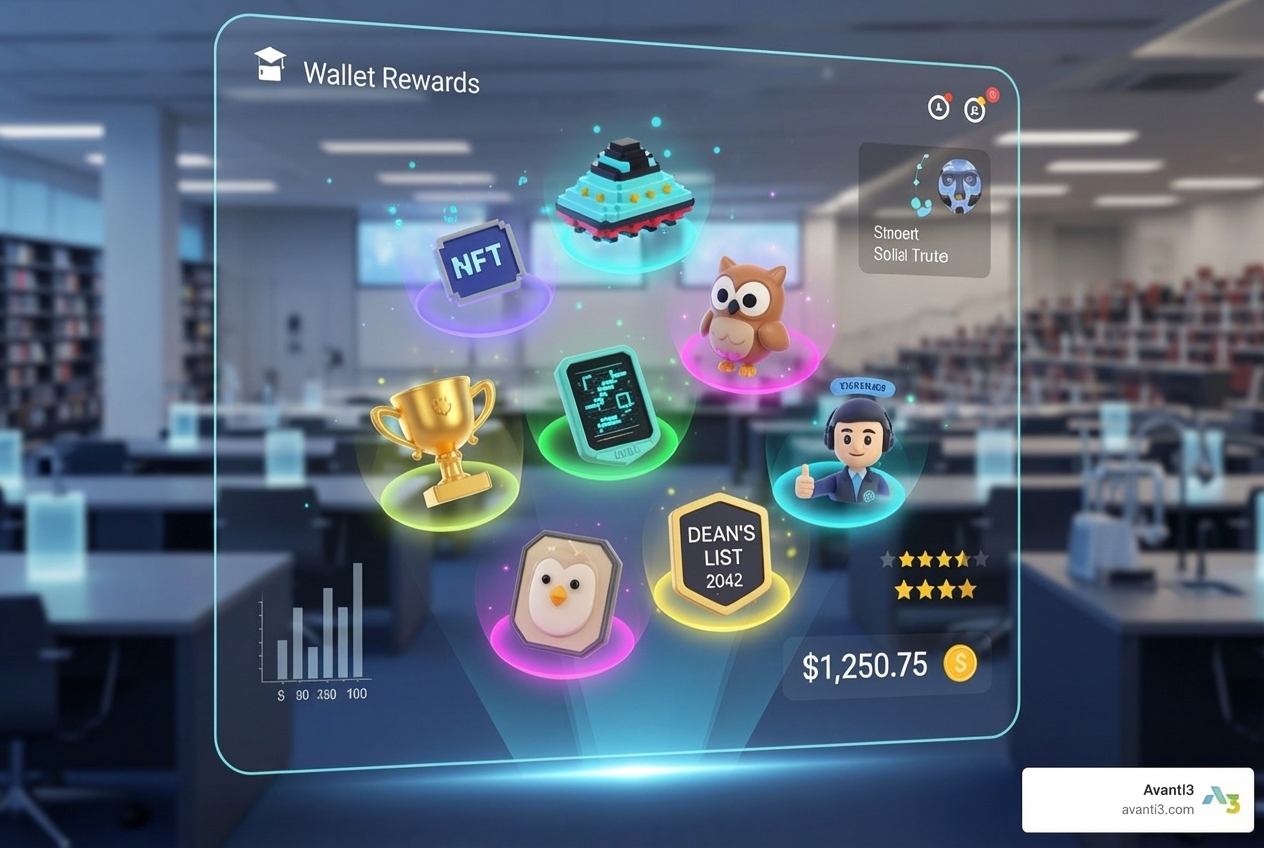
The future of digital incentives for students lies in Web3 technologies like blockchain, NFTs, and AR/VR. This evolution moves beyond simple digital badges to create verifiable, student-owned digital assets that form a permanent record of achievement.
Web3 technologies enable next-generation rewards:
- Verifiable Achievements with NFTs: Non-Fungible Tokens (NFTs) can represent unique academic milestones. Unlike a simple badge, an NFT is owned by the student and verifiable on a blockchain, creating a secure, lifelong learning portfolio.
- Immersive Reward Experiences with AR/VR: Go beyond virtual tours with truly immersive rewards. Avanti3 AR/VR Immersive Experiences can design captivating adventures, like an AR trophy that appears in the classroom or a VR trip to interact with historical figures.
- Personalized Digital Collectibles: Students can earn unique NFT art or characters tied to academic goals, creating a personalized journey of mastery.
- Student-Owned Data: Web3 principles empower students with greater control over their academic data and portfolios, fostering digital literacy and responsibility.
This new generation of incentives boosts motivation while providing students with valuable digital assets and preparing them for a tech-driven future.
Get Started with Your Digital Incentive Program
Embracing digital rewards is a powerful way to foster a positive classroom culture, empower students, and improve engagement. By integrating thoughtful incentives, you can boost motivation, build community, and use data to support each student’s journey.
Getting started is straightforward. Involve your students in the design process, choose a few simple incentives, and select a platform that makes tracking easy.
Avanti3 is at the forefront of this innovation, empowering educators to create advanced, student-owned reward systems. Our Avanti3 NFT Engagement Tools help you design unique digital assets that serve as meaningful, verifiable achievements.
To build a cutting-edge program that transforms student motivation, learn more about the Avanti3 digital reward system. Let’s level up learning together!