

Immersive Marketing Solutions That Don’t Suck
What Is VR Experiential Marketing (And Why It Actually Works)
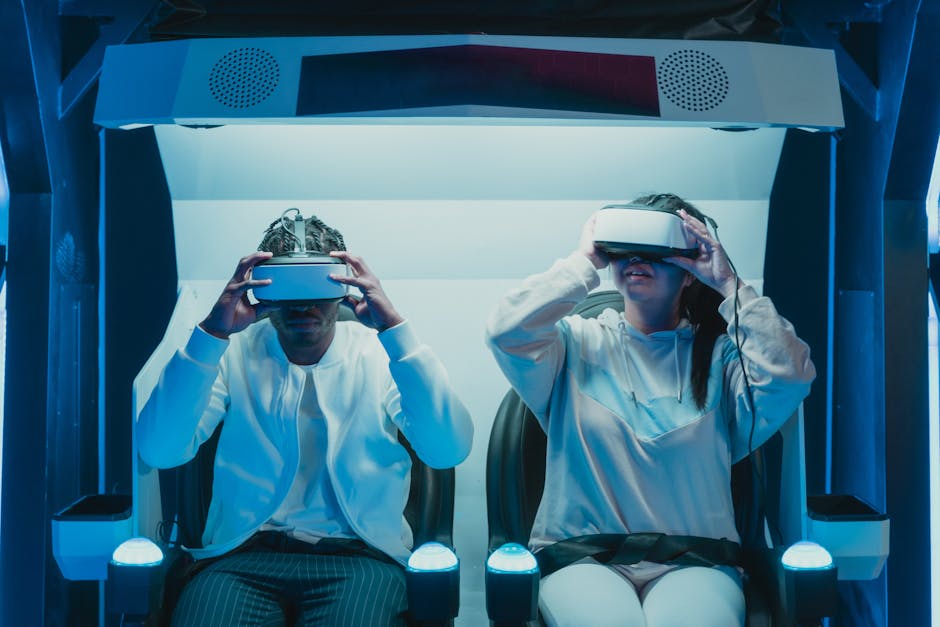
VR experiential marketing is the use of virtual reality technology to create immersive, interactive brand experiences that go far beyond a banner ad or a 30-second spot.
Here’s the short version:
- What it is: Brands use VR headsets, 360° video, or browser-based virtual environments to place consumers inside a story, product, or world
- Why it works: 80% of consumers feel positively about branded VR experiences — because participation beats passive viewing every time
- Where it shows up: Product launches, retail activations, experiential roadshows, virtual events, and trade shows
- The result: Deeper emotional connection, stronger brand recall, and measurable lifts in purchase intent
Traditional marketing tells people about a product. VR experiential marketing puts them inside it.
That shift — from observer to participant — is what makes the difference. When someone flies through a virtual fridge, test-drives a car they haven’t touched, or steps onto a virtual football pitch in a retail store, they’re not watching a brand. They’re experiencing it. And experiences stick in ways that ads simply don’t.
The digital-first shift accelerated by the pandemic only made this more urgent. Consumers now expect brands to meet them in immersive, personalized spaces — not just interrupt their scroll.
I’m Samir ElKamouny, a marketing expert who has helped scale countless businesses using cutting-edge strategies, including VR experiential marketing, to create deeper audience connections and drive real revenue. Let’s break down exactly how it works — and how you can use it.
VR experiential marketing terms to know:
The Evolution and Impact of VR experiential marketing
If you’ve been in the marketing world for a minute, you might remember the first “wave” of VR. It was… clunky. Headsets were heavy, cables were everywhere, and the graphics often looked like a blocky video game from 1998. It was a novelty—a “tech for tech’s sake” gimmick that usually ended with someone feeling a bit nauseous.
But we are currently witnessing a massive resurgence. VR has moved past the “trough of disillusionment” and emerged as a storytelling powerhouse. What changed? The hardware grew up. We moved from tethered, complex setups to sleek, standalone headsets like the Meta Quest or the Eden Snacker. These devices are portable, high-resolution, and easy for event staff to manage.
The stats back up this comeback. Research shows that 85% of marketers turn to immersive technologies to enhance their experiential strategies. We’ve also seen a shift in how we access these worlds. With cloud-based streaming and browser-based VR (WebVR), you don’t always need a $500 headset to participate. You can enter a virtual brand world through a smartphone or a laptop, making these experiences more accessible than ever.
Strategic maturation is the real game-changer here. Brands are no longer just asking, “Can we do VR?” They are asking, “How can VR tell our story better than a billboard?” This shift from novelty to utility is why VR experiential marketing is now a staple in the modern marketer’s toolkit.
Why VR experiential marketing Outperforms Traditional Ads
Why does a VR headset beat a high-budget TV commercial? It comes down to the psychology of memory and visceral response. When you watch an ad, you are a spectator. When you step into a virtual art experience, your brain processes the event as a lived memory.
Think about the “Boursin Sensorium” campaign. It wasn’t just a video of cheese; it was a multi-sensory journey through a virtual fridge. The results were staggering: 98% of participants recalled the experience two months later. Try getting that kind of recall from a Facebook ad.
VR enables personal consumer interactions that traditional media can’t touch. It follows the “show, don’t tell” rule of thumb. Instead of telling a customer a car is fast, you give them a virtual test drive on a professional track. Instead of telling them your product is eco-friendly, you take them on an emotional journey to the forest where the ingredients are sourced. This creates a level of brand loyalty and sentiment that is built on experience rather than just claims.
Real-World Success: From Sensory Roadshows to Virtual Realms
We’ve seen some incredible examples of brands doing this right. Let’s look at a few that set the bar:
- The Boursin Sensorium: This was a masterclass in multi-sensory VR experiential marketing. They used Oculus Rift headsets to take users through a 360° CGI animation of a fridge filled with ingredients. To make it “real,” they added cool air blasts, scents, and even moving chairs. The result? Product usage almost doubled among those who attended.
- Walmart Realm: Walmart recently launched a virtual reality experience that functions as an influencer-curated shopping marketplace. It’s essentially “gaming-inspired commerce.” Users can explore stylized worlds, discover products through their favorite creators, and buy items directly within the experience.
- Meta Quest 4D Billboards: To launch the Quest 3, Meta created walk-in 4D billboards. Passersby could step into a physical space that mirrored a game environment (like battling ghosts or surviving zombies) before putting on the headset to see how the Mixed Reality (MR) version compared. It generated a waiting list of over 1,400 people almost instantly.
- Coca-Cola and Adidas: These brands have used VR for everything from virtual locker room tours to “teleporting” fans to the FIFA World Cup. These activations drive viral shareability because people love filming their friends reacting to the virtual world.
Implementing VR experiential marketing: Hardware and Strategy
If you’re ready to dive in, you need to think about both the “gear” and the “goal.”
Hardware Options:
- Standalone Headsets: Devices like the Meta Quest 3 are the gold standard. They are wireless, powerful, and don’t require a PC.
- Portable Solutions: The Eden Snacker is a great example of a handheld VR viewer used at events for quick, high-turnover experiences.
- WebVR: This allows users to experience 3D worlds via their mobile browser—no headset required. This is perfect for digital experience design that needs to reach millions of people at home.
The Strategy: Don’t just build a world; build an integrated campaign. We recommend:
- 3D Product Tours: Let customers explore every nook and cranny of a product.
- Virtual Test Drives: Perfect for automotive or high-end equipment.
- User-Generated Content: Ensure there is a way for users to “record” their experience or take a “mixed reality” photo to share on social media. This turns one participant into thousands of impressions.
The Future of Immersive Brand Engagement
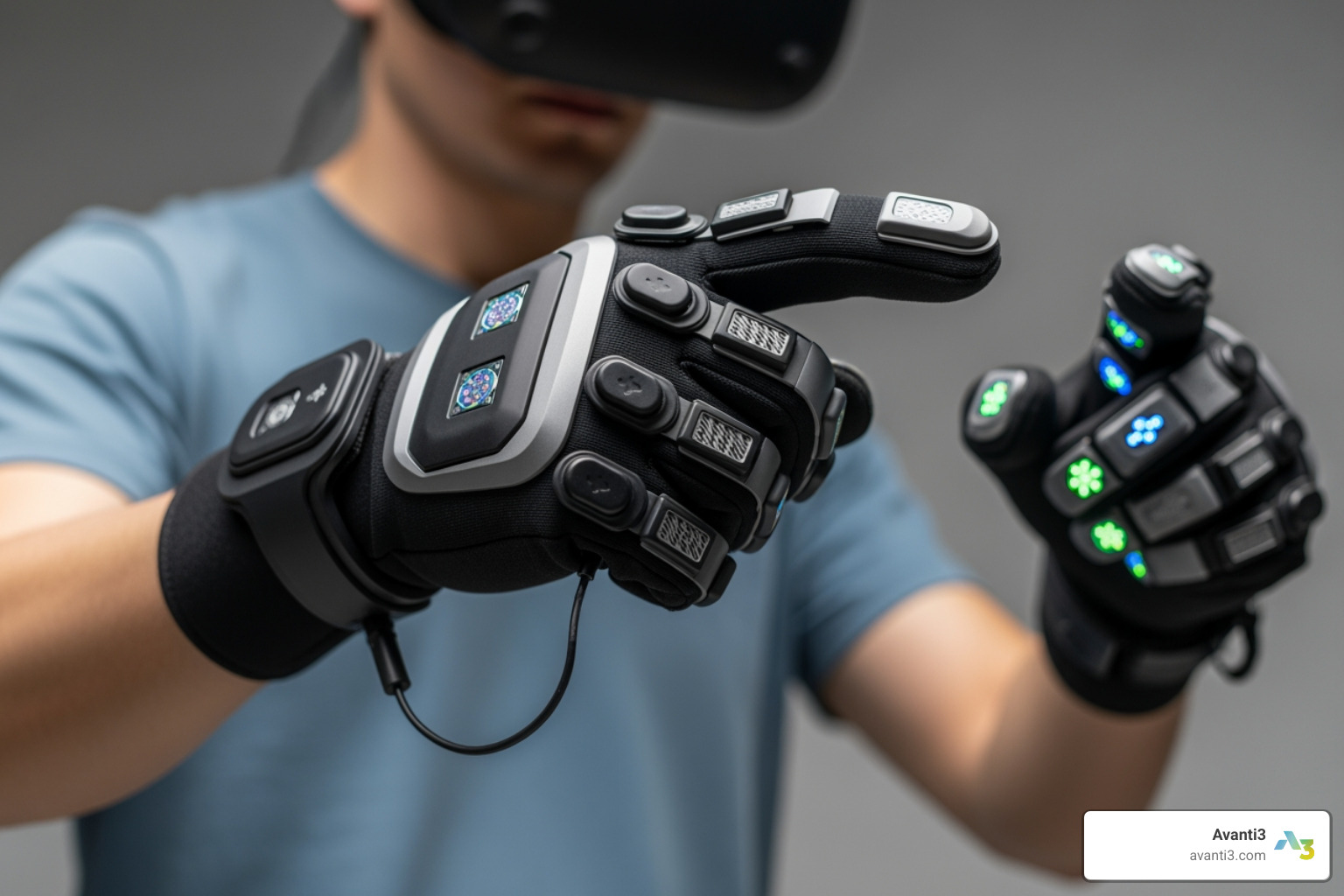
The future of VR experiential marketing isn’t just about what you see; it’s about what you feel. We are moving toward a world of “haptic feedback,” where specialized gloves or suits allow you to “touch” virtual objects. Imagine feeling the texture of a fabric or the weight of a product before you buy it.
AI-generated environments are also on the horizon. Soon, a VR brand experience could change in real-time based on who is looking at it. If the AI knows you like hiking, the virtual store might be set in the mountains. If you prefer the city, it might be a rooftop lounge.
We are also seeing the rise of “spatial video” and advanced hand-tracking, which removes the need for controllers entirely. This makes augmented reality marketing and VR feel more natural and less like a “tech demo.” The goal for brands is to create a persistent presence—a place where the community can gather, interact, and build a relationship with the brand over time, rather than just a one-off event.
Beyond the Headset: AR, MR, and Phygital Experiences
The most successful brands aren’t choosing between physical and digital; they are creating “phygital” experiences. This is where the physical world and digital overlays meet to create something better than either could alone.
| Technology | Best Use Case | Key Benefit |
|---|---|---|
| Virtual Reality (VR) | Total immersion, storytelling, training | Complete focus; removes outside distractions. |
| Augmented Reality (AR) | Product try-ons, interactive packaging | High accessibility; uses the customer’s own phone. |
| Mixed Reality (MR) | Interactive billboards, hybrid events | Blends digital objects into the real room. |
This “hybrid” approach is exactly what consumers want. Statistics show that 46% of US event attendees prefer virtual options for far-off events, and 40.6% prefer hybrid events over strictly in-person or virtual ones. We’ve seen this work beautifully with augmented reality concerts, where fans at home can see the same digital effects as fans in the front row.
A great “phygital” tactic is sending physical kits (like cocktail ingredients or product samples) to participants before a virtual event. This engages the sense of taste and smell while the VR headset handles the sight and sound.
Measuring ROI and Overcoming Implementation Challenges
We know what you’re thinking: “This sounds expensive. How do I prove it works?”
Measuring the ROI of VR experiential marketing requires looking at more than just “clicks.” You should track:
- Brand Recall: Surveys often show recall rates of 70-90% for VR.
- Net Promoter Score (NPS): Immersive experiences consistently lift brand sentiment.
- Purchase Intent: Does the “try before you buy” VR session lead to a checkout?
- Social Media Engagement: Track the reach of the “reaction videos” shared by participants.
Of course, there are challenges. Motion sickness is still a factor for some users, which is why we suggest keeping experiences short (3-5 minutes) and ensuring high frame rates. Scalability can also be tough—you can only put so many people through a headset at a physical event. This is where hybrid strategies and WebVR come in to save the day.
Getting Started with Immersive Digital Experiences
If you’re ready to stop being a “passive” brand and start being an “active” experience, it’s time to look at Gamification 2.0. This isn’t just about points and badges; it’s about creating AI-driven challenges and immersive storytelling that makes the consumer the hero of the story.
With 71% of customers expecting personalized experiences, you can’t afford to offer a “one size fits all” campaign. At Avanti3, we specialize in bridging the gap between traditional marketing and the future of digital engagement.
We integrate Web3 technologies like NFTs and blockchain with AR/VR solutions to give brands customizable engagement tools. Whether you want to build a virtual rewards system or a community-building metaverse space, the technology is finally here to make it happen without the “clunk.”
The future of marketing isn’t something you watch on a screen. It’s something you step into. Are you ready to open the door?
Explore our solutions: