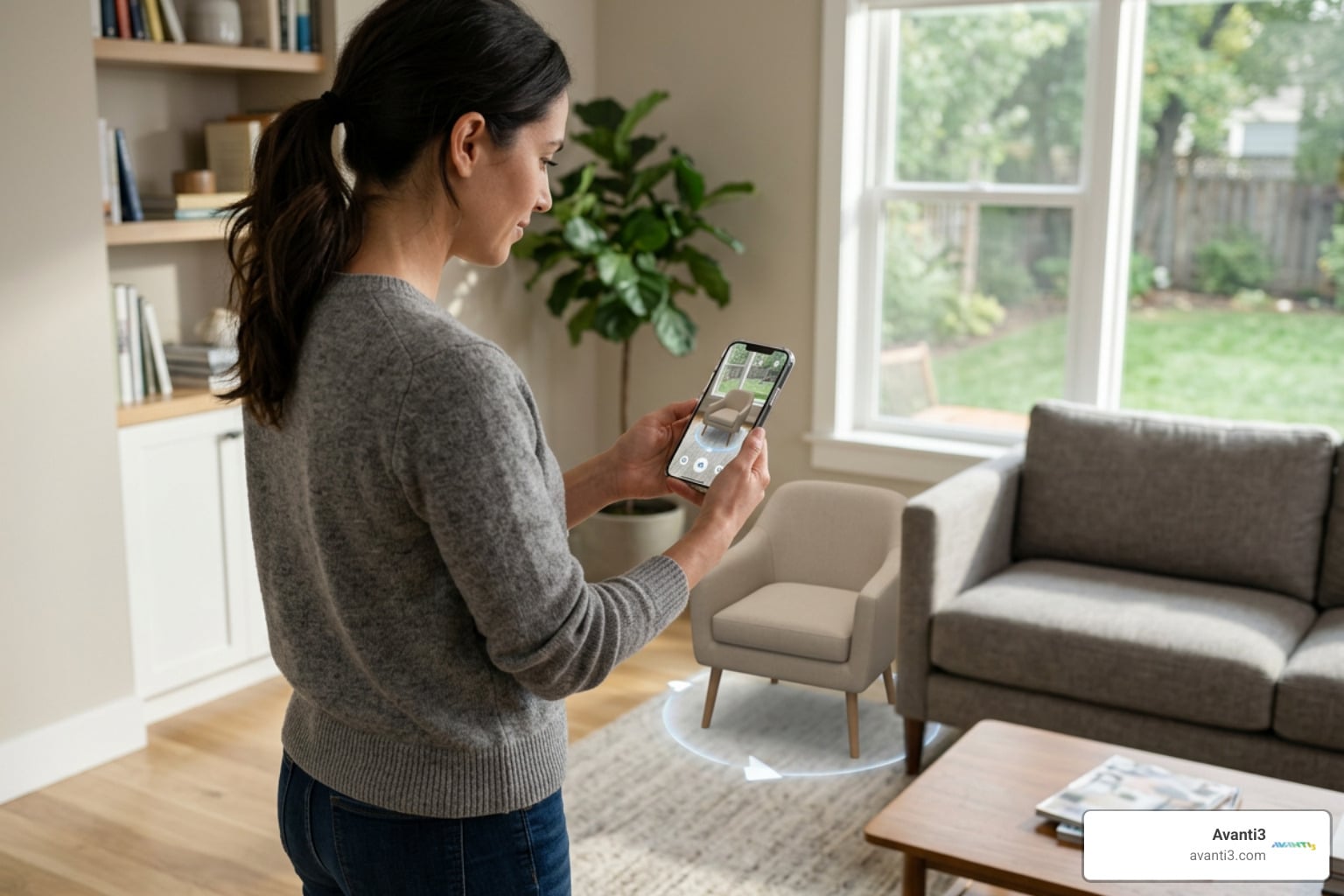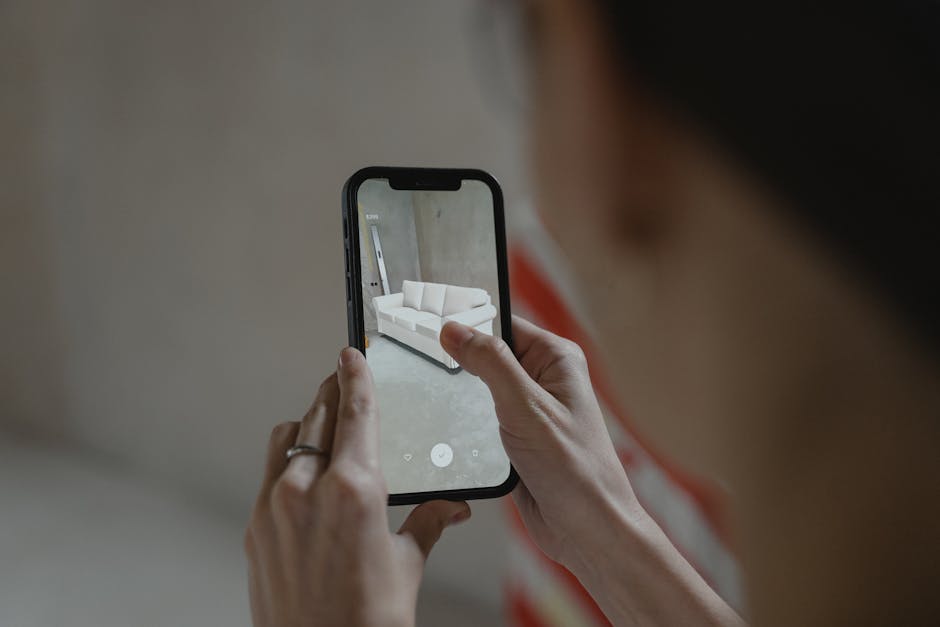


How to Bring Your Bored Ape to Life Using AR Integration
Your NFT Is Worth More Than a JPEG — Here’s Why AR Changes Everything
Augmented reality NFT integration is the process of linking blockchain-verified digital assets to real-world, interactive 3D experiences that users can view through their smartphones or AR devices — no gallery, no screen, no limits.
Here’s a quick breakdown of what that means in practice:
- What it is: AR overlays your NFT as a 3D object into the physical world — on your desk, your wall, or Times Square
- How it works: A QR code, WebAR link, or marketplace embed triggers the experience directly in a mobile browser — no app download needed
- Who it’s for: NFT creators, collectors, gaming projects, fashion brands, and any team wanting deeper audience engagement
- Why it matters: AR-enhanced NFTs generate 60% higher perceived value, a 124% higher share rate, and 48% better community engagement compared to static 2D assets
- The technology behind it: Blockchain verifies ownership and authenticity while AR renders the asset in real space using formats like GLB and GLTF
The gap between owning a digital asset and experiencing it has always felt frustrating. A Bored Ape as a profile picture is one thing. Watching it stand in your living room, moving and breathing through your phone camera, is something else entirely. That shift — from static JPEG to living, interactive object — is exactly what AR integration unlocks for NFT projects in 2025.
I’m Samir ElKamouny, a marketing expert and entrepreneur who has helped scale businesses using cutting-edge technologies, including augmented reality NFT integration as a tool for building loyal, engaged communities. In this guide, I’ll walk you through exactly how AR and NFTs work together — and how to use that combination to make your digital assets impossible to ignore.
The Mechanics of Augmented Reality NFT Integration
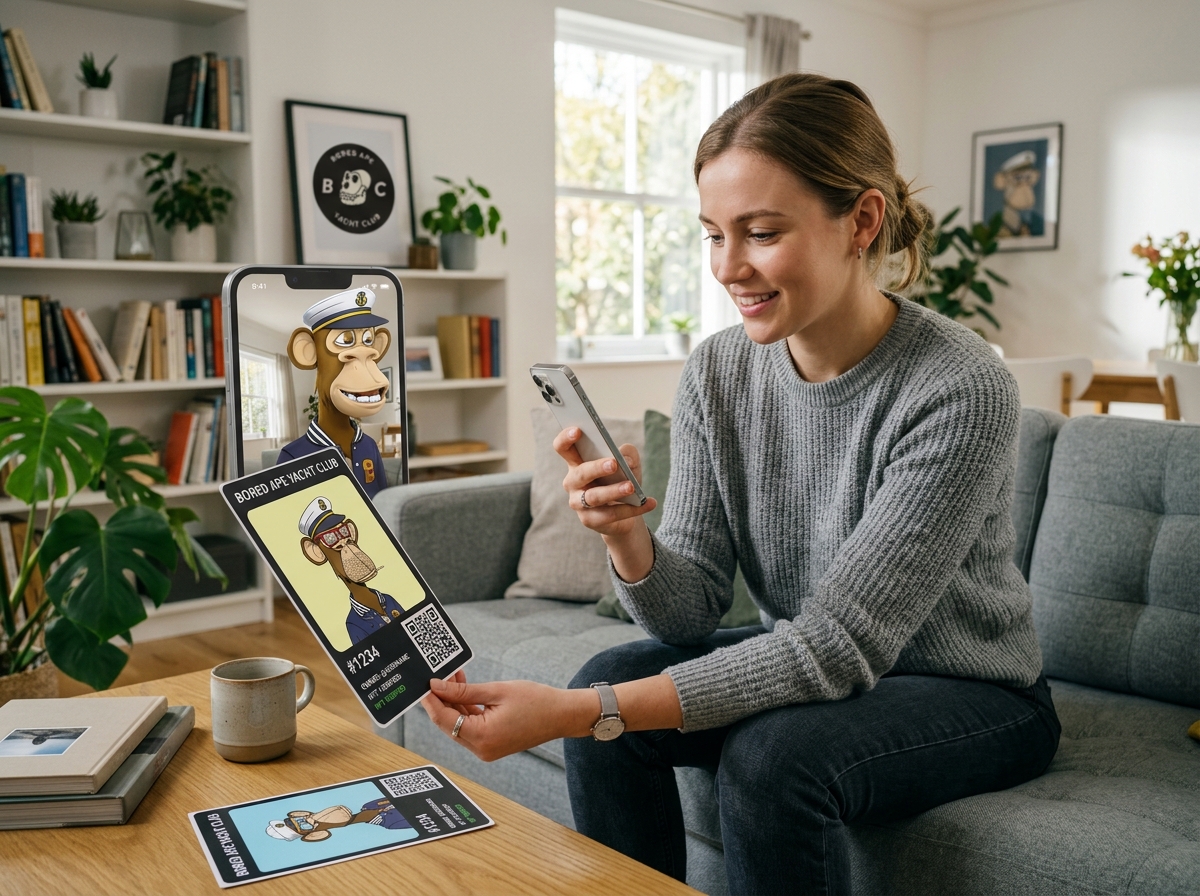
To understand how we bring a digital collectible into the physical world, we have to look under the hood of spatial computing. At its core, augmented reality NFT integration relies on the bridge between a blockchain’s data layer and an AR engine’s rendering layer.
When you “view” an AR NFT, your device isn’t just showing a picture. It is performing metadata pulling. The AR software communicates with the blockchain to verify that the 3D asset associated with that specific token is authentic. Once verified, the software uses real-time rendering to project that asset into your view.
There are two primary ways we make this happen:
- WebAR: This is the “holy grail” for accessibility. It allows users to experience AR directly through a mobile browser (like Safari or Chrome) by scanning a QR code. No app download is required, which removes the biggest barrier to entry for the average user.
- App-based AR: While it requires a download, apps often provide more stable tracking and complex interactions, such as advanced face-tracking or body-tracking for digital fashion.
The magic that keeps your Bored Ape from sliding across the floor like it’s on ice is called SLAM (Simultaneous Localization and Mapping). This technology allows your phone to “read” the room, identifying floors and walls so the digital object stays pinned in space. This creates a sense of digital scarcity in a physical context—you are the only one seeing that specific, rare asset sitting on your coffee table.
Boosting Engagement through Augmented Reality NFT Integration
Why are brands like Meta spending billions ($36B on Reality Labs alone between 2019 and 2022) on this? Because the numbers don’t lie. When we move from a flat screen to an immersive environment, the psychology of ownership changes.
Research shows that AR ensures a significantly higher value for NFTs. Specifically, we see a 60% higher perceived value (Wertgefühl) when a collector can interact with their asset in the real world. If you can “touch” it, it feels more real. Furthermore, there is a 124% higher share rate. People don’t usually screenshot a 2D image to show their friends, but they will record a video of a 3D monster dancing in their backyard.
By using nft-engagement-tools, creators can tap into:
- Interactive Storytelling: Your NFT can react to the user’s environment.
- Social Media Virality: AR filters on platforms like Instagram and TikTok turn every collector into a brand ambassador.
- Community Connection: Holding an AR-enabled NFT can act as a “digital flex,” a status symbol that bridges the gap between the URL and the IRL.
Technical Standards for Augmented Reality NFT Integration
To ensure your NFT doesn’t just look like a blurry blob, we have to follow specific technical standards. In When Augmented Reality (AR) and NFTs Meet | Chainlink, we focus heavily on interoperability.
| Feature | Static 2D NFT | Interactive AR NFT |
|---|---|---|
| Format | JPG, PNG, GIF | GLB, GLTF, USDZ |
| Interaction | Visual only | 360-degree viewing, animation, scaling |
| Hosting | Standard Servers / IPFS | IPFS with AR-optimized CDNs |
| Tracking | None | Marker-based or Markerless (SLAM) |
| Utility | Profile Picture | Virtual Try-on, Gaming, Real-world display |
The industry standard for 3D models is the GLB or GLTF format. These are essentially the “JPEGs of 3D.” They are compact, support animations, and work seamlessly across most AR platforms. For the best results, assets should be hosted on IPFS (Interplanetary File System) to ensure the decentralized nature of the NFT remains intact.
We also distinguish between marker-based tracking (where the AR is triggered by a specific image, like a physical poster or a logo) and markerless visualization, which uses low-power SLAM to detect surfaces anywhere.
Industry Use Cases for Immersive Assets

We are seeing augmented reality nft integration revolutionize multiple sectors simultaneously. It’s no longer just about art; it’s about utility.
- Fashion & E-commerce: Brands like Asics have experimented with NFT sneakers that you can actually “wear” using your phone’s camera. This virtual try-on technology allows customers to see how digital-only or limited-edition physical items look on them before a purchase.
- Gaming: Imagine your “Play-to-Earn” (P2E) character sitting next to you while you eat breakfast. AR brings in-game assets out of the console and into your life as digital companions.
- Art Galleries & Museums: Artists are using AR to add a “third dimension” to physical paintings. You scan a mural in a city, and the NFT version comes to life with animation and sound.
- Real Estate: High-end developers use AR NFTs to allow potential buyers to walk through a 3D “digital twin” of a property that hasn’t even been built yet.
By leveraging ar-marketing-solutions, businesses can turn a simple transaction into a memorable experience that drives foot traffic and digital sales.
Future Trends and Implementation Strategies
As we look toward the future, the synergy between the metaverse and Web3 is becoming undeniable. With the launch of high-end spatial computers like the Apple Vision Pro, the demand for high-quality AR NFTs is skyrocketing.
One of the most exciting trends we are tracking is Gaussian Splatting. This is a technique that allows us to create hyper-realistic 3D scenes from a few photos or a video. Instead of a “cartoonish” 3D model, your AR NFT can look indistinguishable from reality. Combined with AI-generated 3D models, the cost of creating these assets is dropping, making it accessible for smaller creators, not just those with Beeple-sized budgets (who, let’s remember, sold a digital collage for $69 million).
Step-by-Step Deployment of AR Experiences
If you want to bring your collection to life, you need a clear roadmap. According to The Future of Augmented Reality with NFTs – Orochi Network, the process follows a logical flow:
- 3D Modeling: Convert your 2D art into a 3D asset (GLB/GLTF). You can use tools like photogrammetry or hire a 3D artist (costs typically range from €100 to €500+ depending on complexity).
- Smart Contract Creation: Ensure your NFT’s metadata includes a link to the 3D file. This is where nft-marketplace-development comes in, as the marketplace must be able to recognize and display these files.
- Wallet Connection: The user connects their wallet to verify they own the asset.
- Asset Management & Cloud Hosting: Use a platform to manage your 3D assets and track how often they are being viewed or shared.
- Analytics Tracking: Measure your ROI by tracking “scans per day” and community engagement levels.
Token-Gating and Exclusive Utility
One of the most powerful ways to use augmented reality nfts is through token-gating. This means only people who hold a specific NFT in their wallet can “unlock” the AR experience.
Imagine attending a concert where only NFT holders can see the secret 3D stage effects through their phones. Or a physical clothing store where scanning a QR code reveals an “exclusive” digital overlay on the jacket you just bought—but only if you own the brand’s membership token.
This creates scarcity-driven value. It’s not just about looking cool; it’s about belonging to an exclusive club. For brands, this is a goldmine for fan monetization and building long-term loyalty. By offering rewards like “digital twins” or “easter egg” content, you turn a passive customer into an active participant in your brand’s universe.
Conclusion: Scaling Your Brand with Avanti3
The era of the “static” digital asset is coming to an end. Augmented reality NFT integration is the bridge that finally connects our digital wallets to our physical lives. Whether you are an artist looking to give your work more “soul” or a brand aiming to dominate the Web3 landscape, AR is your most potent tool.
At Avanti3, we specialize in making this complex transition simple. We integrate Web3 technologies like NFTs, blockchain, and AR to empower you with:
- Deeper Digital Engagement: Turn your followers into an active community.
- Customizable Rewards Systems: Use token-gating to drive real-world value.
- Future-Proofing: Stay ahead of the curve as the metaverse becomes our primary social space.
- Scalable Solutions: From 3D modeling to smart contract deployment, we handle the heavy lifting.
Don’t let your NFT project stay stuck in a 2D world. It’s time to bring your vision into the three-dimensional reality your audience lives in.