


Why Digital Consumer Engagement Matters More Than Ever
Digital consumer engagement is the ongoing, two-way relationship between brands and customers across digital channels—from websites and social media to mobile apps and emerging platforms. It goes beyond simple transactions to create meaningful connections that build loyalty and drive growth.
Key aspects of digital consumer engagement:
- What it is: Every interaction a business has with customers through digital touchpoints, focused on building lasting relationships rather than one-off sales
- Why it matters: A 5% increase in customer retention can boost profit by 25%
- Core difference: Traditional engagement relies on physical interactions and limited channels, while digital engagement enables personalized, real-time connections across multiple platforms
- Primary goal: Transform customers into brand advocates who actively participate in your community
The digital landscape has fundamentally changed how brands connect with their audiences. Today’s consumers expect more than ads and sales pitches—they want authentic relationships, personalized experiences, and genuine value at every touchpoint.
82% of consumers feel more positive about a company after engaging with personalized content. This shift means that businesses must evolve from broadcasting messages to creating conversations. Digital engagement isn’t just a marketing tactic—it’s the foundation of modern customer relationships.
I’m Samir ElKamouny, and I’ve spent my career helping brands scale through strategic digital consumer engagement that transforms one-time buyers into loyal community members. My approach combines innovative technology with authentic relationship-building to open up sustainable growth for creators and businesses alike.
In this guide, we’ll explore proven strategies for building meaningful digital connections, the technologies powering modern engagement, and how to measure success in ways that truly matter for your business.
Core Strategies for Building Meaningful Digital Consumer Engagement
Here’s the truth: having a website and a few social media accounts isn’t enough anymore. Your customers are scrolling through hundreds of posts, emails, and ads every single day. Their attention is incredibly valuable—and incredibly hard to earn.
The good news? When you get digital consumer engagement right, something magical happens. Casual browsers become loyal customers. Loyal customers become passionate advocates who can’t stop talking about you.
This shift requires moving from passive presence to active relationship-building. Your competitors are already investing in engagement strategies, and your customers have come to expect personalized, meaningful interactions. The digital world gives us tools that traditional marketing could never offer—real-time insights into what customers want, immediate feedback on what’s working, and the ability to create genuine connections at scale.
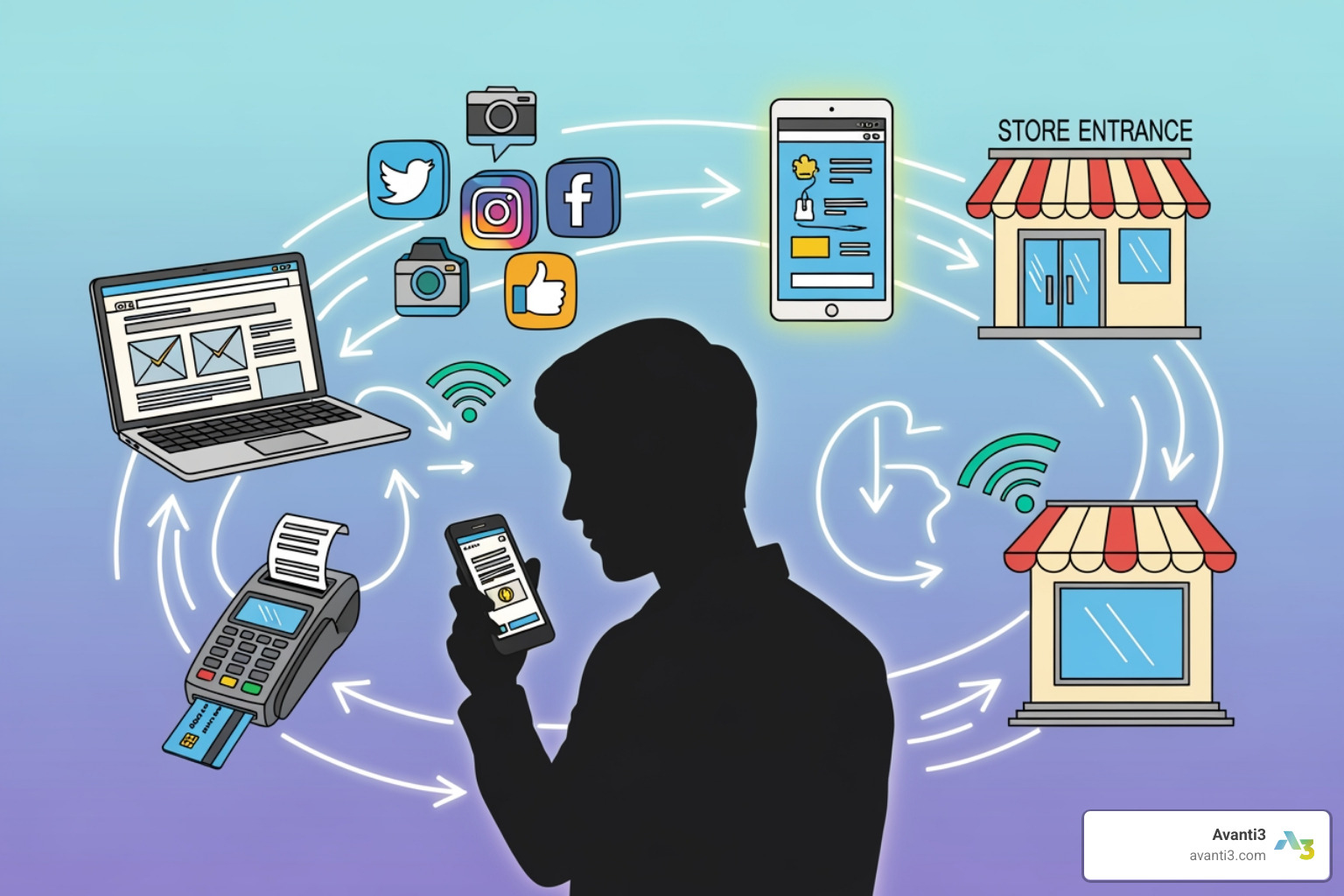
At the heart of effective digital consumer engagement lies a simple principle: put your customer first in every single interaction. This customer-centric approach means anticipating needs before they arise, being available where and when your customers need you, and creating experiences that genuinely solve problems.
We’ve seen businesses double their conversion rates simply by adding live chat to answer questions in real-time. That’s the power of being proactive and present.
Think about your favorite local coffee shop. When the barista remembers your order, you feel seen and valued. That same feeling of personal recognition is what we’re creating digitally—but at scale. This approach builds the kind of genuine relationships that turn customers into brand advocates who spread the word organically. And that word-of-mouth marketing is gold: about 81% of customers trust recommendations from family and friends more than any advertisement.
Consider how a ride-sharing app uses your past trips and current location to suggest an airport pickup right when you need it. Or how a small bakery tripled their Instagram following by sharing behind-the-scenes stories of their morning baking routine. These brands aren’t just making sales—they’re building communities.
Leverage Personalization and Content Marketing
Remember getting a birthday card in the mail with your name spelled wrong? That’s how customers feel when they receive generic, one-size-fits-all marketing. Personalization isn’t a nice-to-have anymore—it’s expected.
The numbers back this up: 82% of consumers feel more positive about a company after engaging with personalized content. This doesn’t mean being creepy with data. It means being thoughtful about how you use customer information to create better experiences.
Imagine receiving a discount code for your favorite type of cuisine, along with restaurant suggestions near your current location. That feels helpful, not invasive. It shows the brand understands you and values your time. Tools that help manage Personalized Data make this level of customization possible without overwhelming your team.
But personalization is only half the equation. Quality content is what actually draws people in and keeps them coming back. Your content should educate, entertain, or solve problems—not just sell. Whether you’re creating blog posts, videos, interactive quizzes, or immersive experiences, the goal is to provide genuine value.
Interactive content particularly shines here. A virtual try-on feature, a personality quiz, or an augmented reality experience invites active participation rather than passive consumption. A well-crafted 60-second video that explains a complex topic simply can reach thousands of people and position your brand as a trusted resource. For deeper insights into creating content that converts, explore more info about quality content.
The best content makes people stop scrolling and think, “Wow, this is exactly what I needed.”
Foster Community and Two-Way Conversations
Social media transformed marketing from a megaphone into a conversation. Yet too many brands still treat it like a broadcast channel, talking at customers instead of with them.
Real digital consumer engagement happens when you respond to comments, ask questions, and genuinely listen to what your audience is telling you. When customers share photos of your product or tell stories about their experience, celebrate that content. User-generated content transforms passive consumers into active participants and vocal advocates.
Creating dedicated online forums or digital communities takes this even further. These spaces give customers a place to connect with each other, not just with your brand. A fitness brand’s app that rewards users for completing workouts creates a community united by shared goals. Members motivate each other, share progress, and build friendships—all while deepening their connection to your brand.
These communities also provide invaluable feedback loops. You’ll learn what customers love, what frustrates them, and what they wish you’d create next. Platforms for Digital Community Building and Community Loyalty Programs can help structure these spaces and reward your most engaged members.
This approach humanizes your brand. Customers see that you’re not a faceless corporation but real people who care about their experience. For Web3 brands in particular, community often becomes the foundation of everything—the difference between a project that fizzles and one that thrives. When influencers translate complex Web3 concepts into relatable content, they bridge the gap between niche technology and mainstream adoption.
Create a Seamless Omnichannel Experience
Your customers don’t think in channels. They don’t care that your email team and social media team report to different managers. They just want a smooth, consistent experience no matter how they interact with you.
This is what a seamless omnichannel experience delivers. Your brand voice should feel consistent whether someone visits your website, reads your emails, scrolls your social media, or uses your mobile app. More importantly, the information should flow between these touchpoints.
Picture this: a customer browses products on their laptop during lunch, emails a question in the afternoon, then follows up via mobile chat that evening. If your chat agent can see the email conversation, they can provide context and resolve the issue quickly. But if they have to ask the customer to repeat everything? Frustration builds fast.
Customer journey mapping helps you identify every potential touchpoint and ensure each one meets your standards. Effective Digital Experience Design considers how customers actually move through their interactions with you, not how you’ve organized your internal departments.
A mobile-first approach is non-negotiable today. We learned this lesson the hard way when we found 70% of our traffic came from mobile devices, but our site looked terrible on phones. We were literally turning away potential customers with a poor mobile experience.
Self-service options also play a crucial role in reducing customer effort. Comprehensive FAQs, searchable knowledge bases, and AI-powered chatbots let customers find answers on their own schedule. This empowers them while freeing your team to handle more complex issues.
The best experiences feel effortless. Customers shouldn’t notice your systems working—they should just feel that everything works. When you anticipate needs and offer solutions before problems arise, you’re not just meeting expectations. You’re exceeding them in ways that build lasting loyalty.
Technology, Measurement, and the Future of Engagement
The world of digital consumer engagement is evolving at breakneck speed. To keep up, we must see technology as a partner in building stronger customer connections. This means letting data guide our decisions, monitoring the return on our engagement efforts, and constantly learning and adapting.
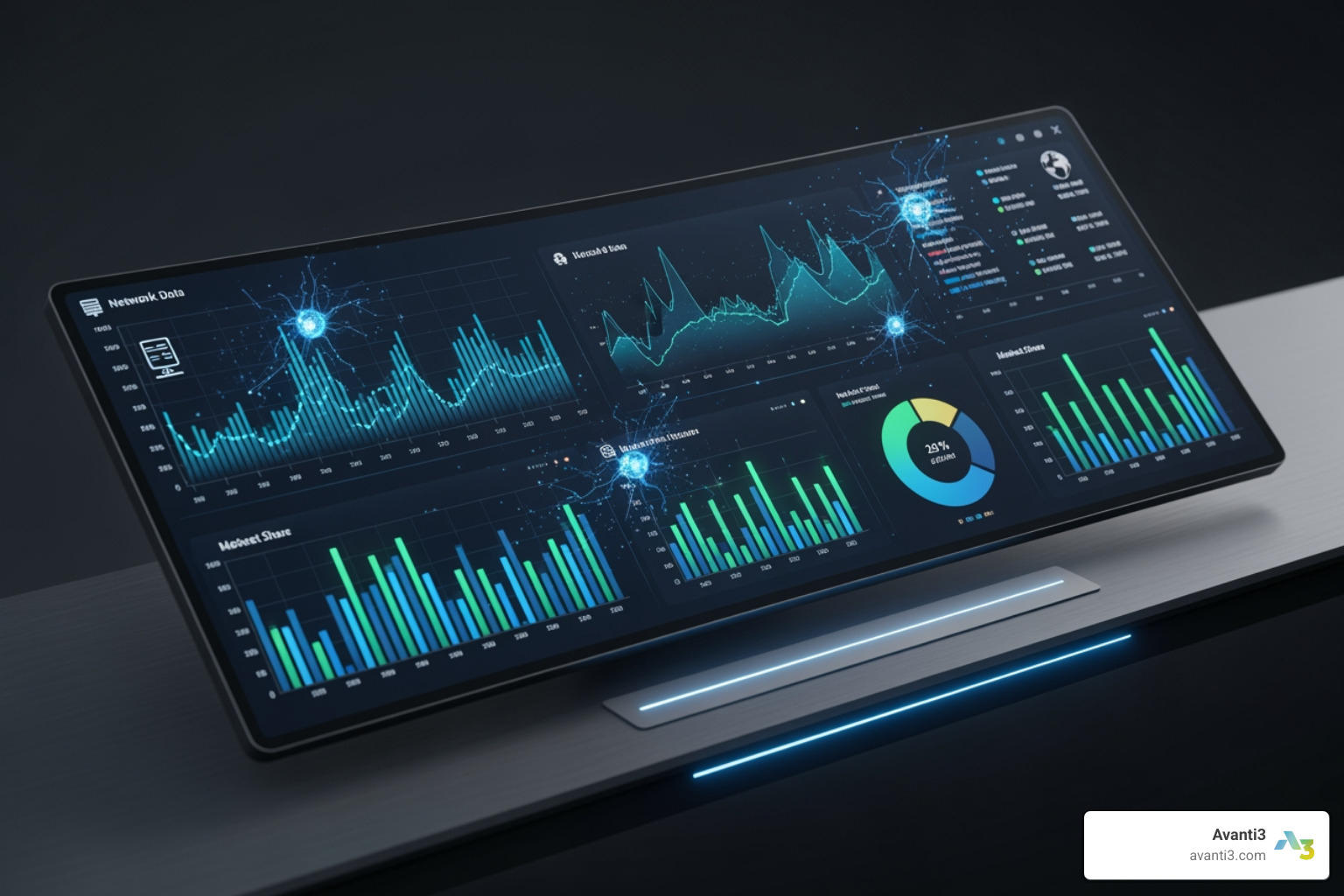
By 2025, experts predict 40% of customer service organizations will become profit centers by leading in digital consumer engagement. This is a clear signal that companies investing in advanced technology to understand and connect with their customers will be the ones to thrive.
The Role of Technology in Modern Digital Consumer Engagement
Technology is fundamentally changing how we connect with our customers, and honestly, it’s pretty exciting. Artificial intelligence and machine learning have moved from “someday” to “right now.” AI Customer Engagement is already changing customer interactions in ways that would have seemed like science fiction just a few years ago.
Take AI-powered chatbots and virtual assistants, for example. A leading bank’s virtual assistant can provide instant support at three in the morning, answer common questions, and even offer personalized financial guidance. The beauty of this? Businesses can resolve up to 70% of interactions automatically, which frees up real humans to handle the complex, nuanced conversations that truly need that human touch.
Predictive analytics takes things a step further. Instead of waiting for customers to tell us what they want, we can anticipate their needs. Imagine suggesting the perfect product just as someone’s thinking about it—that’s the power of using data intelligently. It’s not mind-reading; it’s pattern recognition, and it makes customers feel genuinely understood.
Then there are AR/VR Immersive Experiences, which are opening entirely new doors for engagement. Picture trying on clothes without leaving your couch, using a major furniture retailer’s AR app to see exactly how that sofa looks in your living room, or attending a concert from anywhere in the world. These aren’t just gimmicks—they create memorable moments that stick with people. Scientific research on digital interactive platforms shows these experiences work because they tap into our fundamental needs for autonomy, connection, and competence.
Web3 technologies are also reshaping the landscape. Blockchain and NFTs are changing how we think about ownership, authenticity, and community. Blockchain content distribution offers unprecedented transparency, while new loyalty programs can offer truly unique digital rewards. These technologies give creators and brands fresh ways to build meaningful relationships and create value together with their audiences.
How to Measure Success and Overcome Common Problems
To measure digital consumer engagement, look beyond surface-level metrics to what truly impacts your business.
Customer Satisfaction (CSAT) measures happiness with interactions. Net Promoter Score (NPS) reveals if customers would recommend you; proactive service can boost NPS by a percentage point. Customer Lifetime Value (CLV) shows the financial impact of retention, where a 5% increase can boost profit by 25%. Conversion Rates track if engagement drives action; responding to leads in five minutes can increase conversions ninefold. Finally, Engagement Metrics like website traffic, time on site, social media interactions, and email performance provide a day-to-day pulse on your connections.

Of course, measuring success is only half the battle. We also face real challenges in building effective digital consumer engagement strategies.
Data silos are a common headache. Customer information gets trapped in different systems, making it nearly impossible to see the full picture of who someone is and what they need. The solution? Invest in integrated CRM systems and customer data platforms that bring everything together in one place.
Privacy concerns require a delicate balance. We want to personalize experiences, but 42% of business leaders say finding the sweet spot between personalization and privacy is genuinely challenging. The answer is transparency—be upfront about how you use data, give people clear control over their information, and prioritize security. Focus on zero-party and first-party data that customers willingly share.
Resource allocation can feel overwhelming when there are so many channels demanding attention. The trick is to focus on where your audience actually spends their time and where you can make the biggest impact. Start with clear goals and trackable metrics to prove your ROI.
Legacy systems can hold us back. Outdated technology simply can’t support modern engagement strategies. The path forward involves embracing digital change with agile, cloud-based platforms that can grow and integrate as your needs evolve.
The Future of Digital Engagement and Your Next Steps
The future of digital consumer engagement is both thrilling and a little overwhelming—in the best way possible. Hyper-personalization will become standard, driven by AI that’s so sophisticated it feels almost intuitive. We’re talking about experiences that adapt in real-time to individual preferences and contexts, going far beyond simple product recommendations.
The creator economy will continue its explosive growth, with individual creators and tight-knit communities playing bigger roles in shaping how brands connect with people. Web3 Creator Platforms are giving creators unprecedented tools for direct engagement and monetization, fostering relationships that feel more like partnerships than transactions. Authentic storytelling and community-driven value will define success.
Immersive digital worlds are no longer just for gamers. As AR and VR become more accessible and affordable, brands will create interactive environments where customers can explore, learn, and connect in ways we’re only beginning to imagine. This shift is about moving from passive watching to active participation in rich, engaging digital ecosystems.
At Avanti3, we’re building this future right now. We integrate cutting-edge Web3 technologies—NFTs, blockchain, AR/VR, and AI—to empower creators and brands like yours. Our customizable engagement tools, unique digital experiences, robust reward systems, and powerful community-building opportunities are designed to help you create genuine, lasting connections with your audience. We’re setting a new standard in digital consumer engagement and fan monetization, changing fleeting interactions into lifelong loyalty.
The journey to exceptional digital consumer engagement never really ends, and that’s actually a good thing. It means there’s always room to grow, always new ways to connect, and always opportunities to deepen relationships. The rewards—loyal customers, authentic connections, and sustainable growth—make every step worthwhile.
Ready to transform how you connect with your customers and open up new growth opportunities? Explore our Digital Engagement Platforms and find how we can help you build the future of digital consumer engagement today.