


A Practical Guide to Comparing Virtual Event Ticketing Platforms
What Is Virtual Event Ticketing?
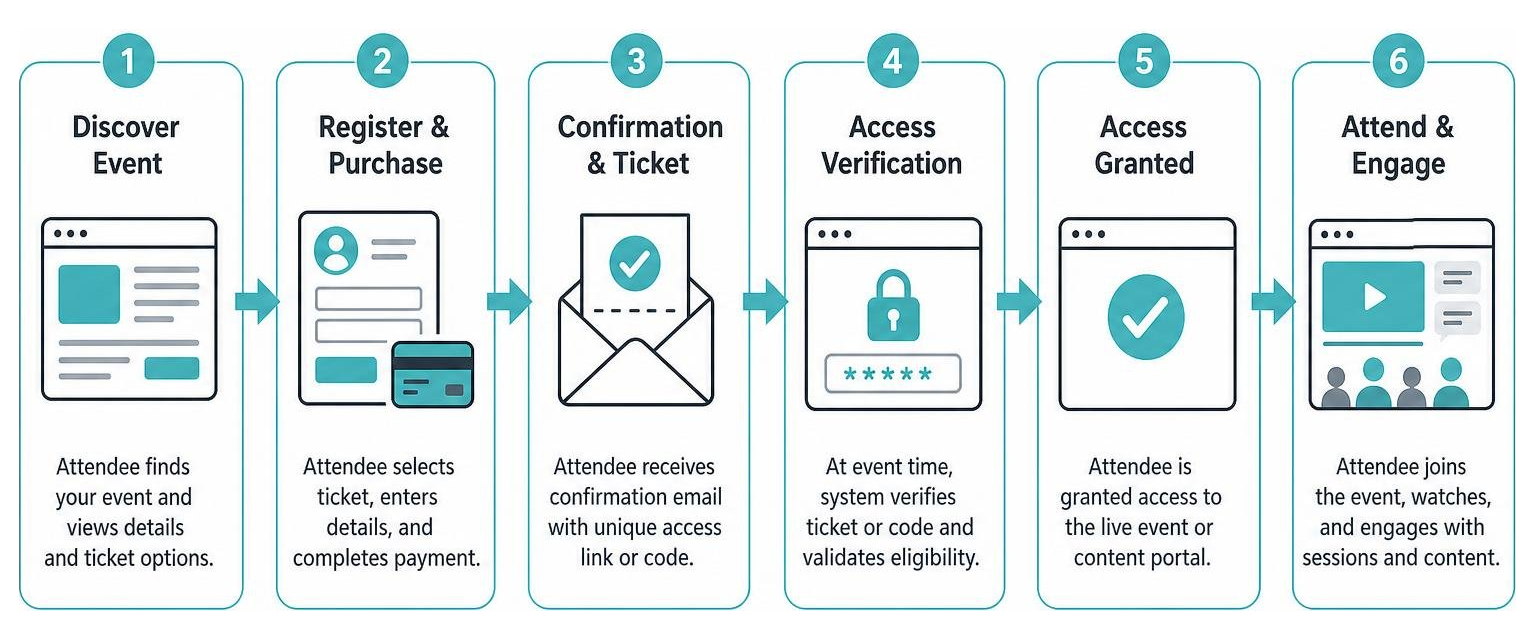
Virtual Event Ticketing is the process of selling and managing paid or free access to livestreams, online workshops, digital conferences, on-demand videos, and hybrid events. Instead of admitting someone through a physical door, it verifies their purchase and gives them access to the right digital content, at the right time.
For creators and brands, a ticket is more than a receipt. It can control access to premium sessions, collect useful audience data, connect with a streaming tool, and support tiered offers such as general admission, VIP access, replays, or private meet-and-greets.
The right platform can make digital access feel simple for attendees while giving organizers more control over branding, pricing, security, and attendee relationships. The wrong one can add surprise fees, force viewers through clunky sign-ups, or make it too easy for access links to be shared.
This guide compares the features, costs, integrations, and safeguards that matter when choosing a Virtual Event Ticketing platform.
I am Samir ElKamouny, an entrepreneur and marketing strategist focused on helping businesses turn ambitious ideas into scalable growth. My work in audience building, sales, and digital monetization informs this practical look at how Virtual Event Ticketing can help brands create secure, valuable experiences for their communities.
Key Features and Models in Virtual Event Ticketing
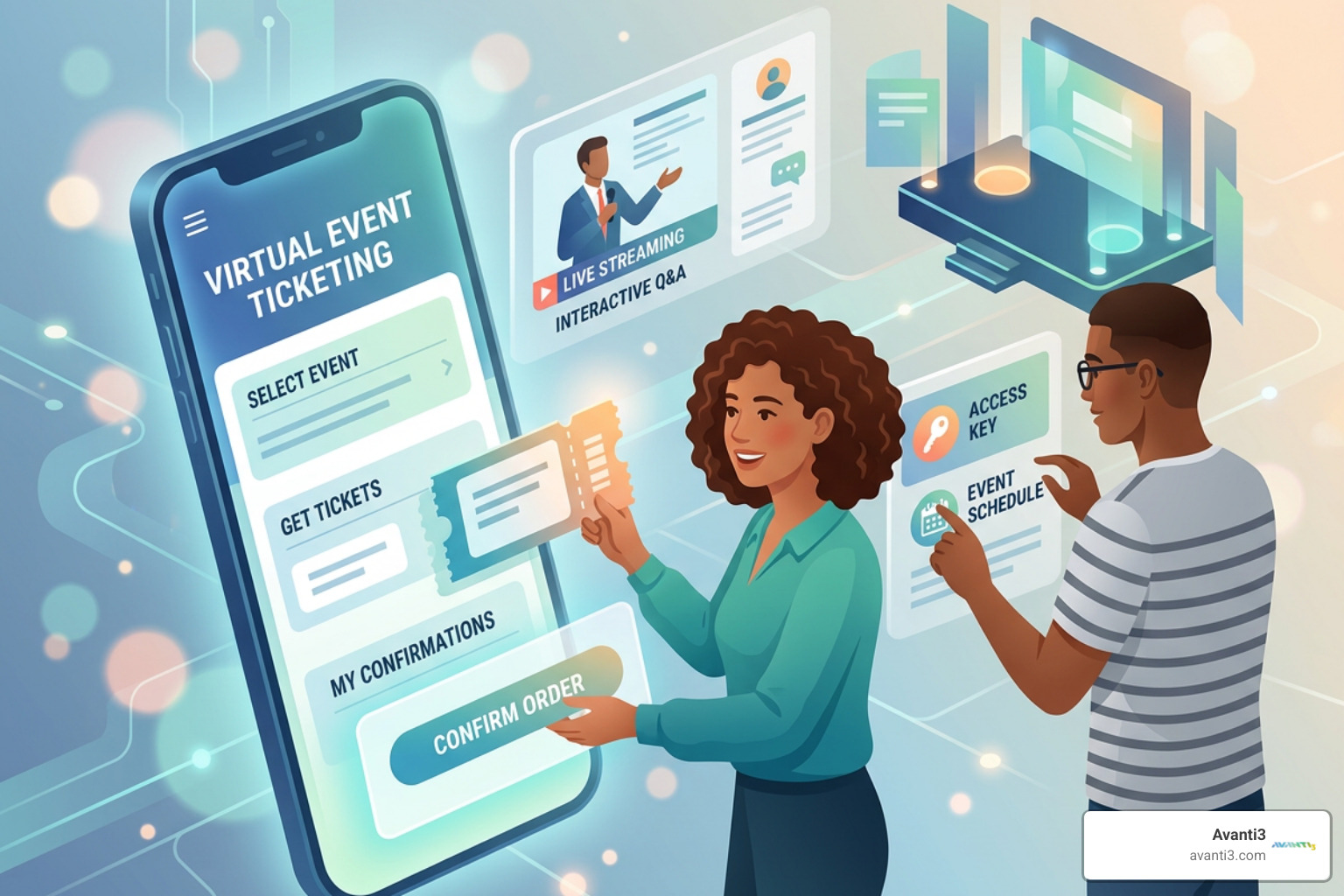
When selecting a digital ticketing solution, understanding how the underlying architecture balances host control with viewer convenience is critical. Modern Virtual Event Ticketing relies on clear monetization models, custom domain registration flows, and flexible access management.
Setting Up Virtual Event Ticketing and Restricting Access
Setting up online access requires more than just generating a video link. Professional systems let you embed live streams from popular services like Zoom, YouTube, or Vimeo directly into custom branded viewing portals. This keeps attendees inside your ecosystem rather than sending them off to external video sites.
Access control relies on flexible rules. Organizers can configure gating options including:
- Tiered Content Access: Assign specific sessions, breakout rooms, or pre-recorded video replays to specific ticket classes (e.g., General Admission vs. VIP).
- Domain Restrictions: Restrict corporate workshop access to attendees registering with specified business email domains.
- Flow Logic Rules: Apply conditional display rules during registration so specific ticket options appear only when registrants fulfill defined criteria.
- Unique Access Tokens: Issue individual pass codes tied to single buyer profiles to secure entry without requiring full account creation.
Pricing Models, Data, and Analytics for Virtual Event Ticketing
Software fee structures vary significantly across platforms. Traditional marketplace setups often charge up to 8% per transaction plus 79¢ per ticket sold. On a typical sale of 500 tickets at $50 each, high commission rates can consume over $1,375 in organizer revenue.
Alternative fee models include flat per-attendee rates (such as 99¢ per ticket plus payment processing), flat percentage rates (like 2.5% + 30¢), or self-hosted plugins that charge 0% platform commission beyond standard card processing. Understanding these structures protects your bottom line—a topic we explore further in our analysis of hidden fees and blockchain transparency.
Beyond cost, sales dashboards provide vital audience intelligence. Modern event tracking captures:
- Real-Time Revenue Metrics: Track sales velocity, conversion rates, and total revenue per ticket tier.
- Demographic & Survey Data: Gather custom form responses regarding attendee preferences and job roles during checkout.
- Attendance Reconciliation: Contrast total ticket buyers against actual live arrival rates to identify no-show trends across promotional campaigns.
Dedicated Platforms vs. General Ticketing Systems
Organizers can choose between dedicated virtual event software or general-purpose ticketing tools paired with digital access features. Each approach suits different technical requirements and event goals.
| Feature Category | Dedicated Virtual Event Platforms | General Ticketing Tools with Virtual Add-ons |
|---|---|---|
| Primary Focus | Embedded video stages, interactive Q&A, and networking lounges | Ticket distribution, physical check-in, and point-of-sale |
| Setup Complexity | Moderate to high; requires stage and session configuration | Low to moderate; quick link generation and store setup |
| Interactive Features | Native chat, live polls, virtual expo booths, and breakout stages | Basic embedded video frames or redirected URL access links |
| Fee Structure | Often higher subscription tiers or per-seat licensing models | Per-ticket transaction fees or flat per-attendee charges |
| Hardware Needs | Webcams or studio gear for interactive stage streaming | Standard camera or pre-recorded video uploads |
Evaluating options through specialized resources like virtual event platform features and stream-focused ticketing setups helps ensure your choice aligns with your production scope.
Operations, Marketing, and Security for Virtual Events

Running a smooth digital event requires a unified marketing and technical strategy. Once ticket sales go live, managing attendee tracking, security, and post-event communication ensures maximum ROI.
Check-in, Integrations, and Promotion Best Practices
Promoting digital passes requires targeted execution. Industry data shows that digital retargeting ad campaigns achieve an average ROI of 6x, with 78% of ad conversions taking place within one day of a user clicking an ad.
To convert traffic effectively, keep these promotional and operational practices in mind:
- Leverage Discount Codes & Early-Bird Tiers: Launch tiered ticket pricing to build purchasing urgency early in the sales cycle.
- Automate Email Notifications: Connect your ticket engine to marketing software to deliver personalized access links, event countdowns, and automated reminders.
- Synchronize CRM Data: Pass purchase histories directly into systems like HubSpot or Salesforce to maintain clear buyer records.
- Use Tracking Links: Distribute custom referral links and UTM tags to monitor performance across social channels and partners.
Organizers planning hybrid or multi-platform setups can explore procedural guidelines on managing online access tickets, setting up virtual ticketing features, utilizing self-hosted WordPress ticketing tools, leveraging no-cost ticket systems for free events, or setting up simple event ticketing options.
Security, Fraud Prevention, Refunds, and Cancellations
Digital events face unique security threats, particularly credential sharing. If an attendee forwards their access link to non-paying colleagues, revenue drops fast.
Key safeguards include:
- IP Address Lockouts: Restrict active digital access tokens to a single IP address at a time to prevent simultaneous logins from multiple locations.
- Single-Device Authentication: Disconnect an active stream session if the same access key is entered on another device.
- Blockchain Ticket Verification: Secure entry tokens on decentralized networks to eliminate counterfeit credentials. Discover how this works in our guide to how to secure event tickets on a blockchain.
Handling updates cleanly is equally important. Automated tools let hosts issue full or partial refunds for cancelled sessions, transition registrants to on-demand recordings, or roll tickets over to future dates without manual accounting work.
Next-Generation Experiences and Avanti3
As online gatherings evolve, audiences expect more than passive video feeds. The future of virtual events relies on interactive digital spaces, digital collectibles, and intelligent automation.
At Avanti3, we integrate Web3 technologies, artificial intelligence, and customizable engagement tools to transform digital events into vibrant fan communities. By leveraging our AI-powered ticketing system, organizers can personalize ticket tiers, automate attendee support, and reward loyal participants with verifiable digital assets like NFTs.
Whether you are hosting an exclusive digital workshop, an international conference, or hybrid fan meetups, our solutions provide full data ownership, robust security, and seamless monetization.
Ready to upgrade your audience engagement strategy? Explore immersive virtual reality experiences with us today and create unforgettable events.