

What is a Virtual Reality Development Platform and Why Does It Matter?
A virtual reality development platform is software that enables creators to design, build, and deploy immersive 3D environments. These platforms provide the essential tools for bringing VR experiences to life—from importing 3D assets and scripting interactions to integrating with VR headsets and controllers.
Quick Answer: Understanding VR Development Platforms
- What they are: Software tools for creating interactive 3D virtual environments.
- Core functions: 3D environment design, user interaction scripting, hardware integration, and deployment.
- Main types: Game engines (Unity, Unreal Engine), web-based frameworks, no-code platforms, and specialized SDKs.
- Primary uses: Gaming, enterprise training, education, virtual events, and product visualization.
- Key consideration: Choose based on your technical skill, target hardware, and project complexity.
VR development software serves as the bridge between a creative vision and the final immersive experience. Whether building a complex training simulation, a vast VR game, or a virtual product showroom, the right platform is the difference between a clunky prototype and a smooth, engaging world.
The core challenge in VR is rendering complex 3D scenes at very high frame rates to ensure immersion and prevent discomfort. This demands platforms optimized for performance, compatibility across multiple VR headsets, and tools that streamline development without sacrificing quality.
Simple guide to virtual reality development platform:
Understanding the Virtual Reality Development Platform Landscape
The world of VR development is vast and constantly expanding. To steer it effectively, we need to understand the fundamental components and the diverse tools available.
Core Functionalities and Key Benefits
At its heart, a virtual reality development platform provides the toolkit to construct digital worlds. Its core functionalities typically include:
- 3D Asset Importation and Creation: The ability to bring in or build 3D models, textures, animations, and audio.
- Environment Design: Tools to sculpt landscapes, architectural spaces, and interactive scenes.
- Interaction Scripting: Programming or visual scripting tools to define how users interact with the virtual world.
- Hardware Integration: Seamless connection with VR headsets, controllers, and tracking systems.
- Deployment: Capabilities to package and publish your VR experience to various devices.
The benefits for businesses and creators are immense. For businesses, VR platforms offer:
- Immersive Training: Create realistic training simulations for industries like healthcare and manufacturing in a safe, virtual environment.
- Product Visualization: Design virtual showrooms or prototypes, allowing customers to interact with products before they’re built.
- Improved Collaboration: Facilitate virtual meetings and collaborative design sessions, enabling teams to work together in 3D from anywhere.
- Rapid Prototyping: Quickly design and test ideas without the high costs of physical prototypes.
- New Engagement Avenues: Open up innovative marketing and entertainment channels, providing memorable Virtual Reality Experiences that captivate audiences.
For individual creators, these platforms democratize access to powerful tools, allowing them to transform their ideas into interactive digital realities.
Types of VR Development Platforms
The diverse needs of VR development have led to a variety of platform types, each catering to different skill levels and project complexities.
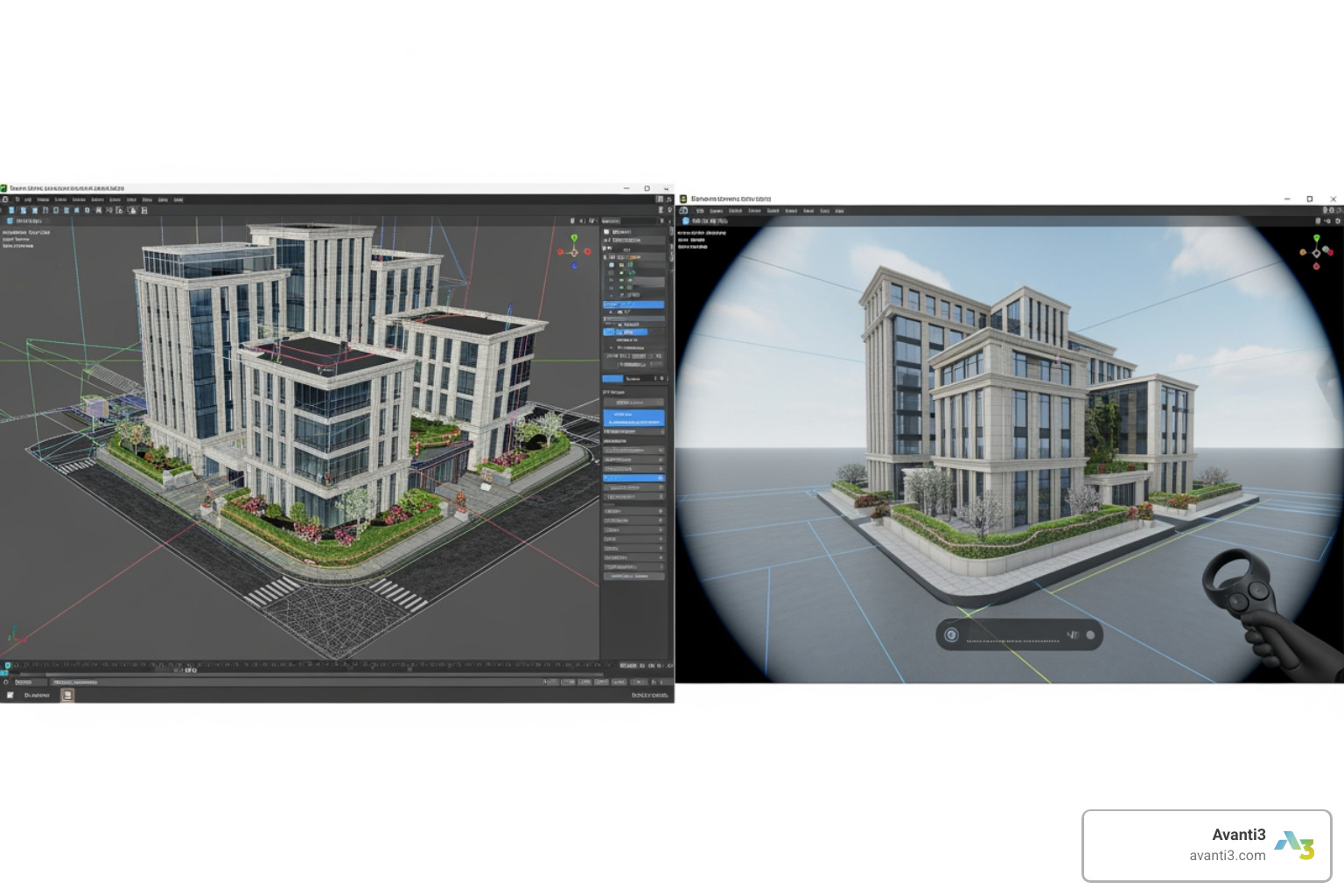
- Game Engines (e.g., Unity, Unreal Engine): These are the powerhouses of VR development, offering comprehensive toolsets for graphics, physics, animation, and scripting. They are ideal for complex, high-fidelity experiences like games and advanced simulations.
- No-Code/Low-Code Platforms: Designed for users with minimal programming experience, these platforms feature drag-and-drop interfaces and pre-built templates. They are excellent for rapid content generation, 360-degree video experiences, and simple interactive tours.
- Web-Based Frameworks (WebXR): These frameworks allow VR experiences to be accessed directly through web browsers, eliminating the need for downloads. A-Frame is a prime example, making it ideal for web-based VR projects that prioritize accessibility.
- Specialized SDKs (Software Development Kits): These are toolkits that enable application creation for a specific platform or hardware, often used with game engines to access unique features. For instance, Meta Quest provides various SDKs to develop for its headsets.
- Enterprise-Focused Solutions: Some platforms are custom-built for specific business needs, such as immersive learning for employee training or interactive property tours for real estate. These solutions allow businesses to leverage VR technology according to their unique requirements.
These different types allow creators to choose a platform that aligns with their project’s scope, technical expertise, and target industry.
Key Features to Look for in a Virtual Reality Development Platform
Choosing the right virtual reality development platform is crucial for success. We recommend looking for the following essential features:
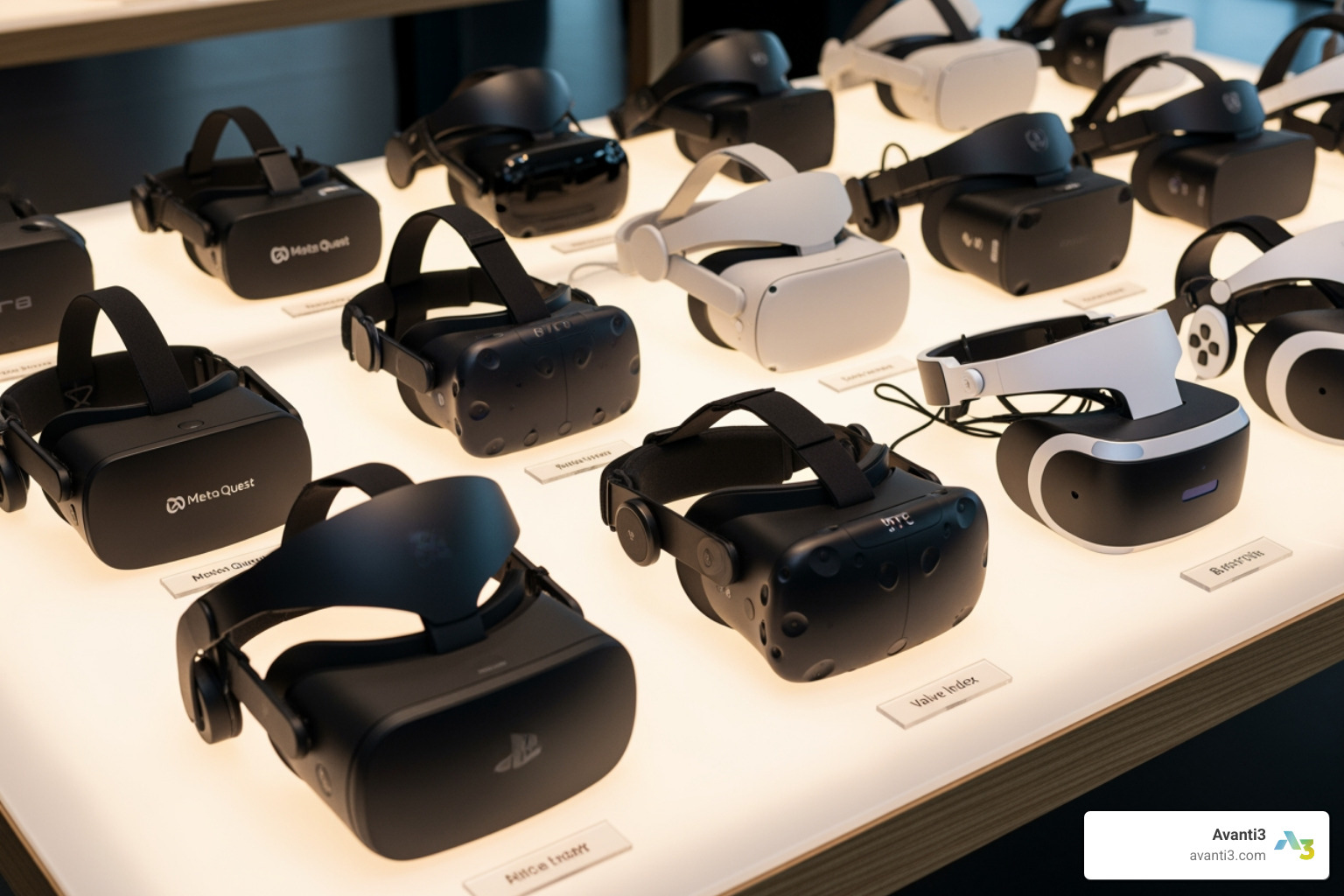
- Hardware Compatibility: Ensure the platform can deploy to your target VR headsets, whether PC VR or standalone devices like the Meta Quest. Broad support offers significant reach.
- Tracking Capabilities: Accurate tracking of head, hand, and body movements is fundamental to immersion. Look for robust support for 6DoF (six degrees of freedom) tracking.
- Interactivity Tools: Evaluate how easily you can define user interactions. Look for physics engines, animation systems, and input handling (buttons, gestures, voice).
- Performance Optimization: VR demands high frame rates to prevent motion sickness. The platform must offer tools for optimizing graphics and rendering to ensure smooth experiences.
- Scalability: The platform should handle increasing project complexity, larger environments, and more users without a complete overhaul.
- Environmental Design Tools: Look for tools that allow for detailed world-building, including terrain generation, lighting, and material editors.
- Custom Scripting/Extensibility: For unique functionalities, the ability to write custom code (e.g., C#, C++) or use visual scripting is invaluable.
- Community and Support: A vibrant developer community and good support can be lifesavers. Look for extensive documentation, forums, and learning resources.
- Cost and Pricing Models: VR development tools vary widely in price. Common models include:
- Freemium: Basic versions are free, with advanced features requiring payment.
- Subscription: Monthly or annual fees for access.
- Pay-as-you-go: Pricing based on usage, common for cloud services.
- Free options are often available for basic development.
The choice of platform directly impacts the immersion and engagement of your user experiences.
The Role of Game Engines and SDKs in Crafting AR/VR Immersive Experiences
Game engines are the bedrock for most complex VR applications, providing comprehensive tools for rendering, physics, and user input. When it comes to creating truly immersive AR/VR Immersive Experiences, two names dominate the landscape: Unity and Unreal Engine.
Unity: A highly versatile and widely adopted game engine known for its user-friendliness and extensive ecosystem.
- Strengths: Unity supports a vast number of platforms, making it incredibly flexible for deployment. It boasts an immense asset store and a large developer community, offering end-to-end tools for creation, launch, and growth across various industries.
- Weaknesses: Can be resource-intensive for extremely high-fidelity graphics compared to some alternatives.
Unreal Engine: Developed by Epic Games, Unreal Engine is celebrated for its cutting-edge graphics and photorealistic rendering.
- Strengths: Unreal Engine is optimized for demanding applications requiring complex scenes rendered at exceptional quality. It’s a go-to for AAA games and photoreal visualization. Developers can use either Blueprint visual scripting or C++ and get free access to the full source code for maximum customization.
- Weaknesses: Typically has a steeper learning curve and often demands more powerful hardware for development.

SDKs (Software Development Kits) are the bridge between these engines and specific VR hardware. They allow developers to access unique features of a headset. For example, Meta provides a comprehensive suite of SDKs for its Quest platform, enabling advanced interactions, body tracking, voice commands, and mixed reality features that blend virtual elements with the physical environment.
The OpenXR standard is also crucial. It’s an open, royalty-free API that allows developers to write code once and run it across multiple XR devices, reducing fragmentation. Both Unity and Unreal Engine support OpenXR, ensuring broader reach for experiences built on their platforms.
The Future of VR and Your Next Steps
The landscape of virtual reality development platform is dynamic, promising exciting advancements that will redefine immersive experiences. We’re on the cusp of a new era where virtual worlds become more integrated into our daily lives.
Future Trends and Advancements
What can we expect from VR development software in the coming years?
- AI-Powered Content Generation: Artificial intelligence will revolutionize content creation, with tools that can automatically generate 3D models, environments, and textures, significantly speeding up development.
- Web3 and Blockchain Integration: As Avanti3 integrates Web3 technologies, we foresee VR platforms increasingly supporting decentralized virtual economies and ownership of digital assets (NFTs), empowering creators with new monetization strategies.
- Photorealistic Rendering: Advances in rendering technology and hardware will continue to push VR experiences towards hyper-realism, making virtual environments almost indistinguishable from the real world.
- Improved Spatial Computing: The blending of physical and digital worlds will become more seamless, with sophisticated tools for mixed reality that allow virtual objects to interact intelligently with real-world environments.
- Accessibility and Ease of Use: The push for more accessible no-code/low-code solutions and browser-based VR will continue, lowering the barrier to entry for a broader range of creators.
These advancements promise a future where VR development is faster, more powerful, and more accessible. The possibilities for cultural, educational, and commercial VR applications are limitless, much like the ability to take a virtual tour of ‘Il Divino’: Michaelangelo’s Sistine Chapel ceiling in VR.
Summary of Key Takeaways:
- A virtual reality development platform is essential for crafting immersive 3D experiences.
- Platforms range from powerful game engines (Unity, Unreal Engine) to user-friendly no-code tools and web-based frameworks.
- Key features to prioritize are hardware compatibility, robust tracking, performance optimization, and scalability.
- The future of VR development is shaped by AI, Web3 integration, photorealistic rendering, and increased accessibility.
The journey from an idea to a fully realized virtual world is an exciting one. At Avanti3, we believe in empowering creators and brands to harness this potential by integrating cutting-edge technologies like Web3, blockchain, AR/VR, and AI.
Ready to build your own immersive world? Explore our AR/VR Immersive Experiences to see how we can bring your vision to life.