

Why Partnering with Augmented Reality Applications Developers Matters
Augmented reality applications developers are specialists who build AR experiences by overlaying digital content onto the real world. They are essential for businesses looking to innovate how they engage customers, train employees, and showcase products.
Key capabilities include marker-based and markerless AR, 3D modeling, cross-platform deployment (iOS, Android, Web), and AI integration for improved object recognition and user interaction.
The impact is undeniable. With the global AR market projected to hit $140-150 billion by 2025, businesses are taking notice. AR can deliver 200% more engagement than traditional content, drive 40% higher conversion rates in retail, and boost industrial productivity by 30%. These results prove that AR is a powerful tool for growth.
I’m Samir ElKamouny, and I’ve helped businesses scale by leveraging emerging technologies like AR. In this guide, I’ll walk you through everything you need to know to find the right augmented reality applications developers for your vision.
The AR Revolution: Why Your Business Needs an Augmented Reality Strategy
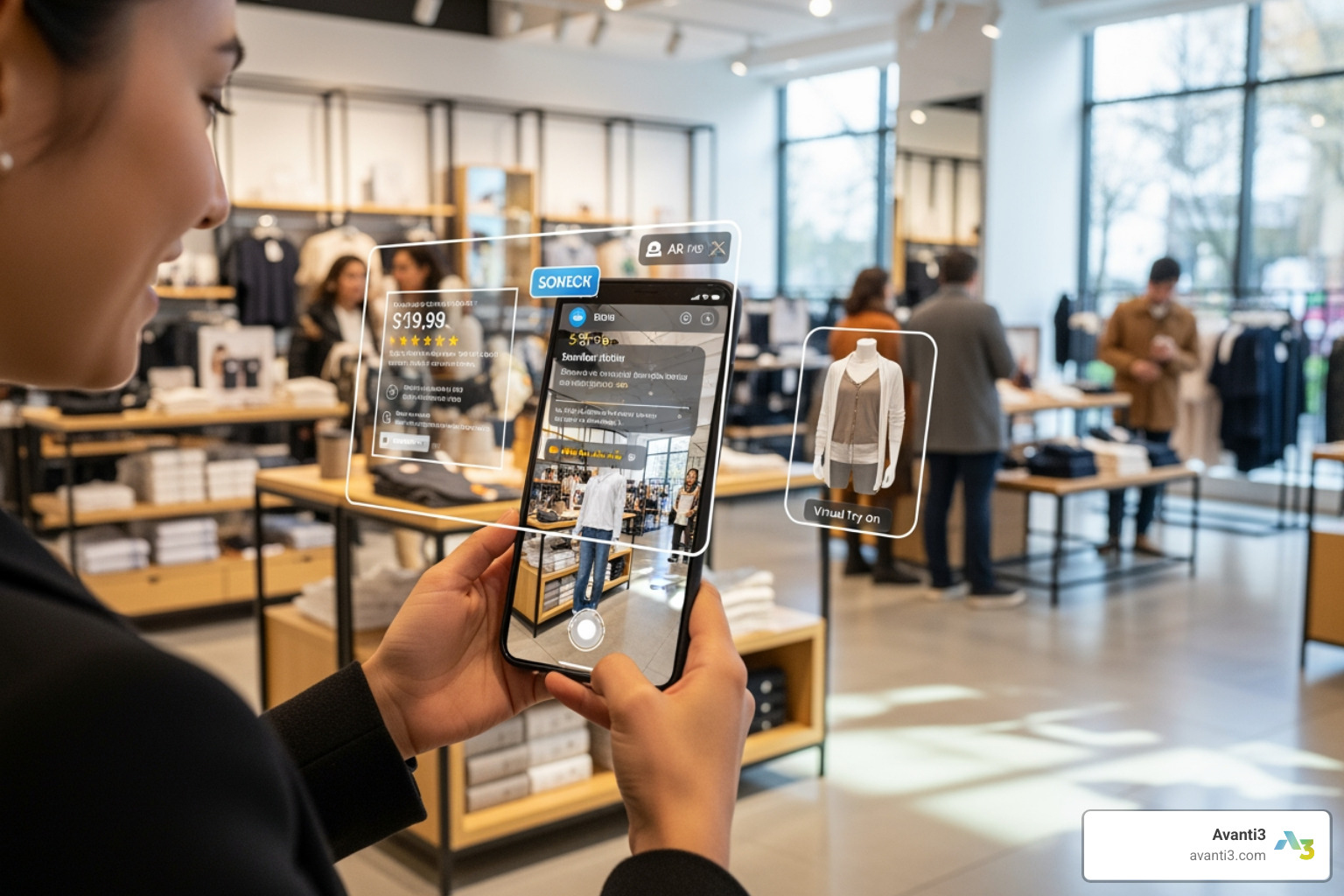
Augmented reality seamlessly blends digital information with our physical environment. Unlike virtual reality (VR), which creates a fully simulated world, AR improves our existing reality with digital overlays. This key difference makes AR highly practical for commercial and everyday applications, from interactive product visualizations to on-the-job training guides.
Businesses are embracing AR for its tangible benefits. For consumers, AR creates deeply engaging shopping experiences, with 61% of shoppers preferring retailers that offer AR. Visualizing a product in one’s own space before buying builds confidence and connection. This translates to impressive results: AR-driven shopping can increase customer engagement by 94% and boost conversion rates by 40%.
Beyond retail, AR is a powerful tool for internal operations. Enterprises report productivity improvements of 30% or more on industrial tasks. For instance, manufacturing companies achieve 25% faster installation times using AR-guided work instructions. By overlaying digital steps onto physical machinery, AR reduces errors, speeds up processes, and makes training more efficient.
This blend of the digital and physical, built by top augmented reality applications developers, is a fundamental shift in how we interact with information. It’s an indispensable part of any forward-thinking business strategy.
A Blueprint for Success: Working with Augmented Reality Applications Developers

Starting on an augmented reality project requires a skilled guide. Partnering with expert augmented reality applications developers is about more than outsourcing; it’s about gaining a competitive edge. A strategic partnership ensures your vision is brought to life with precision and innovation, leading to significant gains in efficiency and productivity. As seen in manufacturing, AR can lead to 25% faster installation times and 30% productivity improvements, directly impacting your bottom line.
Types of AR Applications and Industry Use Cases
Augmented reality is broadly categorized into two main types:
-
Marker-based AR: Uses specific visual cues like QR codes or images to trigger digital content. It’s precise and ideal for linking digital experiences to physical products or print media.
-
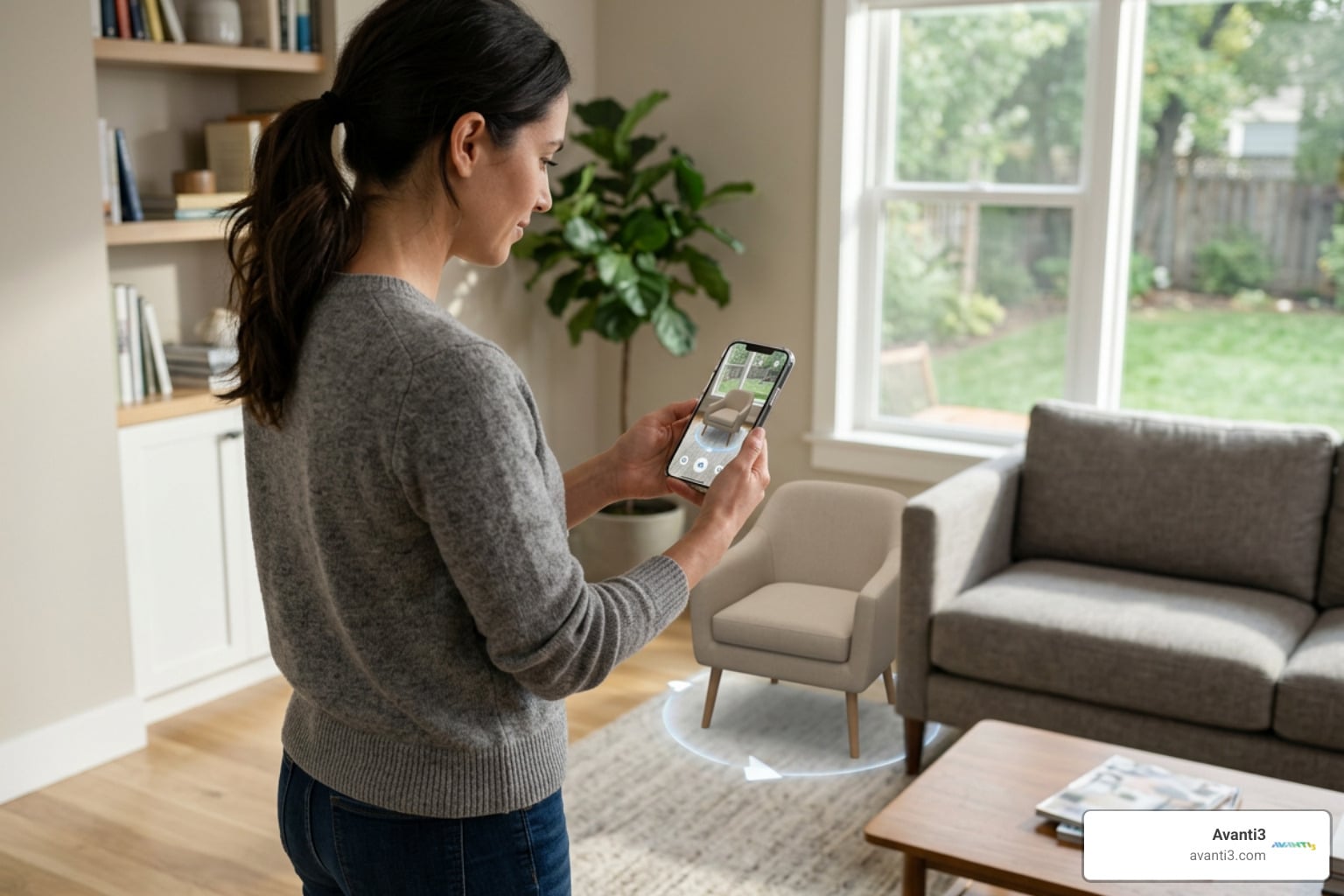
Markerless AR: Uses a device’s sensors (GPS, accelerometer) to place digital content in the real world without a specific marker. This is common for location-based games or apps that let you visualize furniture in a room.
These technologies power a vast array of industry use cases:
- Retail Virtual Try-On: Allows customers to try on clothes or visualize products in their homes, boosting conversion rates by up to 40%.
- Manufacturing Guided Instructions: Overlays digital instructions onto machinery, leading to 25% faster installation and fewer errors.
- Healthcare Surgical Assistance: Provides surgeons with 3D anatomical models and data overlays during procedures.
- Augmented Reality Marketing Solutions: Creates interactive ads and product launches that build brand loyalty.
- Entertainment and Gaming: Powers immersive games and experiences like Augmented Reality Concerts.
- Education and Training: Offers immersive 3D learning environments for complex subjects.
- Construction and Real Estate: Visualizes architectural plans on physical sites for better planning and client presentations.
Essential Tools and SDKs for Top Augmented Reality Applications Developers
Behind every AR experience is a powerful toolkit. Augmented reality applications developers rely on these essential SDKs (Software Development Kits) to build immersive applications.
- ARKit for iOS: Apple’s framework for creating high-quality AR experiences on iPhones and iPads, known for excellent motion tracking and plane detection.
- ARCore for Android and Web: Google’s cross-platform SDK for building AR on Android, iOS, and the web, featuring a Geospatial API for world-scale experiences.
- Unity Engine: A versatile game engine and the workhorse for cross-platform AR development, allowing developers to build once and deploy across multiple devices.
- Unreal Engine: A powerful alternative to Unity, favored for projects requiring high-fidelity, cinematic-quality graphics.
- WebAR Platforms: Enable AR experiences directly in a web browser, eliminating the need for app downloads and lowering the barrier to entry for users.
- Niantic Spatial SDK for Unity: Designed for building massive, world-scale AR applications that interact with the real world, leveraging Niantic’s mapping technology.
- Augment SDK: A flexible toolset for creating personal AR experiences, with SDKs for JavaScript, iOS, Android, and more.
Key Features and Best Practices for a Winning AR App
Building a standout AR app requires more than just technology; it demands a focus on user experience and best practices.
- Intuitive UI/UX: The user interface should be simple and natural, making interactions with digital content feel seamless.
- High-Quality 3D modeling: Realistic, detailed 3D models are crucial for creating an immersive and believable augmented reality illusion.
- Real-time Tracking and Recognition: Digital content must track accurately and remain anchored to the real world for the experience to feel stable and convincing.
- Cross-Platform Compatibility: Building for iOS, Android, and the web maximizes your reach. Using an engine like Unity can streamline this process.
- Performance Optimization: AR apps must be optimized for smooth performance and efficient battery use to ensure a positive user experience.
- Data Security and Privacy: Robust security and clear privacy policies are non-negotiable to build user trust.
- Engaging Content: The most successful AR apps solve a problem or tell a compelling story. AR can deliver 200% more engagement, so make it count.
Understanding AR App Development Costs and Timelines
One of the first questions businesses ask is about cost and timeline. The answer depends heavily on the application’s complexity.
Here’s a general breakdown:
| App Complexity | Estimated Cost Range | Estimated Timeline |
|---|---|---|
| Demo App | $5,000 – $10,000 | 1-3 months |
| Simple AR App | $7,000 – $50,000 | 3-6 months |
| Complex AR App | Up to $200,000 | 6-12 months |
| Enterprise AR Solution | $200,000 – $500,000+ | 8-18 months |
| Augmented Reality Games | Up to $250,000 and beyond | 6-18 months+ |
An average AR app costs between $7,000 to $50,000, while more complex solutions can reach $200,000 or more. The primary cost drivers include:
- Features and Functionality: Advanced features like AI integration or real-time data streaming increase cost.
- Platform(s): Cross-platform development requires more effort than a single-platform app.
- 3D Content Complexity: High-fidelity 3D models and animations are a significant cost factor.
- Integrations: Connecting to existing business systems (CRM, ERP) adds complexity.
A reputable partner will provide a transparent quote based on a detailed project scope.
How to Choose the Right Augmented Reality Applications Developers
Selecting the right development partner is critical to your project’s success. It’s about finding a team that understands your vision, industry, and the nuances of AR.
Common Mistakes to Avoid:
- Choosing on Price Alone: The cheapest option often leads to poor quality and higher long-term costs.
- Hiring Generalists: AR is a niche field. Prioritize specialists over firms that do a bit of everything.
- Neglecting Portfolios: Always review past work for relevant, high-quality projects and case studies.
Key Qualities to Look for in an AR Partner:
- Technical Expertise: Look for a proven track record with AR/VR and deep knowledge of platforms like Unity, ARKit, and ARCore.
- Industry Specialization: A partner with experience in your industry will understand your unique challenges and opportunities.
- Clear Communication: Your partner should maintain transparent communication and involve you throughout the development process.
- Favorable IP Ownership: Ensure you retain full ownership of your source code and all digital assets.
- Long-Term Partnership Focus: Choose a team invested in your success beyond the initial launch, offering ongoing support and strategic advice.
- Focus on Quality and Outcomes: Evaluate the visual quality of their portfolio and their ability to deliver tangible business results.
- Integration Capabilities: Confirm they can integrate the AR app with your existing business systems and workflows.
The Future of AR: Evolving Tech and Upcoming Trends
The world of augmented reality is constantly innovating. Staying aware of upcoming trends is crucial for augmented reality applications developers and businesses aiming to stay ahead.
Here’s a glimpse into the future of AR:
- AI and Machine Learning Integration: The synergy between AR and AI is making experiences more intelligent. AI improves object recognition and allows AR apps to adapt and personalize content in real-time.
- Spatial Computing: This is the next frontier, enabling digital systems to create persistent, shared experiences anchored to real-world locations. Devices like Apple Vision Pro are leading this charge, blurring the lines between physical and digital realities.
- 5G Connectivity Impact: The low latency and high bandwidth of 5G will enable more complex and responsive cloud-based AR experiences, reducing the need for heavy on-device processing.
- Web3 and NFT Integration: Integrating AR with Web3 technologies like NFTs creates new models for digital ownership and exclusive user experiences. This opens new avenues for engagement, rewards, and community building.
- The AR Cloud: This persistent, shared 3D map of the world will allow digital content to be anchored in place for all users to see and interact with simultaneously, enabling truly collaborative AR.
- Sleeker AR Hardware: The future holds more sophisticated and discreet AR glasses, moving AR from a screen-based interaction to a truly ambient computing experience.
Conclusion: Bringing Your Augmented Reality Vision to Life
The journey through augmented reality reveals a powerful business tool that drives customer engagement, boosts efficiency, and opens new revenue streams. With a market valued at $140-150 billion and proven results like 200% higher engagement, AR is a present-day imperative.
The key to open uping this potential is partnering with expert augmented reality applications developers. They are the architects who translate your ideas into seamless, immersive experiences, bringing the technical and creative vision needed to make your AR application stand out.
At Avanti3, we push the boundaries of digital engagement. We integrate cutting-edge Web3 technologies like NFTs, blockchain, AR/VR, and AI to empower brands with customizable tools. We don’t just build AR apps; we craft digital ecosystems that offer unique rewards and community-building opportunities, setting a new standard for fan monetization.
Choosing the right partner means finding a team with a proven track record, industry specialization, and a commitment to your long-term success. It means finding innovators who are already building the future of AR.
Don’t be left behind. The time to act is now. Let us help you transform your vision into a captivating reality and future-proof your brand.
Start building your AR/VR Immersive Experiences