

Virtual Reality Events Examples That Actually Worked
Why Virtual Reality Events Examples Are Changing How Brands Engage Audiences
Virtual reality events examples span a wide range of industries and formats. Here are some of the most impactful real-world applications:
| Industry | VR Event Example | Key Outcome |
|---|---|---|
| Retail/Marketing | Tom’s Shoes charity VR experience | Emotional brand connection |
| Automotive | Mercedes 360° mountain drive | 4 million views |
| Home Improvement | Lowe’s in-store bathroom remodeling VR | Available across 19 stores |
| Entertainment | Virtual Burning Man | 70,000+ remote attendees |
| Music | Secret Sky VR festival | Immersive crowd simulation |
| Healthcare | VR surgery simulators at medical conferences | Safe, repeatable training |
Event planners are paying attention. 85% of them say immersive experiences drive greater attendee engagement than traditional formats.
That’s not a small number. And it’s why brands across every industry — from automotive to healthcare — are bringing VR into their live events, trade shows, and product launches.
VR doesn’t just show people something. It puts them inside the experience. That difference in presence and immersion is what makes it so effective for storytelling, training, and brand building.
I’m Samir ElKamouny, a marketing expert who has helped scale countless businesses using cutting-edge strategies, including virtual reality events examples that drive real audience engagement and revenue. In this guide, I’ll walk you through the examples that actually worked — and what made them succeed.
Iconic Virtual Reality Events Examples Across Industries

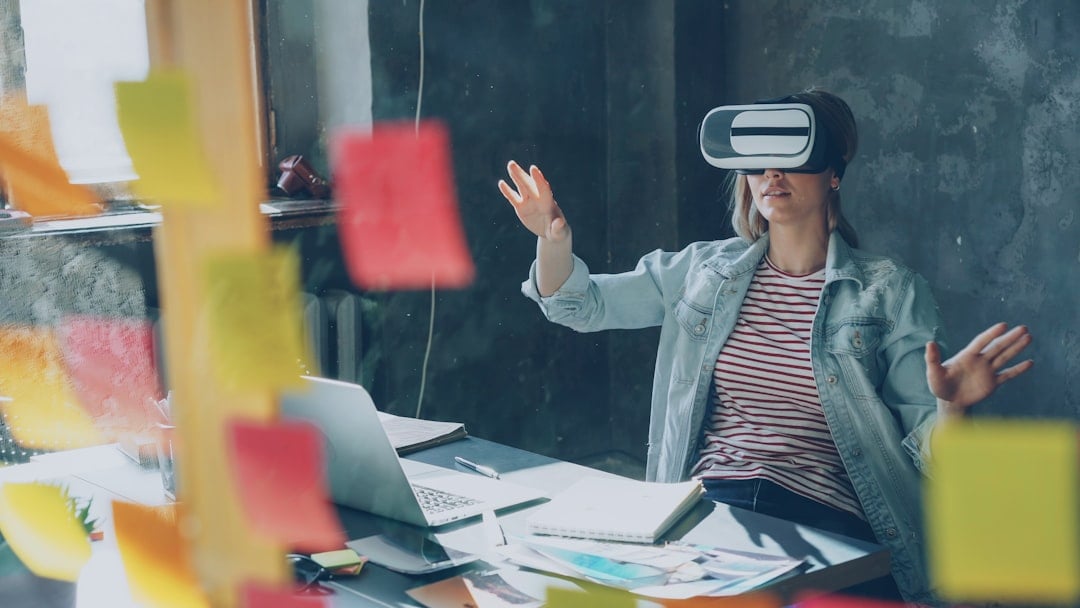
When we look at the landscape of experiential marketing in April 2026, it is clear that VR has moved far beyond the “novelty” phase. Today, it is a core pillar of brand storytelling. Whether it is a massive trade show floor or an intimate product launch, VR allows us to transport attendees to places they couldn’t otherwise go.
One of the most compelling virtual reality events examples comes from high-tech collaboration: Reality Hack at MIT | Experiential Technology Ecosystem Experience . This annual hackathon brings together engineers, designers, and artists to build XR prototypes. It is a prime example of how events can foster deep tech innovation by giving creators the hardware and the “sandbox” to build the future. These types of Virtual Reality Experiences demonstrate that VR isn’t just about passive consumption; it’s about active creation and problem-solving.
In the automotive sector, we’ve seen brands use VR to solve the physical limitations of a showroom. At major auto shows, instead of just looking at a car on a rotating platform, attendees can put on a headset and take a virtual test drive through the Swiss Alps or navigate a high-speed F1 track. This doesn’t just show off the car; it creates an adrenaline-fueled memory associated with the brand.
Marketing and Retail Virtual Reality Events Examples
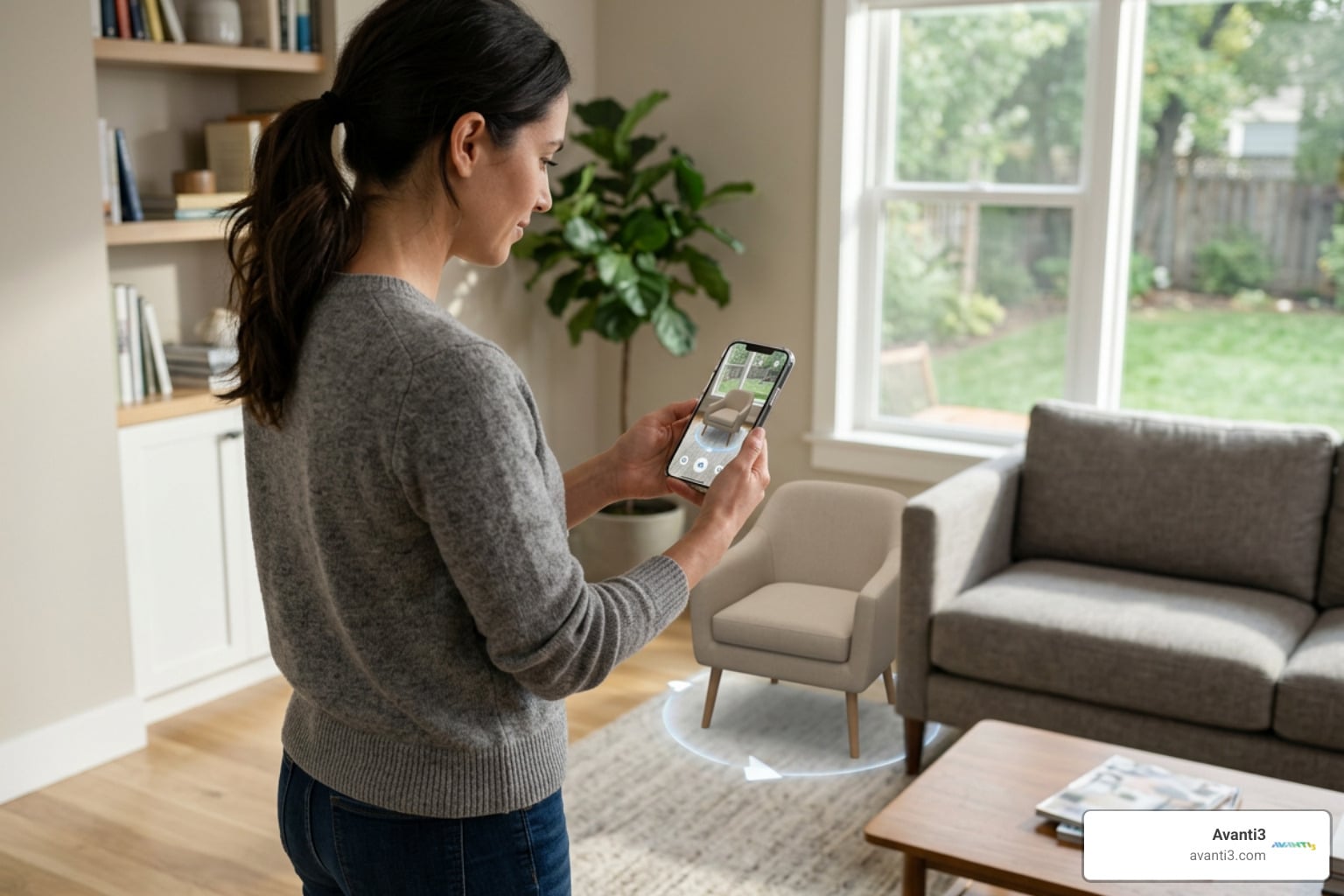
Retailers have discovered that VR is the ultimate “try before you buy” tool. Take Lowe’s, for instance. They implemented VR in 19 stores to help customers visualize home remodeling. Instead of squinting at a 2D floor plan, customers could “walk” through their new bathroom, change tile colors in real-time, and get a true sense of the space. This is a brilliant use of Ar Vr Immersive Experiences to reduce buyer friction.
Then there is the emotional power of VR. Tom’s Shoes famously used a “VR Chair” in their flagship stores. When customers sat down, they were transported to a remote village in Peru. They didn’t just hear about the brand’s mission; they watched as children received their first pairs of shoes. This kind of storytelling builds a level of empathy that a standard marketing video simply cannot match.
Mercedes-Benz also set a high bar for virtual reality events examples with their 360-degree mountain drive experience. By placing viewers in the passenger seat of a luxury SUV navigating a snowy Colorado peak, they generated over 4 million views. It proved that if you create high-quality, immersive content, the audience will not only engage with it at the event but will share it globally.
Entertainment and Large-Scale Virtual Reality Events Examples
The entertainment world was forced to innovate rapidly during the restrictions of the early 2020s, and those lessons have blossomed into the massive virtual festivals we see today in 2026.
The Virtual Burning Man (or “Virtual Burn”) is a standout. While the physical desert event is legendary, the virtual version allowed over 70,000 annual attendees to participate from their own homes. Participants used avatars to explore a digital Playa, attend workshops, and even witness the “burning” of the man in a shared social space.
Other notable virtual reality events examples in music and art include:
- Secret Sky: A digital music festival where fans appeared as robed avatars in a lush, dreamlike field. It captured the feeling of being in a crowd, which is often lost in standard live streams.
- Quills Fest: A unique intersection of VR and literature, where participants explored immersive virtual art exhibits and engaged in live discussions with global artists.
- Augmented Reality Concerts: Many artists are now blending VR with Augmented Reality Concerts to allow fans to “backstage” via VIP virtual passes, offering exclusive content and 360-degree views of the performance.
Training and Educational VR Simulations
Education and professional training are perhaps the most practical applications of VR at events. At medical conferences, surgery simulators are now standard. Surgeons can practice complex procedures in a risk-free virtual environment before stepping into an actual operating room. This isn’t just a demo; it’s a life-saving tool that provides measurable learning gains.
In the corporate world, VR is being used for “soft skills” training. Imagine a simulation where a manager practices a difficult performance review with an AI-driven avatar that responds realistically to their tone and body language. According to research, these immersive scenarios significantly improve communication and leadership skills compared to traditional workshops.
Museums are also getting in on the action. For instance, the Musée d’Orsay’s “Van Gogh’s Palette” experience allows visitors to step inside the artist’s world. If you’re looking for more inspiration, you can explore What are the Best Examples of Virtual Reality in Museums? to see how heritage sites are using VR to make history feel alive and accessible to modern audiences.
Maximizing Impact and Overcoming Implementation Challenges
While the benefits of VR are clear, we have to be honest about the hurdles. Running a VR activation at a high-traffic event requires more than just a few headsets and a dream. You have to manage the “human” element of the technology.
A challenge is queue management. If a VR experience is 10 minutes long and you only have two headsets, you’re going to have a lot of frustrated people standing in line. We recommend keeping session lengths short — usually between 2 to 5 minutes — to keep the flow moving.
| Session Length | Engagement Level | Throughput (Per Hour/Unit) | Best Use Case |
|---|---|---|---|
| 2 Minutes | High (Teaser) | 30 People | Trade show booth “hook” |
| 5 Minutes | Deep (Story) | 12 People | Product demo or brand film |
| 10+ Minutes | Very Deep (Sim) | 6 People | Detailed training or gaming |
Hygiene is another critical factor. In 2026, attendees expect high standards. We use medical-grade UV sanitizers and quick-dry disinfectant wipes between every user. Additionally, using “ninja masks” (disposable hygiene covers) can help put users at ease.
If you want to see how the pros handle large-scale deployment, look at Laval Virtual – from 8 to 10 April 2026 . As Europe’s biggest XR event, they successfully manage thousands of participants and hundreds of exhibitors, showcasing the latest in haptics, brain-computer interfaces, and AI-integrated VR.
Technical Deployment and Hardware Choices

Choosing the right hardware is half the battle. In the current market, we generally look at three categories of headsets for events:
- Standalone Headsets (e.g., Meta Quest 3/Pro, Pico 4): These are the workhorses of the event industry. They are wireless, easy to set up, and powerful enough for most brand experiences. They are perfect for “room-scale” experiences where you want the user to move around.
- High-End Spatial Computers (e.g., Apple Vision Pro): When we want to wow a C-suite audience or show off high-fidelity architectural visualizations, we go for spatial computing. The resolution and hand-tracking are unparalleled.
- Cloud-Based VR: This is an emerging trend where the heavy lifting is done on a remote server and streamed to the headset. This allows for incredibly complex graphics on lightweight, portable hardware.
To make an experience truly memorable, we often look beyond just visuals. Integrating haptic feedback — like a vest that vibrates when you “touch” something in VR — or spatial audio that changes as you move your head, creates a sense of “presence” that stays with the attendee long after they leave the booth. This is particularly effective for Virtual Art Experiences where the atmosphere is everything.
Future Trends in Spatial Computing and AI Integration
As we move through 2026, the convergence of AI and VR is the biggest story in the industry. We are no longer limited to pre-recorded 360-degree videos. With generative AI, we can create “adaptive simulations” that change based on how the user interacts with them.
Imagine a VR trade show booth where the “staff” are intelligent NPCs (non-player characters). These AI avatars can answer complex questions about a product, speak any language fluently, and remember what a visitor said five minutes ago. This is the focus of events like the GatherVerse XREvolve Summit 2026 – GatherVerse , where leaders discuss how AI and XR are “extending humanity” and creating more ethical, accessible digital spaces.
We are also seeing a shift toward “spatial computing” in daily life. This means VR isn’t just a headset you put on for a few minutes; it’s a way of interacting with data and digital objects in 3D space. For event organizers, this opens up possibilities for “hybrid” events where local and remote attendees can interact with the same 3D models in real-time.
Measuring Success and ROI at Immersive Events
At the end of the day, we need to know if these virtual reality events examples actually move the needle. Fortunately, VR provides data that traditional events can’t. We can track exactly where a user looked, how long they stayed in the experience, and what virtual objects they interacted with.
Key metrics we track include:
- Dwell Time: How long did they keep the headset on?
- Social Impressions: Did they share a “mixed reality” photo of themselves in the experience? (Events like XRCC have generated over 5 million social impressions).
- Conversion Rates: Did the VR experience lead to a lead capture or a direct sale?
- Engagement Rate: 85% of planners agree that immersion leads to higher engagement, but we look for the specific spike in booth traffic.
At Avanti3, we believe that the future of brand engagement lies at the intersection of Web3, AI, and VR. We don’t just create “cool” experiences; we build customizable tools that empower creators and brands to monetize their fanbases and build lasting communities through rewards systems and unique digital experiences.
If you are ready to stop just talking about the future and start building it, it is time to Experience the future of digital engagement with us. Whether you’re planning a massive conference or a targeted product launch, the right VR strategy can turn a standard event into a legendary one.