

The Ultimate Style Guide: Developing Your NFT Fashion Marketplace
The Digital Runway Revolution
NFT fashion marketplace development is the process of creating a blockchain-based platform where digital fashion items—virtual clothing, accessories, and wearables—can be minted, bought, sold, and traded as non-fungible tokens. Here’s what you need to know:
Key Components of NFT Fashion Marketplace Development:
- Blockchain Selection – Choose platforms like Ethereum, Polygon, or Solana based on transaction costs and speed
- Smart Contracts – Implement ERC-721 or ERC-1155 standards for NFT creation and automated royalty distribution
- Essential Features – Build storefront, wallet integration, 3D/AR previews, bidding systems, and creator profiles
- Security Infrastructure – Integrate IPFS storage, authentication systems, and smart contract audits
- Monetization Strategy – Set up transaction fees (1-5%), listing fees, minting fees, and royalty mechanisms
- Development Timeline – Expect 4-12 months from MVP to full launch, with costs ranging from $25,000 to $250,000+ depending on complexity
The fashion industry is experiencing a digital change. The global digital fashion NFT marketplace platform market reached $2.17 billion in 2024 and is projected to grow to $36.42 billion by 2034—a staggering 32.7% annual growth rate. This isn’t just about selling digital clothes. It’s about creating new revenue streams, building global communities, and offering customers verifiable ownership of exclusive digital assets they can wear in virtual worlds, social media, and augmented reality.
For fashion brands and designers, NFT marketplaces open up opportunities that traditional retail simply can’t match: lifetime royalties on resales, direct relationships with collectors worldwide, and the ability to merge physical fashion with digital ownership through “phygital” models.
I’m Samir ElKamouny, and I’ve spent my career helping businesses open up financial freedom through strategic innovation and execution. Through my work with Avanti3, I’ve guided numerous creators and brands through NFT fashion marketplace development, changing their vision into secure, customizable platforms that drive meaningful engagement and revenue.
Find more about nft fashion marketplace development:
- NFT marketplace solutions
- full stack nft marketplace
The Blueprint for NFT Fashion Marketplace Development
Building an NFT fashion marketplace is like designing a bespoke garment for the digital age. It requires careful consideration of its core components, technical architecture, and a robust business strategy to lay a solid platform foundation. At Avanti3, we understand that this isn’t just about technology; it’s about blending high fashion aesthetics with cutting-edge Web3 innovation to create immersive digital experiences.
Essential Features for a High-Fashion Platform
A successful NFT fashion marketplace needs to be more than just a place to buy and sell. It must be an engaging, intuitive, and secure environment that reflects the exclusivity and creativity of the fashion world. Here are the essential features we integrate to make your platform truly stand out:
- Storefront with High-Resolution Digital Displays: Think of it as your digital boutique. This is where designers showcase their collections with stunning visuals, descriptions, and details about rarity and utility. It needs to be beautiful and easy to steer, offering a rich digital experience design.
- Advanced Search & Filters: Users should be able to effortlessly find what they’re looking for, whether it’s a specific designer, a rare digital accessory, or a particular style. Filters for price, rarity, collection, and even metaverse compatibility are crucial.
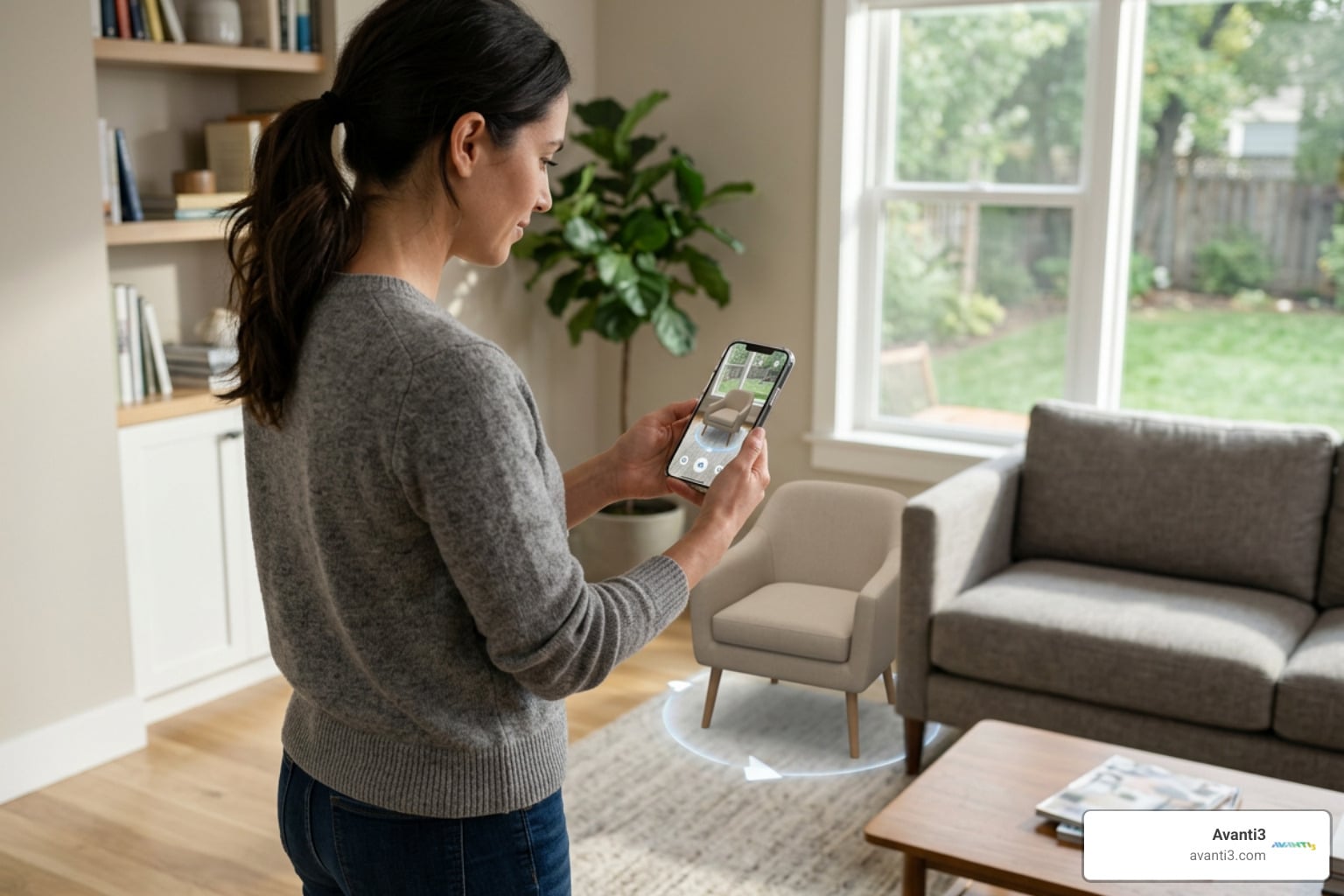
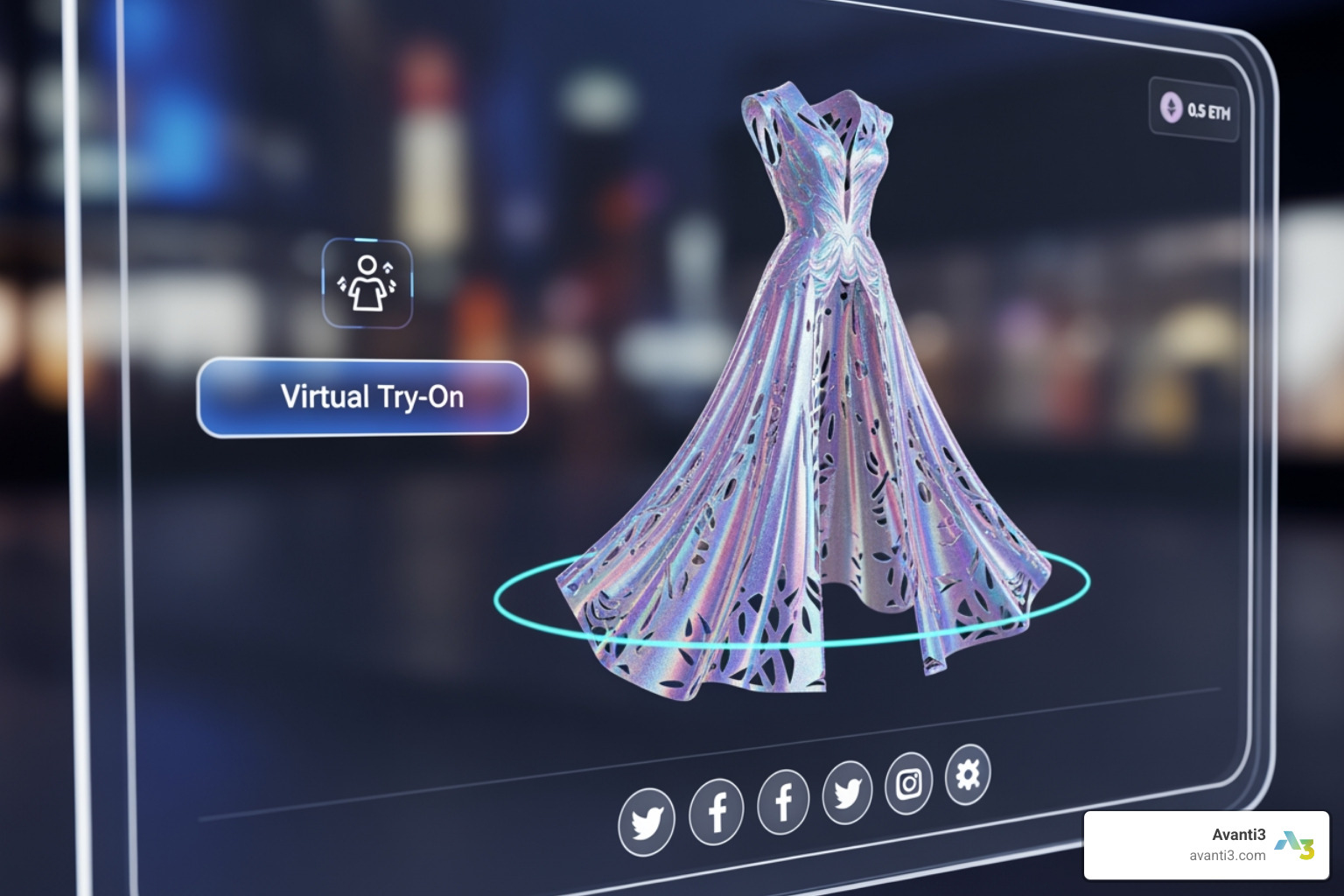
- 3D & AR Previews / Virtual Try-Ons: This is where digital fashion truly comes alive. Imagine trying on a virtual jacket through your phone’s camera or seeing a digital dress in a 3D environment. Augmented Reality NFTs allow customers to visualize how digital garments will look on their avatars or even in real-world settings, significantly enhancing the buying experience.
- Secure Wallet Integration: Seamless and secure integration with popular cryptocurrency wallets (like MetaMask or WalletConnect) is non-negotiable. This allows users to manage their digital assets and make transactions safely.
- Bidding & Auction System: For limited-edition drops and exclusive pieces, a robust bidding and auction system creates excitement and drives value, mimicking the high-stakes world of haute couture auctions.
- Creator Profiles & Portfolios: Designers need a dedicated space to tell their story, showcase their entire body of work, and connect with their audience. This builds trust and fosters a loyal community.
- Social Integration: Features like likes, comments, following, and sharing tools foster a vibrant community. This social layer encourages engagement and allows users to share their digital fashion finds, akin to a digital fashion week.
- Ratings & Reviews: Building trust and transparency is key. Allowing users to rate sellers and review purchases helps maintain quality and credibility within the marketplace.
- Multi-Chain Support: To cater to a diverse audience and offer flexibility, our marketplaces often support multiple blockchains (e.g., Ethereum, Polygon, Solana), enabling broader accessibility and potentially lower transaction fees.
- Admin Panel: A powerful backend for managing listings, users, transactions, and content is essential for smooth operations.
The Tech Stack: Blockchain, Smart Contracts, and Security
At the heart of every NFT fashion marketplace lies a sophisticated technological infrastructure. We leverage blockchain technology, smart contracts, and robust security measures to ensure transparency, immutability, and trust.
Blockchain Technology: The choice of blockchain is paramount. It dictates transaction costs (gas fees), speed, scalability, and the overall developer ecosystem. Here’s a comparison of popular options:
| Blockchain | Avg. Transaction Fee | Transactions Per Second (TPS) | Smart Contract Language | Key NFT Standard |
|---|---|---|---|---|
| Ethereum | $5-$50 | 15-30 | Solidity | ERC-721, ERC-1155 |
| Polygon | $0.01-$0.10 | 7,000+ | Solidity | ERC-721, ERC-1155 |
| Solana | $0.00025 | 65,000+ | Rust | Metaplex |
| Flow | $0.01 | 10,000+ | Cadence | Flow NFT |
We often recommend Polygon for its low transaction fees and high throughput, making it ideal for a vibrant fashion marketplace, but the best choice depends on your specific needs and target audience.
Smart Contracts: These are the self-executing agreements stored on the blockchain that define the rules for NFT creation, ownership, and transfer.
- ERC-721 vs. ERC-1155: We typically use ERC-721 for unique, one-of-a-kind digital fashion pieces (like a couture gown NFT) and ERC-1155 for collections with multiple identical or semi-identical items (like a batch of digital sneakers). We follow NFT Development Best Practices to ensure robust and secure implementation.
- Royalties: Smart contracts are programmed to automatically distribute royalties to creators on secondary sales, providing a continuous income stream. This often adheres to standards like EIP-2981.
- Security: We use battle-tested frameworks like OpenZeppelin Contracts for secure, audited smart contract templates, minimizing vulnerabilities.
Data Storage (IPFS): While the NFT token itself lives on the blockchain, the actual digital fashion asset (image, 3D model, video) is often stored off-chain. We use decentralized storage solutions like IPFS Documentation (InterPlanetary File System) to ensure that your digital assets are securely and permanently linked to their NFTs, preventing “rug pulls” where the underlying asset disappears.
Security Measures: Security is paramount in the crypto world. We implement:
- Secure Crypto Wallets: Integration with reputable wallets ensures users’ funds and assets are protected.
- Auditing and Encryption: All smart contracts undergo rigorous security audits, and we implement pre-integrated encryption methods for data protection.
- Best Practices: We adhere to industry NFT Development Best Practices for smart contract development, including patterns like “checks-effects-interactions” to prevent reentrancy attacks and using SafeMath for arithmetic safety.
- Authentication and Verification: Robust KYC/AML processes can be integrated to foster trust and prevent illicit activities.
- Blockchain-based Art Authentication: For true authenticity, we can leverage blockchain to provide immutable proof of ownership and provenance for each digital fashion item, a powerful tool for Blockchain Art Authentication.
Monetization & Legalities: Building a Sustainable Business
A successful NFT fashion marketplace needs a clear path to profitability and a solid legal framework to operate ethically and sustainably.
Monetization Strategies: We help you design diverse revenue streams:
- Transaction Fees: A common model where the platform takes a small percentage (typically 1-5%) of each sale.
- Listing Fees: Charging a fee for designers to list their NFTs.
- Minting Fees: A fee for the creation (minting) of a new NFT on the blockchain.
- Royalties on Resales: While creators earn royalties, the platform can also take a small percentage from secondary market sales.
- Premium Listings & Advertising: Offering designers the option to pay for featured placement or promotional campaigns.
- Membership or Subscription Plans: Providing exclusive access to features, early drops, or analytics for a recurring fee.
- Partnerships: Collaborating with fashion brands for branded NFT drops or sponsored content.
Legal Considerations: Navigating the legal landscape is crucial for long-term success. We guide our clients through:
- Intellectual Property (IP) Rights: Clearly defining ownership and usage rights for digital fashion assets. This includes ensuring creators can enforce their copyright and prevent unauthorized copying or derivation.
- Licensing Agreements: Establishing clear terms for how digital assets can be used, especially in different metaverses or virtual platforms.
- Copyright: Protecting the original designs and creative works minted as NFTs.
- User Data Privacy: Implementing robust data protection policies (e.g., GDPR, CCPA) to safeguard user information, which is especially important for any integrated digital reward system.
- AML/KYC Compliance: Depending on the scale and nature of transactions, implementing Anti-Money Laundering and Know Your Customer procedures can be vital for regulatory compliance and building trust.

From Concept to Launch: Your Step-by-Step Guide
Developing an NFT fashion marketplace is a journey, not a sprint. We break down the process into clear phases, guiding you from the initial spark of an idea to a thriving digital reality. This structured approach ensures efficiency, scalability, and alignment with your vision.
Phase 1: Strategic Planning and UI/UX Design
This foundational phase is all about understanding the landscape and sketching out your masterpiece.
- Market Research & Niche Selection: We begin by diving deep into the market. Who is your target audience? What are their preferences in digital fashion? What trends are emerging? While we don’t name competitors, we analyze the broader market to identify unique selling propositions. For instance, are you focusing on luxury, streetwear, or Augmented Reality NFTs? The global digital fashion NFT market is booming, so finding your niche is crucial.
- UI/UX Design: This is where your brand’s aesthetic meets functionality. We create intuitive user flows, wireframes, and prototypes, ensuring the platform is not just visually stunning but also incredibly easy to use. The goal is to provide a seamless and engaging digital experience design that resonates with your target fashion-forward audience. Our Web3 platform solutions prioritize both form and function, ensuring brand alignment at every step.
Phase 2: The Technical Build and Smart Contract Integration
Once the blueprint is solid, we roll up our sleeves and start building the engine of your marketplace. This is the core of NFT fashion marketplace development.
- Backend & Frontend Development: Our team of expert developers brings your design to life. The backend handles all the complex logic, databases, and server operations, while the frontend is the beautiful, interactive interface your users will see.
- Smart Contract Development: This is the blockchain magic. We carefully develop and deploy the smart contracts that govern your NFTs, ensuring they adhere to standards like ERC-721 or ERC-1155, and include automated royalty mechanisms. Following NFT Development Best Practices is paramount for security and functionality.
- API Integration: We integrate various APIs for seamless functionality, such as payment gateways, analytics tools, and potentially external data sources.
- Wallet Integration: Connecting user crypto wallets securely is a critical step, enabling smooth transactions and asset management.
- Testing & Quality Assurance: Before anything goes live, rigorous testing is performed. We check for bugs, vulnerabilities, performance issues, and ensure every feature works flawlessly. This includes extensive smart contract audits.
Phase 3: Launch, Growth, and the Future of Phygital Fashion
The launch is just the beginning. This phase focuses on bringing your marketplace to the world, fostering a community, and exploring the exciting future of digital fashion.
- MVP Launch: We often recommend starting with a Minimum Viable Product (MVP) – a core version of your marketplace with essential features. This allows for early user feedback and iterative improvements.
- Community Building: A vibrant community is the lifeblood of any NFT marketplace. We help you implement strategies for community building platforms, engaging with users, and fostering loyalty through exclusive drops, events, and interactive experiences. Avanti3 specializes in digital fan engagement and providing NFT engagement tools to help you cultivate a thriving ecosystem.
- Marketing Strategy: A targeted marketing campaign is crucial for visibility. This involves leveraging social media, influencer collaborations, and Web3 forums to attract both designers and collectors.
- Future Trends & Innovation: The fashion NFT space is constantly evolving, and we ensure your platform is ready for the future:
- Phygital Items: The exciting blend of physical and digital. Imagine buying a physical jacket that comes with a corresponding NFT for your avatar, or an NFT that grants access to exclusive real-world fashion events.
- Wear-to-Earn (W2E): This model rewards users for wearing and showcasing digital fashion assets in virtual environments. Projects like DAVA illustrate this potential, offering incentives and exclusive benefits. This could be the next big thing after play-to-earn.
- AR/VR Immersive Experiences: Beyond simple try-ons, we can integrate advanced AR/VR immersive experiences and virtual reality experiences directly into your marketplace, offering virtual fashion shows or interactive showrooms. Our AR marketing solutions and Augmented Reality Marketing expertise can lift your brand’s digital presence.
- Metaverse Interoperability: Ensuring your NFTs can seamlessly move between different virtual worlds (e.g., Decentraland, The Sandbox) maximizes their utility and value.
- AI Integration: We can integrate AI tools for creators to improve user experience, such as AI-driven recommendations, personalized shopping experiences, and even AI-generated design assistance for creators.

At Avanti3, we believe in empowering creators and brands with customizable engagement tools and fintech solutions. Our expertise in Web3 technologies, including NFTs, blockchain, AR/VR, and AI, positions us to help you build not just a marketplace, but a vibrant community hub. Ready to revolutionize your brand’s presence in the digital fashion world? Let us help you start your NFT fashion marketplace development project today.
Start Your NFT Fashion Marketplace Development Project Here!