What Is an Immersive Experience and Why Should You Care?
An immersive experience is a sensory-rich environment that fully engages your attention and emotions, creating the sensation of being physically present in a different world—whether virtual, augmented, or carefully designed physical space. Think of it as the difference between watching a movie on your phone versus standing inside the scene itself.
Key characteristics of immersive experiences include:
- Sensory engagement – Stimulating multiple senses (sight, sound, touch, sometimes smell or taste)
- Presence – The feeling of “being there” in the experience
- Interactivity – The ability to influence or participate in the environment
- Emotional connection – Deep engagement that transcends passive observation
- Transportive quality – The sense of leaving your physical surroundings behind
Over 5 million visitors have experienced immersive art installations like Van Gogh: The Immersive Experience since 2017, and apps like Pokémon Go have become some of the most downloaded of all time. These aren’t just novelties—they represent a fundamental shift in how people want to engage with content, brands, and communities.
The technology behind these experiences ranges from virtual reality (VR) headsets and augmented reality (AR) apps to carefully crafted physical spaces with projection mapping and spatial audio. What they all share is the ability to transport you somewhere new.
For creators and brands, immersive experiences offer unprecedented opportunities to build deeper connections with audiences and create memorable moments. In an era where attention is the most valuable currency, immersion is the ultimate engagement tool.
I’m Samir ElKamouny, and I’ve spent my career helping businesses transform ideas into reality through strategic innovation. My work with immersive platforms has shown me how these technologies can revolutionize audience engagement and create lasting impact for creators and brands.
The Anatomy of an Immersive Experience
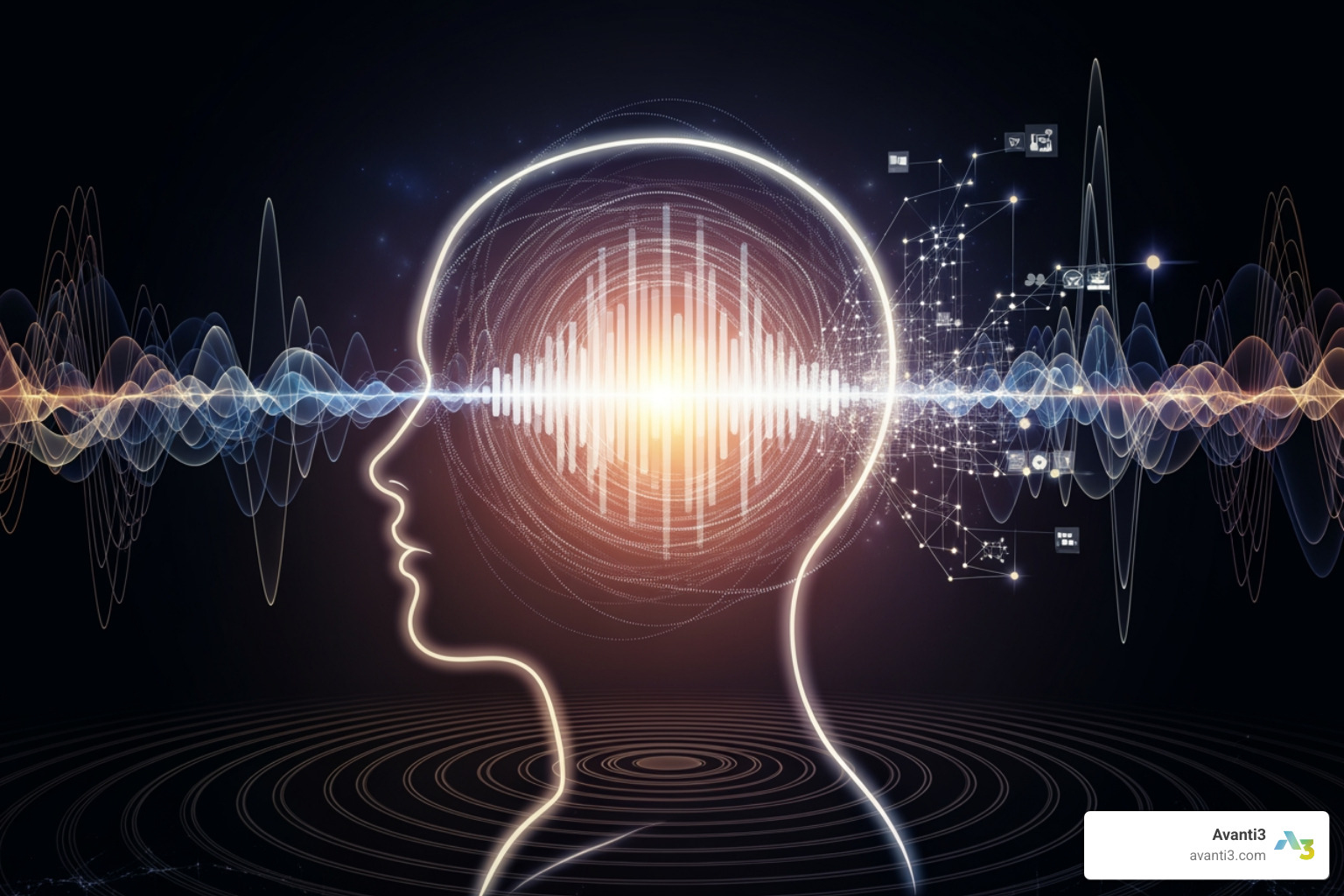
When we talk about an immersive experience, we’re discussing something that goes beyond mere observation. It’s about being part of the environment and feeling a genuine connection to it. This sensation involves two key concepts: immersion and presence.
Immersion is the objective degree to which technology can surround a user with stimuli, replacing their real-world environment. Presence is the subjective feeling of “being there” in the virtual scene—the psychological outcome of effective immersion. The greater the suspension of disbelief, the greater the sense of presence.
To achieve this, an immersive experience must be sensory-rich and interactive, offering opportunities to participate rather than just watch. It’s about pulling us in so completely that we forget our physical surroundings.
Defining the Experience: More Than Just a Screen
At its core, an immersive experience is designed to hijack our senses and transport our consciousness, tricking our brains into believing we are somewhere else entirely.
The psychological and emotional impacts can be profound, evoking awe, wonder, or excitement. This deep absorption allows for improved learning, greater empathy, and unforgettable entertainment. As research from IGI Global notes, an immersive experience is “characterized by an environment that is sensory-rich and fully engages the user’s attention and emotions, creating a sense of presence and immersion in a virtual or mixed reality environment.”
Whether it’s a VR game or a virtual art gallery, the goal is to create a powerful sense of presence. This transportive quality is what makes these experiences so compelling and impactful.
The Core Technologies That Power Immersion

The magic of an immersive experience is powered by several key technologies working together to create believable alternate realities. Here are the main players:
- Virtual Reality (VR): This well-known technology replaces your real-world view with a computer-generated one, typically through a headset, to make you feel present in a simulated space.
- Augmented Reality (AR): Unlike VR, AR overlays computer-generated images onto your real-world view, enhancing it. Think of games like Pokémon Go or apps that let you visualize furniture in your room.
- Mixed Reality (MR): MR blends physical and digital worlds, allowing virtual objects to interact with the real environment in real-time, combining the benefits of AR and VR.
- Haptics: This technology simulates the sense of touch. Haptic feedback from controllers or suits lets you “feel” virtual objects, textures, and impacts.
- Spatial Audio: Also known as 3D sound, this simulates the natural positioning of sounds in a virtual environment, which is crucial for realism.
- High-Fidelity Graphics: Crisp, realistic visuals are paramount. High-resolution displays, wide fields of view, and low latency (minimal delay) are key to preventing motion sickness and maintaining the illusion.
These technologies are constantly evolving, pushing the boundaries of what’s possible in AR/VR Immersive Experiences.
Common Types of Immersive Experiences
The beauty of an immersive experience lies in its versatility, changing how we interact with art, entertainment, education, and more.
Here are some common types:
- Immersive Art Installations: These experiences transport you into artistic masterpieces. Projects like Van Gogh: The Immersive Experience use 360° projections to envelop visitors in art, often with interactive elements. You can explore these further through Virtual Art Experiences.
- Virtual Reality (VR) Gaming: VR gaming places you directly into digital worlds where you are the character, interacting with environments on a deeply personal level.
- Immersive Theater and Cinema: Breaking from traditional stages, these experiences make the audience part of the narrative, allowing them to explore spaces and interact with actors.
- Educational Simulations: These offer powerful, hands-on learning opportunities, from virtual trips through the human body for medical students to historical reenactments.
- Interactive Museums and Attractions: Museums use immersive tech to bring history and science to life with virtual digs or simulated events. Theme parks also use these technologies to transport visitors to new worlds.
- Immersive Storytelling: This type uses a compelling narrative in a VR film, interactive game, or escape room to pull us into a world, deepening our emotional connection and engagement.
Each of these types leverages different senses and levels of interactivity to create a unique and unforgettable experience.
Key Principles for Designing an Effective Immersive Experience

Creating a compelling immersive experience requires thoughtful, user-centered design. Several key principles ensure engagement, accessibility, and safety.
- User-Centric Design: Understanding the audience’s needs and behaviors through research and testing is crucial. An experience must feel intuitive and relevant to be truly immersive.
- Storytelling and Narrative: A strong narrative provides context, purpose, and emotional depth. A well-crafted story draws users in and helps them suspend disbelief.
- Interactivity: Active participation improves immersion. The ability to influence the experience, from simple gestures to complex decisions, makes users feel more present.
- Accessibility: Immersive experiences should be for everyone. This means designing for diverse abilities with adjustable settings and alternative input methods from the ground up.
- Safety and Comfort: User well-being is paramount. This involves mitigating simulator sickness and, for AR, ensuring users are aware of their physical surroundings per guidelines like Google’s Safety and comfort guidelines for ARCore. For VR, this means designing for physical comfort and providing safety features.
By adhering to these principles, we can create transformative and memorable digital experience designs that delight, educate, and inspire.
The Future of Immersion and Its Real-World Impact
The journey of the immersive experience is far from over; in many ways, it’s just beginning. We’re witnessing rapid advancements that are not only refining existing applications but also opening entirely new frontiers. This evolution is deeply intertwined with emerging technologies like Web3, artificial intelligence (AI), blockchain, and non-fungible tokens (NFTs).
These technologies, which Avanti3 integrates into its solutions, are set to empower creators and brands with customizable engagement tools and fintech solutions, setting a new standard in digital engagement and fan monetization. Imagine loyalty programs gamified with NFTs, where our participation in an immersive experience earns us unique digital assets or exclusive access, fostering deeper community and lasting value. The future promises a convergence where the digital and physical fields blur even further, offering experiences that are not just captivating but also economically empowering.
Applications Across Industries: From Healthcare to Entertainment
The transformative power of an immersive experience is being harnessed across a multitude of industries, proving its value far beyond mere entertainment.
- Healthcare: We’re seeing groundbreaking applications in medicine. VR is used for surgical training, allowing aspiring surgeons to practice complex procedures in a risk-free environment. It’s also a powerful tool for therapy, helping patients with PTSD, anxiety, or phobias by gradually exposing them to triggers in a controlled setting. VR aids in rehabilitation for physical injuries and can even reduce phantom limb pain. Studies have also explored VR for psychiatric care, visualizing psychotic states, and treating conditions like schizophrenia.
- Education: Immersive technologies are revolutionizing learning. Students can start on virtual field trips to ancient Rome, conduct science experiments without real-world hazards, or explore the cosmos in breathtaking detail. This improves engagement and comprehension, as evidenced by studies showing the positive impact of VR on learning experiences.
- Retail and Marketing: Imagine trying on clothes virtually, walking through a digital showroom, or seeing how furniture looks in our home before buying it using AR. This is already happening, offering personalized and engaging shopping experiences. Augmented Reality Marketing allows brands to connect with consumers in novel, interactive ways, increasing engagement and purchase intent.
- Entertainment: This is perhaps the most visible sector. Beyond VR gaming, we’re seeing virtual concerts where artists perform to global audiences in digital venues, interactive films, and massive art exhibitions that redefine how we consume culture.
- Architecture and Construction: Immersive environments are invaluable here, from BIM (Building Information Modeling) visualization and virtual walkthroughs of future buildings for clients to training construction workers in hazardous scenarios. Designers can even model building elements in VR CAD interfaces, allowing for a more intuitive and collaborative design process.
These diverse applications demonstrate that the immersive experience is not just a trend but a fundamental shift in how we interact with technology and the world around us.
Current Limitations and What’s Next
While immersive experience is incredibly exciting, we’re also keenly aware of its current limitations and the challenges we must overcome to open up its full potential.
One common hurdle is simulator sickness, a form of motion sickness that some users experience in VR. This can be caused by the disconnect between what our eyes see (motion) and what our body feels (stillness). While developers are constantly improving refresh rates, tracking, and latency to mitigate this, it remains a concern for some users.
Another significant barrier has been the high cost of entry. While the Oculus Quest, for example, made VR more accessible, advanced setups can still be quite expensive. Facebook’s $2 billion acquisition of Oculus in 2014 and the HMD market’s projected value of over $25 billion USD by 2022 highlight the massive investment in this space, but also the need for more affordable, high-quality hardware for widespread adoption.
Technical problems like lag, glitches, or poor performance can quickly break immersion, pulling us out of the virtual world and back into reality. Consistent design and robust engineering are crucial to deliver seamless experiences.
However, these limitations are merely stepping stones to what’s next. The future of the immersive experience is brimming with possibilities:
- The Metaverse: This concept envisions a persistent, interconnected network of virtual 3D worlds where we can socialize, work, play, and transact. It’s a grand vision of community-level immersion, pushing beyond individual experiences to create shared digital realities.
- Ubiquitous AR: As AR glasses become more discreet and powerful, we can expect augmented reality to seamlessly integrate into our daily lives, providing contextual information and interactive overlays wherever we go.
- Advanced Haptics and Sensory Feedback: Beyond touch, researchers are exploring ways to stimulate smell and taste, bringing us closer to a truly multi-sensory immersive experience.
- AI Integration: AI will personalize experiences, create more dynamic and responsive virtual environments, and enable more intelligent virtual characters.
- Web3 and Digital Ownership: The integration of blockchain and NFTs will allow us to truly own digital assets within immersive worlds, creating new economies and opportunities for creators. This aligns perfectly with our mission at Avanti3 to empower creators and brands with innovative digital experiences and fan monetization strategies.
We are continuously working to overcome current limitations, pushing the boundaries of what’s possible, and striving to make these incredible experiences accessible and enjoyable for everyone. To dive deeper into how we’re shaping this future, you can learn more about our virtual reality experiences.