


Why Most Online Communities Are Built on Shaky Ground
Building an online community is one of the most powerful ways to create lasting connections with your audience—but here’s the hard truth: most fail within their first year. The good news? Failure isn’t random. It follows predictable patterns you can avoid.
Quick Answer: Essential Steps for Building an Online Community That Thrives
- Define your “why” – Know exactly what problem you’re solving for members
- Know your people – Create detailed personas of your ideal members
- Choose the right platform – Select based on your goals, not just features
- Set clear rules – Establish guidelines and moderation from day one
- Launch strategically – Start small with engaged members, then grow
- Foster engagement – Use events, content, and rewards to keep members active
- Monitor and adapt – Track metrics and evolve based on member needs
The research is clear: websites with online communities see 2x more traffic and earn 3x more revenue than those without. Members of company communities are more likely to spend more after joining. One software company saw their support tickets drop by 28% after launching their community.
Yet despite these compelling numbers, countless communities become ghost towns. Why? Because they’re built backwards—starting with a platform instead of a purpose, chasing numbers instead of nurturing connections, or treating community as a one-way broadcast channel instead of a reciprocal relationship.
As Matthew Stibbe wisely notes: “Community is not the cult of celebrity. It’s a reciprocal thing. It is about building connections, true connections, and developing those connections into relationships.”
I’m Samir ElKamouny AV, and I’ve spent years helping brands and creators transform their approach to digital engagement through innovative community strategies. Throughout my career building an online community has proven to be the cornerstone of sustainable growth, and I’ve learned that success comes from combining strategic planning with genuine human connection. In this guide, I’ll show you exactly how to build a community that doesn’t just survive—but thrives.
Explore more about building an online community:
- Web3 community management
- Web3 digital marketing
The Strategic Blueprint for Building an Online Community That Thrives

Building an online community can feel daunting, but with a clear strategy, you can avoid common pitfalls and create a vibrant hub for your audience. It starts with a solid blueprint focused on mutual benefit and genuine connection. This strategic approach ensures long-term value, turning passive observers into active participants and loyal advocates.
Step 1: Define Your Purpose and People
Before considering platforms, answer two questions: Why are we building an online community, and for whom? Understanding your motivation is the first step. What problem are you solving? Without a clear “why,” your community risks becoming an echo chamber.
Next, identify your ideal audience. Make sure that you fully understand who your community is before starting. This goes beyond demographics to psychographics: their interests, values, behaviors, and priorities. Creating detailed buyer personas helps you tailor content that truly resonates. For example, a yoga studio might discuss the frustrations of city life, not just yoga poses, to connect on a deeper level.
By defining your niche and setting specific, measurable goals—like reducing support costs or increasing loyalty—you lay a strong foundation for every decision ahead.
Step 2: Choose Your Platform and Structure
With your “why” and “who” defined, it’s time to decide “where” your community will live. Don’t choose your community tech stack until you understand what behaviors you want community members to engage in and what metrics you want to track.
There are two main structures:
- Forums: Excellent for content-driven, organized discussions. They function well as knowledge bases and can scale to large sizes. Pros: Highly organized, great for detailed discussions, good for SEO. Cons: Can feel less personal, may require more active moderation.
- Groups: Often on social media, these are more personal and organized by recency. Pros: High engagement potential, easy for casual interaction. Cons: Can be noisy, content gets lost easily, less control on external platforms.
When selecting a platform, consider these key features:
- Usability: A clear layout and mobile app for easy access.
- Monetization: Options for paid tiers or product sales.
- Video & AI Integration: For authentic connection and improved user experience.
- Customization: To reflect your brand identity.
- Moderation & Scalability: Tools to maintain a safe environment that can grow with you.
You can choose between branded community platforms (like those from Avanti3) or external community spaces (like social media groups). Here’s a quick comparison:
| Feature | Branded Community Platforms (e.g., Avanti3) | External Community Spaces (e.g., social media groups) |
|---|---|---|
| Control | High: Full ownership of data, branding, and user experience. | Low: Platform dictates rules, ads, and data usage. |
| Branding | Fully customizable; reflects your brand’s identity and values. | Limited: Your brand exists within the platform’s ecosystem. |
| Monetization | Direct: Integrate subscriptions, exclusive content, e-commerce, and Digital Reward System seamlessly. | Indirect or limited: Rely on platform features or external links. |
| Data Ownership | Complete: Own all member data and insights. | None: Data belongs to the platform, limiting analytics and retargeting. |
| Audience | Built from scratch; attracts dedicated members seeking specific value. | Leverage existing user bases; easier initial reach, but members may be less loyal to your community. |
| Cost | Typically involves platform fees; requires investment in setup and management. | Often free to start; hidden costs in lack of control, ads, and limited features. |
| Features | Custom to community needs (e.g., advanced moderation, analytics, Web3 integration, AI Customer Engagement). | General social features; may lack specific tools for deep community management or engagement. |
| Security/Privacy | You define and control; crucial for trust. | Subject to platform’s policies; less transparency and control. |
For serious brands seeking deep engagement and data ownership, a branded community platform offers unparalleled advantages.
Step 3: Establish Rules and Roles for a Safe Space
A thriving community is a well-managed ecosystem built on respect. This requires clear guidelines and defined roles.
Create concise community guidelines that outline acceptable behavior. Writing great group rules is essential. Involving early members in shaping these rules fosters a sense of shared ownership.
Member profiles are also vital, allowing members to express their identity and build trust. Features like customized member badges can incentivize engagement and reward contributions, making members feel valued.
Next, define the roles of moderators and administrators.
- Administrators are typically founders who set up the community, establish rules, and manage settings.
- Moderators are crucial for day-to-day management, enforcing rules, mediating disputes, and keeping discussions on track. Choose individuals with excellent judgment, as they are the front line of your community’s well-being.
Finally, consider privacy settings:
- Public: Anyone can view and join. Good for broad reach.
- Private (Visible): Findable by anyone, but membership requires approval.
- Private (Hidden/Secret): Invite-only. Ideal for exclusive content or paid memberships.
The choice depends on your purpose. A mix of public content and private, members-only areas often works best for building trust.
From Launch to Legacy: Sustaining and Growing Your Community
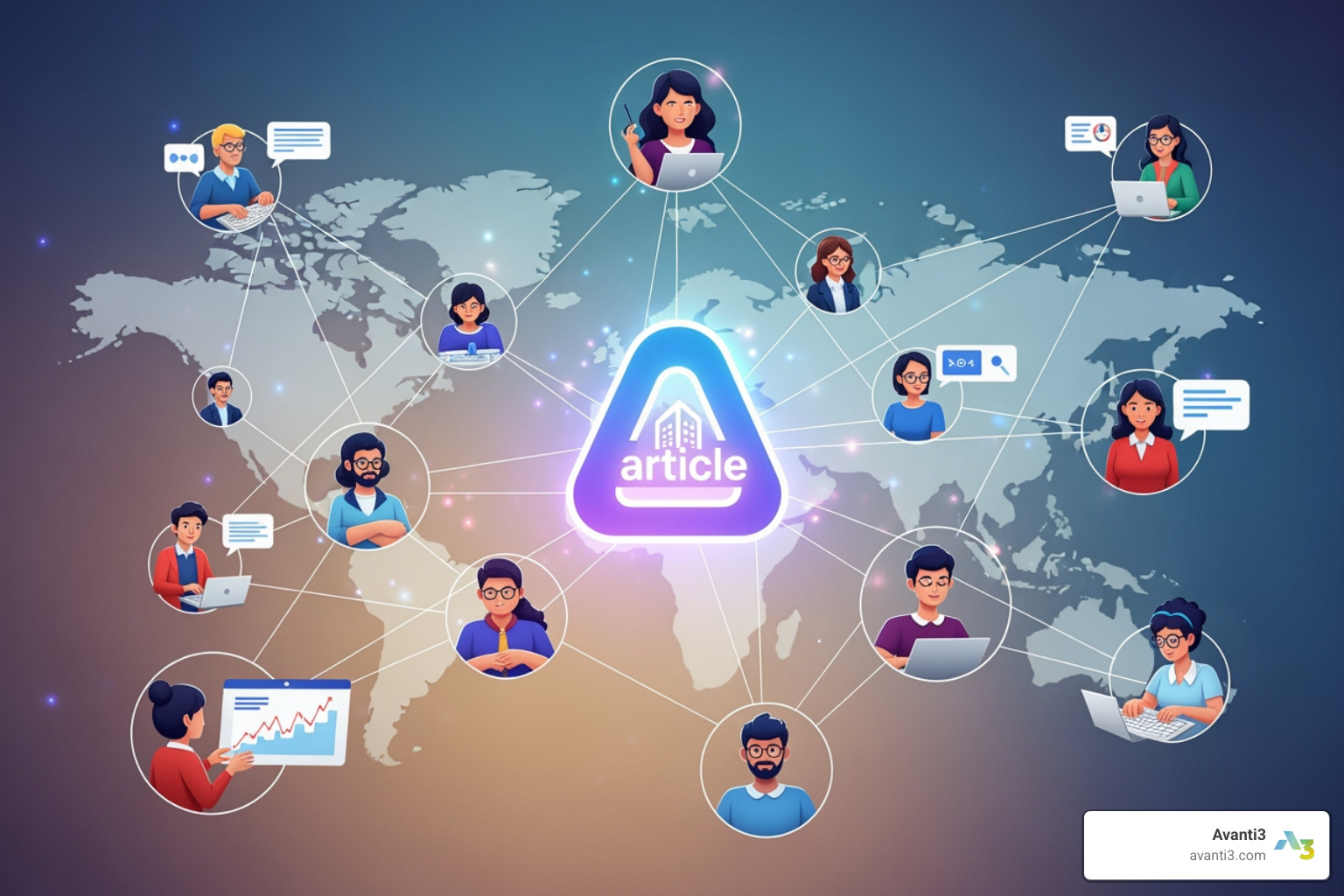
With the groundwork laid, it’s time to bring your community to life. This requires a thoughtful launch, continuous engagement, and a vision for long-term sustainability to create a space where members feel valued and connected.
Step 4: The Art of the Launch and First Impressions
A strong launch sets the tone. It’s about creating a welcoming atmosphere from day one.
Your compelling first post is a virtual handshake. It should state the community’s purpose, what members can expect, and how to get involved. For your ongoing content strategy, plan a mix of prompts, discussions, and resources. For example, asking questions about hot topics can spark lively debate, stimulate conversation, and give members a place to network.
Consider a soft launch by inviting a small, core group of passionate individuals first. They can help pre-populate discussions, test features, and provide valuable customer feedback to incorporate before a public release.
Your promotion plan should leverage your existing audience. Have a detailed plan to find the right people and build trust. Promote on your website, email lists, and social media. Encouraging early members to invite others through reward systems can also drive initial growth. Building a community in public channels first (like LinkedIn) can build credibility for your private community strategy.
Step 5: Fostering Engagement for Long-Term Success in building an online community
Once launched, nurturing connections is key. Consistent, thoughtful engagement is the lifeblood of a thriving community.
- Schedule Events: Virtual and in-person events like Q&As, workshops, or casual meetups boost networking and make members feel more invested.
- Use Gamification: Integrate reward systems like member badges or leaderboards to encourage participation and recognize contributions.
- Leverage Video Content: Video adds authenticity and makes interactions more human. Live streams, tutorials, or asynchronous video responses keep members engaged and are more likely to inspire action.
- Create Member-Only Areas: Offering exclusive content or private discussion groups creates a sense of value and encourages deeper bonding among your most dedicated members.
Step 6: Monetization and the Future of building an online community
A sustainable community often involves smart monetization. While connection is the core value, generating revenue ensures longevity and allows you to reinvest in growth.
Here are several ways to monetize an online community:
- Subscription Plans: Offer tiered access to premium content or exclusive groups.
- Merchandise Sales: Sell branded products via an integrated online store.
- Event Admission Fees: Charge for exclusive workshops or conferences.
- Affiliate Marketing: Partner with complementary businesses or creators.
- Premium Content/Courses: Offer in-depth courses or resources for purchase.
The future of building an online community is exciting, especially with the integration of Web3 technology, NFTs, and AI. At Avanti3, we are at the forefront of this evolution, empowering creators with customizable engagement tools and fintech solutions. We integrate Web3 technologies like NFTs and blockchain to create unique digital experiences and rewards systems. Imagine members earning NFTs for their contributions or participating in AR/VR experiences. Our Digital Brand Engagement solutions leverage AI Customer Engagement to personalize experiences, making every interaction more meaningful.
By embracing these innovative technologies, you can set a new standard in digital engagement and fan monetization, ensuring your community is future-proofed for tomorrow.
Ready to build an online community that truly thrives? Learn how to build your digital community with Avanti3.