

The Shifting Landscape: An Introduction to Marketing’s Next Era
The future of marketing is happening faster than most businesses realize. By 2025, we’ll see fundamental shifts that will reshape how brands connect with their audiences.
Key trends defining marketing’s future:
- AI-driven personalization: 75% of consumers more likely to buy from brands delivering personalized content
- Voice and visual search: 50% of all searches expected to be voice or visual-based by 2025
- Social commerce boom: Market projected to reach $8.5 trillion by 2030
- Immersive experiences: AR/VR integration becoming mainstream in customer journeys
- Ethical marketing: 78% of consumers prefer environmentally conscious businesses
- Short-form video dominance: 91% of consumers want more video content from brands
Marketing leaders face a critical choice: adapt or fall behind. The companies thriving in 2025 will be those that accept AI tools, prioritize authentic community building, and create seamless experiences across digital and physical touchpoints.
The digital revolution has created more sophisticated customers who expect personalized, values-driven interactions. Traditional marketing approaches are losing effectiveness as consumers demand transparency, sustainability, and genuine value.
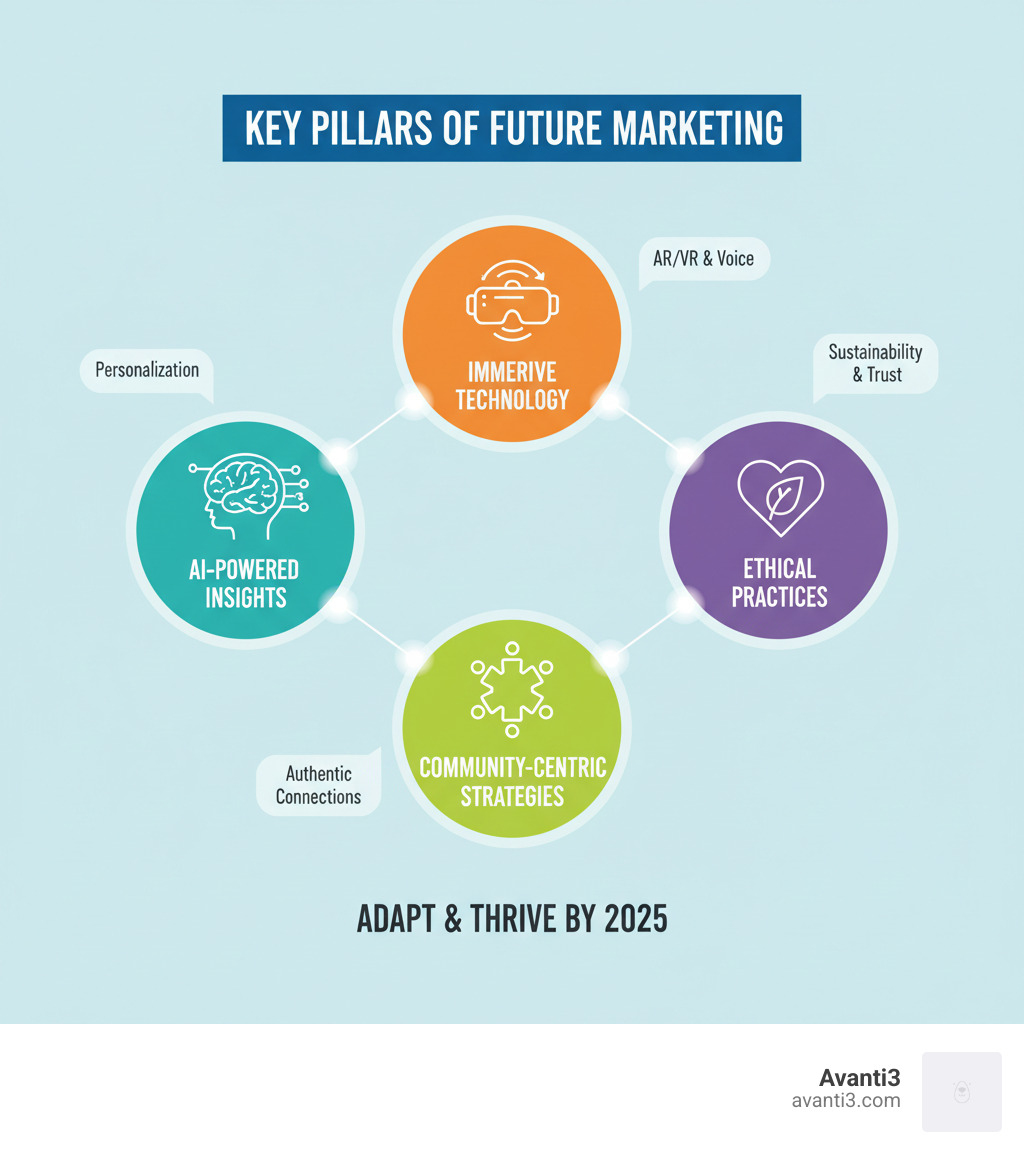
The most successful brands will master four core pillars: AI-powered insights, immersive technology integration, ethical practices, and community-centric strategies. These aren’t just trends – they’re becoming the baseline expectations for modern marketing.
As an entrepreneur and marketing expert who has helped scale countless businesses across 25 countries, I’ve witnessed how the future of marketing demands both strategic vision and flawless execution. My experience changing traditional marketing approaches into growth engines has shown me that success comes from combining cutting-edge technology with authentic human connection.
Key Trends Defining the Future of Marketing
The marketing world is experiencing a dramatic change, and 2025 is shaping up to be a pivotal year. We’re not just witnessing small tweaks to existing strategies – we’re seeing a complete revolution driven by breakthrough technologies and evolving consumer expectations.
Let’s explore the key trends that will define the future of marketing and explore how they’re already reshaping how brands connect with their audiences.
The AI Revolution: Driving Hyper-Personalization and Predictive Insights
Artificial intelligence has moved from science fiction to everyday reality. It’s now the driving force behind modern marketing, and frankly, many of us can’t imagine working without it. According to the 2024 State of Marketing AI Report, marketing professionals are increasingly dependent on AI tools for their daily workflows.
Content creation has been completely transformed by AI. Tools like Midjourney are revolutionizing graphic design, while generative AI platforms like ChatGPT, Copilot, and Jasper AI can produce blog posts, social media content, ad copy, and video scripts in minutes instead of hours. This efficiency boost means companies can either create more content or achieve their marketing goals with leaner teams.
But here’s where AI really shines: hyper-personalization at scale. By analyzing massive amounts of customer data, AI enables us to create incredibly targeted campaigns. Think about how Netflix knows exactly what show you’ll binge next, or how Spotify curates playlists that feel like they were made just for you. The numbers speak for themselves – 75% of consumers are more likely to purchase from brands that deliver personalized content.
AI-powered customer service has become the new standard. Chatbots and virtual assistants now provide instant, 24/7 support, handling complex queries and freeing up human agents for more nuanced interactions. This isn’t just about efficiency – it’s about creating better customer experiences.
The real game-changer is how AI is revolutionizing decision-making. Instead of just reporting what happened, AI now predicts what will happen and suggests what actions to take. It can forecast demand, optimize budgets automatically, and reduce decision-making time from days to minutes.
However, with great power comes great responsibility. Data privacy concerns are mounting as AI relies heavily on customer information. We need to prioritize transparent data collection and ensure we’re following privacy regulations. Algorithmic bias is another challenge – if our training data contains biases, our AI will perpetuate them. This makes human oversight and diverse datasets crucial for fair marketing practices.
Immersive Worlds: Integrating AR, VR, and Voice in the Customer Journey
Marketing is breaking free from traditional screens and entering new dimensions. The integration of augmented reality, virtual reality, and voice technology is creating experiences that were unimaginable just a few years ago.

Augmented reality is bridging the gap between digital and physical worlds. Customers can now visualize furniture in their living room, try on clothes virtually, or see how a new car looks in their driveway – all through their smartphone. This “try before you buy” approach is making marketing more interactive and memorable than traditional advertising ever could.
Virtual reality takes immersion even further. Brands are creating virtual showrooms, offering travel destination previews, and hosting events in digital spaces. The Etsy Virtual House is a perfect example – they created a virtual home where shoppers could experience holiday products in context, making the shopping experience more engaging and meaningful.
Voice search is quietly revolutionizing how we find information. With smart speaker ownership expected to reach 75% of US households by 2025, according to voice search statistics, optimizing for voice search is becoming essential. This means shifting from traditional keyword strategies to natural, conversational queries that match how people actually speak.
The key is understanding that voice searches are longer and more question-based than typed searches. People don’t say “pizza delivery Chicago” – they ask “Where can I order pizza for delivery near me?” This shift requires a completely different approach to content optimization.
The Social Sphere: Dominance of Short-Form Video and Social Commerce
Our attention spans are shrinking, but our appetite for engaging content is growing. This paradox has pushed short-form video and social commerce to the forefront of the future of marketing.
Short-form video content has taken over social media, and for good reason. Platforms like TikTok, Instagram Reels, and YouTube Shorts have mastered the art of capturing attention quickly. The statistics are staggering – 91% of consumers want more video content from brands, and 92% of marketers believe video will be crucial for future marketing success.
These bite-sized videos excel at combining entertainment with information. They’re perfect for product demonstrations, behind-the-scenes content, customer testimonials, and quick tutorials. The key is creating content that stops the scroll and encourages interaction.
Social shopping is changing e-commerce by eliminating friction in the buying process. Instead of clicking through multiple pages and websites, customers can find and purchase products without ever leaving their favorite social platform. This seamless integration is projected to create an $8.5 trillion market by 2030.
Platforms like TikTok are leading this revolution with in-app shopping features that reportedly generate around seven million dollars in daily sales. The TikTok shopping experience demonstrates how reducing the steps between findy and purchase dramatically increases conversion rates.
The lesson is clear: the fewer taps between seeing a product and buying it, the higher your conversion rates will be.
Conscious Commerce: The Rise of Ethical and Sustainable Marketing
Today’s consumers don’t just buy products – they buy into brands that align with their values. This shift toward conscious commerce is reshaping marketing strategies across industries.
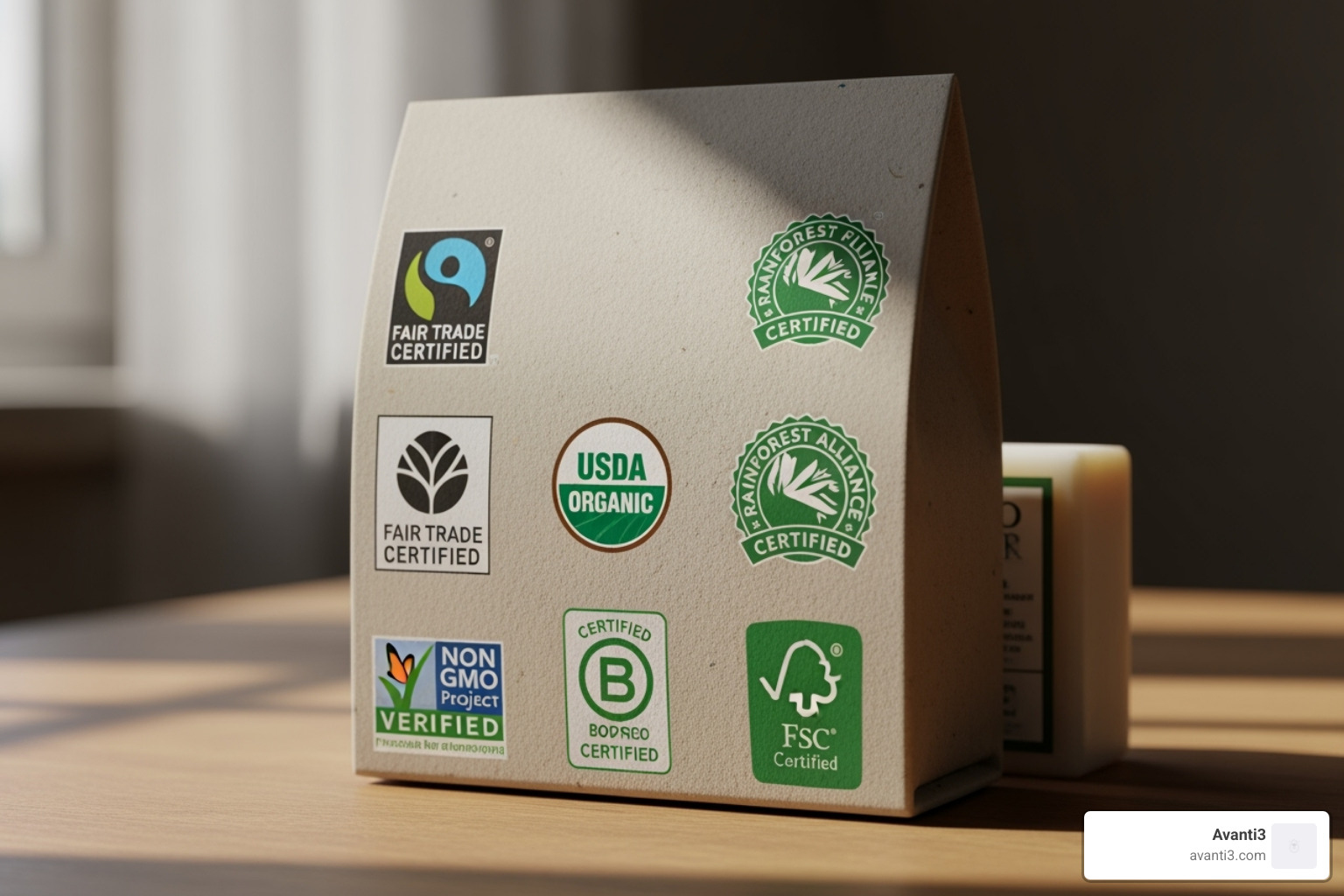
Consumer values are driving purchasing decisions more than ever before. A 2022 HubSpot survey found that nearly half of consumers are more likely to purchase from companies actively reducing their environmental impact. Additionally, 28% consider environmental impact and ethical production among the most important factors when making buying decisions.
Brand purpose has moved beyond profit. Companies like Patagonia have shown how deeply integrating social missions into brand identity creates authentic connections with customers. Patagonia’s environmental advocacy isn’t just marketing – it’s core to their business model and resonates powerfully with their audience.
Authenticity and transparency have become non-negotiable. Today’s consumers can quickly spot and punish greenwashing – misleading claims about environmental practices. Brands must demonstrate genuine commitment to sustainability and ethical conduct across their entire operation, from sourcing and production to packaging and labor practices.
This conscious approach to commerce isn’t just about doing good – it’s about building trust and creating long-term customer loyalty. In the future of marketing, brands that authentically accept ethical and sustainable practices will have a significant competitive advantage over those that don’t.
How to Prepare Your Business for Marketing’s Next Chapter
The future of marketing feels like it’s rushing toward us at lightning speed, doesn’t it? One day we’re mastering social media, and the next we’re trying to figure out how AI fits into our content strategy. But here’s the thing – this rapid change isn’t just a challenge to overcome. It’s actually one of the biggest opportunities we’ve ever had to connect with our customers in meaningful ways.
Think about it: we’re living through a time when we can create personalized experiences that would have seemed like science fiction just a few years ago. The question isn’t whether these changes are coming – they’re already here. The real question is how we’re going to accept them.
Challenges and Opportunities in the Future of Marketing
Let’s be honest about what we’re facing. The marketing world is changing faster than many of us can keep up with, and that brings some real challenges.
The biggest problems we’re seeing include skill gaps that make our teams feel overwhelmed. When AI tools and AR experiences become standard expectations, but your team is still figuring out basic automation, it can feel pretty daunting. Then there’s the whole data privacy maze we’re all trying to steer – managing customer information responsibly while still delivering those personalized experiences everyone wants.
Budget decisions have gotten trickier too. Should you invest in that new AI platform or put money toward immersive technology? With so many options and limited resources, it’s easy to feel paralyzed by choice.
But here’s where it gets exciting. Every challenge creates an opportunity for the businesses brave enough to lean in. Early adopters of AI and personalization aren’t just keeping up – they’re leaving their competitors in the dust. When you master these tools, you’re not just improving efficiency; you’re creating customer experiences that build genuine loyalty.
The businesses thriving right now are the ones using AI as a creative partner, not a replacement for human insight. They’re building deeper relationships by aligning with customer values and creating those wow moments through immersive experiences.
Here’s what’s really powerful: predictive AI capabilities mean we can anticipate what our customers need before they even know it themselves. That’s not just good marketing – that’s almost like having a crystal ball for your business.
Your Roadmap to Thriving in the Future of Marketing
Ready to turn all this change into growth for your business? Here’s your practical roadmap for mastering the future of marketing.
Start with smart technology investments that actually make sense for your business. Don’t chase every shiny new tool – focus on AI solutions that solve real problems for your customers. Maybe that’s personalization tools that help you deliver content your audience actually wants, or analytics platforms that give you clearer insights into customer behavior.
Your team is your secret weapon, so invest in them. The most successful businesses aren’t replacing their people with AI – they’re teaching their people to work alongside AI. This means training on new platforms, sure, but also helping your team understand ethical AI usage and data privacy. When your team feels confident with these tools, that confidence shows up in everything they create.
Build a data-driven culture that customers can trust. Focus on collecting first-party data – information customers willingly share because they see the value in it. Use this data to create those personalized experiences we’ve been talking about, but always with clear ethical guidelines. Transparency isn’t just good business; it’s becoming a competitive advantage.
Authentic customer experiences matter more than ever in our digital-first world. People can spot fake from a mile away, so focus on creating genuine value at every touchpoint. This might mean AI-powered customer service that actually solves problems quickly, or content that reflects your brand’s real values.
Accept experimentation without fear of failure. The marketing landscape will keep evolving, and the businesses that succeed are the ones comfortable with testing new ideas. Try that new platform, experiment with immersive content, or test different personalization approaches. Some won’t work – and that’s perfectly okay.
For the real innovators, Web3 technologies offer incredible opportunities for deeper customer engagement. Companies like Avanti3 are already building customizable engagement tools and fintech solutions that let creators and brands offer unique digital experiences and rewards systems. These platforms help build genuine communities, not just customer lists. Learn how to build unique digital experiences that create lasting connections with your audience.
The truth is, the future of marketing isn’t something that’s happening to us – it’s something we get to shape. By embracing these changes with curiosity instead of fear, prioritizing our customers’ real needs, and staying committed to ethical practices, we’re not just adapting to marketing’s future. We’re helping to create it.