

Why Digital Incentives Are Changing Business Engagement
Digital Incentives are rewards delivered electronically to motivate specific behaviors, from customer purchases to employee excellence. They come in many forms, including e-gift cards, virtual experiences, loyalty points, digital coupons, and even token-based rewards for Web3 brands.
Why do they matter? A staggering 72% of consumers prefer digital incentives over physical ones. They offer instant gratification, are more cost-effective with no shipping fees, provide clear tracking, and are better for the environment.
In today’s digital-first world, incentivizing your audience has followed suit. Unlike traditional physical rewards that involve storage, shipping, and potential loss, digital incentives arrive instantly via email, text, or app. This meets the modern demand for speed while giving recipients the freedom to choose rewards that are meaningful to them.
Here’s a quick comparison:
| Feature | Digital Incentives | Physical Incentives |
|---|---|---|
| Delivery Speed | Instant | Days to weeks |
| Cost | Lower (no shipping) | Higher (storage + shipping) |
| Personalization | Easy (recipient choice) | Limited |
| Tracking & Analytics | Real-time data | Difficult to measure |
| Environmental Impact | Minimal waste | Paper/plastic waste |
As a marketing expert, I’ve seen Digital Incentives transform engagement and drive measurable growth. This guide will walk you through everything you need to know to implement them effectively.
Implementing a Powerful Digital Incentives Strategy
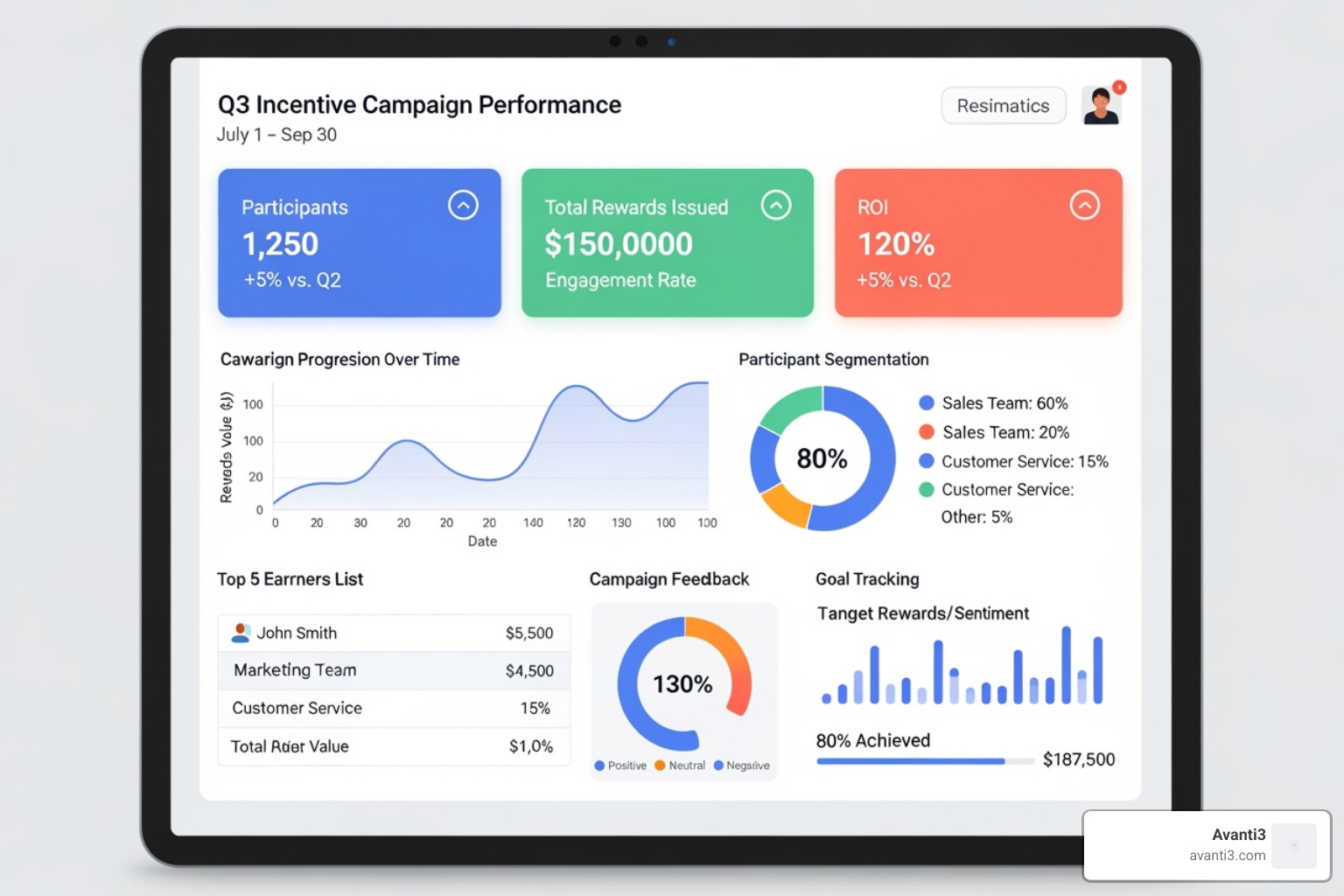
An effective digital incentives strategy isn’t about randomly distributing rewards; it’s a thoughtful plan aligned with your business goals. The beauty of digital rewards lies in their immediacy. When someone completes a desired action, they receive recognition now, not weeks later. This instant gratification meets modern expectations for speed and convenience.
This approach is also cost-effective and environmentally responsible. With no shipping logistics or storage costs, distribution is cheaper and leaves a smaller footprint. A well-placed incentive can easily pay for itself by driving a sale worth several times its value, influencing decisions across the entire customer journey.
If you’re looking to understand how these strategies fit into a broader digital ecosystem, check out our Digital Engagement Solutions for a deeper dive.
Key Applications: Engaging Customers and Motivating Employees
Digital incentives excel in two critical areas: customer engagement and employee motivation.
For customers, you can instantly reward actions like newsletter sign-ups, first purchases, or referrals. This immediate recognition builds a positive brand association. Since 60% of consumers prefer personalized shopping experiences, letting them choose their own rewards is a powerful tool. You can weave incentives into marketing campaigns to drive sales, boost survey response rates, or build referral programs that turn customers into advocates.
For employees, digital incentives are a game-changer for motivation. Acknowledging hard work with a timely, meaningful reward encourages high performance and boosts job satisfaction. Employees who feel valued are more loyal and productive, fostering a culture of healthy competition and camaraderie. In a competitive job market, a strong digital recognition program helps attract and retain top talent, leading to higher retention and better morale.
For organizations focused on building stronger communities through digital loyalty programs, explore our Community Loyalty Programs resources.
Designing Your Program: From Strategy to Execution
Start by defining a clear objective: are you aiming for more sales, higher survey completion, or better employee performance? Once your goal is set, you can choose the right rewards and platform.
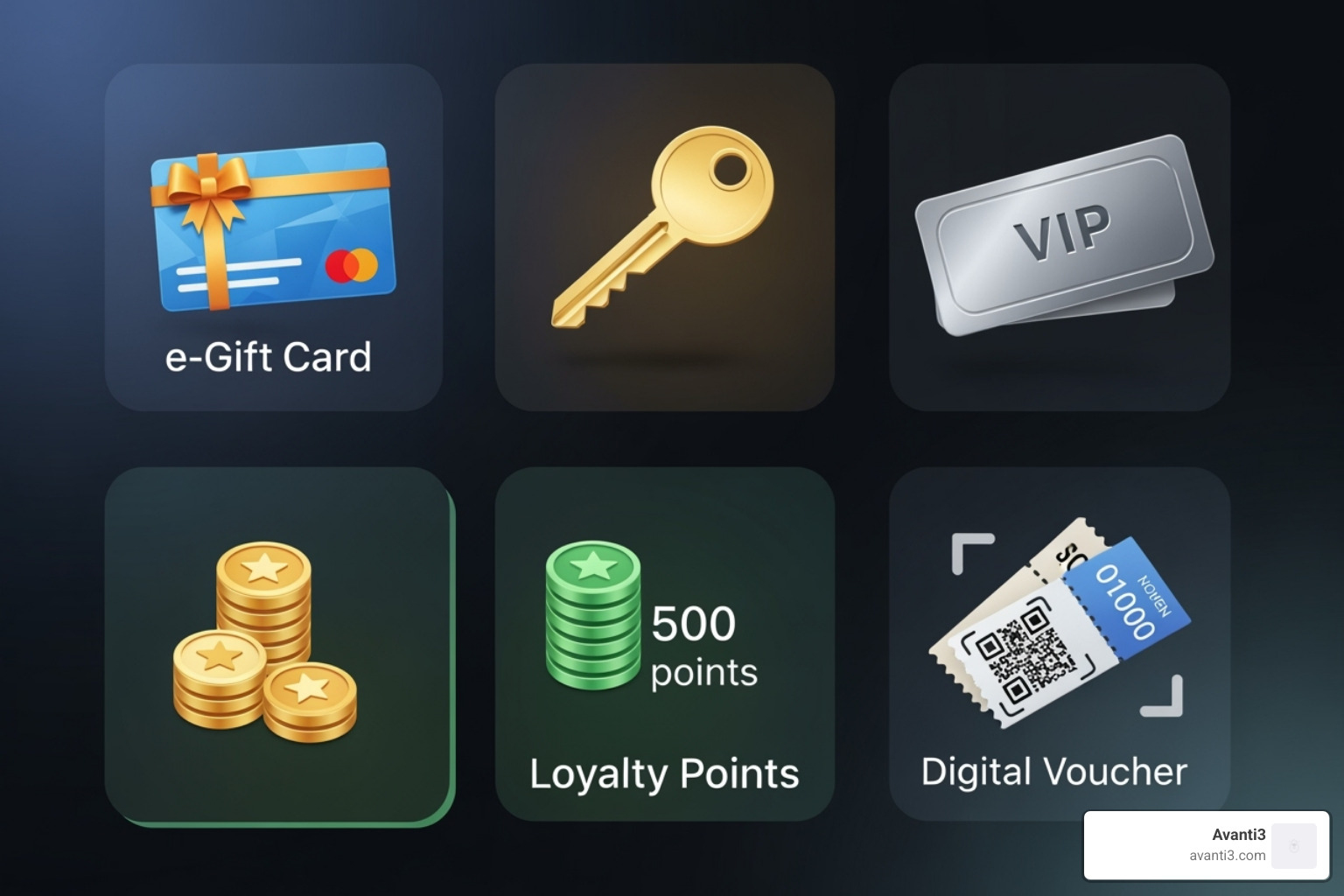
The variety of Digital Incentives is vast:
- E-gift cards are the most popular choice, offering flexibility from thousands of global brands.
- Virtual prepaid cards work anywhere the card network is accepted, offering maximum choice.
- Exclusive digital experiences, like early product access or member-only content, create memorable brand connections.
- Points-based systems and gamification encourage consistent engagement by making rewards feel earned and fun.
- Cashback rewards, promo codes, and charitable donations are other effective options that cater to different motivations.
Personalization is key. The best platforms allow recipients to choose from a curated selection and let you customize the branding for a seamless experience. When selecting a platform, prioritize global reach (multi-country and currency support), delivery speed (real-time delivery with high uptime), integration capabilities (APIs for your CRM/marketing tools), dedicated support, and robust reporting and analytics.
Measuring Success and Optimizing Your Digital Incentives
One of the greatest advantages of Digital Incentives is their trackability. Start by monitoring key metrics:
- Redemption Rates: The percentage of rewards claimed. High rates indicate your incentives are desirable.
- Engagement Metrics: Track repeat purchases, website visits, and social media interactions for customer programs. For employees, monitor productivity, training participation, and collaboration.
- Purchase Rates and Retention: Compare sales during incentive campaigns to baseline periods and monitor customer churn to see if loyalty programs are effective.
- Return on Investment (ROI): Calculate the revenue generated or cost savings (like reduced employee turnover) against the program’s cost.
Use this data to continuously improve your program. If one reward is unpopular, swap it out. If a campaign drives high engagement, double down on that strategy. This is where insights from behavioral economics become valuable, helping you understand the psychological drivers behind why people respond to certain incentives. This cycle of measurement, analysis, and refinement turns a good program into a great one.
For organizations looking to leverage AI for smarter marketing strategies, explore our AI Digital Marketing solutions.
Navigating Challenges and Ensuring Compliance

While powerful, digital incentive programs have potential challenges. Here’s how to steer them:
- Low Redemption Rates: Combat this by offering choice and personalization. A curated catalog of desirable rewards ensures everyone finds something they value.
- Devaluing Your Product: Avoid this by framing incentives as rewards for loyalty or specific actions, not just generic discounts. Pairing a discount with a gift card can also improve perceived value.
- Technical Implementation: Modern platforms are designed for ease of use, with robust API integrations and dedicated support teams to guide you.
Security and compliance are the most critical considerations. Your platform must have stringent data security (look for ISO 27001 certification), comply with privacy regulations like GDPR and CCPA, and include fraud prevention mechanisms. For global programs, work with providers who understand complex international tax and consumer protection laws to reduce risk.
For insights on building strong community partnerships that steer these considerations effectively, visit our Tools on Building Community Partnerships page.
The Future of Engagement: Web3 and Next-Generation Rewards
The world of digital incentives is rapidly evolving with the rise of Web3 technologies. This isn’t just a trend; it’s a paradigm shift in how brands build communities. Traditionally, companies focused on “owning the customer.” Web3 flips this model by introducing shared ownership and decentralized control.
In this new landscape, customers are not just consumers; they become stakeholders. They can own a piece of the brand experience through tokens and NFTs, creating a partnership rather than a simple transaction. This allows for loyalty programs that feel more like community membership, giving customers real skin in the game and fostering deeper, more authentic engagement. We’re moving beyond one-way marketing to build shared digital ecosystems where everyone benefits from the community’s success.
This shift opens up new frontiers in brand building and customer interaction. To explore this in depth, we’ve gathered comprehensive insights on digital brand engagement.
How Digital Incentives Build Your Brand and Marketing Strategy
Thoughtfully used, digital incentives are powerful brand-building assets. A personalized e-gift card or exclusive content creates a positive emotional connection, making customers feel understood and valued. Unlike a fleeting discount, a digital reward that becomes part of someone’s daily life—their morning coffee or a movie rental—serves as a recurring, positive reminder of your brand’s generosity.
Digital incentives integrate seamlessly into the entire customer journey. Use them to attract new leads, encourage first purchases, and drive repeat business through post-purchase rewards. At each touchpoint, incentives motivate immediate action while building long-term relationships. A modest reward often pays for itself many times over by securing a high-value sale.
These incentives are also exceptional for community building. Rewarding participation in forums, user-generated content, or social media engagement makes people feel like they belong. They become advocates who actively promote your brand. In the Web3 space, this is amplified through token-based rewards and NFTs that turn engagement into tangible, ownable assets. The data from these programs provides actionable intelligence, helping you refine your messaging and offerings based on what your community truly values.
For businesses serious about cultivating vibrant online communities, learn more about our tools for building online communities.
Embracing Innovation: The Role of Web3 and AI in Rewards
Web3 and Artificial Intelligence are creating entirely new categories of engagement. NFTs and token-based rewards, for instance, are revolutionizing loyalty. Imagine earning a unique digital collectible (an NFT) for being a top customer. This isn’t just a badge; it’s a digital asset you own, which can grant VIP access, permanent discounts, or even fractional ownership in brand assets. These NFTs become status symbols that prove a deep connection to the brand.
Token-based rewards create brand-specific economies where customers earn tokens for engagement and can spend or trade them within the ecosystem. This, combined with gamification, turns loyalty into an adventure, with users completing challenges to earn increasingly valuable rewards. People engage because the experience is fun, not just for the prize.
Artificial Intelligence enables hyper-personalization at scale. AI can analyze vast amounts of data to predict which incentive will resonate most with each individual at the perfect moment. This means you’re delivering the right reward to the right person at the right time, dramatically increasing engagement and making customers feel genuinely understood.
At Avanti3, we are at the forefront of this revolution, integrating Web3 technologies like NFTs, blockchain, and AI to empower brands with customizable engagement tools. Our platform enables unique digital experiences and robust rewards systems that were impossible in the Web2 world. We aren’t just talking about the future of digital incentives—we’re building it.
When choosing a platform, look for one that accepts these innovations while maintaining strong fundamentals: global reach, reliability, seamless API integration, and dedicated support. The advantages over physical rewards are clear: instant delivery, unlimited choice, complete trackability, and zero physical waste. By embracing Web3 and AI, you can move beyond simple transactions to build rich, interactive relationships that last.
Want to dive deeper into how NFTs can transform your engagement strategy? Explore our NFT engagement tools. Curious about AI’s role in creating more meaningful customer interactions? Visit our page on AI customer engagement.
Ready to transform your engagement strategy with cutting-edge digital rewards? Explore our advanced Digital Reward System and find out how we can help you build unparalleled loyalty and community in the digital age.