

The Feeling Behind the Brand
Brand experience design is the deliberate creation of delight and cohesion across every customer touchpoint. It establishes an intangible yet deeply felt connection—the “soul” of your brand—through strategic visual, emotional, and sensory experiences. It’s the sum total of every interaction a person has with your company, from your website’s interface to your product packaging.
What is Brand Experience Design?
- Method: Creating products and features with a brand-first approach
- Focus: Emotional connections across all touchpoints (physical, digital, social, service)
- Components: Aesthetics, functionality, usability, and engagement
- Goal: Build lasting customer loyalty through memorable, cohesive interactions
- Difference: Goes beyond traditional branding (logos, taglines) to create unified, compelling stories
This matters because research shows that nearly 95% of purchasing decisions are made subconsciously, based on “vibes” rather than rational analysis. A consistently positive brand experience builds the trust that is crucial for building loyalty. When attention is currency, brands that don’t design for emotional impact will be forgotten.
The stakes are high. The global experience economy is projected to hit $30 trillion annually by 2030, with most top brands already investing heavily. Your brand isn’t just competing on features anymore—it’s competing on feelings.
Brand Experience vs. UX and Traditional Branding
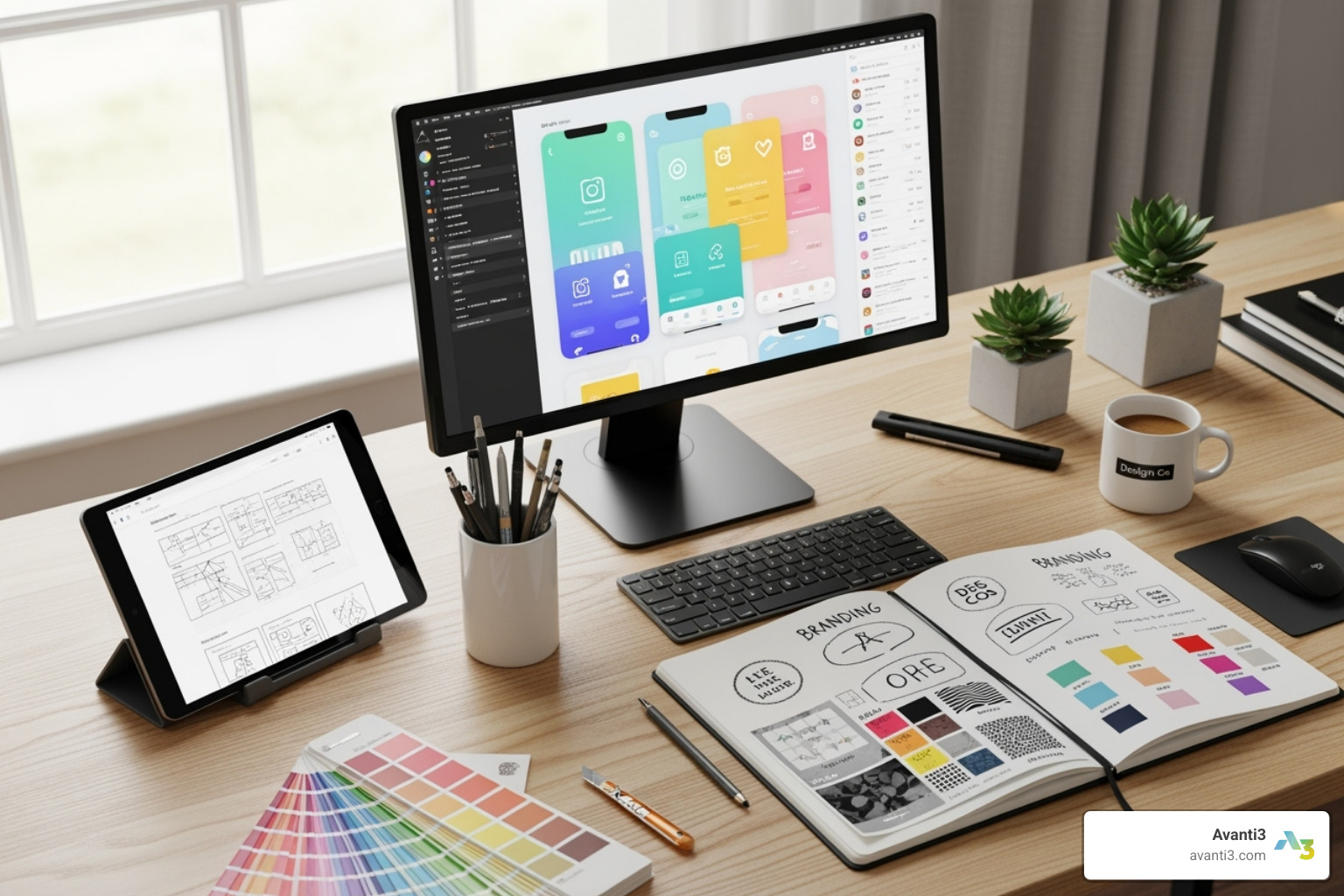
It’s easy to confuse brand experience design with traditional branding or user experience (UX) design, but they are distinct disciplines. Here’s how they differ:
-
Traditional Branding: Focuses on identity (logos, taglines, colors) to achieve recognition and differentiation. It’s the promise you make.
-
User Experience (UX) Design: Concerns the usability, functionality, and efficiency of a specific product or interface, like a website or app. It’s about the ease of interaction with a single touchpoint.
-
Brand Experience (BX) Design: Takes a holistic approach, encompassing all interactions and feelings a customer has with a brand across every touchpoint. It bridges UX and branding to shape an emotional connection and a unified story, focusing on how interactions make customers feel about the brand as a whole.
Here’s a quick comparison:
| Feature | Traditional Branding | User Experience (UX) Design | Brand Experience (BX) Design |
|---|---|---|---|
| Goal | Recognition, Differentiation, Brand Identity | Usability, Functionality, Efficiency | Emotional Connection, Loyalty, Holistic Perception |
| Scope | Visuals, Messaging, Identity Guidelines | Specific Product/Service/Interface Interaction | All Touchpoints (physical, digital, social, human) and Emotions |
| Focus | What the brand looks and says | How users interact with a specific tool | How users feel about the brand through all interactions |
| Metrics | Brand Awareness, Recognition, Recall | Task Completion Rate, Satisfaction Scores, Error Rate | Customer Loyalty, Brand Sentiment, NPS, CLV, Emotional Engagement |
While UX is a crucial component, BX is the broader umbrella that harmonizes all elements into a singular, powerful brand presence. It creates a lasting impression that goes beyond a functional interaction or a memorable logo.
Mastering Brand Experience Design: Strategies and Components
Key Components of a Memorable Brand Experience
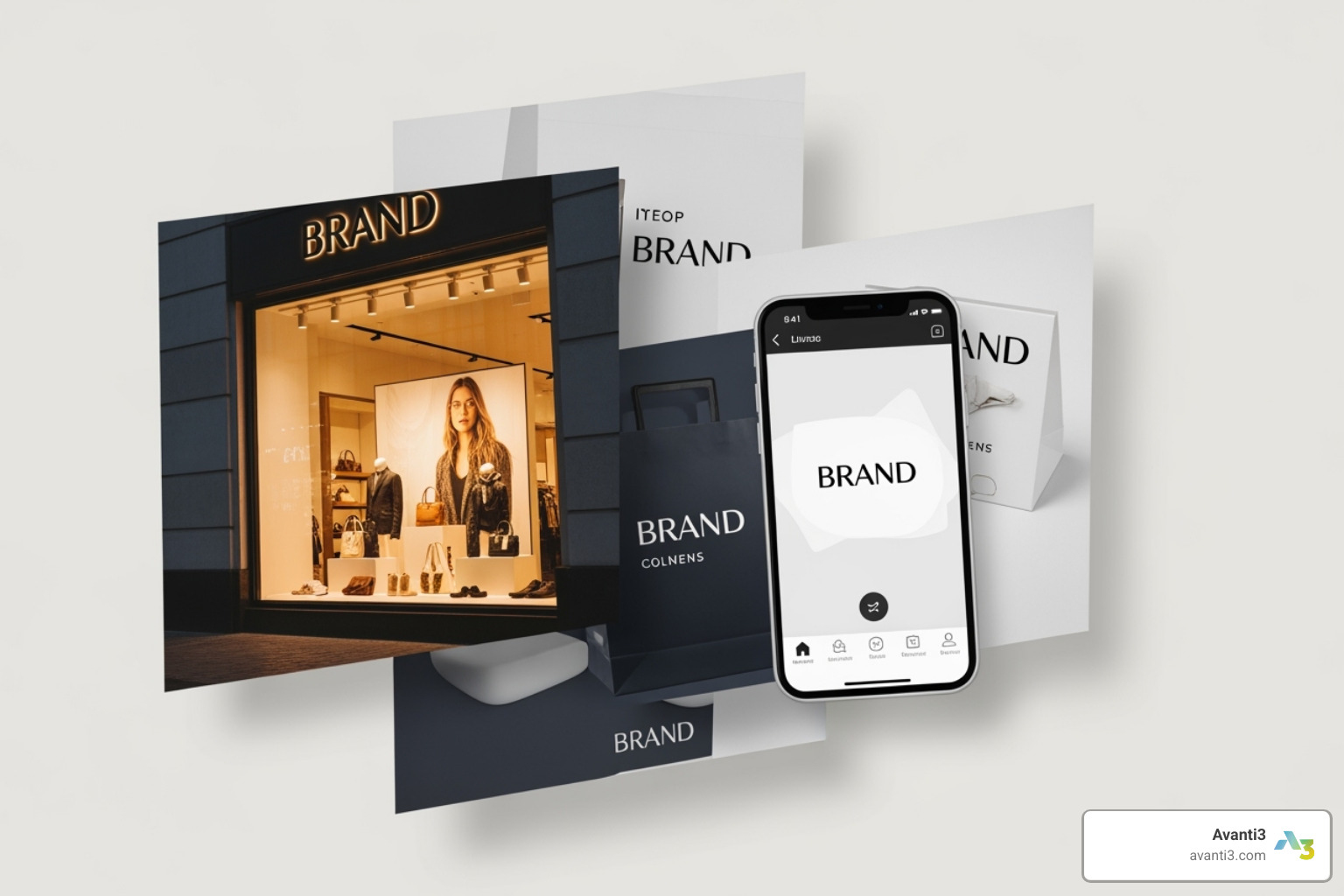
A memorable brand experience requires harmony across all touchpoints—the moments customers interact with your brand. Each one, from your website to your customer service, either builds or erodes trust.
- Physical Spaces: Engage multiple senses. Aesop’s stores, for example, are brand sanctuaries with distinct lighting, scents, and textures that embody their philosophy.
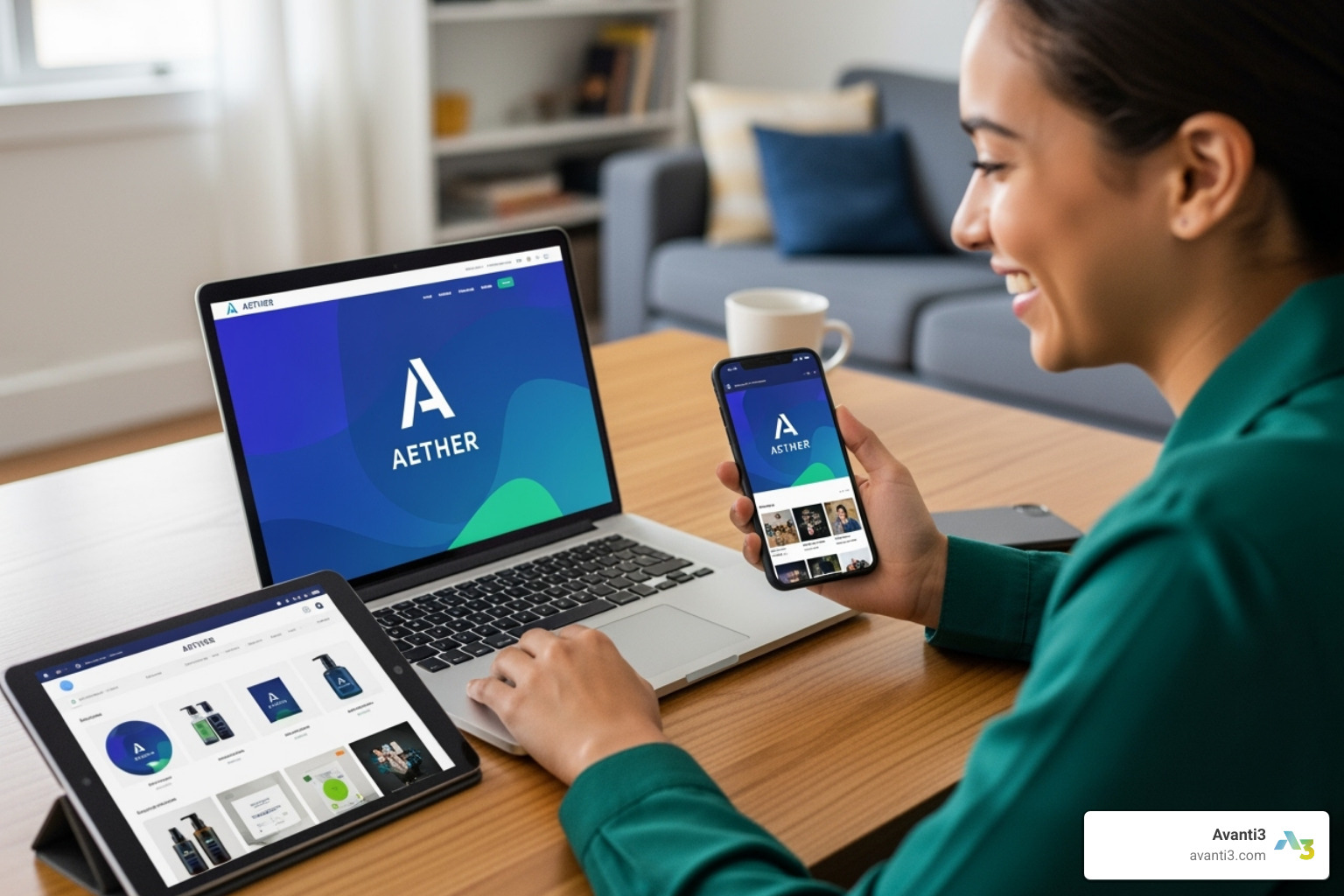
- Digital Platforms: Your website and apps must feel like your brand, with intuitive navigation and a consistent voice.
- Social Media: This is where brand personality shines. Surreal Cereal’s LinkedIn content uses playful, unexpected posts that are memorable because they are authentic.
- Customer Service: Empathetic, effective support can turn a frustrated customer into a loyal advocate by reinforcing your brand’s promise.
Consistency is the thread connecting these elements. When aesthetics, functionality, and engagement work together, you create a powerful experience people trust and share.
Principles for Effective Brand Experience Design
Effective brand experience design is guided by core principles that foster connection.
- Storytelling: Weave a consistent narrative through every touchpoint. This gives meaning to design choices and makes customers feel part of your brand’s journey.
- Personalization: Go beyond using a customer’s name. Understand their needs and tailor experiences accordingly, whether they value speed or detail.
- Community Building: Create spaces where customers can connect with each other and your brand. This fosters belonging and turns customers into advocates.
- Empathy and “Vibes”: At its heart, BX is about empathy—understanding customer needs to design intuitive experiences. This intentional design creates the “vibe” that drives subconscious purchasing decisions and builds advocacy.
The Role of the Brand Experience Designer
The brand experience designer is the conductor of the brand orchestra, ensuring every touchpoint plays in harmony. Their role is to:
- See the Big Picture: They connect disparate moments—from a checkout flow to an unboxing experience—into a single, cohesive story.
- Shape Emotional Relationships: They focus on crafting feelings, asking how each design decision will make a customer feel about the brand.
- Collaborate Across Teams: They work with marketing, product, and customer service to ensure the brand promise is delivered consistently.
This role requires a blend of empathy, communication, and an eye for consistency. A brand experience designer is the guardian of the brand’s soul, making sure every interaction is intentional and meaningful.
Measuring Impact and Shaping the Future
Measuring ROI and Overcoming Common Pitfalls
Proving the value of brand experience design isn’t about measuring happiness; it’s about tracking the right metrics.
Key Metrics for Measuring Impact:
- Customer Feedback: Use surveys, NPS, and online reviews to get direct insights into how customers feel.
- Social Media Engagement: Track mentions, sentiment, and community growth. Research shows 90% of consumers are more likely to buy from brands they follow on social media.
- Brand Sentiment Analysis: Use tools to gauge the overall emotional tone surrounding your brand online.
- Customer Lifetime Value (CLV): This financial metric proves that great experiences lead to loyal, high-value customers.
Common Pitfalls to Avoid:
- Inconsistency: A brand that feels different across touchpoints erodes trust. Use comprehensive brand guidelines and regular audits to maintain cohesion.
- Ignoring Feedback: Create clear feedback loops to ensure customer insights influence design and strategy.
- Legacy Systems: Outdated internal processes can create friction. Update systems incrementally and communicate with stakeholders.
- Lack of Internal Alignment: Ensure all teams share a unified vision of the brand experience through regular training.
Overcoming these challenges requires vigilance. Brand experience design is an ongoing conversation with your customers, with data as the translator.
The Future is Immersive: Emerging Trends in Brand Experience
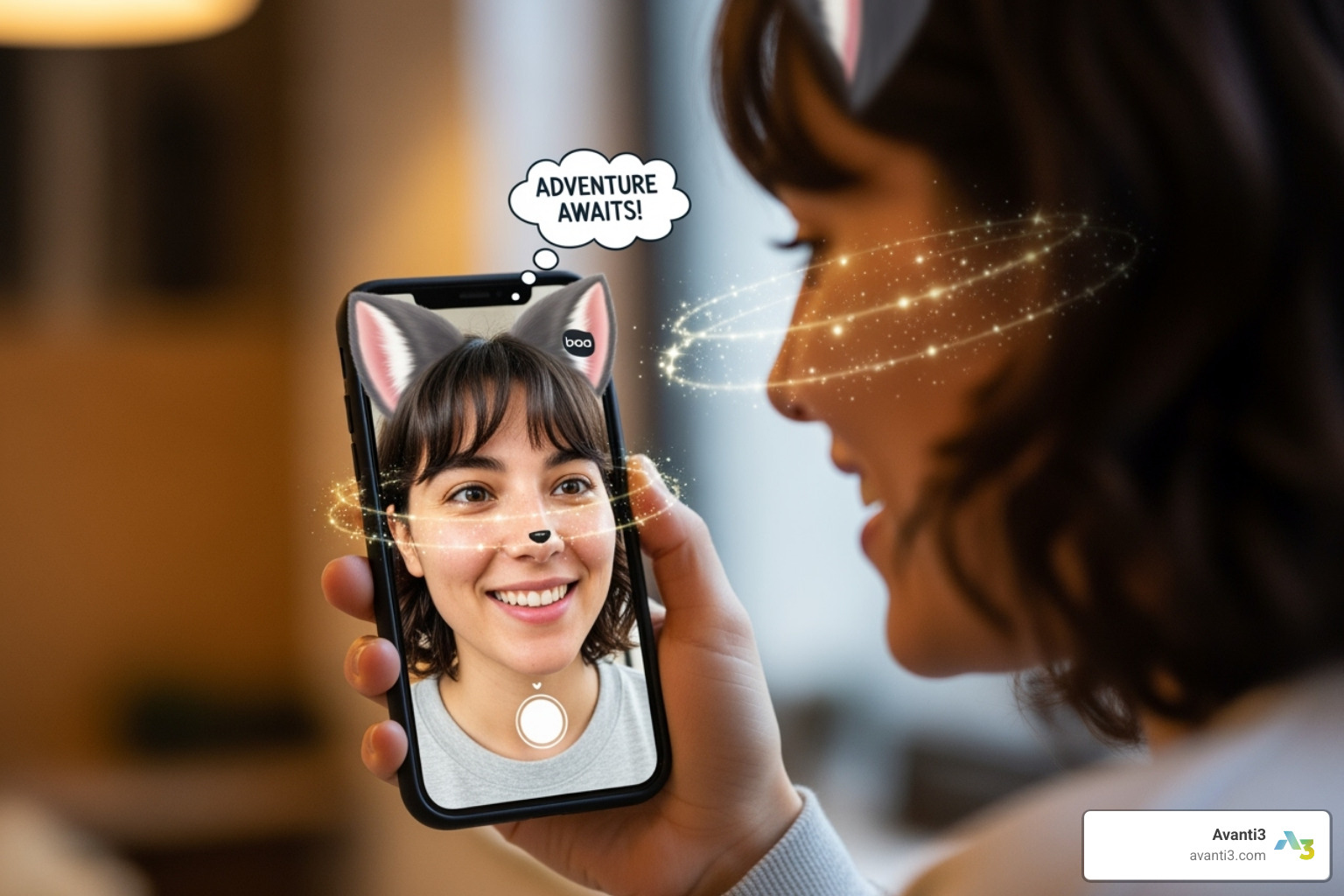
The future of brand experience design is immersive, blurring the lines between physical and digital.
-
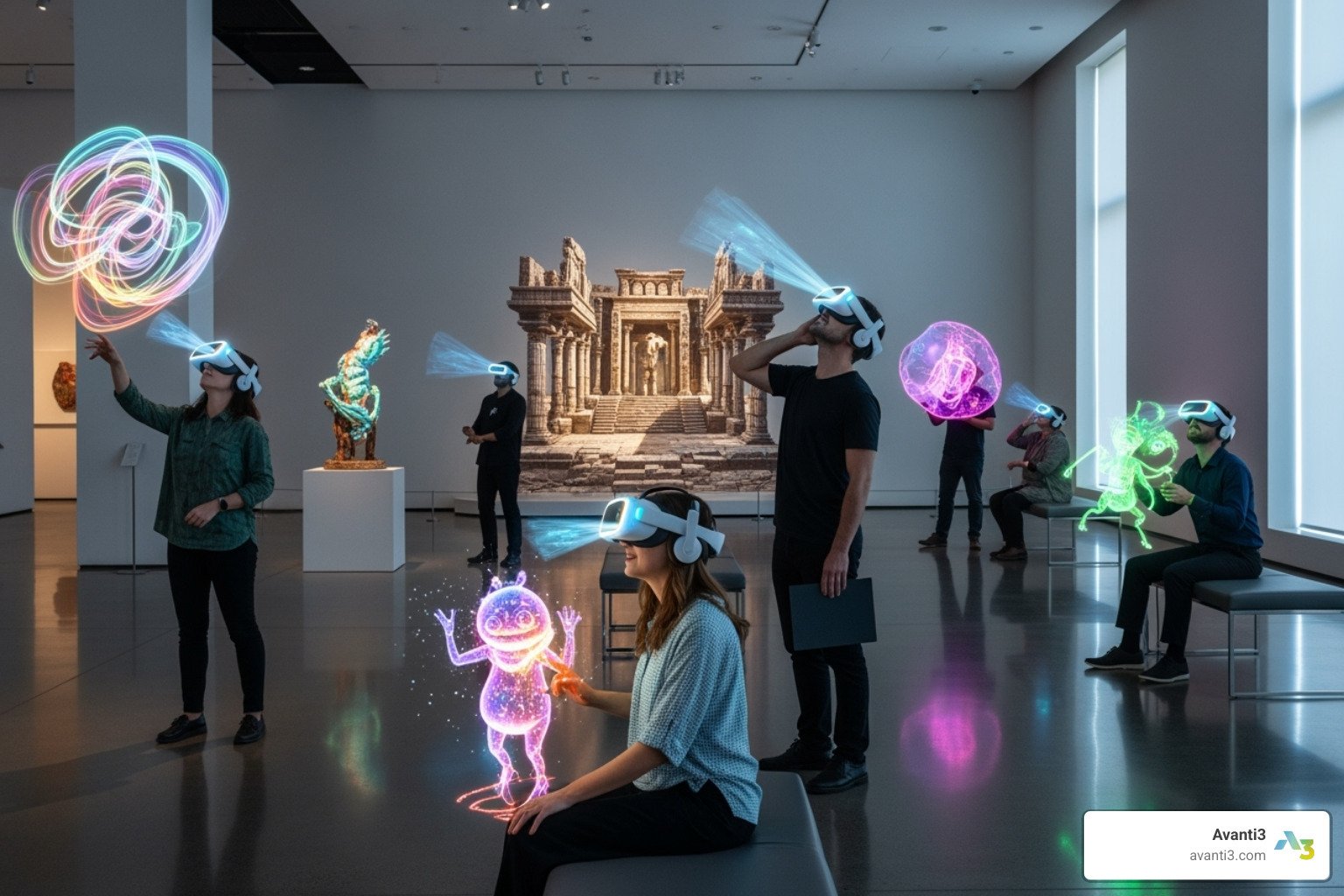
AR and VR: Augmented reality lets customers virtually try products in their own space, while virtual reality creates entirely new worlds for brands to inhabit, fostering deep emotional connections.
-
AI-Powered Hyper-Personalization: Modern AI customer engagement moves beyond basic chatbots to create truly personal interactions. AI learns from customer behavior to adapt content, recommendations, and the entire user journey to individual preferences.
-
Web3 and the Ownership Revolution: Web3 technologies are reshaping brand loyalty. NFTs are evolving from digital art into membership passes and exclusive rewards that customers can own, turning them into stakeholders. This shift enables community-owned experiences, where blockchain technology gives passionate fans a real voice in the brand’s direction.
Building Tomorrow’s Connections
By embracing these emerging technologies, brands can move beyond traditional marketing to build authentic communities and create deeper, more meaningful human connections. The future of brand experience belongs to those who use technology to foster loyalty and turn customers into true advocates.