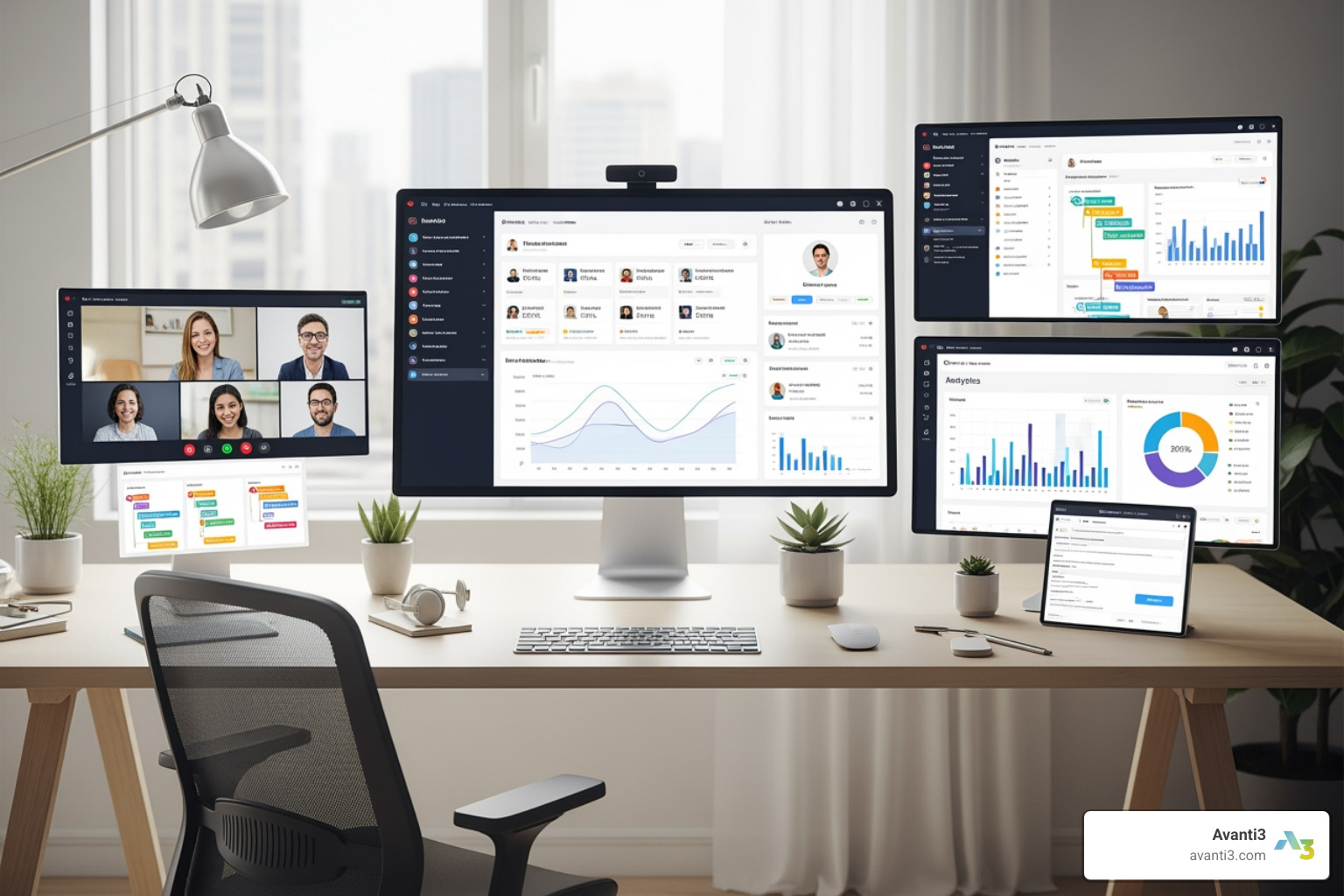


What Are Brand Engagement Tools and Why Do They Matter?
Brand engagement tools are software solutions that help businesses interact with, understand, and retain their customers. By using communication, analytics, and conversion tools, brands can build stronger relationships, increase retention, gain actionable insights, and personalize experiences at scale.
The stakes are high. According to recent data, brands using advanced engagement tools see significant gains, including 21% increases in revenue and 30% increases in transactions. Some have even reduced support tickets by 15% through better engagement strategies.
However, with hundreds of tools available, choosing the right mix can feel overwhelming. The landscape has also shifted dramatically. Today’s engagement ecosystem includes AI-powered personalization, augmented reality experiences, and Web3 community platforms. Traditional tools focus on tracking what customers do, but modern tools help you understand why they do it—and predict what they’ll do next. This shift from reactive to proactive engagement is changing how brands build loyalty.
As a strategist who has spent years helping businesses scale, I’ve seen how the right brand engagement tools can open up sustainable growth for brands willing to innovate. In this guide, I’ll walk you through the complete toolkit you need to create unforgettable brand experiences that turn casual visitors into loyal advocates.
Brand engagement tools basics:
The primary goal of these tools is to build and nurture lasting relationships with customers. This isn’t just about making a sale; it’s about fostering a community, understanding individual needs, and consistently delivering value. This continuous dialogue helps us understand their needs, preferences, and frustrations, allowing us to adapt and improve. This proactive approach not only builds trust but also significantly increases customer satisfaction, which is the bedrock of loyalty and sustainable revenue growth.
A Deep Dive into the Core Types of Brand Engagement Tools

In today’s interconnected world, customer interactions happen across countless touchpoints. To truly engage your audience, you need to meet them where they are and understand their journey. This is where the power of an omnichannel experience, customer journey mapping, and personalized communication comes into play. Different types of brand engagement tools help collect and unify data, which is then used to deliver personalized messages and experiences across all channels. This holistic approach ensures that every customer feels seen, heard, and valued.
Communication and Personalization Tools
These tools are the frontline of your engagement strategy, enabling direct interaction and tailoring experiences to individual customer needs.
-
Live Chat and AI-Powered Chatbots: Imagine a customer browsing your website and getting instant help from a friendly chat window. Live chat tools allow you to provide real-time assistance, answer queries, and guide customers through a purchase. AI-powered chatbots can automate responses to common questions 24/7, significantly reducing the burden on your support team and ensuring customers get answers instantly. This proactive support helps resolve issues before they escalate.
-
Email Marketing: Email remains a cornerstone for nurturing leads and retaining customers. Email marketing platforms allow you to craft targeted campaigns, automate follow-ups, and track engagement. You can segment your audience to ensure that the right message reaches the right person at the right time, making every email feel personal. Advanced platforms offer deep segmentation and automation features for highly personalized campaigns.
-
Social Media Management: Social media is where many conversations happen. Management tools help you manage your presence across platforms, schedule posts, monitor mentions, and engage directly with your audience. You can respond to comments, messages, and reviews, turning social interactions into opportunities for connection. A well-executed social strategy can lead to tangible results, including higher click-through and conversion rates.
-
Personalized Customer Journeys: Beyond individual interactions, you want to guide customers through a tailor-made experience. Certain tools help you plan and test personalized customer journeys with a drag-and-drop editor, ensuring customers receive relevant updates and offers at each stage. This commitment to personalization leads to significant results, with some brands reporting a 21% increase in revenue and a 30% increase in transactions.
For a deeper dive into how AI revolutionizes customer interactions, explore More info about AI Customer Engagement.
Analytics and Feedback Tools
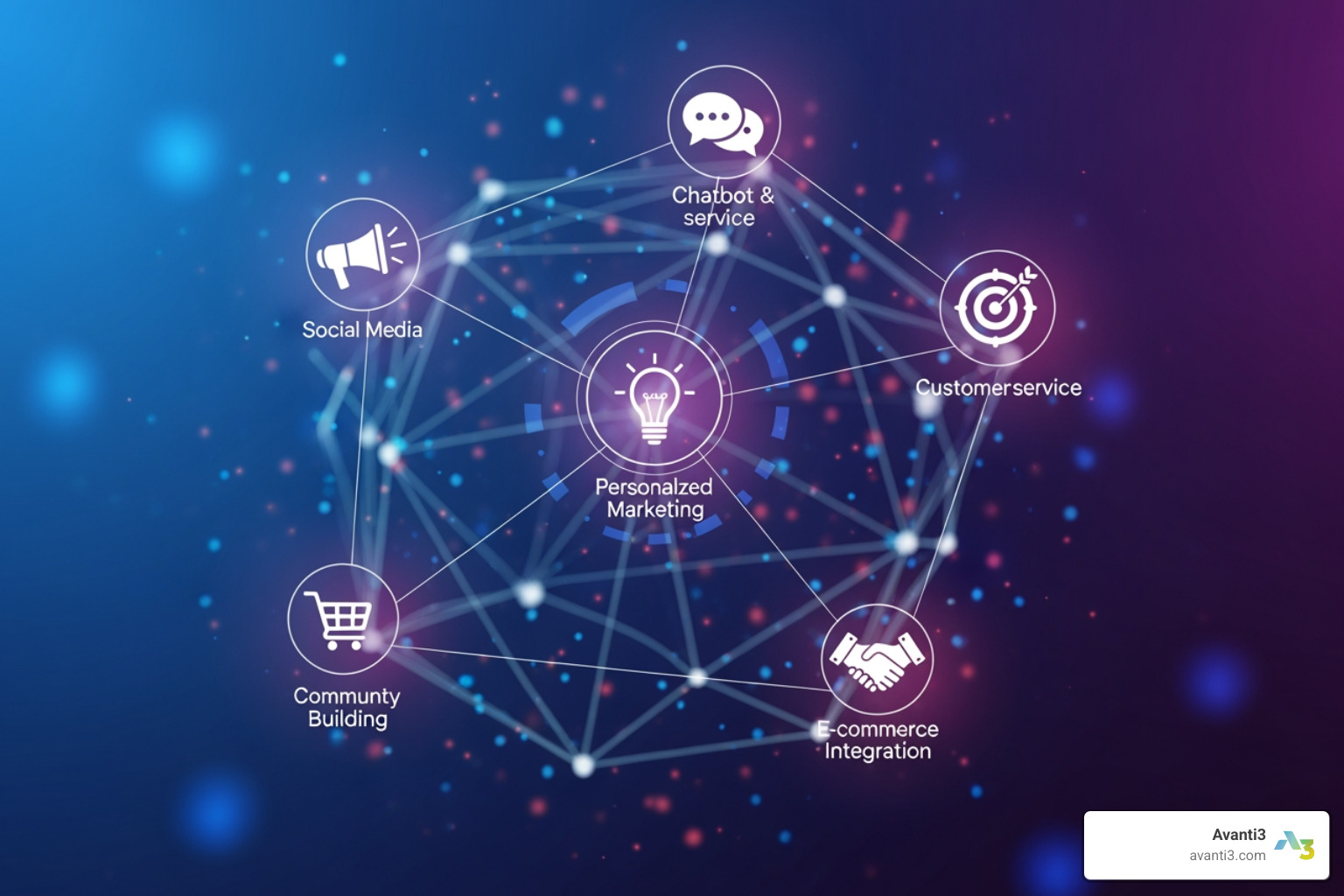
Understanding what your customers think and how they behave is paramount. These tools help you listen, learn, and make data-driven decisions.
-
User Behavior Tracking: Ever wonder what customers do on your website? User behavior tracking tools, including the essential Google Analytics, act as digital detectives. They track sessions, clicks, and conversion paths, revealing patterns in how customers interact with your digital properties. This data is critical for identifying friction points and optimizing for a smoother experience.
-
Sentiment Analysis: It’s not just what customers say, but how they say it. Sentiment analysis, often powered by AI, helps gauge the emotional tone behind feedback and social media mentions. This allows you to quickly identify unhappy customers, address issues, and celebrate positive feedback. If you want to explore the concept further, the overview in What is sentiment analysis? provides additional context and examples of how this technique works in practice.
-
Surveys and Feedback Collection: Sometimes, the best way to know what customers want is to ask them. Survey tools enable you to create and distribute surveys across various touchpoints. You can collect contextual feedback by asking targeted questions based on user actions, such as exit-intent surveys. These tools often include templates for standard metrics like Net Promoter Score (NPS) and Customer Effort Score (CES), providing quantifiable measures of customer satisfaction and loyalty.
By leveraging these analytics and feedback tools, you can move beyond assumptions and base your decisions on solid data. This leads to more effective strategies and a better overall digital experience design for your customers.
On-Site Engagement and Conversion Tools
These tools are designed to capture attention, generate leads, and guide visitors towards desired actions directly on your website or app.
-
Pop-ups and Lead Generation Forms: When used strategically, pop-ups can significantly boost lead generation. Modern tools allow you to create eye-catching pop-ups and forms without coding skills. You can target these based on visitor behavior, location, or exit-intent—engaging visitors just before they leave your site.
-
User Onboarding and Product Tours: First impressions are everything. Interactive product tours, checklists, and in-app messages guide new users through key features, highlight benefits, and ensure they quickly find value. This proactive guidance significantly reduces churn and increases product adoption.
-
Exit-Intent Overlays and A/B Testing: The moment a customer is about to leave your site is a crucial opportunity. Exit-intent overlays allow you to present a last-minute offer or collect feedback. To ensure these strategies are effective, A/B testing tools are indispensable. They allow you to compare different versions of pop-ups or forms to see which performs best, ensuring you’re always optimizing for the highest conversion rates.
By carefully deploying these on-site engagement tools, you can transform passive visitors into active participants, all contributing to an improved digital experience design.
How to Choose the Right Brand Engagement Tools
Selecting the perfect suite of brand engagement tools requires aligning them with your unique business needs. First, clearly define your objectives and budget. Next, look for key features like automation, CRM integration, multi-channel support, and robust analytics. Scalability is key—you want tools that can grow with you.
When considering integration, ask if a tool can seamlessly connect with your existing software. A fragmented tech stack creates more problems than it solves. Data security and compliance are also paramount.
Finally, consider the benefits of integrated platforms versus standalone tools.
| Feature | Integrated Customer Engagement Platforms | Standalone Tools |
|---|---|---|
| Data Unification | Excellent; all customer data in one place | Poor; data often siloed |
| Cost | Higher upfront, but often more cost-effective long-term | Lower individual cost, but can add up |
| Specialization | Broad functionality, good for general needs | Highly specialized for specific tasks |
| Ease of Use | Consistent UI/UX, easier team training | Varies; teams may need to learn multiple interfaces |
| Integration | Built-in, seamless across modules | Requires manual integration or custom development |
| Scalability | Designed to scale with business growth | May require adding more tools as needs grow |
| Workflow | Streamlined, automated workflows | Often disjointed between tools |
Integrated platforms offer significant advantages in data unification and workflow efficiency, enabling a 360-degree customer view. This allows you to deliver personalized journeys more effectively.
Measuring the ROI of your investment is crucial. Track metrics like increased revenue, improved customer retention rates, higher conversion rates, and reduced support costs. The ultimate goal is an increase in Customer Lifetime Value (CLV), demonstrating that your engagement efforts are building lasting, profitable relationships.
The Future is Now: AI, AR, and Web3 in Engagement

The landscape of brand engagement tools is constantly evolving with exciting new technologies.
-
Artificial Intelligence (AI) and Automation: AI is no longer a futuristic concept. It powers everything from intelligent chatbots to predictive analytics that anticipate customer needs. AI-driven sentiment analysis helps understand the emotional context of customer feedback, allowing for more nuanced responses. AI and automation allow you to deliver smarter, faster, and more meaningful engagement at scale.
-
Augmented Reality (AR): Imagine customers trying on clothes virtually or seeing furniture in their living room before buying. That’s the power of AR. We believe Augmented Reality Marketing offers unparalleled opportunities for immersive engagement. From AR/VR immersive experiences to augmented reality concerts, AR creates memorable, interactive moments that deepen brand connection.
-
Web3 Technologies (NFTs, Blockchain, Metaverse): Web3 represents a decentralized internet, offering new ways for brands to build communities and reward loyalty. Our expertise lies in integrating Web3 technologies to empower brands with customizable engagement tools. “On-chain loyalty” programs use gamified missions and rewards that are transparent and verifiable on the blockchain. This allows for truly unique digital experiences and fan monetization, moving beyond traditional loyalty points to digital assets and exclusive access. For more on this cutting-edge approach, check out our NFT Engagement Tools.
These emerging trends represent the next frontier in brand engagement tools. By embracing AI, AR, and Web3, you can create truly unforgettable brand experiences.
Conclusion: Building Your Ultimate Engagement Strategy
We’ve explored brand engagement tools, from foundational communication platforms to the innovations of AI, AR, and Web3. Effective brand engagement isn’t about a single tool; it’s about strategically combining diverse solutions into a cohesive strategy.
By leveraging communication, analytics, and on-site engagement tools, you can interact personally with your audience, gain invaluable insights, and guide customers toward conversion. The future of brand engagement is dynamic. AI and automation are enabling new levels of personalization, while AR and Web3 are creating immersive experiences and decentralized communities.
At Avanti3, we are dedicated to helping brands steer this evolving landscape. We integrate Web3 technologies, AI, and AR to empower you with customizable engagement tools and fintech solutions. Our mission is to set a new standard in digital engagement and fan monetization, turning casual interactions into lasting relationships.
Building your ultimate engagement strategy means being agile, customer-centric, and innovative. By doing so, you can future-proof your brand and ensure it remains relevant and successful for years to come.
Ready to transform your customer interactions? Learn how to build your digital engagement platform and start your journey towards unparalleled brand engagement today.