

Why Digital Fan Experiences Define Modern Engagement Success
Digital experiences for fan engagement have evolved from optional features into essential business drivers. When fans are always connected, the boundary between physical and digital interaction has blurred. Organizations must now provide immersive, real-time value to capture attention.
Key statistics highlight this shift:
- Personalization: 70% of consumers prefer brands that deliver personalized digital experiences.
- Revenue: 68% of fans spend more at venues when the digital experience is high-quality.
- Mobile Usage: Nearly 70% of fans aged 18-34 use social media while watching sports.
- Gamification: Fans in gamified programs are 80% more likely to engage repeatedly.
- Virtual Demand: 70% of Gen Z and Millennial fans want sports-related virtual experiences.
Traditional engagement is no longer enough. With nearly 50% of Gen Z not identifying as traditional sports fans, organizations are competing with TikTok, gaming, and streaming. Success requires creating interactive journeys that make fans feel valued before, during, and after every event. Those who master this see 55% higher ticket sales and build loyalty that survives losing seasons.
This guide explores the technologies and strategies that transform casual audiences into loyal communities.
Key digital experiences for fan engagement vocabulary:
The Core Components of digital experiences for fan engagement
A successful digital fan engagement strategy is a data-driven journey that blends the digital and physical worlds. It requires moving beyond simple broadcasting to building genuine relationships.
Essential pillars include:
- Data Science and Personalization: Understanding fans as individuals to deliver resonant content. Research shows 70% of fans say enhanced digital experiences keep them more engaged.
- Real-time Interactivity: Providing immediate updates and behind-the-scenes access via modern CMS platforms.
- Omnichannel Distribution: Integrating ticketing, merchandise, and streaming into a unified ecosystem.
- Community Building: Creating authentic spaces for fans to connect and share their passion.
- Holistic Journey: Designing experiences for the pre-game, during-game, and post-game phases.
By focusing on these areas, organizations can transform passive spectators into active community members through Digital Fan Engagement.
Leveraging Immersive Technologies
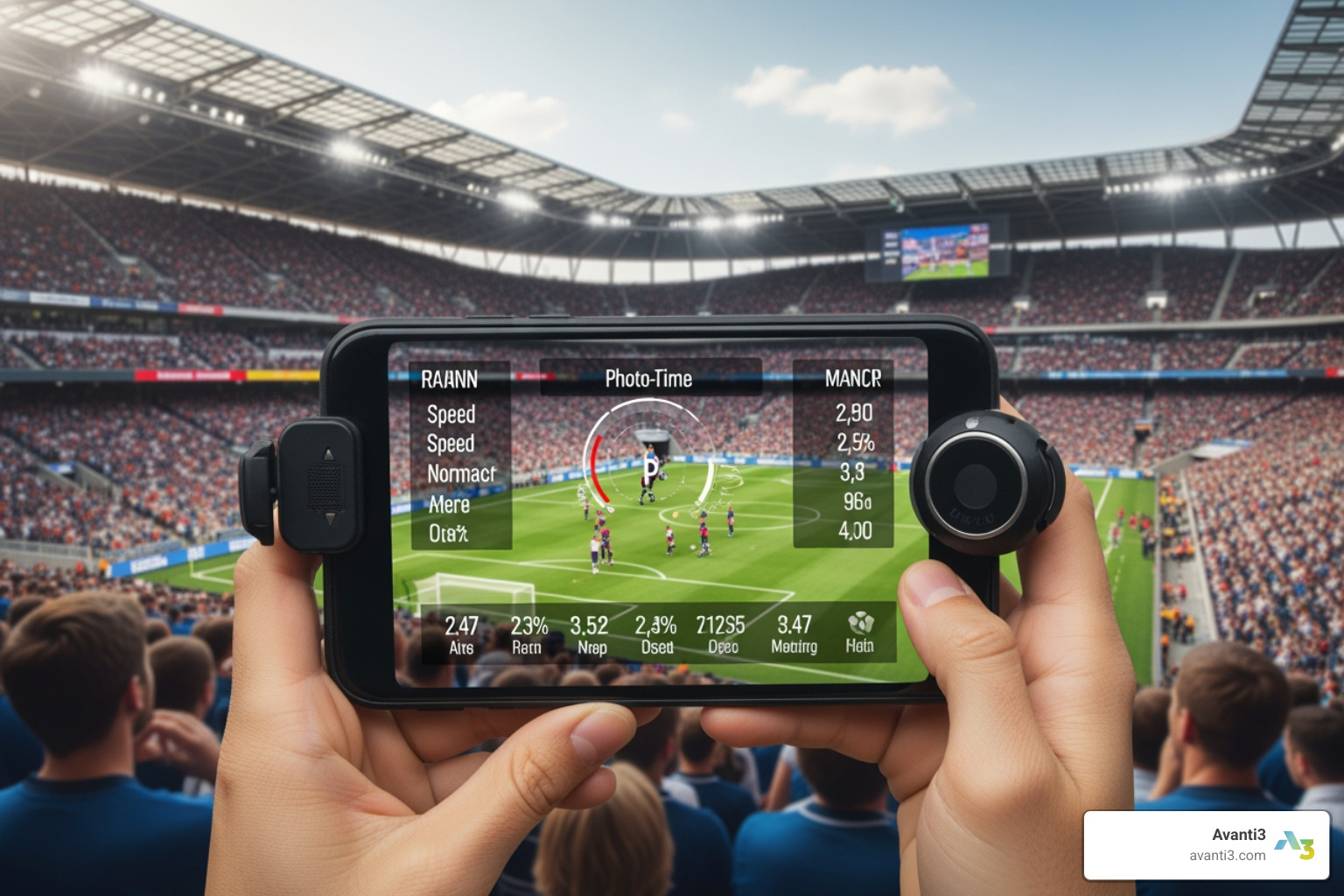
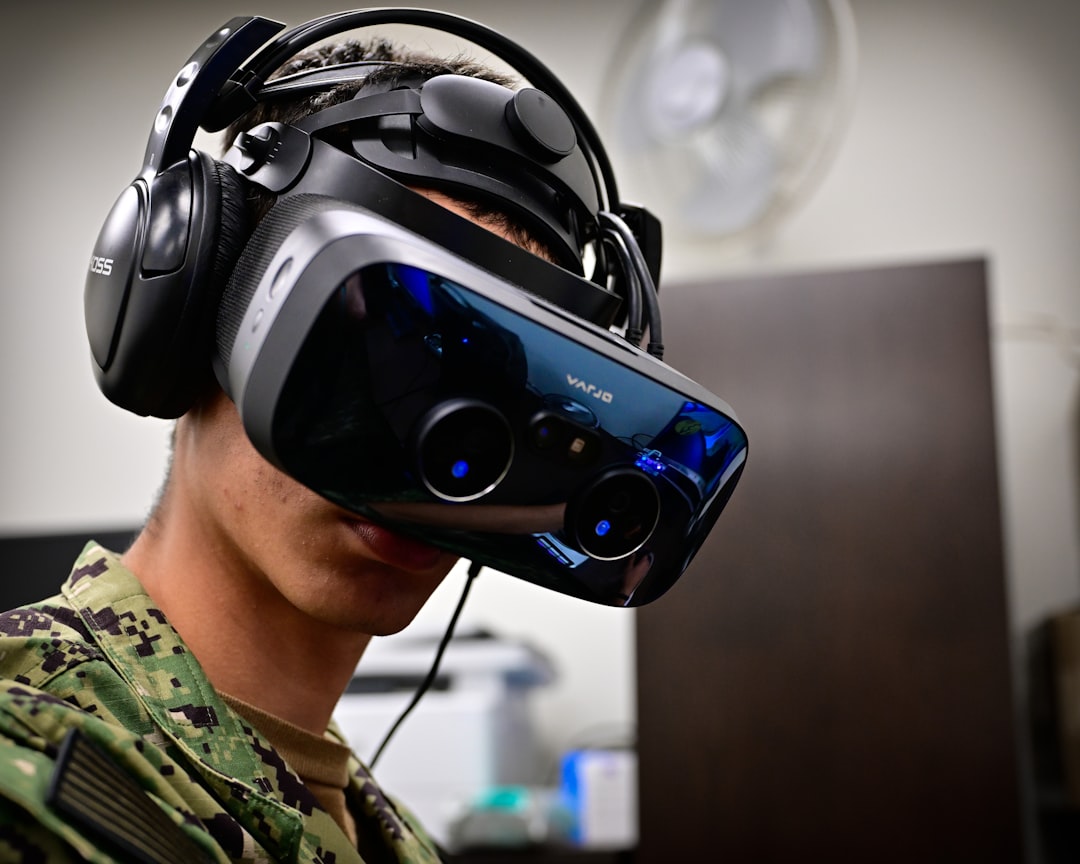
Augmented Reality (AR) and Virtual Reality (VR) are powerful tools for deepening engagement. Nearly 70% of Gen Z and Millennial fans are interested in sports-related virtual experiences.
- AR Overlays: Real-time player stats and tactical breakdowns can be viewed via mobile devices during live action.
- Virtual Stadiums: Digital venues offer global accessibility, allowing fans to “attend” events regardless of location.
- 3D Visualization: Virtual stores and try-ons increase conversion rates by 94% and reduce returns by 66%.
- Immersive Replays: 3D animations and multi-angle views turn traditional broadcasts into compelling stories.
These AR VR Immersive Experiences break down barriers and create new revenue streams.
Personalizing the Fan Journey with AI
Generic content is no longer effective. 62% of fans prefer teams that offer personalized digital experiences. AI and data strategies are the keys to achieving this at scale.
- Data Collection: Centralizing first-party data from tickets, merchandise, and social media into a Fan Data Platform.
- AI Engines: Using machine learning to deliver personalized content feeds, targeted offers, and dynamic app layouts.
- AI Agents: Chatbots provide instant service and personalized interactions based on purchase history.
- Predictive Analytics: Identifying fans at risk of disengaging and intervening with proactive content.
This change, powered by AI Customer Engagement, ensures every fan feels valued.
Mobile Apps and Gamification
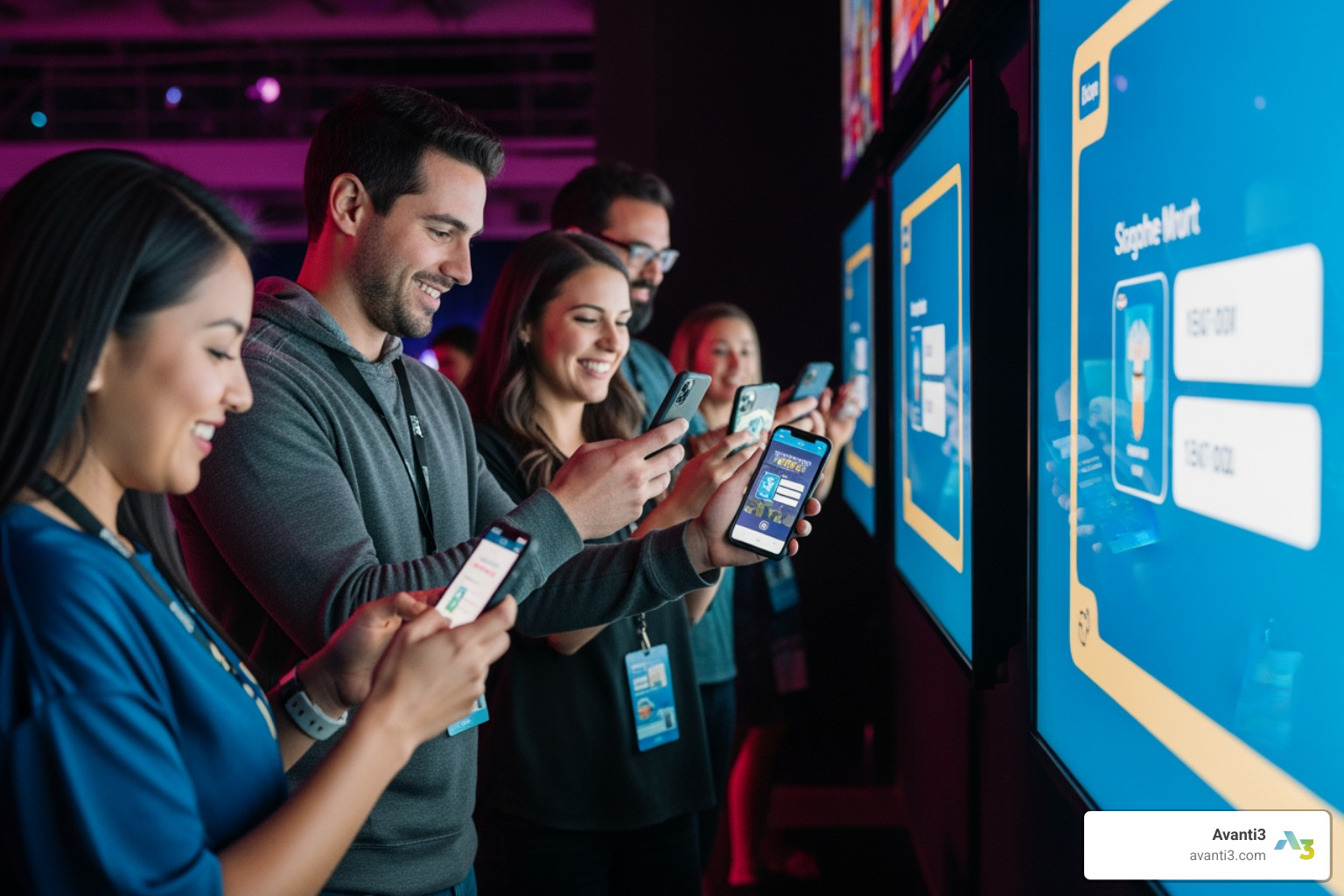
Mobile apps serve as interaction hubs, offering exclusive streaming and in-venue improvements like digital ticketing and real-time stats. Gamification taps into the desire for competition, making fans 80% more likely to engage repeatedly.
| Feature | Traditional Loyalty | Gamified Loyalty |
|---|---|---|
| Mechanics | Points for purchases | Points for engagement, social shares, and trivia |
| Engagement | Transactional | Interactive and social |
| Rewards | Discounts | Digital collectibles and VIP access |
| Data | Purchase history | Behavioral patterns and preferences |
| Impact | Repeat purchases | Deep loyalty and advocacy |
These strategies, integrated into Community Loyalty Programs, transform consumption into active participation.
Overcoming Challenges and Measuring ROI in the Digital Era

Implementing digital experiences for fan engagement involves challenges like competition for attention and data integration. However, the ROI is significant:
- Revenue: Digitally engaged fans are 55% more likely to buy tickets and spend 68% more at venues.
- Retail: Virtual try-ons boost conversion rates up to 94%.
- Loyalty: Gamified programs maintain connection during the off-season.
- Inclusivity: Digital platforms help organizations accommodate people with disabilities and reach global audiences.
To measure success for Digital Engagement Solutions, we track app usage, conversion rates, and sentiment analysis.
Streaming and Social Media
Social media is the heartbeat of real-time interaction. 70% of young fans use social platforms while watching sports. This allows for live Q&As, fan-generated content, and virtual community building.
Direct-to-fan streaming complements this by offering:
- Personalized Feeds: Alternate camera angles and player-specific highlights.
- Social Watch Parties: Virtual communal viewing experiences.
- AI Content Creation: Automated highlights for rapid social distribution.
These Digital Engagement Platforms ensure fans are active participants rather than just viewers.
Future Trends: Web3 and NFTs
Web3 technologies are opening up a new era of digital ownership. Avanti3 is at the forefront, using blockchain and AI to empower brands.
- NFT Collectibles: Verifiable digital assets that grant exclusive real-world perks.
- Blockchain Loyalty: Transparent systems where tokens allow fans to vote on team decisions.
- Token-Gated Communities: Exclusive clubs for super-fans to interact with players.
Our NFT Engagement Tools and Web3 Creator Platforms help organizations steer this decentralized frontier.
Strategic Implementation
Building long-term loyalty requires a fan-first strategy and continuous innovation. Organizations must adopt a unified digital strategy that integrates live action, commerce, and data into one ecosystem. This involves building a digitally fluent workforce and exploring interactive monetization models.
By focusing on Digital Experience Design, brands can turn casual audiences into thriving communities. For More info about digital fan engagement services, we are ready to help you chart this course.
Conclusion
The era of passive spectatorship has ended. Today’s fans demand immersive digital experiences for fan engagement that offer personalization and community. From AR overlays and AI-driven content to the ownership opportunities provided by Web3 and NFTs, technology is redefining fandom.
Organizations that accept these shifts will open up new revenue streams and secure the future of their fan base. The future of engagement is digital, dynamic, and deeply personal. Ready to transform your strategy and create unforgettable experiences?