




Stepping into the Next Dimension of Digital Engagement
A virtual experiences platform transforms how we connect, learn, and do business online by moving beyond traditional video calls into immersive 3D environments where users can interact naturally. Unlike webinars that limit you to a screen, these platforms create digital spaces where attendees can walk around, network, and engage with content in three dimensions.
Key Features:
- 3D environments with spatial audio and movement
- Avatar customization and AI chatbot integration
- Cross-platform access (Web, Mobile, VR/AR)
- Interactive elements like polls, Q&A, and gamification
- Analytics dashboards for engagement tracking
I’m Samir ElKamouny AV, and I’ve helped countless creators and brands use emerging technologies to build deeper audience connections. Through my work with virtual experiences platforms, I’ve seen how these tools can transform digital engagement into meaningful, profitable experiences that keep communities coming back.
What is a Virtual Experience Platform?
At its heart, a virtual experiences platform is a digital environment designed for highly interactive and immersive online gatherings. It moves far beyond the one-way communication of a webinar or a basic video conference. Think of it less like a video call and more like a digital world where participants can truly “be” together.
How does it differ from a webinar? While a webinar typically involves presenters broadcasting to a passive audience, a virtual experiences platform offers a rich, multi-dimensional space. It’s about enabling agency—attendees aren’t just watching; they’re actively participating, exploring, and connecting. They can move freely through 3D environments, engage with interactive objects, and have spontaneous conversations, much like in the real world. This is why some platforms report engagement rates over three times higher than traditional tools.
This leap in functionality is largely thanks to spatial computing. This technology allows us to interact with virtual objects and environments in a way that mimics physical reality, bridging the gap between the digital and the physical. Whether exploring a virtual art gallery or attending a digital conference, the goal is to provide a sense of presence that traditional tools can’t match. For a deeper dive, explore our insights on AR/VR Immersive Experiences.
Core Features and Capabilities
What defines a leading virtual experiences platform are its robust features, designed to foster deep engagement. One foundational element is the ability to integrate rich visual content. Platforms often support 360 videos and panoramas, allowing users to take virtual tours and explore environments from every angle.
Beyond static views, leading platforms incorporate a wealth of interactive elements. This includes live polls, Q&A sessions, and direct messaging, as well as advanced features like gamification that reward participation. Imagine a virtual scavenger hunt within a digital conference or earning points for engaging with sponsor booths.
Customization and branding are paramount. A top-tier platform allows for extensive personalization, letting organizations design virtual spaces that reflect their brand identity, from the layout of a venue to the look of interactive elements. Some grant users complete design control, even allowing access to front-end code for maximum customizability, while others excel at creating realistic 3D venue designs.
Finally, analytics are crucial for understanding impact. Leading platforms provide comprehensive dashboards that track user engagement, dwell times, popular content, and lead capture. This data empowers us to refine our strategies and truly understand the return on our investment. All these features contribute to a superior Digital Experience Design, ensuring every interaction is impactful.
Leveraging a Virtual Experiences Platform for Growth and Engagement
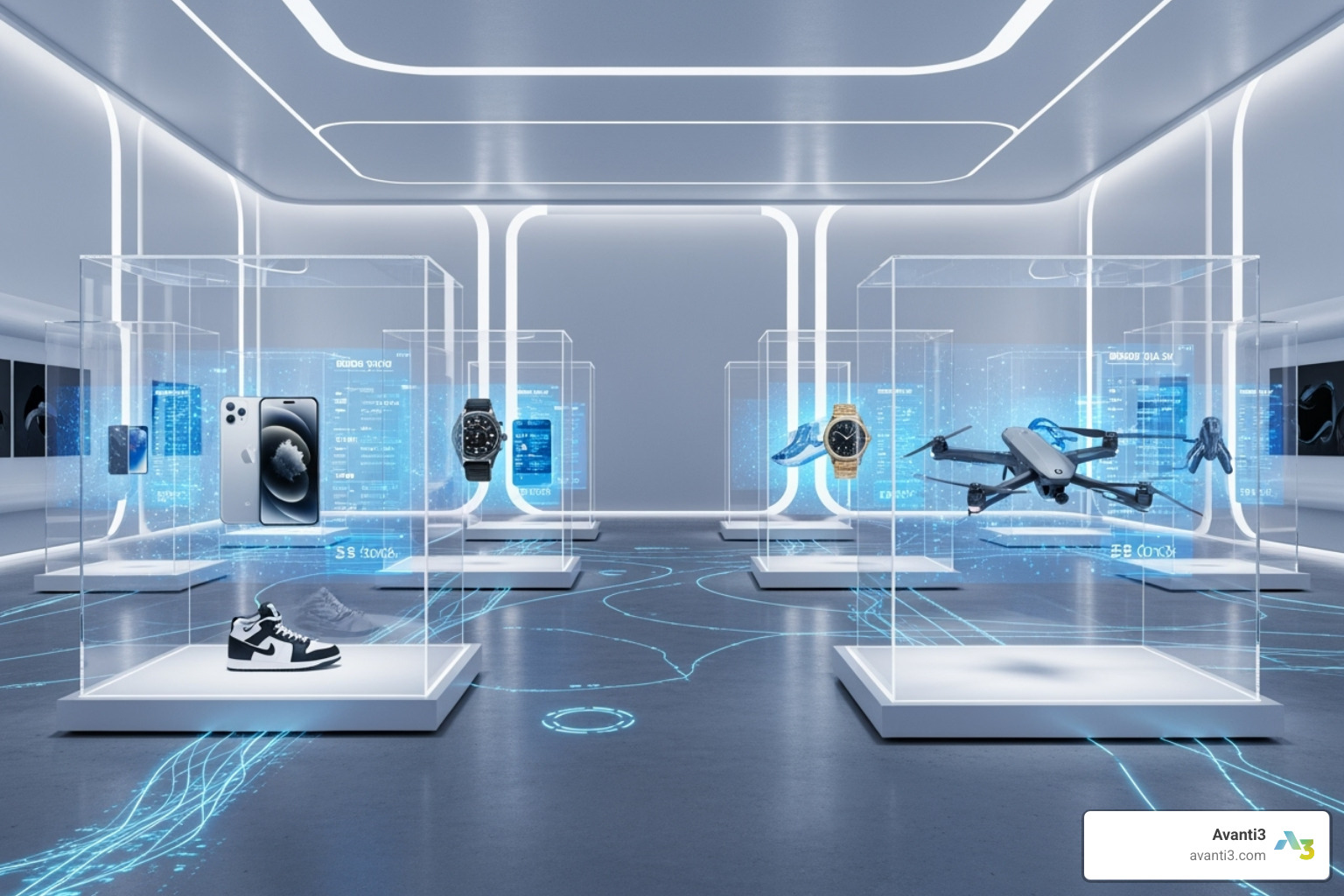
A virtual experiences platform is more than a tech tool—it’s a storytelling revolution. It transforms how organizations connect with audiences, moving from flat presentations to living, breathing digital worlds. Instead of a static website, imagine inviting users into a 3D space that embodies your brand. Here, they can interact with products and chat with AI ambassadors, creating emotional connections that traditional media can’t match.
The applications extend beyond marketing. Corporate training becomes an adventure where employees practice complex procedures in risk-free virtual environments. New hires can tour a virtual headquarters, and team building transforms into collaborative challenges in custom digital spaces. These platforms drive measurable results: higher engagement, better information retention, and stronger emotional connections, all leading to a healthier bottom line.
Strategic Applications: From Corporate Training to Commerce
The versatility of virtual experiences platforms is creating opportunities across industries. Here are some key applications:
- Virtual showrooms are revolutionizing retail. Brands can launch collections in 3D environments where customers examine products up close and make purchases, turning shopping into an adventure. This approach to Augmented Reality Marketing is highly effective.
- Corporate training has evolved beyond presentations. Employees now use realistic simulations, virtual labs, and gamified learning modules that make complex topics engaging and improve safety.
- Educational institutions are opening their doors globally with virtual campus tours. Prospective students can explore dorms, attend virtual lectures, and chat with current students from anywhere.
- Trade shows and conferences have found new life in digital spaces. Attendees can steer virtual exhibition halls, network naturally, and attend multiple sessions with ease.
- The cultural sector has accepted these platforms. Virtual Art Experiences showcase everything from paintings to digital installations, making world-class art accessible to a global audience.
- Brand activations in virtual spaces create unforgettable marketing moments. Companies design interactive campaigns where fans participate and create memories, strengthening brand loyalty.
The Technology Powering Immersion: AI, Spatial Computing, and XR
The technology behind modern virtual experiences platforms combines AI and spatial computing to create digital worlds that respond intelligently to human behavior. Spatial computing allows software to understand 3D space, making navigation feel intuitive. The system adjusts audio based on your location and responds to movements in real-time, creating a genuine sense of presence.
AI agents bring these spaces to life. They facilitate training simulations, provide personalized guidance, and engage in natural conversations. The technology behind these AI Tools for Creators is advancing rapidly, making virtual interactions increasingly human-like.
Cross-platform accessibility ensures these experiences reach everyone, whether on a smartphone, desktop, or VR headset. This democratic approach allows a global audience to share the same experience. For creators, platforms offer both no-code tools for quick prototyping and advanced developer frameworks for complex customization. The Virtual Reality Experiences possible today are more sophisticated than ever.
Spatial audio adds another layer of realism, making sounds appear to come from specific directions. This contributes to the immersive quality that makes virtual experiences memorable.
Personalization and Community: Avatars, Chatbots, and User Content
What transforms a platform into a community is personal connection. This grows through personalized avatars, intelligent chatbots, and user-generated content.
Avatar customization serves as our digital identity, allowing users to express themselves. When someone crafts their avatar, they invest emotionally in the virtual space, increasing engagement.
AI chatbots act as intelligent guides and support agents. They understand multiple languages, remember preferences, and provide contextual help, making virtual environments more welcoming.
User-generated content is where the magic happens. When platforms empower users to create their own spaces and experiences, the community becomes self-sustaining. This community-driven approach opens opportunities for monetization and deeper fan engagement. At Avanti3, we integrate Web3 technologies to create new value exchange models within virtual spaces.
These platforms enable NFT Digital Art Sales, where digital ownership becomes meaningful. This creates new economies within virtual worlds, where creativity and community intersect with financial opportunity. The focus on Digital Community Building ensures these aren’t just temporary experiences but lasting relationships that drive long-term success.
Measuring Impact and Future-Proofing Your Strategy

Adopting a virtual experiences platform is a significant decision. Like any investment, you’ll want clear ways to measure success and a strategy that keeps you ahead of the curve. With the right approach, these platforms can deliver remarkable results that go far beyond traditional digital engagement.
The key is knowing what to look for and how to plan for tomorrow’s opportunities. Understanding the landscape will help you make choices that pay off both now and in the future.
Choosing the Right Platform for Your Needs
You’ll often hear “virtual event platforms” and “virtual experiences platforms” used interchangeably, but there’s a meaningful difference. A virtual event platform typically focuses on structured, time-bound gatherings like conferences or webinars. These are fantastic for replicating traditional events in a digital space, with some capable of handling massive audiences and making it simple to move existing events online.
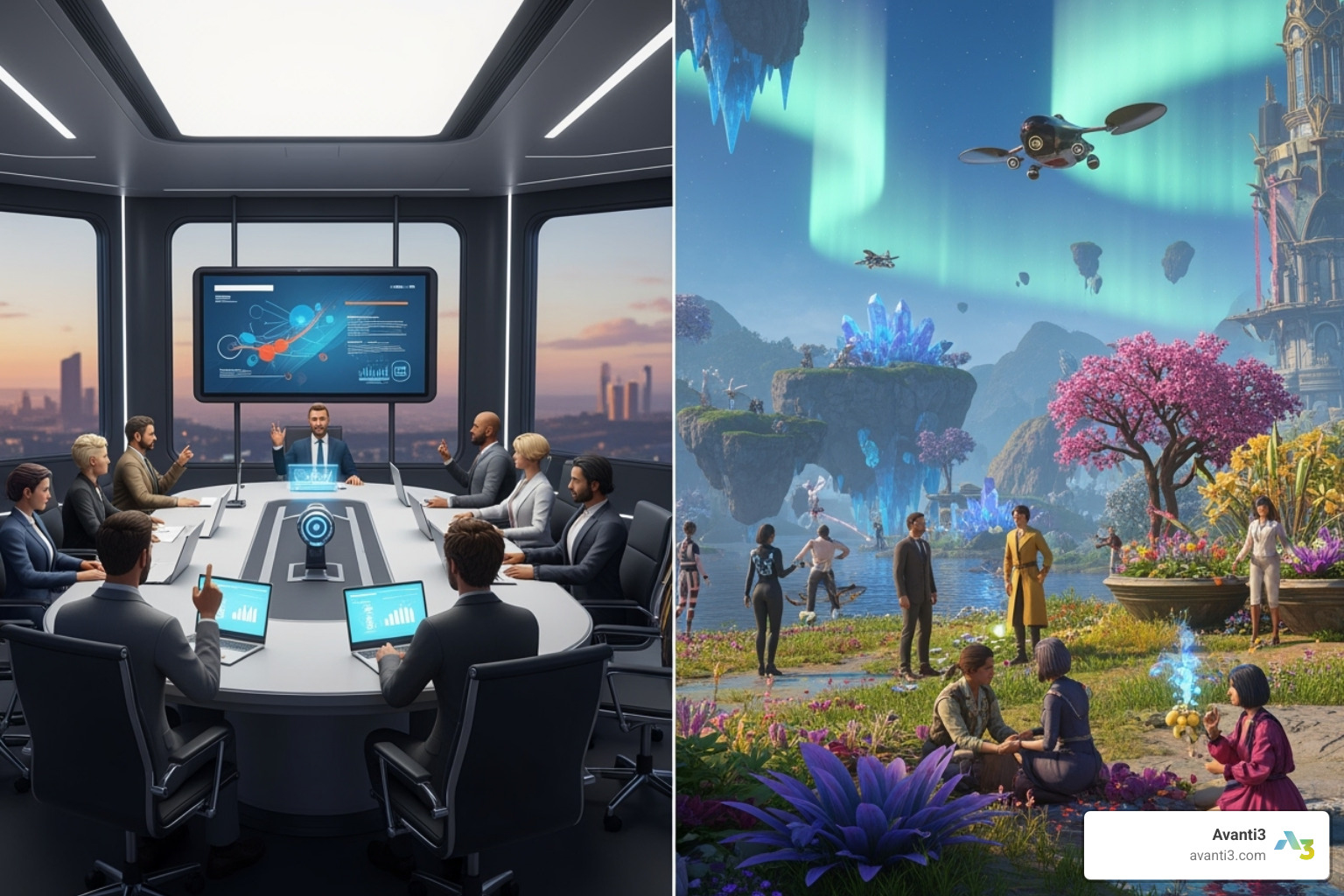
A virtual experiences platform, however, is built for something deeper. It’s about creating persistent digital worlds where ongoing interaction and exploration happen naturally. Instead of a single event, you’re building a vibrant digital community where people want to spend time and return often.
When evaluating platforms, several factors are critical. Scalability is crucial—can the platform grow with you? Integration capabilities matter, too. The best platforms work with your existing CRM and marketing tools, making data management seamless. Don’t underestimate support and professional production services. Some providers assign dedicated success managers who guide you through strategy, design, and analytics. This hands-on support can transform a good experience into an unforgettable one.
Cost structures vary widely. Some charge per event, while others offer monthly subscriptions with different feature tiers, from free plans to custom enterprise solutions. The trick is matching the platform’s pricing model to your usage and growth plans.
Defining Success: ROI, Analytics, and Future Trends
Success in virtual experiences goes beyond counting attendees. The real magic is in the data that shows genuine engagement and business impact.
Engagement analytics tell the most compelling story. How long are people staying? What are they clicking on? The numbers can be impressive, with some platforms reporting engagement rates 2x to 4x higher than traditional websites or video tools. They can track millions of unique sessions and engagement hours, showing just how deeply users can get immersed.
For businesses, lead capture and conversion tracking are where virtual experiences prove their worth. The question is whether virtual interactions turn into real business outcomes. Are attendees becoming customers? Are team members retaining training better?
Here’s something often overlooked: cost savings. Virtual platforms can dramatically reduce expenses. Some businesses report 40-60% savings on training, events, and customer support. When you factor in travel, venue rentals, and logistics, the ROI becomes very compelling.
Looking ahead, the future is thrilling. AI integration is creating personalized experiences that adapt to users in real time. Advanced spatial computing and XR are making virtual worlds more realistic as hardware becomes more accessible.
The most exciting development may be Web3 integration. Blockchain, NFTs, and decentralized finance are creating new possibilities for digital ownership and monetization. At Avanti3, we’re pioneering this frontier with blockchain art authentication and helping brands harness the power of Web3 for their brand with NFT engagement tools. This is about creating new ways for creators and fans to connect and share value.
The landscape of digital engagement is shifting fast. By choosing the right platform and measuring what matters, you can create connections that are genuinely meaningful and profitable.


