What is AR Content Creation and Why Does It Matter?
AR content creation is the process of designing digital experiences that blend virtual elements with the real world. Using devices like smartphones and tablets, this technology transforms static content into interactive experiences that users can explore, manipulate, and share.
Quick Answer for AR Content Creation:
- Types: Marker-based (QR codes, images), markerless (surface tracking), face filters, 3D models
- Tools: No-code platforms (Spark AR, WebAR) or SDKs (ARKit, ARCore, Unity)
- Content: Videos, 3D objects, animations, interactive galleries, product visualizations
- Platforms: WebAR (browser-based) or native apps for iOS/Android
- Cost: Free options available, with paid tools scaling up in price.
The numbers tell a compelling story. With more than 6.5 billion smartphone users worldwide, AR content can reach a massive global audience without requiring specialized hardware. This accessibility has transformed AR from a novelty into a powerful tool for education, marketing, and entertainment.
What makes AR content creation particularly exciting is its versatility. You can repurpose existing materials—turning presentations into interactive galleries, converting videos into immersive experiences, or changing product images into 3D visualizations that customers can place in their own spaces.
Augmented Reality (AR) isn’t just a futuristic concept; it’s here and rapidly changing how we interact with the digital world. The power of AR lies in its ability to seamlessly overlay digital information onto our physical environment, enriching our perception and enhancing our experiences. For businesses, AR offers unprecedented opportunities to boost customer engagement and sales, from virtual try-ons to interactive product demos. Education benefits immensely, turning abstract concepts into tangible, interactive lessons.
The proliferation of smartphones is a key driver. By creating AR content, we’re meeting users where they already spend a significant portion of their time, enhancing their daily digital lives.
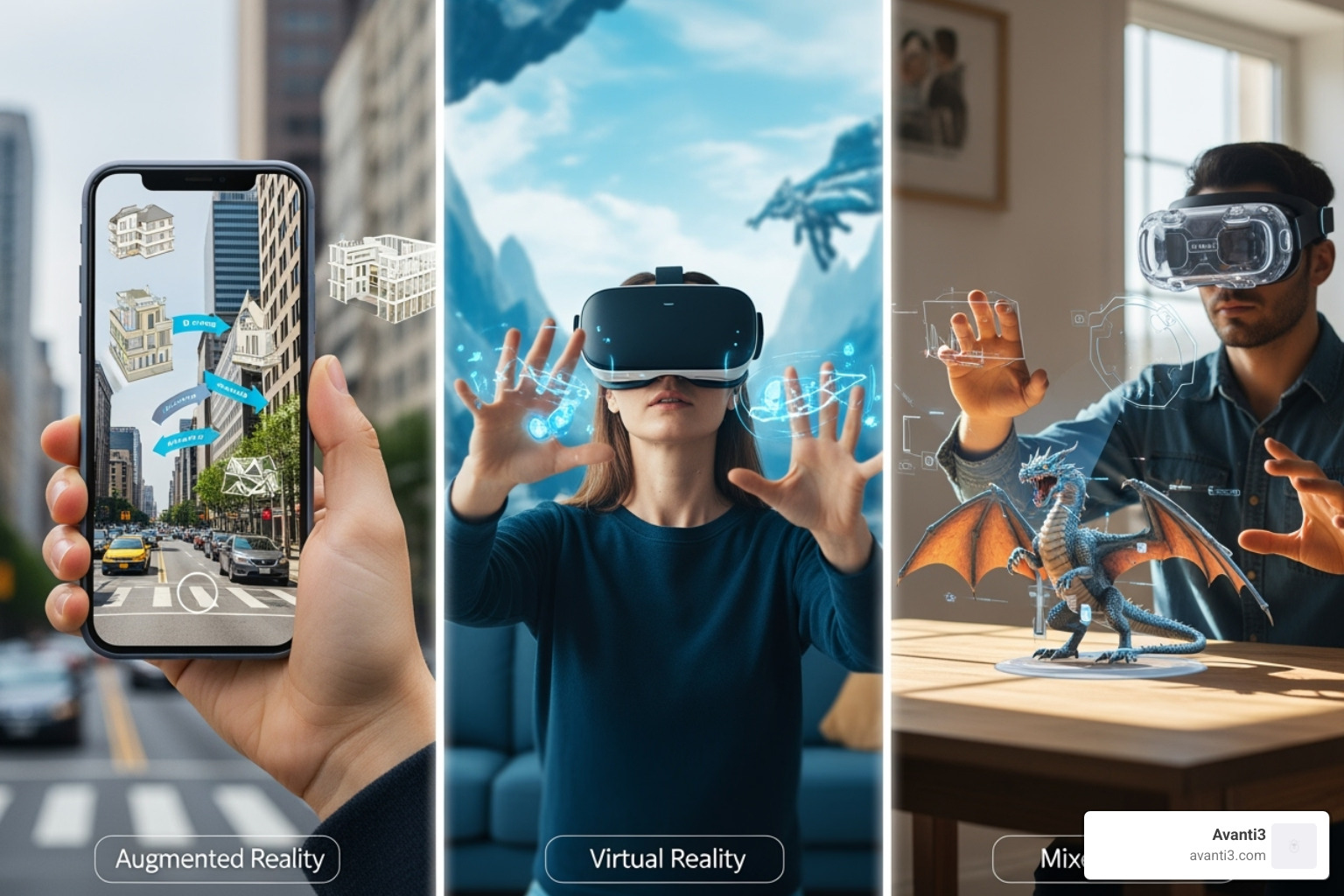
Here’s a quick look at how AR fits into the broader immersive technology landscape:
The Creator’s Toolkit: Mastering AR Content Creation
This section will guide you through the essential knowledge and tools needed to start your journey in AR content creation, from understanding the different types of experiences to choosing the right platform for your skill level and goals.
Understanding the Landscape: Types of AR Content and Experiences
Before diving into the tools, let’s explore the different types of AR experiences. The foundation you choose determines the final result.
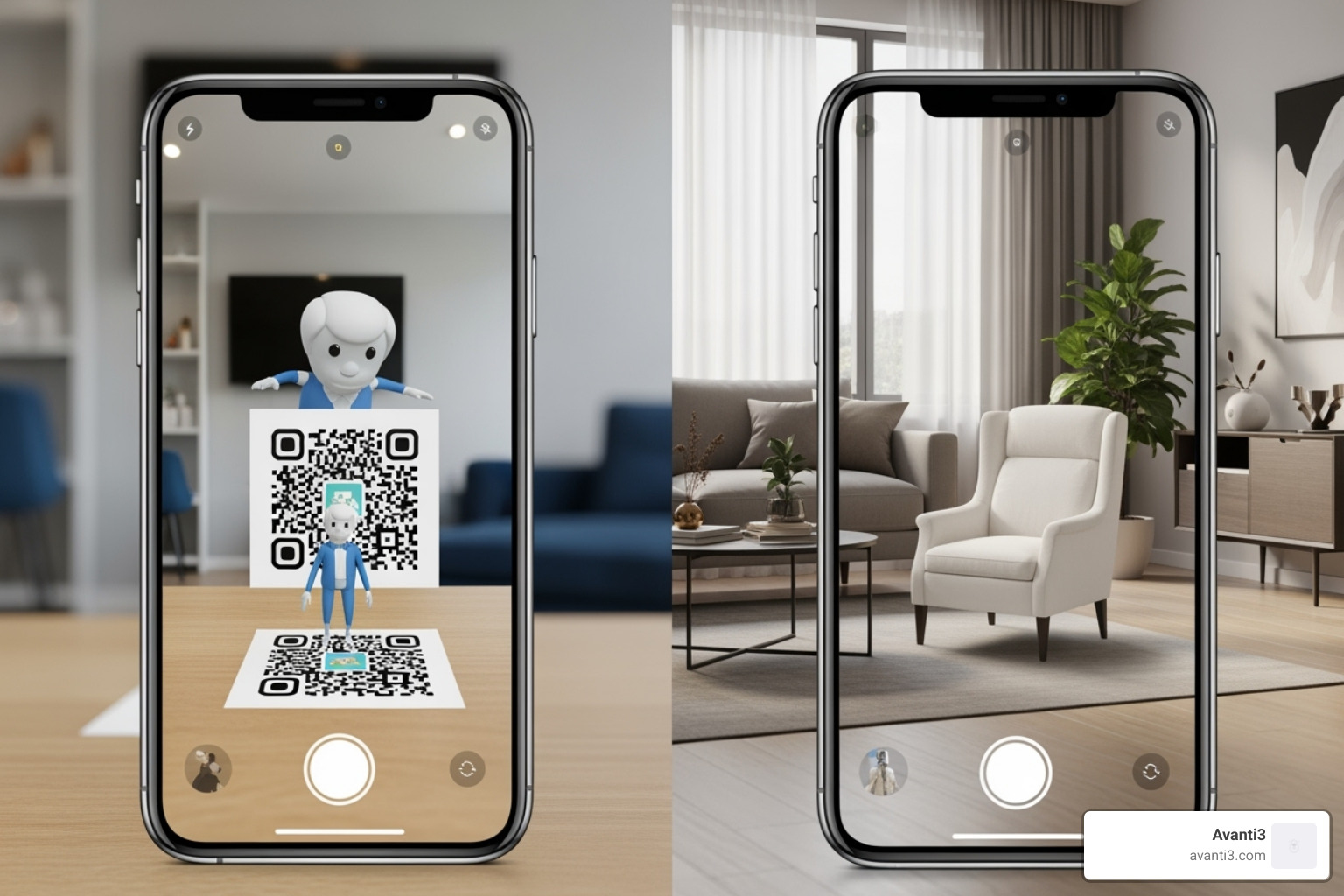
- Marker-based AR: Digital content is triggered by a specific image, QR code, or pattern. It’s a simple way to start, perfect for making business cards or posters interactive.
- Markerless AR: This technology uses SLAM (Simultaneous Localization and Mapping) to understand surroundings without a trigger. It allows users to place virtual objects, like furniture, onto real-world surfaces like floors and walls.
- Geolocation-based AR: Digital content is anchored to specific real-world locations, ideal for virtual tours or location-based games.
- Face tracking AR: Popular on social media, these filters add virtual makeup, accessories, or character effects to a user’s face in real-time.
The content itself is also diverse. You can use 3D models to place objects in the real world, AR video to make flat surfaces play moving images, or interactive galleries to turn slideshows into explorable elements. A newer form, volumetric video, captures people and objects in full 3D, viewable from any angle, creating a hologram-like effect that can be created with just a smartphone.
For a deeper dive into these immersive possibilities, check out our AR/VR Immersive Experiences page.
No-Code vs. Code: Your Path to AR Content Creation
The great news about modern AR content creation is that you don’t need to be a coding expert. The landscape has opened up, allowing marketers, educators, and artists to bring their visions to life.
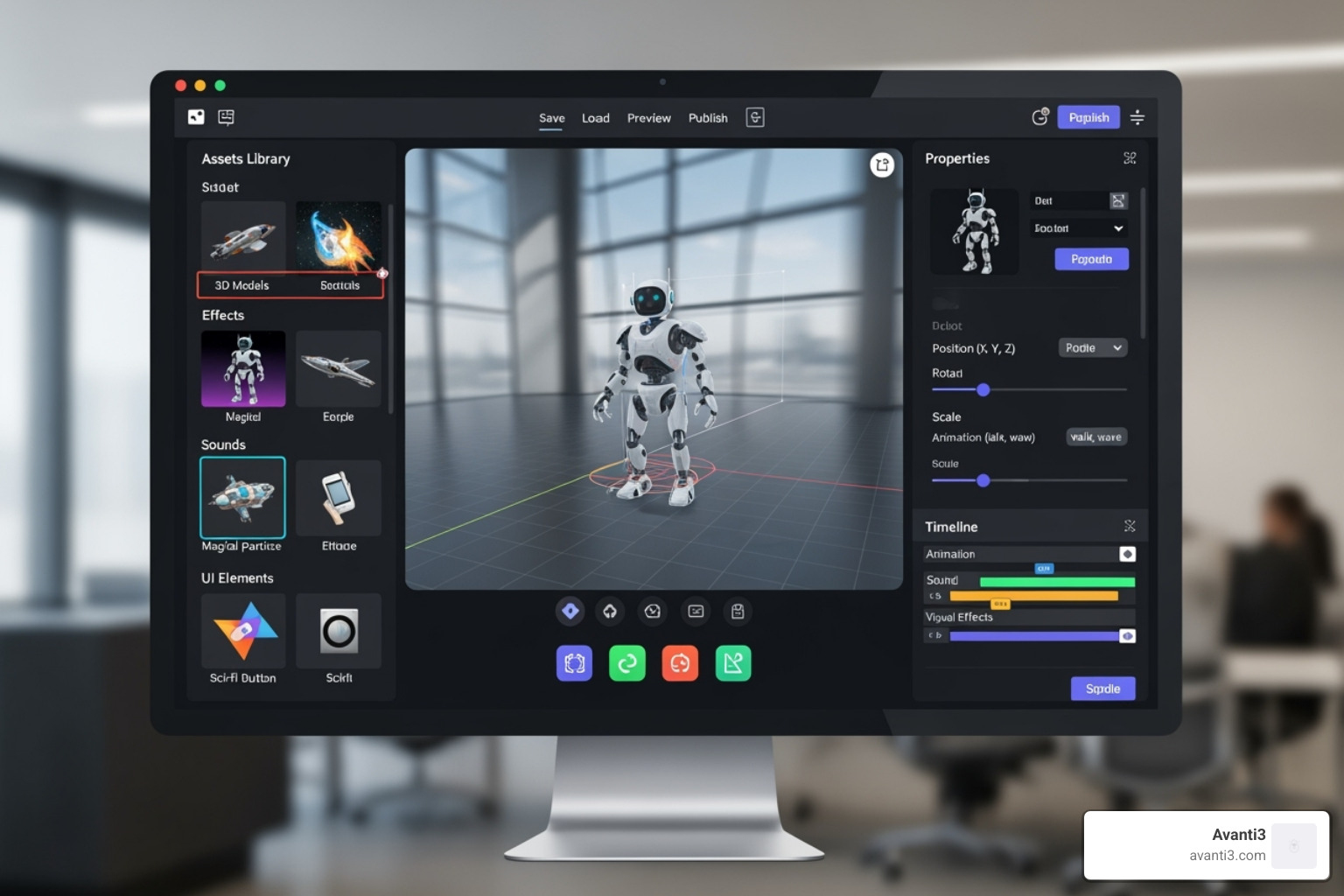
No-code platforms offer intuitive drag-and-drop interfaces, making AR creation accessible to everyone. These tools allow you to build professional experiences by simply pointing, clicking, and arranging digital assets. Many platforms offer free starter plans for testing ideas, with paid subscriptions available for more advanced features and commercial use.
A crucial choice is between WebAR and app-based experiences. WebAR works directly in a web browser without any downloads, offering a frictionless way to reach the widest audience. App-based AR requires a download but can deliver more sophisticated experiences by accessing advanced device features.
For those who want to code, SDKs (Software Development Kits) like ARKit (for Apple) and ARCore (for Android) provide foundational tools for building custom AR apps. Game development engines like Unity offer comprehensive frameworks for creating complex, interactive experiences. For creating the 3D assets themselves, the free, open-source tool Blender is an excellent, though complex, option.
If you’re exploring how AI can improve your digital marketing efforts, including AR, our AI Digital Marketing services can help you steer these possibilities.
Designing for Immersion: Best Practices for Engaging AR
Creating compelling AR is about crafting experiences that feel magical and useful, not gimmicky. This comes down to thoughtful design.
Here are some best practices for engaging AR:
- Understand User Context: Design for the user’s environment. An experience for a quiet home can be more complex than one for a busy public space.
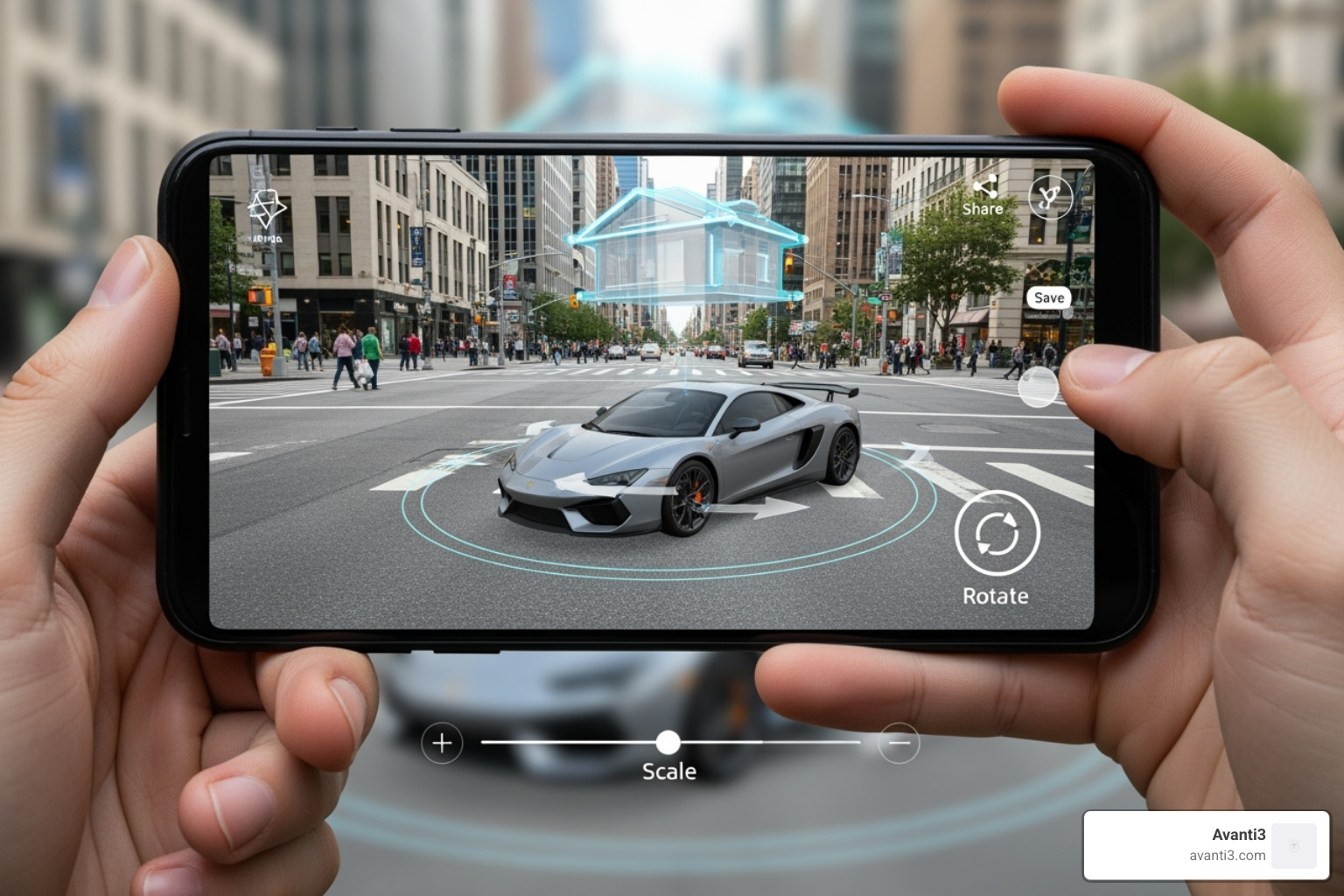
- Prioritize Environmental Awareness: Make virtual objects feel real. They should cast realistic shadows, respond to lighting, and sit properly on surfaces.
- Design Intuitive Interactions: Use familiar gestures like tapping, pinching, and dragging. Guide users with subtle visual cues instead of long instructions.
- Optimize for Performance: Keep 3D models and textures lightweight to ensure a smooth, responsive experience on all devices. Lag can ruin an otherwise great experience.
- Include Clear Calls to Action: Guide users on what to do next, whether it’s “Learn More,” “Try It On,” or “Share with Friends.”
You don’t always need to start from scratch. Repurposing existing content is a smart way to begin. Turn presentations into interactive AR galleries or use standard MP4 videos to play over markers. For 3D assets, platforms like Sketchfab offer vast libraries of models, so you don’t need to be a 3D artist to find professional content. Finally, always test across multiple devices before publishing.
For deeper insights into creating compelling digital experiences, explore our Digital Experience Design services.
Real-World Impact: AR for Business, Education, and Marketing
The magic of AR content creation shines when it solves real problems. Here’s how AR is changing industries and creating new opportunities for engagement.
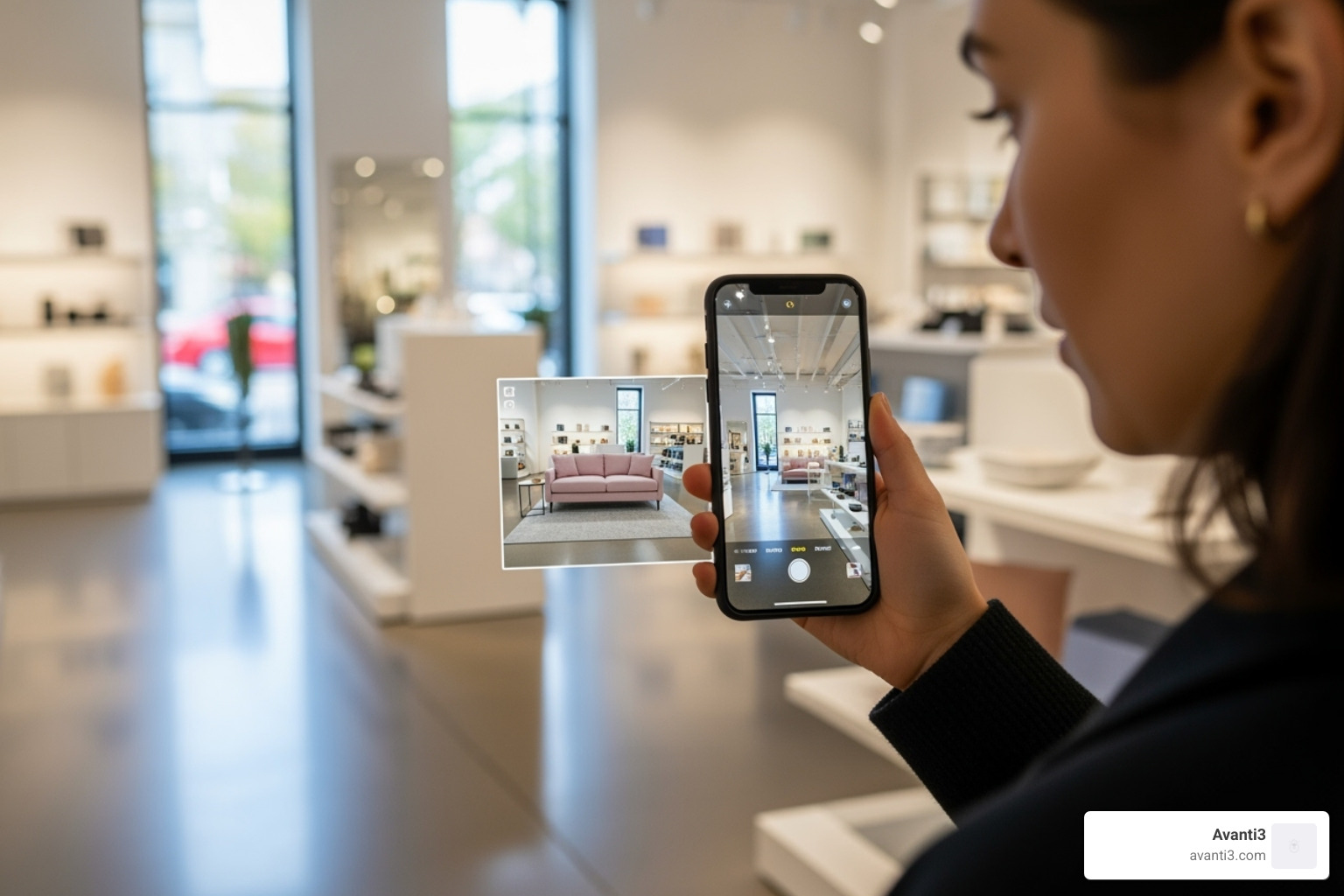
- Product Visualization & Virtual Try-On: AR has revolutionized retail. Customers can visualize furniture in their homes or try on clothes and makeup virtually, which reduces returns and increases purchasing confidence.
- Interactive Print Media: AR breathes new life into traditional materials. Business cards, packaging, and magazine ads can trigger 3D presentations or videos, bridging the gap between print and digital.
- Educational Applications: AR makes abstract concepts tangible. Students can explore 3D models of the human heart or walk through historical sites, making complex topics more accessible and engaging.
- Improved Training Programs: AR provides safe, repeatable learning environments. Professionals in fields like medicine and engineering can practice complex procedures on virtual models without real-world risk.
- Improved Live Events: AR can create unforgettable experiences at concerts, sporting events, and conferences by overlaying real-time stats, exclusive content, or interactive networking features. Learn more from our insights on Augmented Reality Concerts.
The most successful AR applications focus on providing genuine utility, not just novelty. When AR makes life easier or more enjoyable, users accept it.
For comprehensive strategies on leveraging AR in your marketing, visit our Augmented Reality Marketing page to see how these principles can transform your brand engagement.
The Future is Immersive: Trends and Next Steps
The landscape of AR content creation is dynamic, with rapid shifts and exciting developments promising an even more immersive future. The ecosystem is thriving with robust options, but it’s also a space of constant evolution.
AI: The Game-Changer for Creation
The most exciting trend in AR content creation is the integration of Artificial Intelligence. Imagine describing your AR vision in plain English and watching it come to life. Generative AI is beginning to create AR and VR experiences from simple text or speech prompts, demolishing the traditional barriers of technical expertise and large budgets. This AI integration is about democratization, giving small businesses, educators, and individual creators access to tools once exclusive to major studios.
Web3 and the New Digital Ownership Era
The convergence of AR with Web3 technologies is opening fascinating possibilities. Augmented Reality NFTs represent a new frontier where digital assets can be owned, traded, and displayed in our physical spaces. This shift toward decentralized ownership is creating a bridge between our physical world and virtual metaverse spaces. The Web3 approach also promises more creator-friendly economics, allowing direct ownership and monetization of AR content through blockchain systems.
The Spatial Computing Revolution
We’re moving beyond smartphone screens toward true spatial computing. With devices like Apple Vision Pro and advancing VR headsets, AR content creation is expanding into three-dimensional workspaces. Future AR experiences will be designed for environments where users can walk around and manipulate objects with their hands, laying the groundwork for tomorrow’s immersive collaborations.
Your Next Steps in the AR Journey
The goal isn’t to chase every trend, but to focus on creating genuine value and telling compelling stories. The fundamentals remain the same: understand your audience, solve real problems, and craft experiences that feel magical. Start with tools that match your skill level and expand from there. The AR content creation landscape rewards experimentation and creativity over technical perfection.
At Avanti3, we’re at the forefront of this immersive evolution. We integrate Web3 technologies like NFTs, blockchain, AR/VR, and AI to help creators and brands steer this exciting landscape. Our approach combines cutting-edge technology with practical business solutions, ensuring that your AR investments deliver real results.
Ready to transform how your audience experiences your brand? Find how we can help you harness the power of immersive technology with our Augmented Reality Marketing Solutions. The future of digital engagement is here, and it’s more accessible than you might think.