

What NFT Digital Ownership Really Means
NFT digital ownership uses blockchain technology to prove you own a unique digital asset, like art, music, or in-game items. A Non-Fungible Token (NFT) is a unique digital identifier on a blockchain that certifies the ownership and authenticity of an item. This public ledger allows anyone to verify who owns a specific NFT without a third-party intermediary.
The key distinction is what you actually own. When you buy an NFT, you own the token itself—a digital certificate of authenticity—but typically not the copyright or intellectual property (IP) rights to the associated file. The original creator usually retains these rights unless they are explicitly transferred. This common misconception is a crucial point for any buyer to understand.
The rise of NFTs was dramatic, with trading surging from $82 million in 2020 to $17 billion in 2021. However, the market proved highly volatile, with reports in 2023 suggesting 95% of collections had lost their monetary value.
Despite this crash, NFTs represent a fundamental shift. By creating provable scarcity for digital files that can otherwise be endlessly copied, they empower creators to monetize their work directly, earn royalties on resales, and offer buyers verifiable proof of authenticity. At its core, NFT digital ownership moves beyond speculation to create genuine value for creators and communities when applied strategically.
The Mechanics and Impact of NFT Digital Ownership
This section explores the core technology behind NFTs, their market dynamics, and how they are creating new opportunities for creators and businesses alike.
How Blockchain Guarantees Verifiable Ownership
At the heart of NFT digital ownership is blockchain technology, which turns a digital file into a unique, verifiable asset.
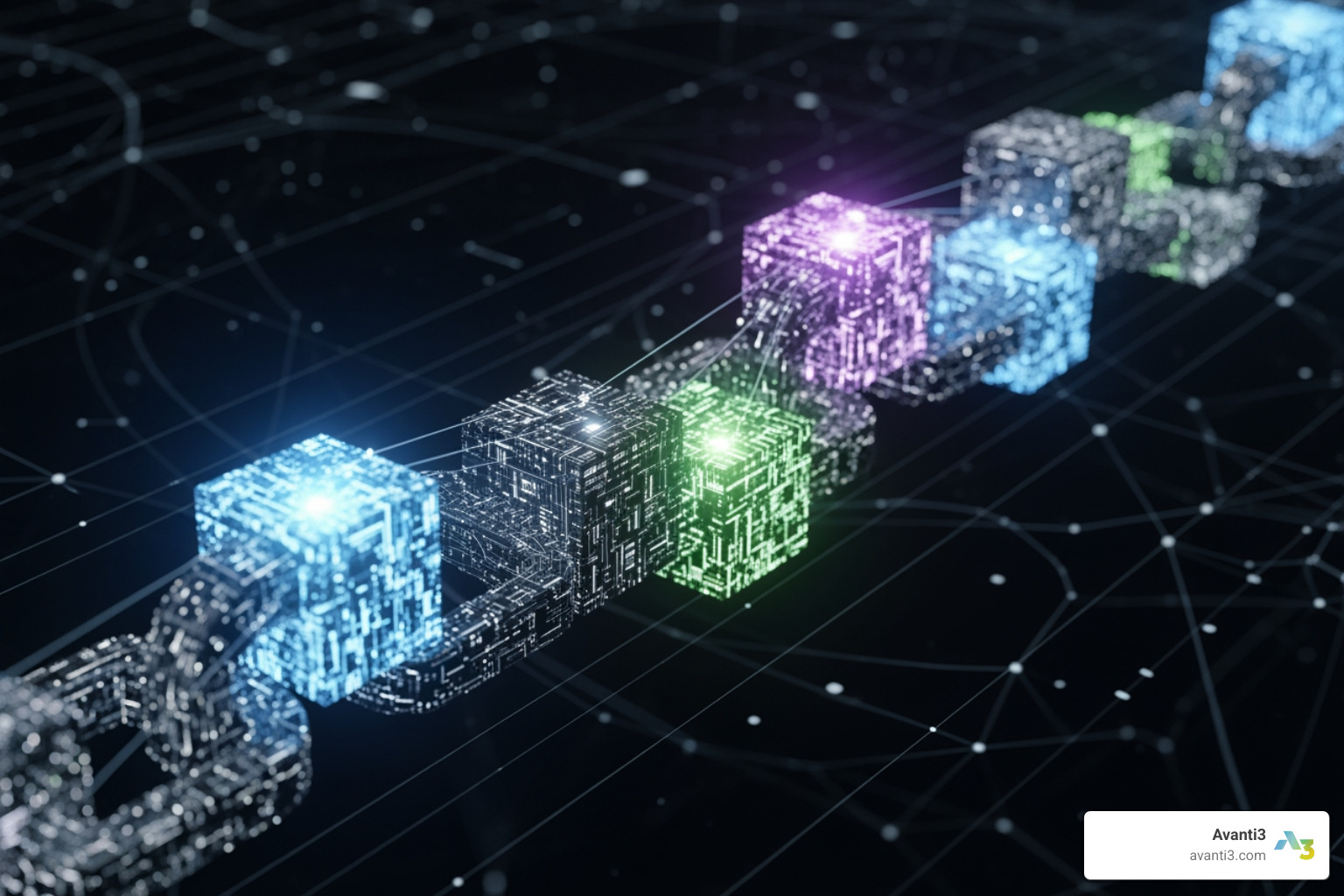
A blockchain is a decentralized, immutable digital ledger. When an NFT is “minted,” its details are recorded on this chain, making the record of ownership transparent and tamper-proof. Key aspects include:
- Decentralized Ledger: The ledger is distributed across many computers, so no single entity has control. This makes the ownership record resilient and transparent for anyone to inspect.
- Immutability: Once a transaction is recorded, it cannot be altered or deleted. This provides an unchangeable history (provenance) of the NFT’s ownership from its creation.
- Smart Contracts: These are self-executing programs on the blockchain that define an NFT’s rules, such as ownership, transferability, and royalties. Standards like ERC-721: Non-Fungible Token Standard ensure each NFT is unique. When you buy an NFT, the smart contract automatically transfers ownership to your digital wallet, creating a secure and transparent record.
NFT vs. Copyright: Understanding Your Rights
A crucial distinction in NFT digital ownership is the difference between owning the token and owning the copyright. Many mistakenly believe they are the same. As one analysis notes, “When you buy an NFT, you don’t completely own it – here’s why.”
Here’s a breakdown of the difference:
| Feature | Owning an NFT | Owning the Copyright to the Associated Digital Asset |
|---|---|---|
| What you own | The unique digital token on the blockchain (a certificate of authenticity). | The legal rights to reproduce, distribute, display, perform, and create derivative works from the asset. |
| Right to reproduce | Generally, no, unless explicitly granted by the copyright holder. | Yes, this is a core right of copyright ownership. |
| Right to display | Often limited to private, non-commercial display, similar to owning a physical print. | Yes, including public display. |
| Commercial use rights | Generally, no, unless explicitly granted via a license. | Yes, you can license or sell commercial rights. |
| Transferability | The token itself can be freely traded or sold. | Copyright can be transferred, but it’s a separate legal process. |
| Legal Basis | Blockchain record of token ownership. | Intellectual Property law (e.g., copyright law). |
In short, you buy a unique, verifiable token that points to a digital file. The creator typically retains the copyright, meaning they still control reproduction and distribution rights. This is like owning a signed art print—you own that specific copy, but not the right to make more.
This intersection of NFTs and intellectual property (IP) is an evolving legal area. As highlighted in research on “NFTs as Decentralized Intellectual Property,” creators must be explicit about the rights they transfer, and buyers must perform due diligence to understand the terms of their purchase.
The Value and Volatility of the NFT Market
The NFT market has been a rollercoaster, and understanding its value drivers and volatility is key to grasping NFT digital ownership.

What makes an NFT valuable?
- Scarcity and Uniqueness: Each NFT is unique, and this digitally enforced rarity drives value.
- Creator Reputation: Works by renowned artists like Beeple (whose art sold for $69.3 million) or brands command higher prices.
- Provenance: The blockchain provides an immutable ownership history, which is a powerful value driver for collectibles.
- Utility: Many NFTs offer tangible benefits, like exclusive community access (e.g., Bored Ape Yacht Club), event entry, or in-game items.
- Community and Status: Owning certain NFTs can serve as a digital status symbol.
The market’s journey has been turbulent. After NFT trading surged to $17 billion in 2021, it experienced a major downturn. By May 2022, daily sales had declined 92% from their peak, and a 2023 report claimed “95% of NFTs had fallen to zero monetary value.” This volatility led many to label the initial boom an “economic bubble.” High-profile flips, like Jack Dorsey’s first tweet NFT selling for $2.9 million but later receiving a top bid of only $280, underscore the speculative risk. Bill Gates even described the phenomenon as “100% based on greater fool theory.”
Empowering Creators and Enterprises with NFT Digital Ownership
Beyond speculation, the most profound impact of NFT digital ownership is how it empowers creators and offers innovative tools for businesses.
For creators, NFTs solve long-standing challenges with monetizing digital work:
- Automated Royalties: Smart contracts can automatically pay a percentage of every secondary sale back to the original creator. This creates a continuous revenue stream that was previously impossible.
- Direct Monetization and Fan Engagement: NFTs allow creators to sell directly to their audience, bypassing intermediaries. This fosters deeper connections through exclusive content or experiences, which is central to digital fan engagement and Web3 creator platforms.
- Verifiable Provenance: Blockchain provides a robust mechanism to prove authenticity, combating plagiarism and assuring collectors they are buying a genuine piece.
Enterprises are also leveraging NFTs for:
- Digital Memberships and Loyalty Programs: Companies can use NFTs as secure digital passes for premium content, events, or services, creating new forms of digital brand engagement.
- Proof of Ownership: NFTs can serve as immutable proof of ownership for assets ranging from certifications to physical products.
- Gamified Engagement: Brands can use NFTs in loyalty programs to create interactive, rewarding experiences.

These applications show a shift from NFTs as speculative assets to powerful tools for business and creator empowerment.
Real-World Use Cases for NFT Digital Ownership
The versatility of NFT digital ownership extends across numerous industries, demonstrating its potential to redefine our interaction with digital and physical assets.
- Digital Art: The most well-known use case, allowing artists to sell unique digital works with verifiable authenticity. This has transformed NFT digital art sales.
- Music: Artists like Muse and Kings of Leon have released albums and tracks as NFTs, embedding royalties and engaging fans directly.
- Gaming: NFTs enable true ownership of in-game assets (skins, weapons, land), allowing players to own and trade their virtual items.
- Virtual Real Estate: In metaverses, NFTs represent ownership of digital land and property, with some plots selling for millions. Forbes notes that NFTs work perfectly for real estate, both digital and physical.
- Collectibles: Digital trading cards (NBA Top Shot) and famous internet memes (“Disaster Girl”) have been monetized as NFTs, proving their value for digital collectibles.
- Event Ticketing: NFTs can serve as secure, counterfeit-proof tickets that can also provide organizers with royalties on resales, as explored in academic research on blockchain-based event ticketing.
- Identity and Credentials: NFTs are being explored for certifying academic degrees, patents, and other forms of identity, extending ownership to personal and intellectual assets.
- Supply Chain Management: NFTs can track products from origin to consumer, improving transparency and verifying authenticity.
Challenges, Criticisms, and the Future of NFTs
Despite its potential, NFT digital ownership faces significant challenges and criticisms that are crucial to acknowledge.
Challenges and Criticisms:
- Environmental Concerns: Early blockchains were energy-intensive. However, Ethereum’s 2022 transition to Proof-of-Stake (PoS) reduced its energy use by ~99.99%, mitigating this concern for the largest NFT ecosystem.
- Market Volatility and Illiquidity: The market is highly speculative, and many NFTs have become worthless, making them difficult or impossible to sell.
- Regulatory Uncertainty: The law has not kept pace with technology, creating legal gray areas around IP rights, consumer protection, and financial regulation.
- Scams and Fraud: The space has been plagued by plagiarism, “rug pulls” (where creators disappear with funds), wash trading (artificially inflating prices), and security vulnerabilities.
- Off-Chain Storage: The actual digital file an NFT represents is often stored off-chain. If the link to that storage breaks, the NFT can be left pointing to nothing.
The Future of NFTs:
Despite these issues, the underlying technology continues to evolve, pointing toward more transformative applications:
- Dynamic NFTs: Tokens that can change based on external data or user interaction.
- Tokenization of Real-World Assets: Representing ownership of physical items like real estate or luxury goods on the blockchain.
- Digital Identity: Creating self-sovereign identities where users control their own data.
- Science and IP: Tokenizing patents and other intellectual property assets to manage and fund research.
- AR/VR Integration: Owning and interacting with digital objects in the metaverse, with a focus on augmented reality NFTs.
Addressing the current challenges through better technology, regulation, and security will be key to realizing the full potential of NFT digital ownership.
Conclusion: The Evolving Landscape of Digital Assets
We’ve explored how NFT digital ownership uses blockchain to offer a verifiable and programmable way to own unique digital assets. While the initial speculative hype and market crash captured headlines, the underlying technology’s promise remains strong.
The narrative has shifted from speculative trading to real-world utility. NFTs have permanently changed the collectibles market and empowered creators with direct monetization and new revenue streams through automated royalties. This fundamental shift is here to stay.
The future of NFTs lies in their functionality—as digital deeds, membership passes, game assets, and tools for digital identity. As the technology matures, its applications will become more integrated and move far beyond digital art.
The journey of NFT digital ownership is just beginning. As the ecosystem matures and overcomes its initial challenges, the focus will continue to shift from speculation to tangible value, shaping a new frontier for creators, businesses, and users alike.