

Why Social Media Is Reshaping the Sports Industry
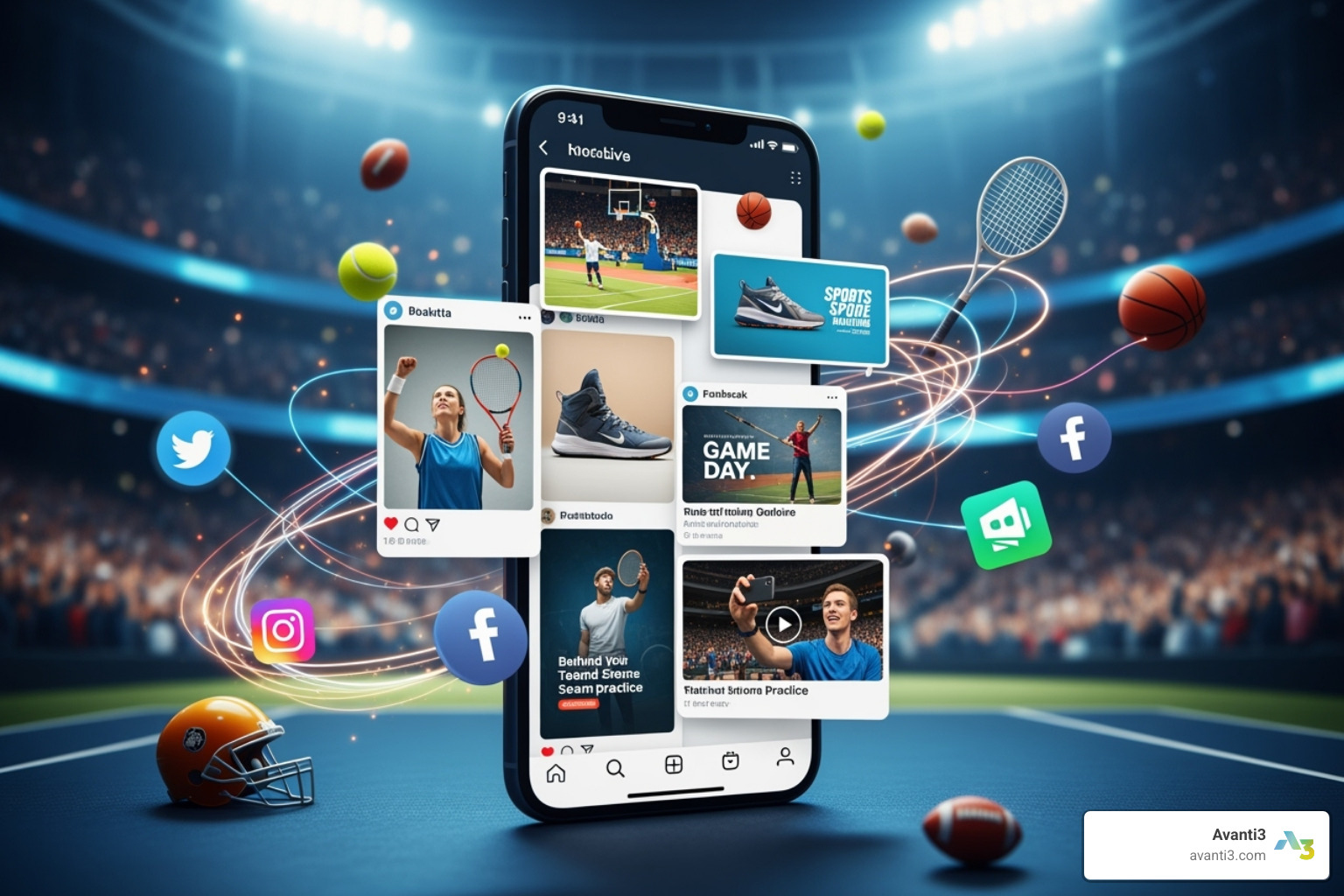
Social media and sports marketing has fundamentally changed how fans connect with their favorite teams and athletes. What was once a one-way broadcast has become a dynamic, interactive experience where fans actively participate in real-time conversations.
Here are the key ways social media transforms sports marketing:
- Direct Fan Engagement – Teams and athletes communicate directly with fans, bypassing traditional media.
- Real-Time Content – Live updates, behind-the-scenes footage, and instant reactions during games.
- Global Reach – Teams connect with international audiences at a fraction of traditional advertising costs.
- Athlete Branding – Players build personal brands that often exceed their teams’ social media reach.
- Data-Driven Insights – Analytics help organizations understand fan behavior and preferences.
- Revenue Generation – New monetization opportunities through sponsorships, merchandise, and digital experiences.
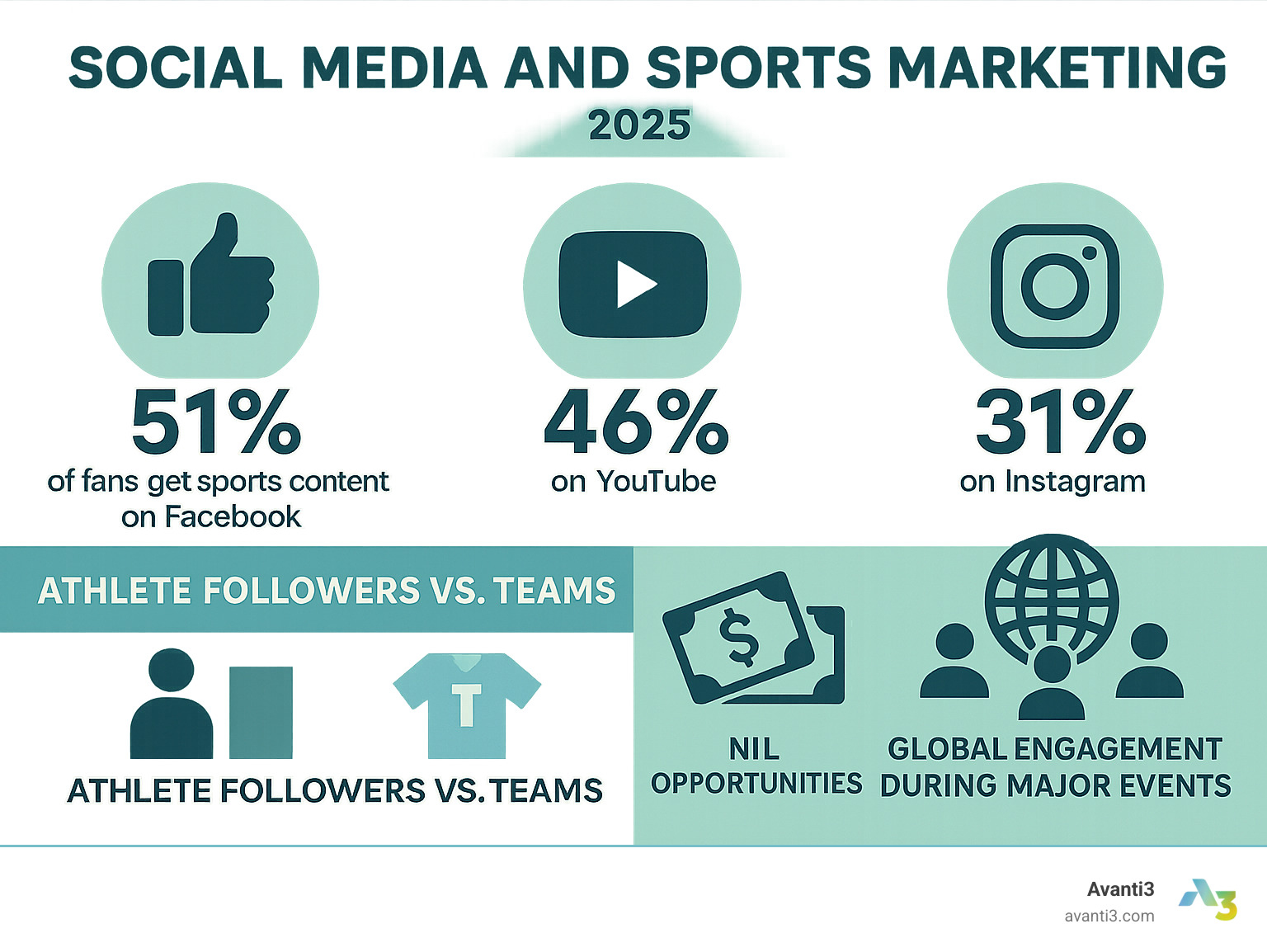
The numbers tell the story. With 51% of fans getting sports content on Facebook, 46% on YouTube, and 31% on Instagram, social platforms are the primary way people consume sports. The sports industry, valued at $680.74 billion by 2028, now depends heavily on digital engagement to drive growth.
This shift represents a complete change from passive viewership to active participation, where fans expect immediate access, authentic content, and meaningful interactions.
At Avanti3, we’ve seen how social media and sports marketing creates unprecedented opportunities for brands to build loyal communities and open up new revenue streams. This guide will walk you through the strategies that are reshaping how sports organizations connect with fans in our digital-first world.
The New Playbook: How Social Media Transformed Fan Engagement

On game day, fans are no longer just spectators; they’re active participants. This is the new reality of social media and sports marketing, where fans are part of the entire sports experience.
Gone are the days of relying on traditional media. Now, teams and athletes have direct communication channels to share real-time updates, offer exclusive behind-the-scenes access, and engage in genuine two-way conversations with their communities.
This shift toward fan-centric content creates authentic relationships. When a team posts a candid moment from practice or an athlete shares their pre-game nerves, fans feel a genuine connection. This community building extends the game-day experience year-round, leading to more loyal fans who spend more on merchandise and attend more games. For organizations looking to harness this power, exploring Digital Fan Engagement strategies can open up incredible opportunities.
From Broadcast to Dialogue: Creating Interactive Experiences
The days of passive viewing are over. Today, 32% of sports fans (and 43% of Gen Z fans) use social media while watching live games, creating an active second-screen experience.
Live-tweeting turns every game into a global conversation where fans share reactions and debate calls in real-time. Smart teams have acceptd this by hosting Q&A sessions with players, running polls and quizzes, and encouraging fans to share their own content.
Effective hashtag campaigns can achieve massive reach. The Chicago Blackhawks’ #WhatsYourGoal campaign organically reached over 46 million people on Facebook, with more than 24 million viewers actively engaging. That’s community building at its finest.
User-generated content is a powerful tool. When fans create their own videos and posts, it feels authentic because it is. These fan forums and community spaces extend the excitement far beyond the final whistle. Teams that master these interactive experiences build loyal communities, and Digital Community Building offers proven strategies for creating these vibrant online spaces.
The Power of Video: Behind the Scenes and In the Moment
People retain 95% of information from videos compared to just 10% from text, making video essential in social media and sports marketing.
Instagram Reels and TikTok have revolutionized sports content with short, engaging videos of match highlights, candid player interviews, and training footage. FC Barcelona became the first sports team to cross 1 billion views on Instagram Reels, proving the massive demand for this content.
Live streaming has also opened up new possibilities. During the NBA’s 2020 stoppage, its digital content still reached 1.6 billion followers, showing that engaged communities stay connected even without live games. During that period, TikTok saw a 30% increase in sports content usage, while Twitch saw a 21% increase.
This video revolution is also boosting other sports. Viewership for women’s sports is on the rise, and authentic video content is playing a huge role in this growth by showcasing the personality and skill of athletes.
Successful sports organizations know fans want more than highlight reels; they want to feel like insiders. Behind-the-scenes content creates emotional connections that last far beyond a single season.
Beyond the Game: The Rise of the Athlete as a Brand
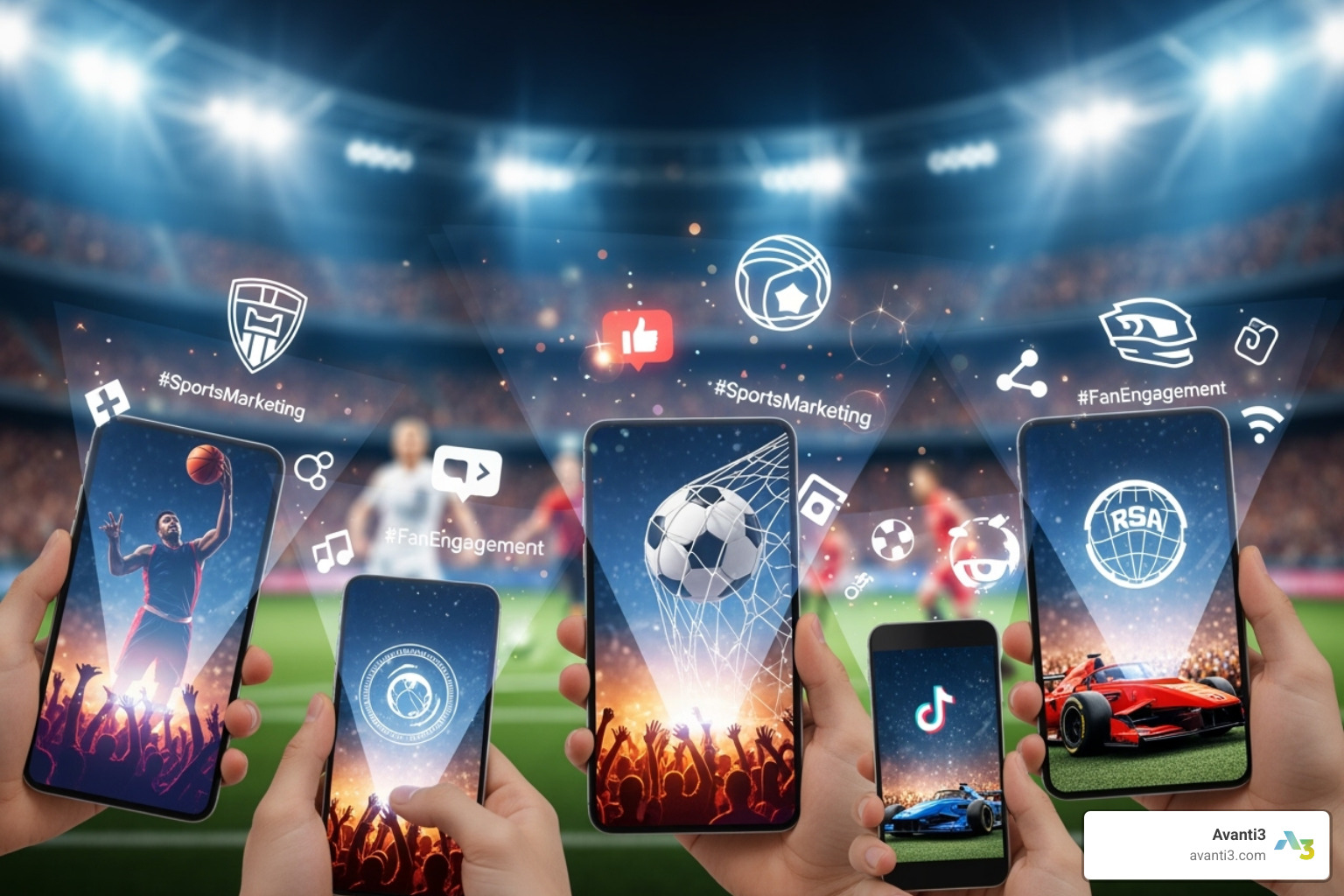
In social media and sports marketing, athletes are evolving into powerful personal brands, often eclipsing their teams’ reach. They are building authentic connections with millions of fans by sharing their personalities, values, and causes.
This direct connection is powerful. Athletes can speak directly to fans, sharing struggles and victories that make them relatable. This genuine connection creates loyal fan bases that trust their recommendations and support their endeavors. The monetization opportunities are staggering, with endorsement deals that can rival or exceed their playing contracts. Athletes are now influencers, activists, and entrepreneurs.
How Individual Athlete Branding Is Changing Traditional Sports Marketing
A staggering 70% of fans follow individual athletes over teams on social media, a complete reversal from a decade ago.
Consider the scale: Lionel Messi has around 500 million followers, while his club, Inter Miami FC, has 33.4 million. Cristiano Ronaldo’s reach is even greater, with over 1 billion total social media followers. His Instagram posts can connect with over 640 million people—more than the population of North America. It’s no wonder brands are shifting focus from team sponsorships to individual athlete partnerships.
The Name, Image, Likeness (NIL) ruling in 2021 was a game-changer for college athletes, allowing them to profit from their personal brands. For example, Olivia “Livvy” Dunne earned $3.6 million in 2023 from brand deals, with her TikTok videos regularly getting millions of views. More on the Name, Image, Likeness (NIL) ruling highlights how this shift is creating a new generation of athlete-influencers.
This individual power is forcing brands to rethink sponsorships, investing in athletes who deliver highly engaged, targeted audiences.
Leveraging Athlete Influence for Brand Partnerships
With 63% of marketers increasing their influencer marketing budgets, the value of athlete partnerships is clear. Authenticity is key, as 83% of consumers trust recommendations from people they respect.
We’re seeing brilliant examples of this in action. SKIMS partnered with the WNBA, and Ally Financial invested 90% of its sports budget into women’s sports, creating partnerships that benefit athletes like Caitlin Clark. These are collaborative content partnerships where both brands and athletes win.
It’s not just superstars, either. Micro-influencer athletes with smaller, highly engaged followings offer incredible value for brands targeting niche markets.
However, authenticity is everything. Fans can spot a fake endorsement easily. The best partnerships occur when there’s a genuine alignment between the athlete’s values and the brand’s mission.
Successful partnerships hinge on transparency, proper legal diligence, and data-driven selection to ensure brand alignment. With younger NIL athletes, brands must act responsibly, providing fair compensation and guidance while respecting their primary roles as students and athletes.
Scoring Big Online: Key Opportunities in Social Media and Sports Marketing
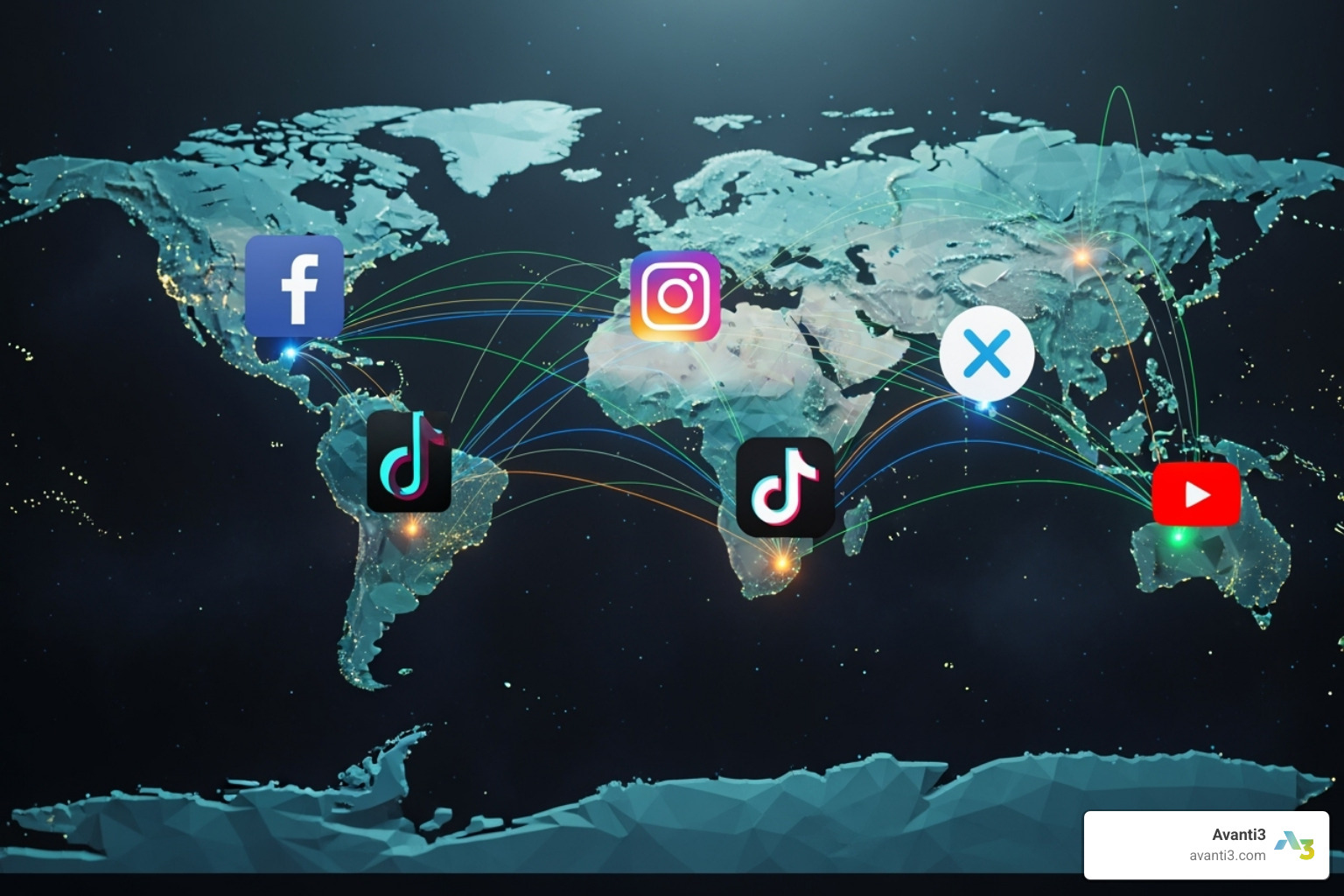
Social media and sports marketing offers opportunities that span continents, are more cost-effective, and provide deeper insights than ever before. The global reach of social media has made geography almost irrelevant in building a loyal fanbase.
It’s not just about reach. The cost-effectiveness compared to traditional advertising allows smaller organizations to compete for attention. Combined with invaluable data insights, direct-to-consumer opportunities, and increased sponsorship value, social media has completely changed how the sports business operates.
Expanding the Fanbase Beyond Borders
Social media breaks down geographical barriers. The NBA understood this early, creating 18 localized social media accounts across Europe and the Middle East, resulting in a 100% year-over-year increase in views by serving custom content.
Formula One’s story is also impressive. Its social media following grew to 49 million during the 2021 season—a 40% increase achieved by engaging fans worldwide with behind-the-scenes content and race highlights.
This global reach enables highly targeted advertising, allowing brands to connect with specific demographics they could never access through traditional media. The limitations of broadcast territories simply don’t exist on social media.
Measuring Success: Data-Driven Strategies for Social Media and Sports Marketing
The wealth of data from social platforms provides insights that traditional marketing could only dream of. We’re talking about granular audience analytics that reveal who your fans are, what they love, and how they prefer to engage.
Engagement metrics (likes, shares, comments), sentiment analysis, and content performance tracking reveal what resonates most with an audience. With A/B testing, strategies can be refined in real-time, while social listening tools help monitor conversations, spot trends, and track competitors.
This data-driven approach transforms how success is measured. Instead of guessing, marketers can track everything from brand visibility to direct ticket sales and merchandise purchases. At Avanti3, we’ve seen how powerful this can be when you Leverage social media data to make informed decisions and demonstrate a clear return on investment.
The power of social media and sports marketing lies in this combination of global reach and precise measurement.
Navigating the Downsides: Challenges and Risks in the Digital Arena
Social media and sports marketing isn’t without its challenges. The digital world presents real problems for sports organizations that require careful navigation.
Content saturation is a major hurdle. With every team, athlete, and brand competing for attention, standing out requires constant creativity. Your post can get buried in minutes, making it exhausting to maintain visibility.
Information—both true and false—spreads with incredible speed. A crisis management situation can escalate into a PR disaster instantly. Player conduct is under a 24/7 microscope, and any misstep can trigger immediate negative PR.
Fan toxicity is another serious concern, affecting athletes’ mental health and creating toxic environments. Manchester United found that unsuitable posts quadrupled between 2022 and 2024, highlighting the massive moderation challenge.
Finally, the legal landscape is complex. Organizations must steer trademark issues, avoid ambush marketing, and handle various Legal issues in sports marketing to prevent costly lawsuits.
The 24/7 News Cycle: Managing Crises and Protecting Brand Reputation
In today’s digital sports environment, real-time monitoring is essential for survival. Smart organizations use social listening tools to detect potential crises before they escalate.
A solid crisis communication plan is a must-have playbook. Having clear protocols for handling player scandals or addressing fan backlash can mean the difference between a minor issue and a major catastrophe.
Authenticity in apologies is crucial. Fans value genuine transparency and honest communication, which builds trust even in difficult situations.
However, there are legal pitfalls to consider. Trademark infringement and ambush marketing can lead to expensive legal battles. The human cost is also real, with athletes reporting performance anxiety due to constant public scrutiny. Some college athletes have even lost scholarships over old social media posts.
The key is to balance authentic fan engagement with brand protection. With the right strategies, organizations can successfully steer these choppy digital waters.
The Future Is Now: Emerging Trends and Technologies
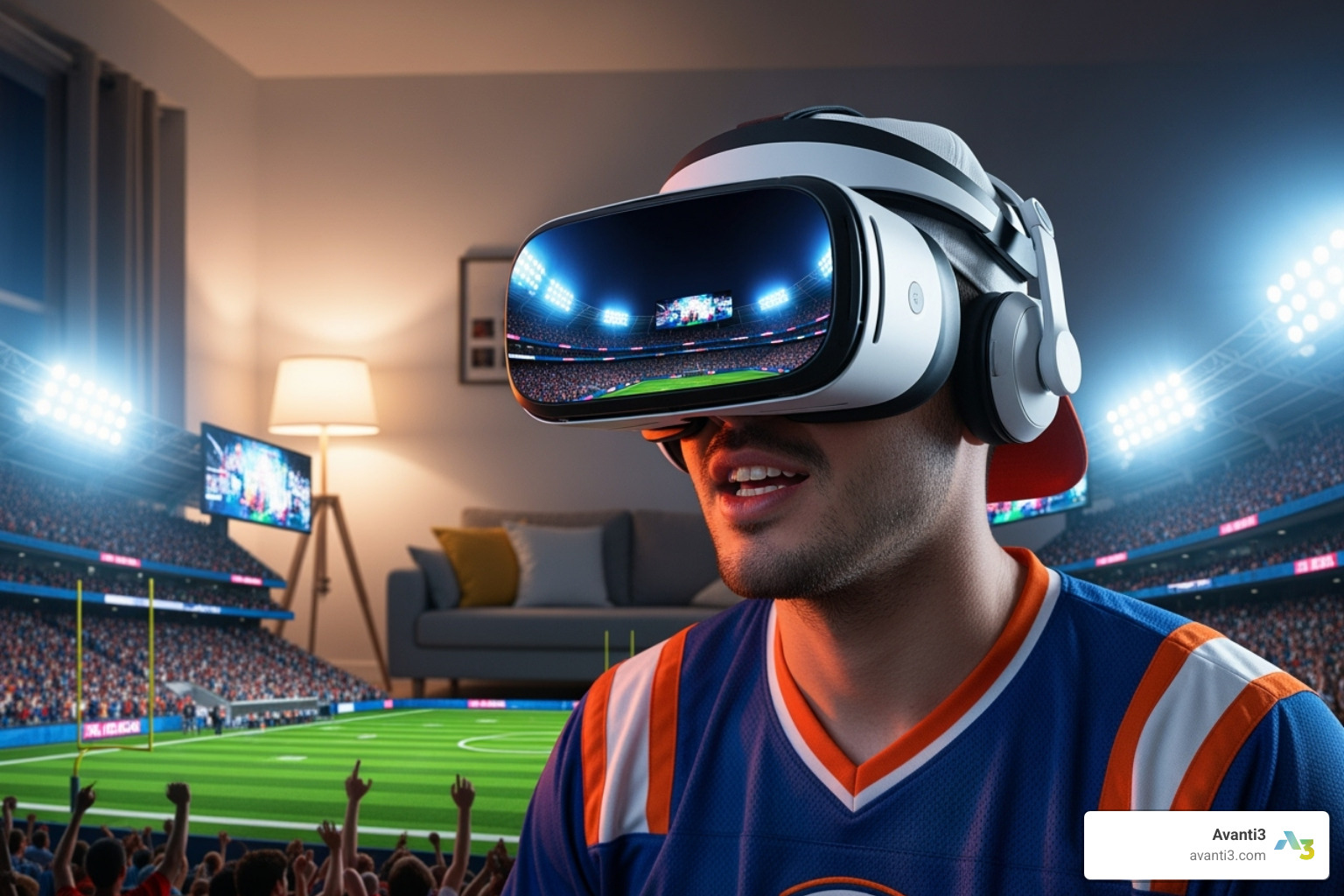
The world of social media and sports marketing is racing toward a future where technology transforms the fan experience. We’re seeing growth in women’s sports viewership and greater recognition of para-athletes, opening doors to new audiences and storytelling opportunities.
The real game-changers are emerging technologies like Web3, AI, and immersive experiences that promise to revolutionize fan engagement. These are the building blocks of tomorrow’s sports marketing landscape.
The shift from traditional approaches to Web3-powered engagement is a fundamental change:
| Feature | Traditional Sports Marketing | Web3-Powered Fan Engagement |
|---|---|---|
| Engagement Model | One-way broadcast, passive | Interactive, immersive, community-driven |
| Content Ownership | Centralized (teams, leagues) | Decentralized, user-owned digital assets (NFTs) |
| Fan Identity | General audience | Unique digital identities, personalized experiences |
| Monetization | Tickets, merch, sponsorships | NFTs, fan tokens, D2C, decentralized finance (DeFi) |
| Community Structure | Centralized fan clubs | Decentralized Autonomous Organizations (DAOs), token-gated |
| Rewards & Loyalty | Basic points, discounts | Gamified missions, blockchain-based rewards, unique digital experiences |
| Transparency | Limited | High (blockchain ledger) |
Immersive Experiences: AR, VR, and the Metaverse
Imagine experiencing a game from a player’s perspective via VR or seeing real-time player statistics overlaid on the field through AR on your phone. This isn’t science fiction; it’s the near future of sports entertainment.
Virtual stadiums will allow fans to gather from around the world, while in-game AR filters let them try on merchandise virtually. These digital collectibles and interactive elements create entirely new ways for fans to engage. Fans could explore digital locker rooms or attend virtual Q&As with players. At Avanti3, we’re pioneering these AR/VR Immersive Experiences and advancing Augmented Reality Marketing to help sports brands create these moments for their communities.
The Next Frontier: Web3, NFTs, and a New Era of Fandom
Web3 technology is reshaping what it means to be a sports fan. This goes beyond simple collectibles to NFTs as tickets, true ownership of digital memorabilia, and blockchain-based rewards that recognize fan loyalty.
Fan tokens are giving supporters real influence over team decisions, from jersey designs to community initiatives. Decentralized communities are forming where fans have genuine ownership stakes. This creates deeper, more meaningful connections, turning fans into active participants and stakeholders.
At Avanti3, we’re leading this evolution by integrating Web3 technologies with sports marketing. Our NFT Engagement Tools help create unique digital experiences, while our Web3 Community Management solutions build stronger fan relationships. Through innovative Community Loyalty Programs, we’re helping sports organizations reward their most dedicated supporters in new and exciting ways.
Frequently Asked Questions about Social Media and Sports Marketing
How do you measure the ROI of social media in sports marketing?
Measuring ROI in social media and sports marketing requires a holistic approach. Key metrics include engagement rates (likes, shares, views), conversion tracking for ticket and merchandise sales, brand sentiment analysis, and sponsorship value attribution. Combining these quantitative and qualitative data points provides a comprehensive view of your social media performance and its impact on business goals.
What is the biggest challenge for sports marketers on social media?
The biggest challenge is content saturation, which makes it difficult to cut through the noise and capture fan attention. This is compounded by the need for 24/7 crisis management in a digital environment. Other key challenges include maintaining fan interest during the off-season, effectively monetizing engagement, and balancing promotional content with the authentic connections that fans crave.
How has NIL changed college sports marketing?
The Name, Image, Likeness (NIL) ruling completely transformed college sports by enabling student-athlete monetization. This has created vast new brand partnership opportunities but has also introduced complex compliance and regulations that vary by state and institution. The focus has shifted from university-centric marketing to individual athlete branding, making personal brand management crucial for young athletes much earlier in their careers.
Conclusion
Social media and sports marketing has profoundly shifted the industry from one-way broadcasts to global, two-way conversations. Fans are no longer passive spectators; they are active participants, content creators, and community builders. This change has empowered both fans and athletes, with the latter building personal brands that can eclipse their own teams.
A digital-first strategy is no longer optional—it’s essential for success. The future is racing toward us with interactive experiences and immersive technologies like AR, VR, and blockchain, which will give fans a real stake in their favorite teams.
At Avanti3, we are passionate about helping sports organizations, athletes, and brands thrive in this digital revolution. We believe in the power of community, authentic connection, and the potential that emerges when cutting-edge technology meets a genuine passion for sports.
Ready to build the next generation of fan experiences? Let’s explore how you can create powerful Digital Fan Engagement that turns casual viewers into lifelong community members. The future of sports is being written now—let us help you be part of the story.