


Introduction: The New Era of Customer Connection
In today’s digital-first world, customer expectations have fundamentally shifted. A compelling 53% of customers now prefer digital engagement, and 74% expect to do anything online that they can do in person. This is where digital engagement software becomes essential. It is a comprehensive platform that allows businesses to interact with customers across all channels—chat, SMS, email, and social media—from a single, unified system.
These tools use AI, automation, and analytics to deliver personalized experiences that build loyalty and drive growth. The results are significant: companies using this software report 21% revenue increases and investment payback in under two months, largely because 88% of customers say good service makes them more likely to purchase again.
Yet many organizations still wrestle with fragmented systems and data silos, creating a gap between customer expectations and reality. Modern digital engagement software closes that gap, turning every touchpoint into an opportunity for connection, loyalty, and long-term value.
The Ultimate Guide to Digital Engagement Software
What is Digital Engagement Software and Why Does it Matter?
At its core, digital engagement software is an all-in-one platform that centralizes and optimizes customer interactions across all digital channels. Think of it as the command center for your customer relationships, bringing together communication, analytics, and personalization into one cohesive system.
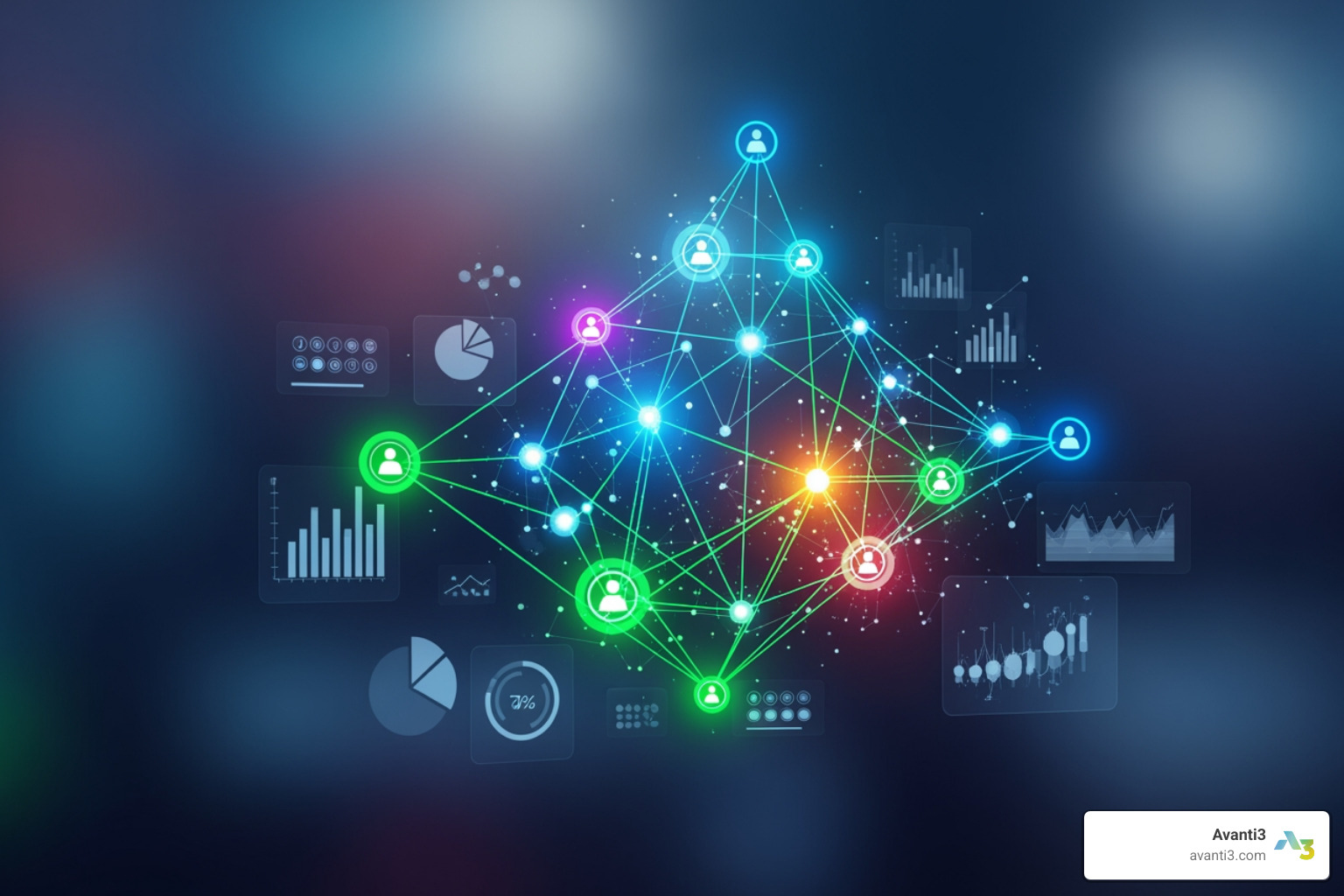
This matters because customers expect seamless, immediate, and personalized conversations on their preferred channels. The platform solves challenges like data silos by creating a single view of each customer, ensuring every interaction is consistent and efficient. For deeper insights, explore our guide on Digital Engagement Platforms.
Key Benefits: From Improved CX to Increased Revenue
Adopting digital engagement software delivers tangible benefits across your entire organization:
- Improved Customer Experience: Meet customers on their preferred channels with personalized support. Since 88% of customers are more likely to purchase again after good service, strong CX is critical.
- Increased Revenue & ROI: Businesses report a 21% increase in revenue and 30% increase in transactions, with investment payback in less than two months.
- Omnichannel Consistency: Provide unified experiences across all channels, building trust and reducing frustration.
- Operational Efficiency: Automate routine tasks for a 15% decrease in support tickets, freeing teams for high-value interactions.
- Data-Driven Insights: Centralize customer data to understand behavior and optimize strategies. Learn more about Community Loyalty Programs.
Essential Features to Look For
When selecting digital engagement software, prioritize these core features:
- Omnichannel Communication Hub: Unified inbox for SMS, email, chat, social media, and messaging apps
- Unified Customer Profile: Comprehensive 360-degree view consolidating all customer data
- Automation & Workflow Builder: AI-powered chatbots and triggered sequences with visual builders
- Analytics & Reporting: Real-time insights into response times, CSAT, and engagement rates
- Integration Capabilities: Seamless API connections with CRM and e-commerce platforms
- Self-Service Options: Knowledge bases, FAQs, and community forums
Choosing and Implementing the Right Solution

Choosing the Right Software:
- Assess your specific goals (reducing tickets, increasing conversions, building community)
- Match platform features to your needs, prioritizing scalability
- Test with demos and free trials using actual workflows
Implementation Steps:
- Involve stakeholders from sales, marketing, and support for buy-in
- Provide focused training for all users
- Connect with existing systems via APIs, launch, and gather feedback
Future-Proofing Your Strategy: AI, Web3, and Beyond
The Role of AI in Modern Digital Engagement Software
Artificial Intelligence is changing digital engagement software, making interactions smarter, faster, and more personalized.
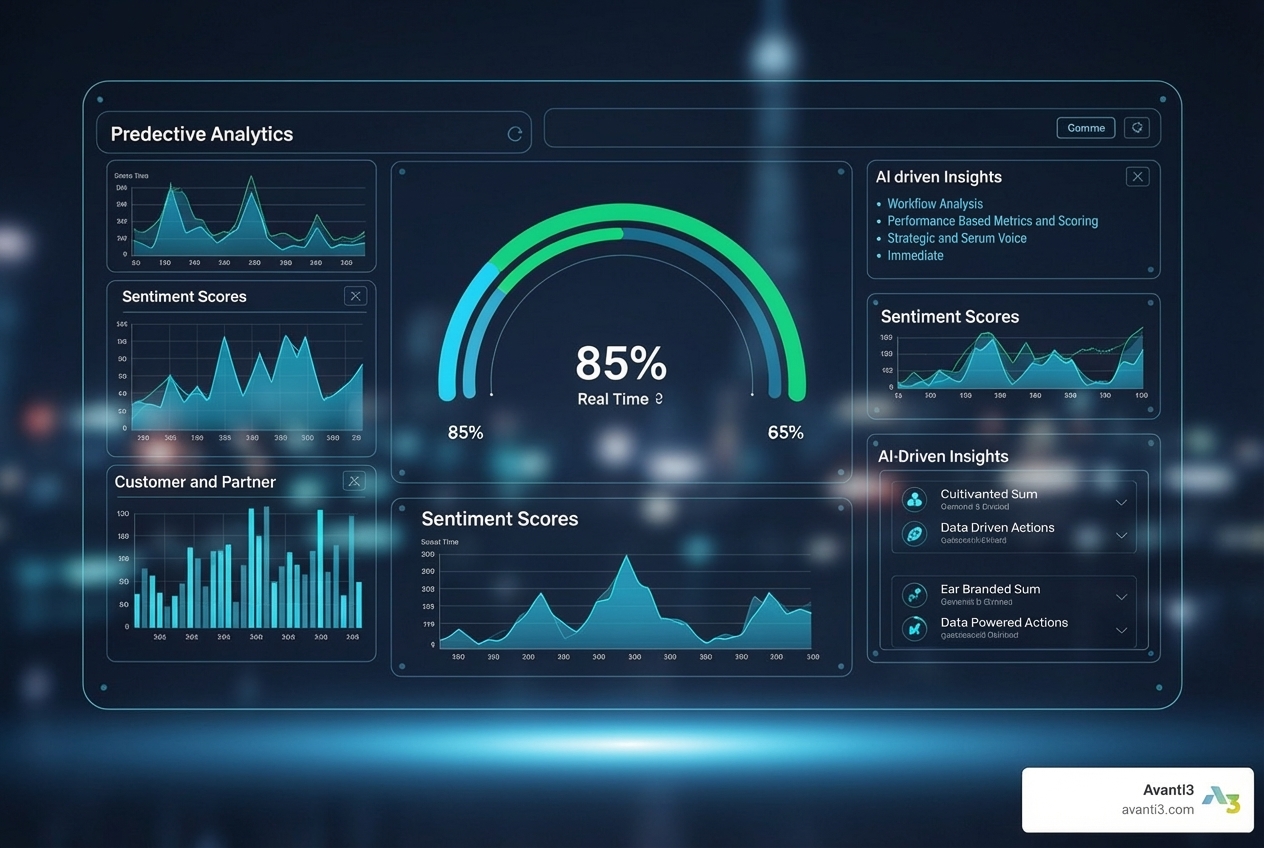
Here’s how AI reshapes customer engagement:
- AI-Powered Personalization: Analyzes data to deliver personalized content and recommendations
- Predictive Analytics: Forecasts behavior and identifies churn risks for proactive engagement
- Chatbots & Virtual Assistants: Provide 24/7 support for routine inquiries
- Sentiment Analysis: Detects emotional tone for empathetic responses
- Human-in-the-Loop: With 80% of customers valuing human validation, AI assists rather than replaces agents
Explore more at AI Customer Engagement. According to Gartner research, conversational AI will significantly reduce contact center costs by 2026.
The Next Frontier: Web3, AR, and Immersive Experiences
Web3, AR, and immersive experiences are redefining customer loyalty and brand interaction:
- Digital Reward System: Blockchain-powered loyalty programs with transparent, transferable rewards
- NFT Engagement Tools: Digital collectibles and exclusive access passes for dedicated fans
- Augmented Reality Marketing: Virtual product trials and interactive brand experiences
- Immersive Experiences: Virtual worlds for Digital Community Building
At Avanti3, we’re pioneering these innovations, integrating Web3, AR, and AI to empower brands with next-generation engagement tools. Ready to future-proof your brand? Explore our digital engagement solutions today.
Best Practices for Managing and Optimizing Digital Engagement
Implementing digital engagement software is just the start; continuous optimization delivers mastery. Focus on these best practices:
- Define and Track KPIs: Monitor Customer Lifetime Value (CLV), Net Promoter Score (NPS), and response times
- Centralize Data: Break down silos by consolidating customer information into a single platform
- Personalize Every Interaction: Use purchase history and preferences to tailor content and offers
- Collect and Act on Feedback: Use surveys and direct conversations to refine products and services
- Ensure Omnichannel Consistency: Maintain seamless experiences across all channels
- Leverage Automation Wisely: Automate routine tasks while keeping humans for complex interactions
- Foster Community and Self-Service: Empower customers with knowledge bases and forums
- Review and Adapt Regularly: Continuously analyze performance and adjust strategies
Common Challenges and How Digital Engagement Software Helps
Businesses face numerous problems in customer engagement, but digital engagement software is designed to overcome them.
1. Fragmented Communication Channels
- Challenge: Managing conversations across email, SMS, and social media leads to lost context and disjointed experiences.
- Solution: A unified platform consolidates all channels into a single inbox, providing a complete customer history for seamless conversations.
2. Inconsistent Customer Experience
- Challenge: Customers receive different answers or service quality depending on the channel or agent.
- Solution: A centralized “Customer 360” view and automated workflows ensure all agents have the same information, delivering a consistent brand experience.
3. Slow Response Times
- Challenge: Customers expect immediate answers, and long wait times lead to frustration.
- Solution: AI-powered chatbots provide 24/7 instant support for common queries, while intelligent routing directs complex issues to the right human agent quickly.
4. Lack of Personalization
- Challenge: Generic, one-size-fits-all messaging fails to engage customers.
- Solution: The software uses customer data to enable targeted content and custom offers, making customers feel known and valued.
5. Data Silos
- Challenge: Customer information is scattered across different systems, preventing a holistic view.
- Solution: Integrations pull all data into a single profile, giving teams the context needed for informed and efficient service.
6. Difficulty Scaling Operations
- Challenge: Growing inquiry volumes are expensive to manage by simply hiring more staff.
- Solution: Automation, self-service options, and AI agents handle a larger volume of interactions, allowing you to scale cost-effectively.
How Does Digital Engagement Software Contribute to Personalization and Improving the Customer Experience?
Personalization is the key to an exceptional customer experience, and digital engagement software is the engine that powers it. It transforms generic interactions into meaningful, one-on-one conversations.
Here is how it achieves this:
- Unified Customer Profiles: The software creates a 360-degree view of each customer by consolidating data from all touchpoints—past purchases, website visits, and support history. This gives your team the context to know who they are talking to.
- Contextual Communication: With a complete interaction history at their fingertips, agents can provide faster, more relevant service without forcing customers to repeat themselves.
- Targeted Messaging: By segmenting audiences based on behavior and preferences, you can deliver highly relevant marketing messages, product recommendations, and offers that resonate.
- AI-Powered Predictions: AI analyzes customer behavior to predict future needs or identify churn risks, enabling proactive engagement that solves problems before they happen.
By leveraging these capabilities, digital engagement software ensures every customer feels seen and understood, turning everyday service interactions into opportunities to build lasting loyalty.
What is the Role of Omnichannel Support in Digital Engagement Software?
Omnichannel support is a core component of modern digital engagement software. It refers to the ability to provide a seamless and consistent customer experience across all communication channels, allowing customers to switch from chat to email to social media without losing context.
Here is why it is so critical:
- Meeting Customer Expectations: Customers expect to connect on their preferred channels. Omnichannel support ensures you are present and responsive everywhere, from SMS and messaging apps to live chat and email.
- Creating a Seamless Journey: The software maintains a single conversational thread across all channels. A customer can start on chat and follow up via email without ever having to repeat their issue.
- Unifying the Agent Experience: Instead of juggling multiple platforms, agents manage all conversations from a single, unified workspace. This boosts efficiency and reduces the risk of missed messages.
- Ensuring Brand Consistency: By integrating all channels, the software makes it easy to maintain a consistent brand voice and service quality, which builds trust and reinforces your brand identity.
In short, omnichannel support, powered by digital engagement software, removes friction from the customer journey and creates a cohesive experience that makes customers feel valued no matter how they choose to connect.
How Can Digital Engagement Software Help Businesses Scale Their Customer Service Operations?
As a business grows, so does the volume of customer inquiries. Digital engagement software provides the tools to scale customer service operations efficiently without sacrificing quality or letting costs spiral out of control.
Here is how it helps you scale:
- Automation and AI: AI-powered chatbots and virtual assistants can handle a large volume of routine and repetitive inquiries 24/7. This frees up human agents to focus on complex, high-value interactions.
- Self-Service Empowerment: By offering customers comprehensive knowledge bases, FAQs, and community forums, you deflect a significant number of support tickets, as users can find answers on their own.
- Increased Agent Efficiency: A unified omnichannel dashboard allows agents to manage conversations from all channels in one place. With AI-powered assistance suggesting replies and surfacing information, each agent can handle more inquiries effectively.
- Intelligent Routing: The software automatically routes incoming tickets to the right agent or department based on skill, urgency, or keywords. This ensures faster resolution times and a better customer experience, even at high volumes.
By leveraging these capabilities, businesses can handle significant growth in customer interactions without a linear increase in staffing, making scalability both manageable and cost-effective.
What Are the Typical Pricing Models and Considerations for Digital Engagement Software?
Understanding the pricing for digital engagement software is key to making a smart investment. Models vary, so it is important to find one that aligns with your budget and business needs.
Here are the most common pricing structures:
- Per-User/Per-Agent Pricing: A monthly or annual fee for each team member who accesses the software. This is straightforward and scales with your team size.
- Tiered Pricing Plans: Providers offer different packages (for example, Basic, Pro, Enterprise) with varying feature sets and usage limits. This allows you to choose a plan that matches your current needs and budget.
- Usage-Based Pricing: Some features, like SMS messages or AI interactions, are priced based on consumption. This can be cost-effective for variable usage but requires monitoring to avoid unexpected costs.
- Contact-Based Pricing: Common for marketing-focused platforms, this model charges based on the number of customer contacts in your database.
- Free Trials and Freemium Models: Many platforms offer free, limited-time trials or basic free plans, which are useful for testing the software before committing.
Key Considerations:
- Total Cost of Ownership (TCO): Factor in potential costs for implementation, training, and support beyond the subscription fee.
- Return on Investment (ROI): Weigh the cost against the potential benefits, such as increased revenue and decreased support tickets. The ROI can often justify the investment in under two months.
- Scalability: Ensure the pricing model can accommodate your projected growth without becoming prohibitively expensive.