

Why Your Loyalty Points Are Worthless (And What’s Replacing Them)
Loyalty program Web3 is a blockchain-powered rewards system where customers truly own their points, perks, and digital assets—unlike traditional programs where brands control everything and most rewards go unredeemed.
Quick Answer: What is a Web3 Loyalty Program?
- True Ownership: Customers hold rewards as tokens or NFTs in their own digital wallets.
- Tradable Value: Points can be bought, sold, or used across different brands.
- Transparency: All transactions and rules live on the blockchain, preventing hidden devaluations.
- Interoperability: Rewards work across multiple brands, not just one company.
- Automated: Smart contracts distribute rewards instantly without intermediaries.
Here’s the reality: 9 out of 10 companies run loyalty programs, yet almost 85% of points never get redeemed. Traditional programs are broken. They trap rewards in closed systems, devalue points without warning, and offer no real ownership. When you switch brands, your loyalty value disappears.
Web3 loyalty programs flip this script. Instead of brands holding rewards hostage, you own them as digital assets—tokens or NFTs—in your personal wallet. You can trade them, keep them forever, or use them across partner brands. For brands, this is about survival. It turns one-time buyers into community members, reduces costs, and creates new revenue streams.
I’m Samir ElKamouny AV, and I’ve spent years helping brands grow through innovative strategies. I’ve seen how Loyalty program Web3 solutions transform customer relationships from transactional exchanges into genuine community ownership. Let’s explore how this technology reshapes loyalty.
Loyalty program Web3 vocabulary:
- Brand experience design
- Digital brand experiences
- AI driven recommendations
The Problem with Points: Why Traditional Loyalty is Broken
Imagine collecting airline miles for years, only to find they’ve devalued overnight. This is the frustrating reality for millions tangled in traditional loyalty programs.
While 9 out of 10 companies have a loyalty program, these systems are riddled with issues that leave customers feeling disconnected and brands struggling to see a real return on investment.
Here’s why the traditional model is broken:
- Low Engagement & Unredeemed Value: An astonishing 85% of loyalty points go unredeemed. The average U.S. household joins 18 loyalty programs but actively uses less than 9. This is often due to restrictive options or points being forgotten in siloed apps.
- Centralized Control & Devaluation: Brands hold all the power. They can unilaterally change terms or devalue points, as customers of brands like Starbucks and Chick-fil-A have experienced. This erodes trust and negates loyalty built over years.
- Siloed Ecosystems: Traditional programs operate in “walled gardens.” Points earned with one brand can’t be used with another, limiting their utility and leading to customer frustration.
- Rising Customer Acquisition Costs: While meant to retain customers, ineffective programs do little to combat the 60% rise in customer acquisition costs over the last five years. Brands need genuine advocates, not just point collectors.
- One-Size-Fits-All Approach: Many programs lack personalization, offering generic rewards that fail to resonate and lead to “loyalty fatigue.”
These shortcomings highlight a critical need for a new approach—one that empowers customers, builds trust, and transforms shoppers into brand advocates. Enter Web3 loyalty.
The Definitive Guide to a Loyalty Program Web3
A Loyalty program Web3 redefines the brand-customer relationship by leveraging blockchain technology. It transforms loyalty from a centralized, brand-controlled system into a decentralized, user-owned ecosystem, offering dynamic and valuable rewards that customers truly own.
This new paradigm is built on core Web3 principles like decentralization, true digital ownership via personal wallets, and customer empowerment. It uses smart contracts to automate rewards fairly and enables interoperability, allowing assets to be used across different brands and platforms.
Key Differences: Traditional vs. Web3 Loyalty Programs
The contrast between traditional and Web3 loyalty programs is stark, highlighting a shift from a brand-centric model to a customer-centric one.
| Feature | Traditional Loyalty Programs | Web3 Loyalty Programs |
|---|---|---|
| Ownership | Points/rewards are held by the brand; customers have no true ownership. | Customers own rewards as digital assets (tokens, NFTs) in their own wallets. |
| Value | Value is determined and controlled by the brand; prone to devaluation. | Value is market-driven and transparent; assets can be traded or sold. |
| Transparency | Program rules and point balances often opaque; changes can occur without notice. | All transactions and rules are recorded on a public blockchain, verifiable by anyone. |
| Interoperability | Siloed ecosystems; rewards typically cannot be transferred or used across brands. | Rewards can be used across multiple brands and platforms, fostering open ecosystems. |
| Control | Brand dictates terms, redemption, and usage. | Users have control over their assets, how they use them, and can even influence program direction (DAOs). |
| Personalization | Limited, often generic offers. | Deeply personalized experiences based on on-chain activity and unique digital assets. |
| Security | Centralized databases vulnerable to hacks. | Blockchain’s cryptographic security and distributed nature improve security. |
While the average U.S. household enrolls in approximately 18 loyalty programs, the Web3 model makes each engagement more meaningful. We’re moving beyond points collection to a system where customers are invested stakeholders, a change at the heart of our Digital Reward System philosophy.
How Blockchain Opens up New Value
Blockchain is the foundational shift that allows a Loyalty program Web3 to deliver on its promises of transparency, security, and user control.
Here’s how it creates value:
- Transparency and Immutability: Every transaction and rule is recorded on an unchangeable public ledger. This fosters deep trust, as rewards cannot be secretly devalued or arbitrarily changed by the brand.
- Improved Security and User Control: Blockchain’s distributed nature is more resilient to hacks than centralized databases. By allowing users to hold assets in their own digital wallets, it gives them direct custody and unprecedented control.
- Smart Contract Automation: Smart contracts are self-executing agreements that automatically distribute rewards and enforce program rules without intermediaries. This ensures fairness, reduces operational costs, and streamlines the entire process.
- Verifiable Transactions: With a clear, auditable trail of all activities on the blockchain, the potential for fraud is significantly reduced for both brands and customers.
By leveraging these capabilities, blockchain transforms loyalty from a black box into a clear, fair, and empowering experience. For a deeper dive, explore our Web3 Platform Solutions.
Key Benefits for Consumers and Brands
A Loyalty program Web3 is a strategic move that delivers tangible benefits for both consumers and brands, addressing old pain points while opening new possibilities.
For Consumers:
- True Ownership: Rewards are digital assets (tokens, NFTs) that customers truly own in their personal wallets.
- Flexibility & Portability: Assets can be used across different platforms or even traded on secondary markets, offering unprecedented flexibility.
- Personalization: On-chain activity allows brands to offer highly personalized rewards that genuinely resonate.
- Deeper Engagement: Owning rewards and having a voice in the community turns consumers into active participants and stakeholders.
For Brands:
- Cost-Effectiveness: Smart contracts automate reward distribution, reducing administrative overhead and costs.
- Future-Proofing: Integrating Web3 prepares brands for the evolving digital landscape, including the metaverse, and resonates with tech-savvy consumers.
- Deeper Customer Insights: On-chain analytics provide verifiable insights into customer behavior for better program optimization.
- Stronger Community & Advocacy: Giving customers ownership builds passionate communities of brand advocates, reducing customer acquisition costs.
- New Revenue Streams: Brands can create revenue through sales of digital assets (NFTs) and royalties from secondary market trades.
- Increased Redemption: By offering more valuable and flexible rewards, Web3 programs can significantly reduce the 85% of loyalty points that go unredeemed.
Exploring the Archetypes of a Loyalty Program Web3
Not all Loyalty program Web3 are the same. They come in various forms, each creating unique customer experiences.
- Fungible Tokens (ERC-20): The most direct evolution of points. These are interchangeable tokens (like a dollar bill) that customers earn and own in their digital wallet. They can be redeemed, traded, or used across partner brands.
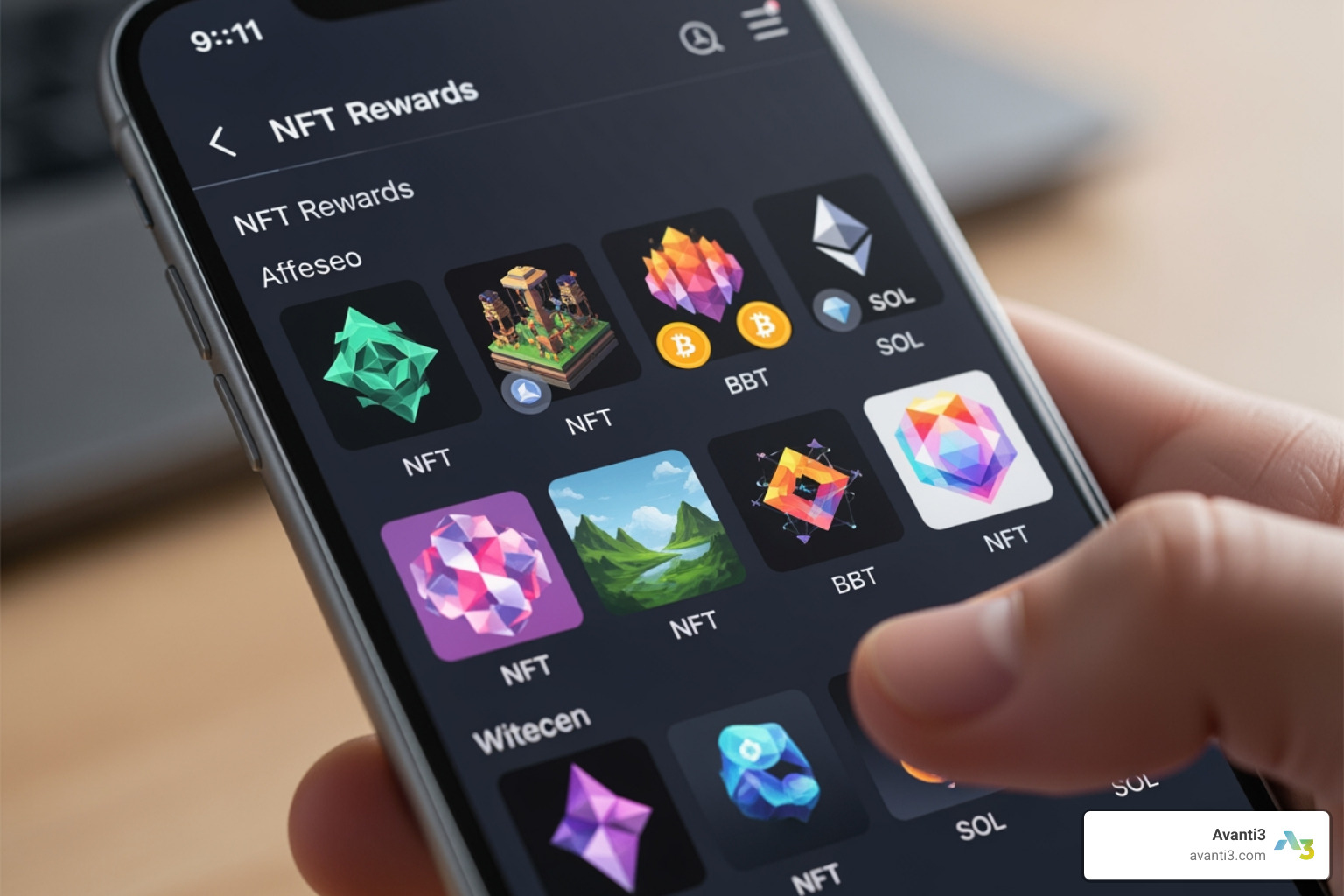
- Non-Fungible Tokens (NFTs): Unique digital assets perfect for representing exclusive memberships, digital collectibles, or one-of-a-kind experiences. Brands can issue NFTs as rewards for reaching loyalty tiers or participating in events, granting access to exclusive content or perks. For example, a cinema chain might offer its top-tier members rare digital art pieces as rewards.
- Dynamic NFTs (dNFTs): An evolution of NFTs whose appearance and benefits can change based on user activity. A dNFT could “level up” as a customer engages more with a brand, visually representing their loyalty progress. Reddit’s Collectible Avatars show the potential for avatars to change based on user status.
- Token-Gated Access: This model uses tokens or NFTs as a “key” to open up exclusive content, communities, or products. Holding a specific asset in a wallet could grant access to a private Discord channel or early product drops.
- Experiential Rewards & Gamification: Web3 can gamify the entire customer journey. Starbucks Odyssey, for example, had members engage in ‘Journeys’ to earn collectible NFTs and points for exclusive benefits.
These archetypes enable brands to craft creative loyalty experiences that drive Digital Brand Engagement.
Real-World Success and Key Learnings
While the Loyalty program Web3 space is still new, early examples from pioneering brands offer crucial lessons.
Successful Approaches:
- Digital Collectibles as Rewards: Brands like Adidas and Lacoste have found success offering digital wearables and evolving NFTs. These initiatives create exclusivity and gamify engagement, allowing users to express their brand affinity in digital spaces.
- Crypto-Native Rewards: Some programs reward users with crypto tokens for activities like dining out or shopping online. The most successful of these make the Web3 experience feel familiar to Web2 users, reducing the barrier to entry by simplifying the process of earning and redeeming crypto.
Key Learnings from Pitfalls:
- Avoid Onboarding Friction: A crypto rewards program from Burger King struggled because it required users to complete a complex, multi-step registration with a financial partner. The lesson: onboarding must be frictionless. Don’t make users jump through hoops.
- Ensure a Clear Value Proposition: The Starbucks “Odyssey” program, while innovative, was criticized for its complexity. Its NFT ecosystem was separate from the main loyalty app and didn’t offer enough value to justify the extra effort for many users. The lesson: Web3 features must be seamlessly integrated and offer compelling, unique benefits.
Successful programs prioritize utility, ease of use, and integration. They use gamification and experiential rewards to foster genuine Digital Fan Engagement.
Building a Frictionless and Engaging Program
Launching a successful Loyalty program Web3 is about crafting a superior customer experience, which means addressing potential friction head-on.
Addressing Onboarding Friction:
To make Web3 accessible, brands must abstract away the complexity. This can be achieved by:
- Simplifying Wallet Creation: Create wallets for users behind the scenes, allowing them to sign up with familiar methods like email or social accounts.
- Abstracting Gas Fees: Sponsor blockchain transaction fees so users don’t have to worry about them.
- Using Clear Communication: Focus on the benefits, not the jargon. Use terms like “digital collectible” instead of “NFT.”
- Ensuring Seamless Integration: The Web3 experience should feel like a natural extension of the brand’s existing digital presence.
Fostering Engagement Beyond Transactions:
Once customers are onboarded, the goal is to build a strong community:
- Gamify Participation: Use quests, challenges, and dynamic NFTs that level up with activity to make engagement fun.
- Build Community: Use token-gating to create exclusive communities where loyal customers can connect and feel a sense of belonging.
- Empower Your Members: Consider DAO-like structures that allow loyal customers to vote on brand initiatives, giving them a real voice and a sense of ownership.
- Offer Unique Utility: Provide rewards beyond discounts, such as exclusive digital merchandise, early access, or real-world events.
By focusing on user experience and community, brands can create loyalty programs that are both effective and delightful. This approach is central to our Community Building Platforms at Avanti3.
The Future is Owned: Embracing the Next Generation of Loyalty
The landscape of customer engagement is evolving. Traditional loyalty programs are struggling, and the rise of Loyalty program Web3 signals a fundamental shift from transactional points to a model built on true ownership, transparency, and community.
The future of loyalty isn’t about points that belong to a brand; it’s about empowering customers with digital assets they truly own. This transforms the customer from a passive consumer into an active stakeholder and a passionate advocate. When customers have a tangible stake in your ecosystem, their loyalty deepens.
This is where we at Avanti3 come in. We integrate Web3 technologies like NFTs, blockchain, and AI to empower brands with customizable engagement tools. Our mission is to help you create unique digital experiences, robust rewards systems, and vibrant communities.
Embracing Web3 loyalty is about adopting a new philosophy—one where customers are valued, empowered, and part of your brand’s journey. The future is owned, and it’s time for your brand to be a part of it.
Explore our Digital Engagement Solutions and find how we can help you build the next generation of loyalty for your customers.