


Why NFT Marketing Strategy is Essential for Modern Brands
An NFT marketing strategy is a plan that uses non-fungible tokens—unique digital assets on a blockchain—to build brand awareness, engage customers, and create new revenue. An effective strategy includes:
- Clear Objectives: Define your goal (e.g., brand awareness, revenue, community building).
- Target Audience: Identify and understand your audience, from crypto-natives to Web3 newcomers.
- Compelling Utility: Offer real value beyond collectibles, like exclusive access or VIP experiences.
- Multi-Channel Promotion: Use social media (Twitter, Discord), influencers, and NFT marketplaces.
- Community Building: Foster ongoing engagement with exclusive content and holder benefits.
- Measurable KPIs: Track sales volume, secondary market activity, and ROI.
The NFT market exploded from $95 million in 2020 to $25 billion in 2021, with projections reaching $60 billion by 2031. Nearly 40% of businesses using NFTs report the best ROI of any marketing channel, and 64% of marketers see higher customer engagement. Brands like Nike have generated over $185 million from NFT sales, proving this is a fundamental shift in digital value creation.
However, most projects fail by focusing on hype over real utility and community. With millions of collections on OpenSea, success requires creating authentic experiences that resonate, whether it’s exclusive event access, phygital products, or gamified loyalty programs.
I’m Samir ElKamouny. I’ve seen emerging tech transform brand engagement, and NFTs offer a powerful opportunity. Let’s build a strategy that creates lasting value.
The New Frontier of Brand Engagement: What is NFT Marketing?
NFT marketing uses non-fungible tokens (NFTs) to achieve business goals. An NFT is a unique digital asset on a blockchain, acting as a digital certificate of ownership for items like art or music. Unlike fungible cryptocurrencies, each NFT is one-of-a-kind, giving it unique value for marketing.
Blockchain provides a secure, transparent record of ownership, a game-changer in a world of easy digital replication. This allows brands to create exclusive experiences and deeper customer connections.
The rise of NFTs is undeniable—Collins Dictionary named it the 2021 Word of the Year. The market is projected to hit $60 billion by 2031. With nearly 40% of businesses reporting top-tier ROI and 64% of marketers seeing higher engagement, an effective NFT strategy is becoming crucial for brands to stay competitive.

Why NFTs are a Game-Changer for Marketers
NFTs are powerful marketing tools, offering brand awareness, engagement, and new revenue. Their core appeal is creating digital scarcity and verifiable authenticity, a sense of rarity that resonates with consumers in a world of digital abundance.
Backed by the blockchain, this scarcity fosters authenticity. An NFT’s transparent and immutable history makes it ideal for building brand trust through genuine, exclusive experiences.
Marketers can tap new revenue streams, including royalties from secondary sales. NFTs also open up novel ways to offer exclusive experiences like VIP access or special launches, driving deep digital fan engagement and brand loyalty. Owning a piece of a brand’s history or a key to a members-only community is the power of NFTs in action.
As consumers move to digital spaces, NFTs offer a fresh approach. A remarkable 64% of marketers reported higher customer engagement with Web3 and NFT initiatives, proving their power to capture attention and foster deeper connections.
How Brands Leverage NFTs for Engagement
Brands from luxury fashion to fast food are using NFTs to boost engagement, build communities, and create memorable experiences.
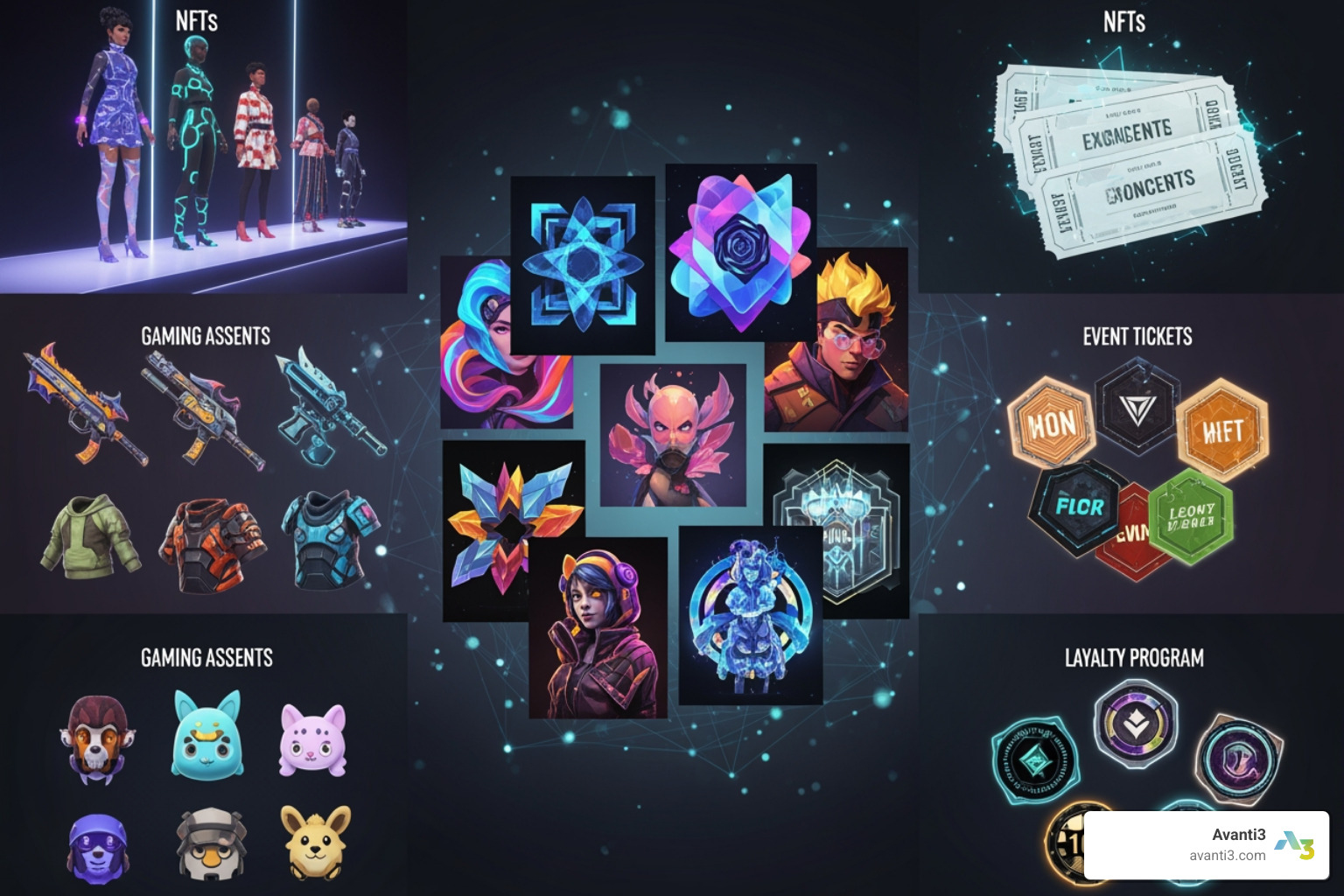
Common applications include limited-edition collectibles, VIP access to exclusive events, gamification to make brand interaction fun, and “phygital” items that link physical products to digital NFT twins.
The fashion industry is a trailblazer. Dolce & Gabbana sold a collection for $5.7 million. Nike, after acquiring RTFKT, earned over $185 million from NFTs. Adidas raised $22 million with its ‘Into The Metaverse’ collection. Other luxury brands like Louis Vuitton, Burberry, and Gucci have launched NFT games and collaborations, proving how NFTs improve digital brand engagement.
It’s not just luxury. Taco Bell’s Taco NFTs sold out in minutes, with one reselling for $187K. Coca-Cola auctioned NFTs for $575K for charity, and Robert Mondavi Winery used them to ensure wine authenticity. These cases show NFTs can create buzz, revenue, and customer connections in any industry.
Building a Winning NFT Marketing Strategy from the Ground Up
A successful NFT marketing strategy requires building with intention, not just chasing trends. Like building a house, you need a solid foundation first.
Your journey begins with a clear roadmap. Define your objectives: are you aiming for brand awareness, customer loyalty, new revenue, or community building? Your goals will guide every decision.
Next, understand your target audience. Crypto-natives and Web3 newcomers need different approaches. Understanding their motivations is critical for a project that resonates.
Then, define your value proposition. Your NFT must offer real, long-term utility beyond digital art. This utility—like exclusive access, discounts, or special content—is what makes it compelling.
Storytelling is also powerful. A compelling narrative creates an emotional connection, helping your project stand out. Explain why your NFT exists and the journey holders will join.
Building pre-launch hype is essential. Strategically tease your project to engage potential holders and build anticipation before the launch.
Finally, choose a blockchain. Consider factors like fees and environmental impact. While Ethereum is popular, eco-friendly options like Solana are gaining traction. For a bespoke experience, consider custom NFT Marketplace Development.
The Core Components of Your NFT Marketing Strategy
A winning NFT marketing strategy rests on five interconnected pillars.
- Define Clear Objectives: Know what success looks like. Are you targeting revenue (tracking sales and royalties), brand awareness (measuring reach and mentions), or community growth (monitoring engagement)? Clear KPIs are your North Star.
- Create a Compelling Concept & Utility: Your NFT must offer tangible, long-term benefits beyond being a collectible. Think exclusive access, in-game assets, or a voice in brand decisions. The utility should ideally grow in value over time.
- Develop a Multi-Channel Promotion Plan: Promote your NFT across multiple platforms. Use Twitter for broad crypto conversations, Discord for community building, and TikTok for viral reach. Crypto influencers can amplify your message, and don’t neglect SEO, email, and paid ads.
- Plan the Minting Process & Drop Mechanics: A smooth launch is crucial. Choose your blockchain and minting platform (e.g., OpenSea, Magic Eden), set your price, and time the drop carefully. Balance scarcity and accessibility, and ensure your listing has high-quality visuals and detailed metadata.
- Foster Post-Launch Community Engagement: The launch is the starting line. Keep your community engaged with ongoing communication, exclusive content, and holder benefits. Turn buyers into brand advocates to create sustainable value.
Building and Nurturing Your Web3 Community
In Web3, community is the foundation of success. Your goal is to turn passive collectors into active advocates and co-creators of your brand’s future.
Vibrant Web3 communities thrive on Discord, Twitter, and Telegram. Discord is the headquarters for deep conversations, Twitter is the megaphone for announcements, and Telegram offers real-time, direct communication.
Ask Me Anything (AMA) sessions on Discord or Twitter Spaces are essential for building trust. They allow your team to interact directly with holders, answer questions transparently, and share updates.
Exclusive content, like sneak peeks or holder-only digital assets, provides ongoing value and keeps your community engaged.
Holder benefits turn an NFT into an evolving relationship. Offer VIP access, early drops, voting rights, or airdrops. The Bored Ape Yacht Club mastered this, creating an exclusive culture that became the product itself.
Establish clear feedback loops. Listening to your community makes them feel valued and provides priceless insights. Our expertise in digital community building and Web3 community management helps brands build these thriving ecosystems.
Measuring ROI and Navigating Challenges
To measure the success of your NFT marketing strategy, track concrete KPIs, not just vibes. Key indicators include sales volume, secondary market activity (floor price, trading volume), engagement rates, website traffic, and brand mentions.
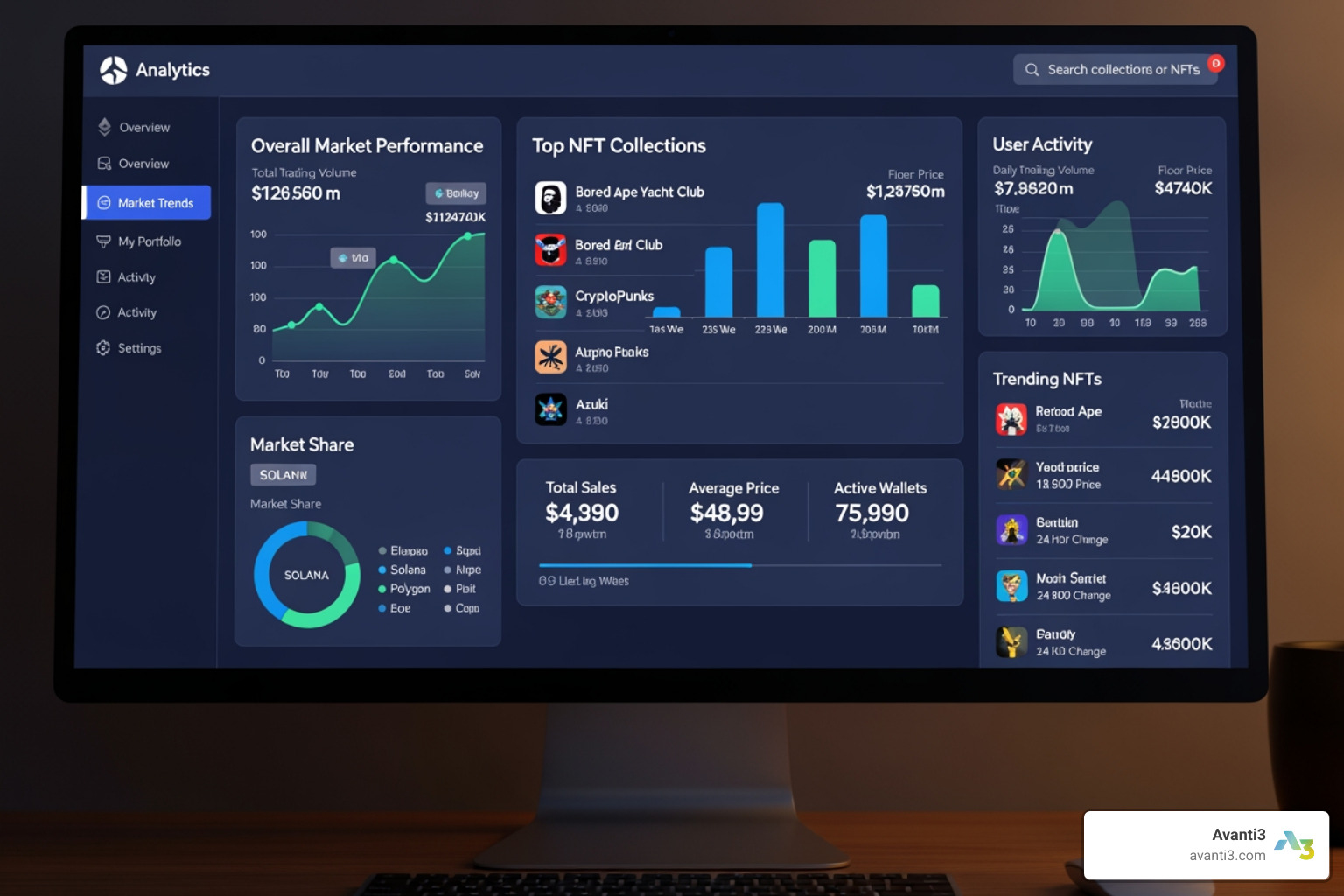
However, the NFT space has significant challenges.
Market volatility is real. NFT prices can swing wildly, so be transparent with your community about these risks to build trust.
Security risks are prevalent. It’s your responsibility to educate your community on security best practices, like using hardware wallets and recognizing phishing attempts.
Environmental concerns are a major consideration. Ethereum-based NFTs have a significant carbon footprint (approx. 100 kg of carbon dioxide per transaction), a major issue for conscious brands.
Solutions exist. Proof-of-Stake blockchains like Solana are far more energy-efficient. We guide clients to sustainable solutions that align with their brand values. An eco-conscious NFT marketing strategy is not just ethical—it’s smart business.
The Future of Digital Engagement and Your Brand
The world of NFT marketing strategy is evolving rapidly. The next wave of innovations will transform how brands connect with audiences.
AI Integration: Artificial intelligence is revolutionizing NFT creation and marketing. AI can predict trends, personalize messages, and generate unique digital art. Our AI digital marketing services help brands create these personalized experiences.
AR/VR Experiences: Immersive experiences are on the rise. Augmented reality NFTs bring digital collectibles into the real world, while VR enables virtual concerts and events. These create lasting customer memories.
Sophisticated Gamification: Gamification is evolving from simple points to rich, interactive experiences. NFTs can act as characters, power-ups, or keys, turning customers into active participants in the brand’s story.
Token-Gated Commerce: This is gaining serious momentum. An NFT can act as a permanent VIP card, granting holders exclusive access to products and discounts, creating a loyal tier of super-fans.
The Metaverse: As virtual worlds grow, NFTs will be the foundation of digital ownership. Brands are already building virtual storefronts and experiences in platforms like Decentraland. An NFT can be virtual land, an avatar outfit, or an event ticket.
At Avanti3, we build the infrastructure for these future trends. We integrate Web3 technologies—NFTs, blockchain, AR/VR, and AI—to empower brands with customizable engagement tools. Our platform enables unique digital experiences, rewards, and community building.
The brands that thrive will be those that create genuine value and authentic communities. Now is the time to explore how an innovative NFT marketing strategy can position your brand for the future.
Ready to take the leap? Learn more about digital engagement platforms and let’s craft a strategy that sets trends. The future of brand engagement is being written now—be part of the story.