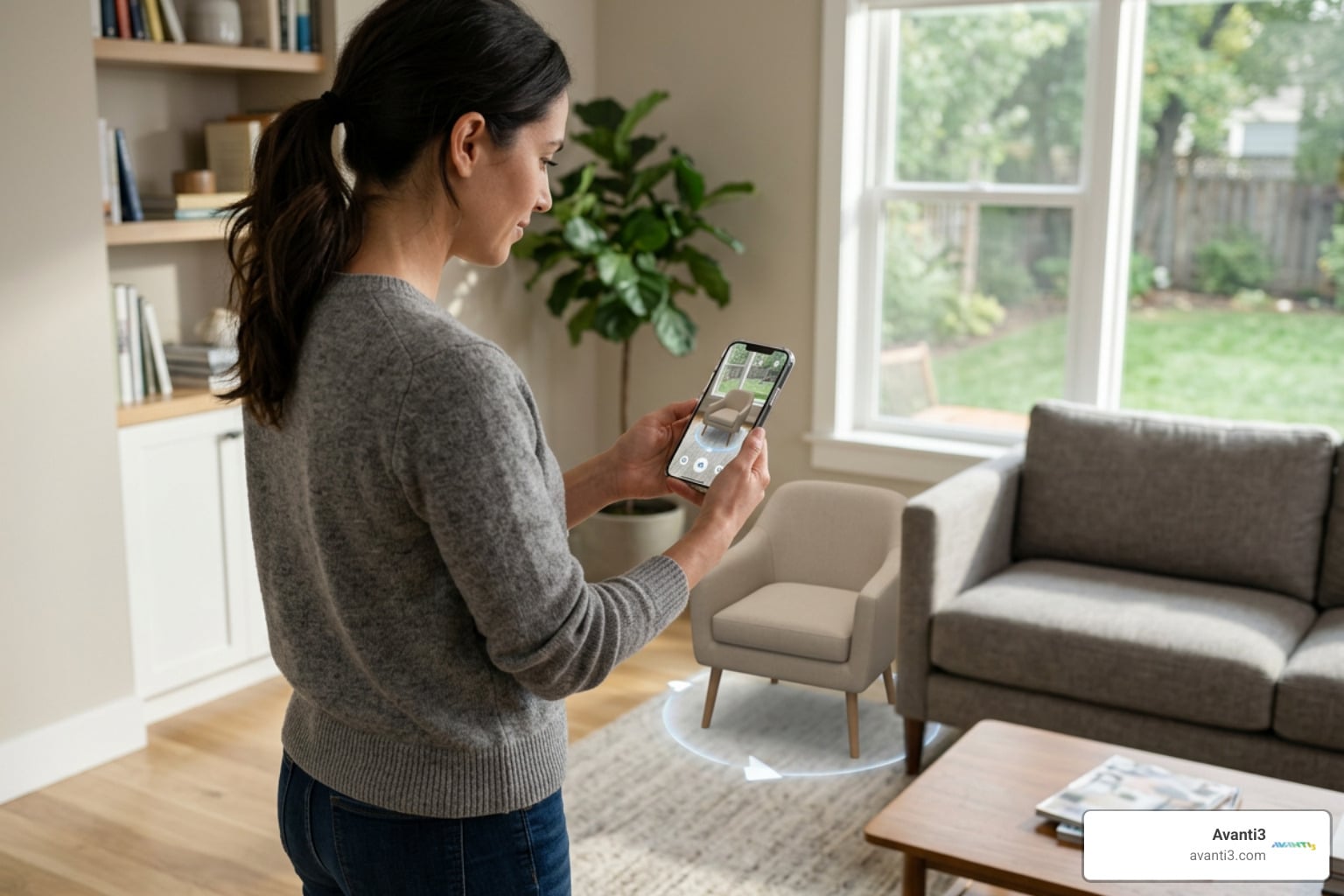


Introduction: Stepping into the Digital Canvas
A virtual reality exhibition is an immersive digital experience that allows visitors to explore art, history, and culture through VR headsets or web browsers. Unlike traditional museums, these exhibitions offer:
- Global accessibility – Visit world-class collections from anywhere, anytime
- Interactive engagement – Manipulate objects, explore artist studios, and experience art at true scale
- Extended lifespan – Keep temporary exhibitions alive long after physical installations end
- Barrier-free access – No travel costs, mobility challenges, or geographic limitations
The art world is moving beyond physical walls. Museums like the Louvre, Musée d’Orsay, and Smithsonian are embracing VR to create immersive tours and interactive exhibits that transport visitors to new dimensions. With VR, you can step inside Van Gogh’s creative process, examine the Mona Lisa’s brushstrokes up close, or explore collections that exist only in digital space.
This shift isn’t just about technology—it’s about democratizing access to culture. VR exhibitions run 24/7, reach global audiences, and offer storytelling possibilities that physical spaces can’t match. Whether you’re an artist looking to showcase your work or a curator seeking to engage audiences in new ways, virtual reality is redefining what an exhibition can be.
The Immersive Museum: Exploring the Virtual Reality Exhibition
At its core, a virtual reality exhibition is a simulated experience that transcends physical limitations, allowing us to engage with art and culture in entirely new ways. It’s an opportunity to step into a 3D environment where art comes alive, changing passive viewing into active participation. Museums and galleries are leveraging VR to breathe new life into their collections, letting visitors explore ancient ruins from their living room or examine a delicate sculpture from every angle.
Redefining Access and Engagement: The Benefits of VR
The advantages of embracing virtual reality exhibitions are profound. They eliminate geographical barriers, making a masterpiece in Paris accessible to someone in Tokyo at any time. This global, 24/7 availability extends a cultural institution’s reach far beyond its physical walls. VR also preserves temporary exhibitions indefinitely; even after a physical show ends, its digital counterpart can continue to educate and inspire, becoming a permanent archive of cultural moments.
Furthermore, VR offers an unparalleled ability to provide context, placing artifacts back into their original environments to demonstrate their intended use or monumental scale. This leads to improved learning and a deeper appreciation of art. Instead of static labels, VR enables dynamic, interactive narratives where visitors can explore an artist’s studio or manipulate digital models. This interactivity fosters a more engaging and memorable learning experience. Finally, VR removes physical barriers for individuals with mobility challenges or those unable to travel, making world-class art more inclusive and accessible to all.
While some worry about the impact on traditional museum attendance, virtual reality exhibitions are not intended to replace existing models but to complement them. They offer a different, often deeper, way of engaging and can even spark interest in visiting the physical location.
Pioneering Digital Curation: Notable VR Exhibition Examples
The global museum community has produced a fascinating array of virtual reality exhibition examples that showcase the technology’s impact:
-
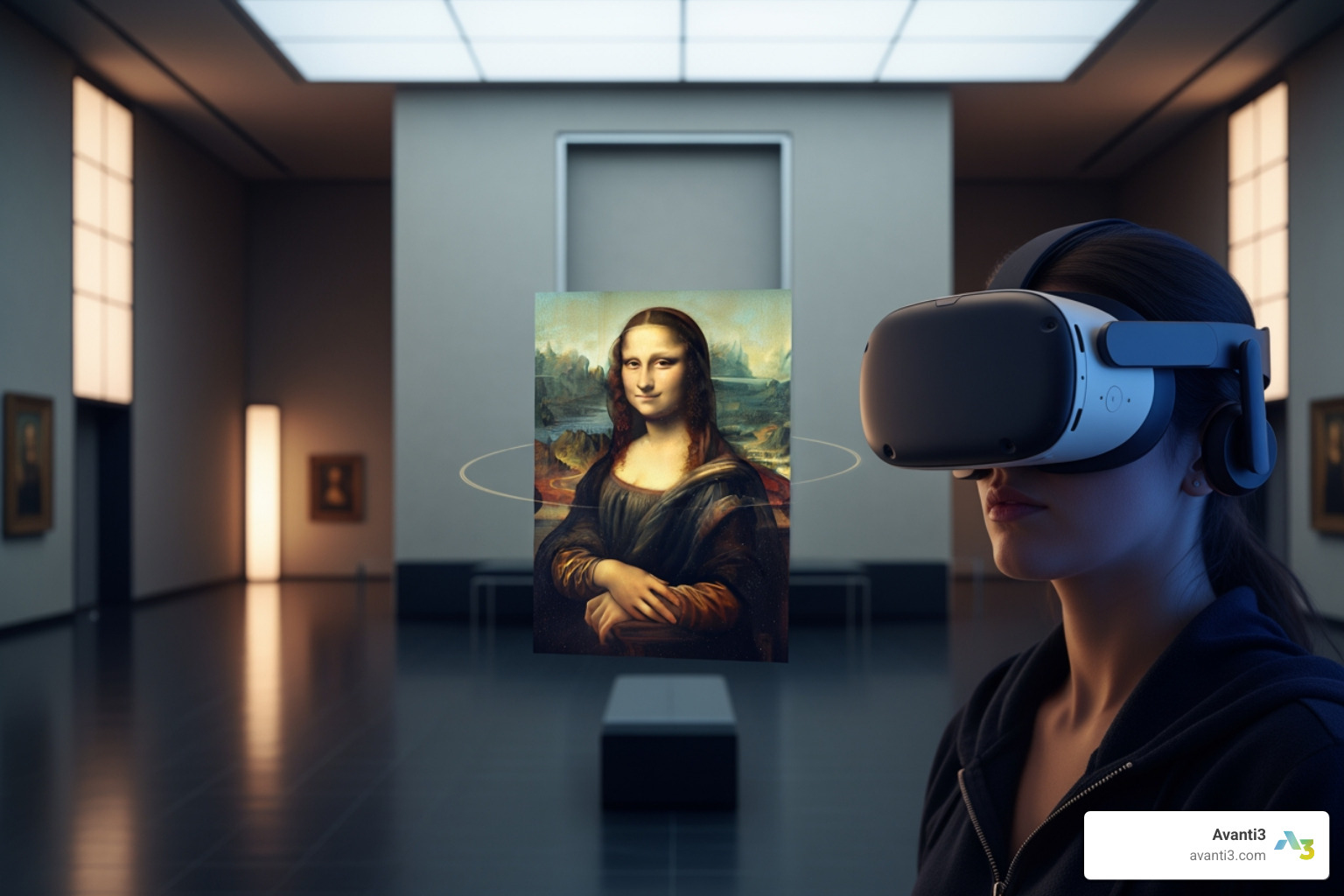
The Louvre’s ‘Mona Lisa: Beyond the Glass’: This famous VR experience allowed visitors to explore the Renaissance painting in unprecedented detail, offering unique insights and historical context away from the crowds. You can learn more about this groundbreaking project here: Louvre’s ‘Mona Lisa: Beyond the Glass’.
-
Musée d’Orsay’s Immersive Experiences: The Musée d’Orsay has used VR to create immersive journeys into Van Gogh’s creative world and to allow visitors to relive the first Impressionist exhibition in 1874 through a carefully researched historical recreation.
-
The Smithsonian and ‘No Spectators: The Art of Burning Man’: The Smithsonian’s VR component for this exhibition allowed visitors to experience the event’s spirit and scale. The VR experience remains available, demonstrating how virtual platforms can extend the life of temporary installations.
-
Tate Modern’s Modigliani Retrospective VR: London’s Tate Modern created a 3D model of the artist’s Paris studio, offering an intimate glimpse into his creative environment and placing his work in its original context. Explore the Modigliani VR exhibit: Tate Modern’s Modigliani VR exhibit.
-
The Kremer Museum – A Virtual-Only Institution: This radical example showcases over 70 Dutch and Flemish old masters in a museum that exists only in VR. It’s a testament to the idea that a virtual reality exhibition can be a primary, not just supplementary, mode of display. You can dig into this unique concept here: The Kremer Museum.
Navigating the Digital Frontier: Challenges and Solutions
While the promise of virtual reality exhibitions is immense, implementation has its challenges:
-
High Costs: High-quality VR headsets and the specialized development of VR programs can be a significant investment.
- Solution: The trend towards more affordable, standalone headsets and the rise of no-code platforms are lowering costs. These tools can help museums design and publish VR features without needing a full in-house development team.
-
Hardware and Hygiene: Shared VR headsets are subject to wear and tear, and hygiene is a critical concern, especially in a post-pandemic world.
- Solution: Robust hardware choices, regular maintenance, and strict cleaning protocols using disposable sanitary covers are essential to ensure a safe and seamless visitor experience.
-
Simulation Sickness: Some users find their first experience of VR unsettling or even nausea-inducing.
- Solution: Content creators can mitigate this by designing experiences with smooth locomotion and fixed points of reference. Offering comfortable seating and clear instructions also helps visitors acclimatize.
-
Technical Expertise: Developing engaging VR exhibitions requires specialized skills that many museums may not have in-house.
- Solution: Collaborating with external AR/VR agencies provides access to experienced professionals. Additionally, user-friendly tools and templates are becoming more common, making it easier for institutions to create their own VR content.
VR vs. AR: Understanding the Technology in Art
Immersive technologies include both Virtual Reality (VR) and Augmented Reality (AR). While both improve our perception of reality, they do so in fundamentally different ways.
| Feature | Virtual Reality (VR) | Augmented Reality (AR) |
|---|---|---|
| Immersion Level | Fully immersive; replaces your view of the real world. | Partially immersive; overlays digital content onto the real world. |
| Environment | Creates an entirely digital, simulated environment. | Improves the real-world environment with digital information. |
| Hardware | Typically requires a dedicated headset (e.g., Meta Quest, HTC Vive). | Often uses smartphones, tablets, or smart glasses. |
| Interaction | Users are fully “inside” the digital world, interacting with virtual objects. | Users interact with digital elements that appear to be in their physical space. |
| Primary Use | Transporting users to a new, entirely digital space. | Providing additional context or interactive elements in the user’s existing environment. |
| Art Use Case | Exploring a virtual museum, stepping into an artist’s studio, historical reconstructions. | Overlaying information on an artwork, bringing sculptures to life in a gallery, virtual art tours in real cities. |
Virtual Reality (VR) creates a completely artificial environment, making you feel truly present in a simulated space. It’s about stepping into another world. Augmented Reality (AR), on the other hand, overlays digital information onto your view of the real world. It’s about enhancing our world.
In art exhibitions, VR excels at transporting visitors to entirely new or recreated worlds. AR is perfect for enriching a physical museum visit, providing interactive labels or 3D models of artifacts that appear on pedestals.
The Future is Framed: What’s Next for Art and Technology?
The landscape of art and technology is continuously evolving, and the virtual reality exhibition is at the forefront of this change. The future promises even more dynamic, personalized, and accessible experiences.
Evolving Canvases: The Future of the Virtual Reality Exhibition
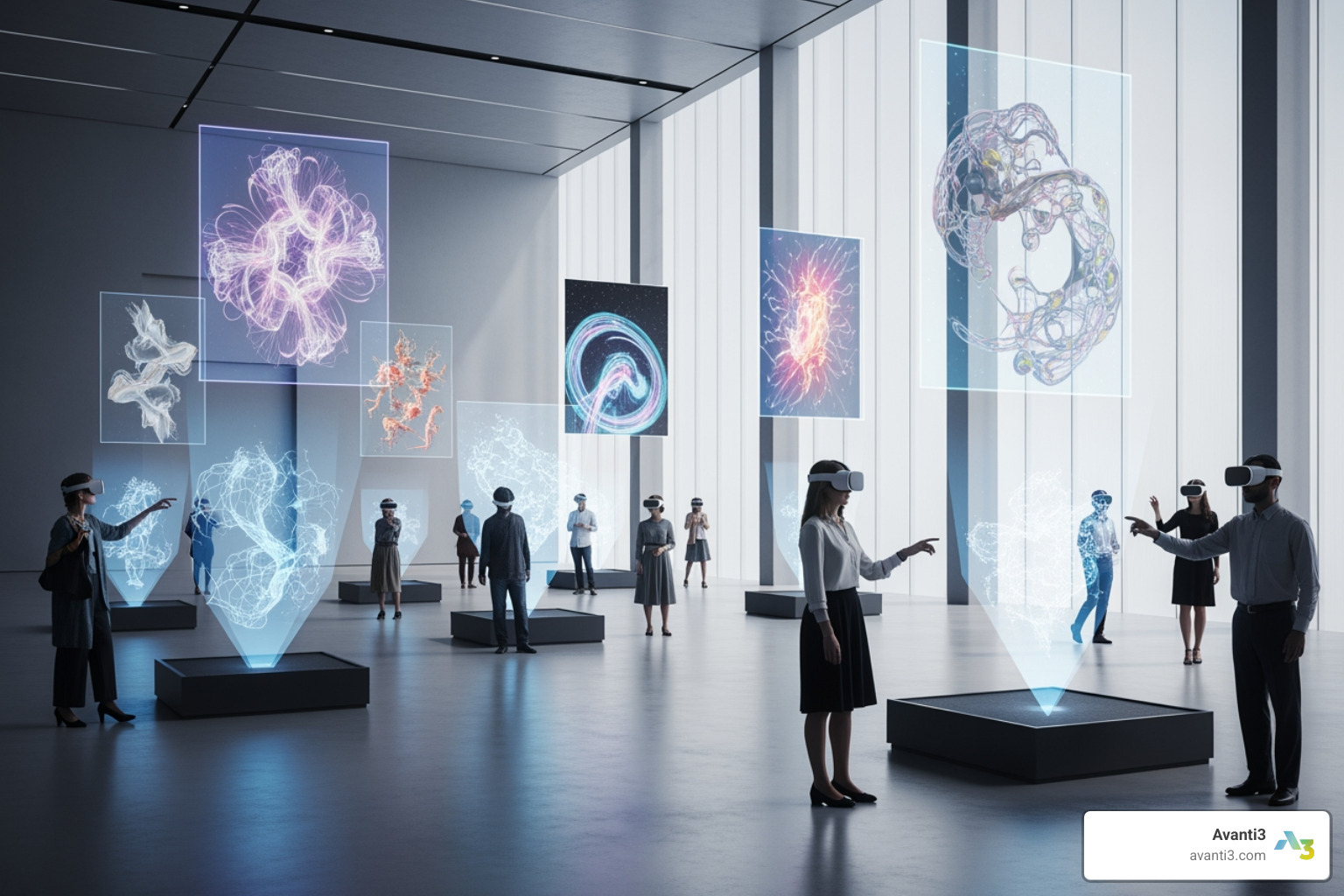
As VR technology advances, so too will its capabilities within the art and museum world. We envision a future where virtual reality exhibitions are even more sophisticated and seamlessly integrated into our cultural lives.
-
AI-Driven Curation: Imagine a future where AI assists curators in designing exhibitions or even tailors experiences to individual visitor preferences. These intelligent assistants could help artists and curators build and scale their VR showcases, leading to highly personalized art journeys.
-
No-Code Platforms and Democratized Creation: The barrier to entry for creating a virtual reality exhibition is rapidly decreasing. No-code editors enable museums of all sizes to design and publish interactive VR features by dragging and dropping assets into virtual spaces. This democratization of creation fosters an explosion of creativity.
-
Blockchain Integration for Provenance and Ownership: The intersection of VR and Web3 technologies, particularly blockchain, is set to revolutionize how art is valued. Registering art on a secure blockchain ensures provenance tracking, authenticity, and ownership in a world of easily replicated digital assets. We can expect more immersive NFT exhibitions and secure trading of digital artworks directly within VR environments.
-
Improved Interactivity and Sensory Experiences: Future VR will move beyond visual and auditory immersion. Haptic feedback and other sensory cues could be integrated, creating truly multi-sensory experiences where you might “feel” the texture of a digital sculpture.
-
Complementing Physical Visits: Virtual reality exhibitions will continue to grow in sophistication, but they will primarily complement, rather than replace, traditional museum attendance. VR serves as a powerful tool for pre-visit engagement, post-visit reflection, and for reaching audiences who could otherwise never visit, broadening access and sparking interest.
Empowering Creators in the New Digital Art Space
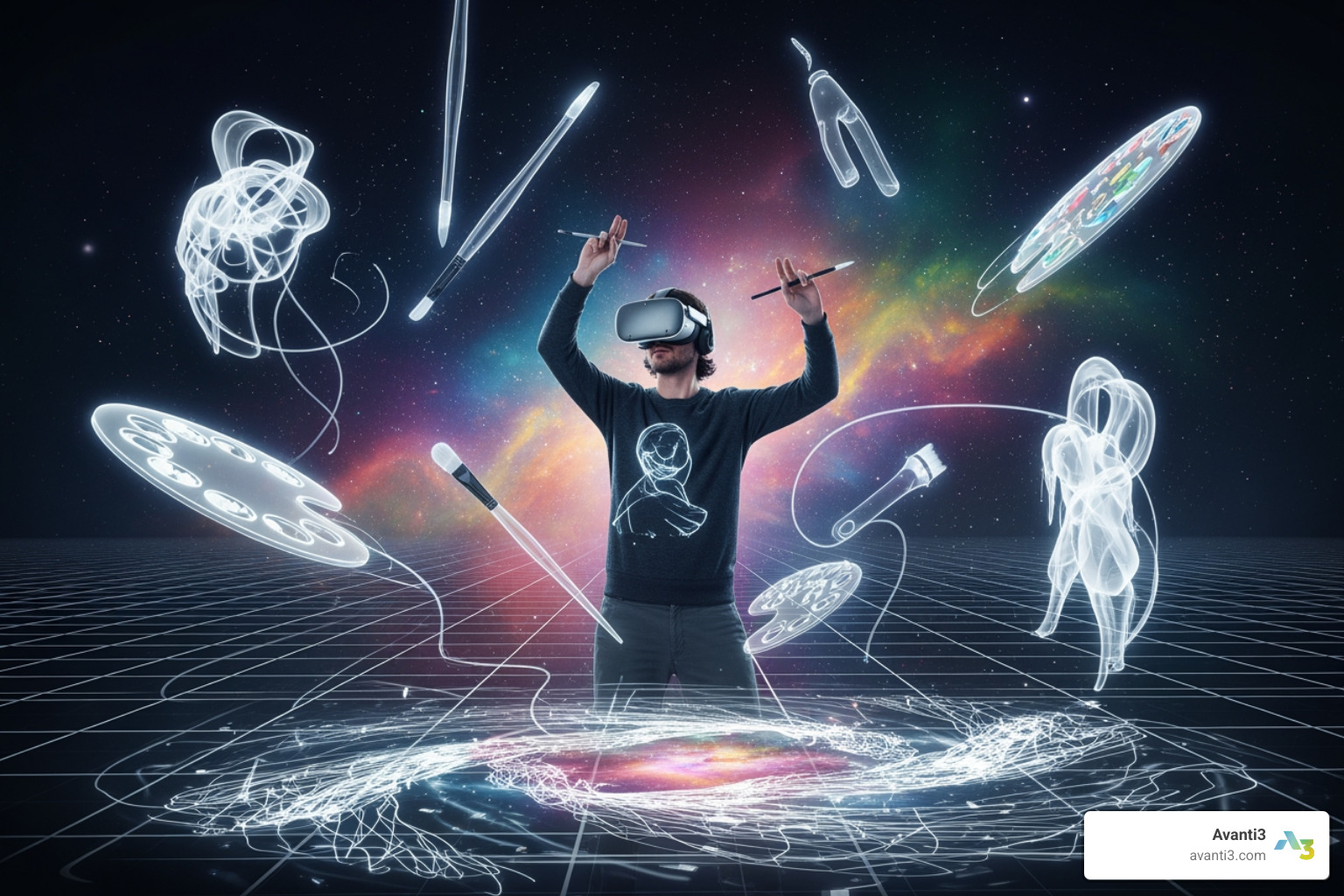
The rise of the virtual reality exhibition is also about empowering individual artists and creators with unprecedented opportunities to showcase work and connect with audiences.
-
Creator Platforms and Infinite Galleries: Creator platforms are building infinite virtual gallery spaces where artists can present their collections in VR exhibitions. This frees artists from the physical constraints of gallery space, allowing them to curate their own shows and reach a global audience directly with immense creative freedom.
-
Monetization and NFT Digital Art Sales: The integration of Non-Fungible Tokens (NFTs) is changing how digital art is bought and sold. A virtual reality exhibition can become a dynamic marketplace where artists mint their creations as NFTs, establish verifiable ownership, and impress potential buyers. This opens up new revenue streams and greater financial independence.
-
Building Communities and Direct Engagement: VR platforms foster direct connections between artists and their audience. Viewers can chat with creators in virtual spaces, exchange ideas, and build a loyal following. Artists can host virtual openings and Q&As, offering intimate experiences that transcend geographical boundaries.
The future of art is collaborative, immersive, and digitally empowered. For artists, galleries, and cultural institutions looking to step into this new era, the possibilities for creating groundbreaking virtual reality experiences are just beginning to be explored.