

How to Get Paid for YouTube Shorts: The Complete Monetization Guide
Get paid for YouTube Shorts by joining the YouTube Partner Program and meeting eligibility requirements. Here’s the quick breakdown:
Fast Answer: 3 Ways to Start Earning
- Ad Revenue Sharing – Join YPP with 1,000 subscribers + 10 million Shorts views (90 days), earn 45% of allocated ad revenue
- Fan Funding – Enable Super Thanks with 500 subscribers + 3 million Shorts views (90 days)
- Alternative Income – Use affiliate links, brand deals, or product sales in your Shorts
Expected Earnings: $0.01-$0.06 per 1,000 views (roughly $10-$60 per million views)
If you’ve been creating YouTube Shorts, you’ve likely noticed that viral view counts don’t always translate to a full bank account. The reality is that Shorts pay significantly less than long-form videos. For example, one creator earned just $99.87 for 3.1 million views.
But that’s not the whole story. With YouTube Shorts averaging 70 billion views daily, their true power isn’t just ad revenue—it’s their role as the platform’s best “findy engine.” Think of Shorts as your digital business card: quick, memorable, and designed to funnel viewers toward where the real money is made—long-form content, brand deals, and products.
The creators making serious money from Shorts use them as the top of their marketing funnel, not the end goal. Understanding how to get paid for YouTube Shorts requires a strategy that goes beyond chasing ad pennies. It’s about building a system where every short video drives your business forward. Let’s break down how it works.
What Are YouTube Shorts and Why Should You Care?
YouTube Shorts are vertical videos up to 60 seconds long (though some can be longer), designed to compete with platforms like TikTok. So, why should creators care? The scale is staggering: Shorts generate over 70 billion views daily, offering access to a massive, engaged audience.
For creators, Shorts are powerful “findy engines.” They are one of the best ways to get finded, grow your audience, and attract new subscribers. While direct ad revenue is modest, their ability to introduce your channel to a vast new audience is best.
Industry reports confirm that short-form video offers a higher return on investment and is preferred by 78% of consumers for learning about products. This highlights the power of Shorts for entertainment, education, and conversion.
Their value extends far beyond ad revenue. Shorts are a cornerstone of modern audience growth and a vital tool for any creator looking to get paid for YouTube Shorts through a diversified strategy.
The Core Monetization Model: How to Get Paid for YouTube Shorts
The primary way to directly get paid for YouTube Shorts is through the YouTube Partner Program (YPP) and its ad revenue-sharing model. The mechanics for Shorts are different from long-form videos, so let’s break it down.
Step 1: Meeting the YouTube Partner Program (YPP) Eligibility
To monetize your Shorts, you must join the YouTube Partner Program (YPP). Some creators achieve this in as little as a week. There are two main eligibility tiers:
-
Accessible YPP Tier (for Fan Funding):
- 500 subscribers
- 3 valid public uploads in the last 90 days
- Either 3 million public Shorts views (last 90 days) OR 3,000 public watch hours on long-form videos (last 12 months)
-
Full YPP Tier (for Ad Revenue):
- 1,000 subscribers
- Either 10 million public Shorts views (last 90 days) OR 4,000 public watch hours on long-form videos (last 12 months)
Beyond these metrics, your channel must strictly adhere to YouTube’s policies:
- Content Policies: Follow the YouTube Channel Monetization Policies, which prohibit repetitious or reused content. YouTube rewards original, valuable videos.
- Guidelines & Rules: Comply with Community Guidelines, Terms of Service, and Copyright rules.
- AdSense & Security: You need a linked AdSense account, no active Community Guidelines strikes, and Two-Step Verification enabled.
- Location: You must reside in a country where the YPP is available.
Content like unedited clips from movies, re-uploads of others’ content, or compilations without original commentary will likely be rejected. Focus on creating original content to ensure you’re eligible.
Step 2: Understanding the Ad Revenue-Sharing Model
Once in the YPP, it’s crucial to understand how Shorts monetization works, as it differs from long-form videos.
Here’s the simplified 4-step process:
- Ad Revenue Pooling: YouTube pools all revenue from ads shown between videos in the Shorts Feed.
- Music Licensing Costs: A portion of the pool is first set aside to cover music licensing. If your Short uses one music track, half the revenue associated with its views goes to licensing; if it uses two, two-thirds does. Shorts with no music contribute their full view-based revenue to the next step.
- Creator Pool Allocation: The remaining money forms the “Creator Pool.” This is allocated to monetizing creators based on their share of total views in their country.
- Creator Revenue Share: You keep 45% of the revenue allocated to you from the Creator Pool. YouTube retains 55%. This 45% share is fixed, regardless of music use.
A common misconception is that creators get 45% of the total ad revenue. Instead, it’s 45% of your allocated share from the Creator Pool after music costs are deducted.
You also earn from YouTube Premium subscribers who watch your Shorts, based on the same 45% share model.
Step 3: How Much You Can Get Paid for YouTube Shorts
Now for the million-dollar question: How much can you actually get paid for YouTube Shorts? The key metric is RPM (Revenue Per Mille), or earnings per 1,000 views. For Shorts, the average RPM is extremely low, typically ranging from $0.01 to $0.06.
This means 1 million views might earn you between $10 and $60.
Let’s look at a real-world example:
- TubeBuddy reported earning just $99.87 for 3.1 million views on a single Short. This works out to about $32 per million views, confirming the low RPM.
To illustrate the difference, here’s how Shorts RPM compares to long-form video RPM:
| Metric | YouTube Shorts RPM (Avg.) | Long-Form Video RPM (Avg.) |
|---|---|---|
| Earnings per 1,000 views | $0.01 – $0.06 | $1.25 – $2.50 |
| Earnings per 1 Million views | $10 – $60 | $1,250 – $2,500 |
Note: Long-form video RPM can vary widely, from $1 to over $30, depending on niche and audience.
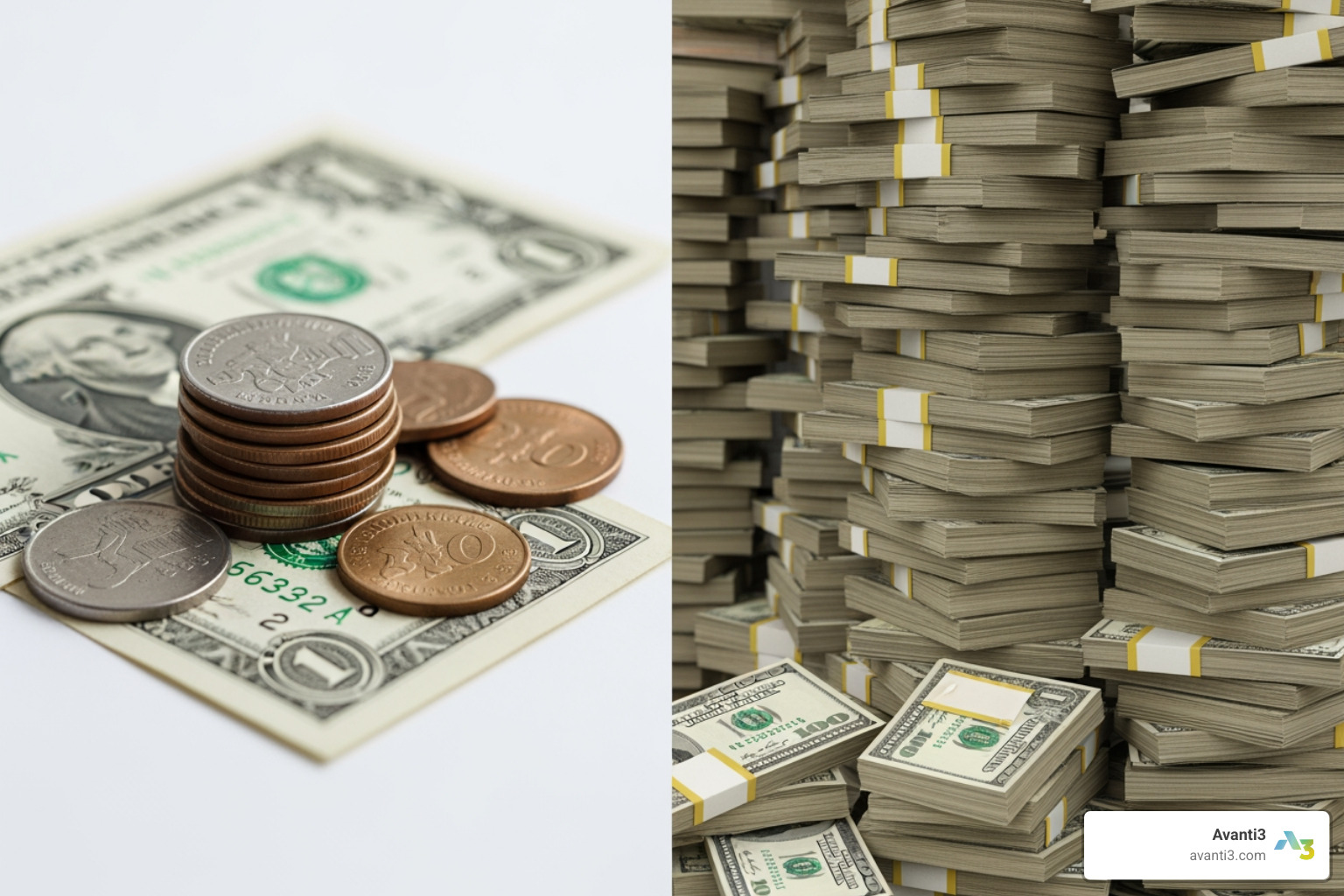
As you can see, ad earnings from Shorts are significantly lower. To make a substantial income from AdSense alone, you need tens of millions of views. This is why, for direct profit, long-form videos are superior.
However, this doesn’t diminish the value of Shorts. They are a powerful tool for audience growth, funneling viewers to more profitable content.
Beyond the Ads: Advanced Strategies for Maximizing Your Shorts Income
Since direct ad revenue from Shorts is minimal, savvy creators use them as a launchpad for more lucrative income streams. Shorts are incredible “findy engines” that get your content in front of new eyeballs fast. The goal is to leverage that attention to funnel viewers toward other ways you can get paid for YouTube Shorts.
More Ways to Get Paid for YouTube Shorts
Think of these as the “real money” opportunities that Shorts can open up:
- Fan Funding: Enable Super Thanks, Super Chat, and Super Stickers to allow your most engaged viewers to support you directly with paid comments and animations.
- YouTube Shopping: Connect your store (e.g., Shopify) via YouTube Shopping to tag and sell your merchandise. You can also promote products from other brands through the YouTube Shopping affiliate program.
- Affiliate Marketing: Place an Amazon affiliate link or other affiliate links in your pinned comment or description to earn a commission when viewers make a purchase.
- Brand Sponsorships: With the influencer market booming, brands are eager to pay creators for sponsored Shorts and user-generated content (UGC).
- Digital Products & Courses: Use Shorts to tease and promote your own e-books, online courses, or templates, driving viewers to a sales page.
- Channel Memberships: Offer exclusive content behind a paywall for your most loyal fans through Channel memberships.
- Promoting Your Longer-Form Content: This is perhaps the most strategic use of Shorts. Use them as bite-sized teasers that drive viewers to your long-form videos, which have a much higher RPM.
- Repurposing Content for Other Platforms: Don’t limit your Shorts to YouTube! Repurpose them for TikTok and Instagram Reels to expand your reach and potentially open up monetization on those platforms as well.
The old YouTube Shorts Fund was replaced by the ad-sharing model in 2023, so focusing on these diversified methods is the most sustainable path forward.
Best Practices for Creating Monetizable Shorts
To truly maximize your ability to get paid for YouTube Shorts, your content must be engaging and monetizable. Here are our best practices:
- Hook Viewers Immediately: The first 3 seconds are make-or-break. Use a bold visual or surprising statement to stop the swipe.
- Optimal Length: Aim for 15-45 seconds. High audience retention signals quality to the algorithm. Monitor your “viewed vs. swiped away” metric in analytics.
- Use Trending Audio Wisely: Trending audio can boost findability. However, using copyrighted music will impact the revenue allocated to the Creator Pool. For maximum direct payout, consider original sounds.
- Strong Call-to-Action (CTA): Every Short should have a purpose. Clearly state your CTA, verbally or with on-screen text.
- Leverage Pinned Comments: This is prime real estate! Use a pinned comment to repeat your CTA or add an affiliate link.
- Create Original Content (or Transform it): YouTube’s monetization policies are strict on reused content. If you use existing material, you must sufficiently transform it by adding significant original commentary or creative value.
- Adhere to Advertiser-Friendly Guidelines: To ensure your Shorts are monetizable, they must be compatible with advertiser-friendly content guidelines. This means avoiding inappropriate language, violence, and other sensitive topics.
- Post Consistently: Aim for 3-5 Shorts per week to stay in the algorithm’s favor and keep your audience engaged.
Conclusion: The Future of Shorts Monetization
So, can you get paid for YouTube Shorts? Absolutely. But the answer isn’t simple. Direct ad revenue is modest, but the true power of Shorts lies in their ability to act as a marketing engine.
The future of Shorts monetization is a long-term strategy where these videos serve as the top of your content funnel. They attract new audiences and skillfully direct those viewers to your more profitable long-form videos, affiliate links, merchandise, and courses. It’s about building a diversified income stream, not relying on a single source.