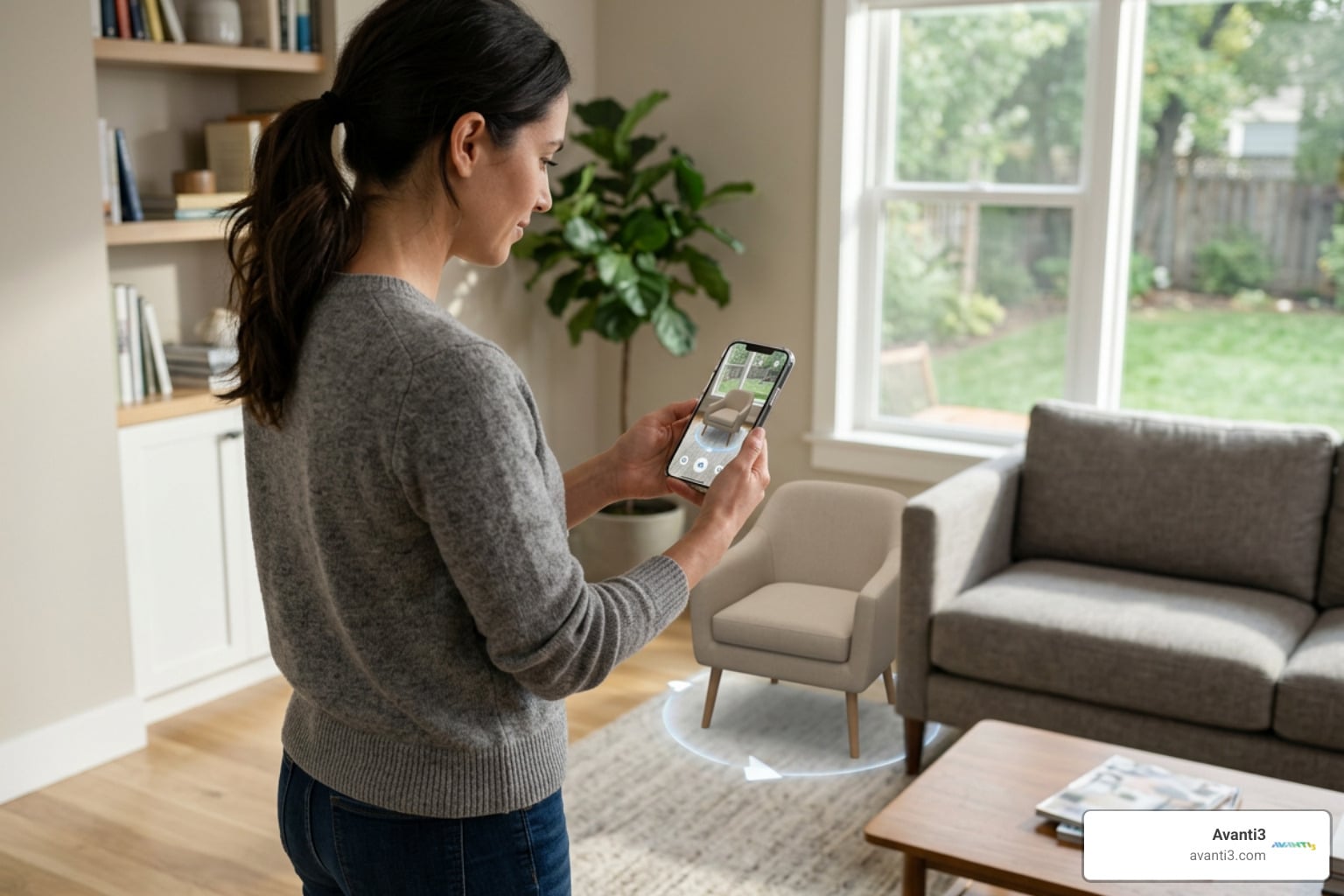


Why Finding the Right VR App Company Matters
A vr app company specializes in creating immersive three-dimensional experiences using computer-generated environments, haptic devices, and cutting-edge hardware like Meta Quest and HTC Vive. These companies transform how businesses train employees, engage customers, and deliver content across industries from healthcare to entertainment.
Quick Answer: What to Look for in a VR App Company
- Custom Development Expertise: Full-cycle services from concept to deployment
- Platform Support: Meta Quest, PCVR, mobile, and cross-platform compatibility
- Industry Experience: Proven work in your sector (education, healthcare, gaming, etc.)
- Development Tools: Unity 3D, Unreal Engine, and modern VR SDKs
- Transparent Pricing: Clear hourly rates ($25-$300/hr) and project budgets ($5K-$1M+)
- Portfolio Quality: Real client results and performance metrics
- Collaboration Model: Agile methodology with ongoing communication
The global virtual reality market is experiencing explosive growth, with Canadian VR usership predicted to reach 31 million by 2030. This surge reflects VR’s evolution from gaming novelty to essential business tool—enabling safer training simulations, immersive product demonstrations, and engaging customer experiences that traditional media simply cannot deliver.
Toronto has emerged as a particularly vibrant hub for VR innovation, with companies developing everything from aircraft engine training simulators to virtual museum tours. Whether you’re building a training platform for warehouse safety, creating an interactive product configurator, or designing a social VR experience, choosing the right development partner determines whether your vision becomes a transformative success or an expensive disappointment.
As Samir ElKamouny from Avanti3, I’ve helped scale businesses by leveraging emerging technologies like VR to create meaningful audience engagement and open up new revenue streams. Finding the right vr app company partner is about matching technical capabilities with your specific vision and business goals, which this guide will help you steer.
The Exploding World of Virtual Reality

Virtual reality (VR) is no longer a futuristic concept; it’s a rapidly expanding technology redefining how we interact with digital content. At its core, VR creates three-dimensional simulations using computer-generated data, offering highly immersive experiences that can transport you to new worlds or bring complex data to life. Imagine stepping into a virtual operating room for medical training or designing a new car in a fully interactive 3D space.
The magic of VR comes to life through specialized equipment like VR headsets and haptic devices. These tools work together to simulate reality, engaging multiple senses to convince your brain you’re truly “there.” For a technical definition, Statista provides a great overview of Virtual reality.
This powerful technology is used across a vast array of applications. In healthcare, VR trains surgeons and therapists in risk-free environments. Education benefits from immersive learning modules that make abstract concepts engaging. Entertainment is a natural fit, with VR gaming and interactive stories pushing media boundaries. We’re also seeing VR in industrial automation, retail, and construction.
The global virtual reality market is rapidly accelerating and ready for widespread user adoption. Projections for Canada alone are staggering, with VR usership predicted to reach 31 million by 2030. This growth signifies a strong future for VR development, as businesses and consumers seek the unique benefits of immersive digital experiences, driven by more accessible headsets and better content quality.
Why Toronto is a Global Hub for VR Innovation
Toronto has firmly established itself as a leading hub for VR innovation. This is due to a robust tech ecosystem, government support, a thriving startup culture, and a diverse talent pool from world-class universities. This environment ensures a steady supply of developers, 3D artists, and UX designers crucial for cutting-edge VR development.
The city’s economic diversity means VR finds applications across numerous key industries:
- Healthcare: VR is used for advanced medical training, therapy, and patient education, allowing surgeons to practice procedures in a virtual operating room.
- Education: From virtual field trips to interactive science labs, VR transforms learning into an immersive adventure.
- Entertainment: Toronto’s creative industries are natural incubators for VR content, from narrative experiences to multiplayer games.
- Manufacturing and Industrial Automation: Companies leverage VR for industrial design, prototyping, and employee training, creating digital twins of factories to optimize workflows.
- Real Estate and Architecture: VR allows potential buyers to tour properties virtually, even before construction begins, offering immersive walkthroughs.
- Marketing and Advertising: Brands use VR and AR to create engaging promotional content, allowing customers to interact with products in new ways.
- Arts and Culture: Toronto’s cultural scene is embracing VR, with Virtual Art Experiences allowing audiences to engage with art in novel ways.
While the Toronto VR market faces challenges like hardware accessibility and high development costs, these are met with innovative solutions like WebVR experiences and optimizing apps for affordable headsets. The sheer breadth of applications and concentration of talent make Toronto a dynamic place for VR innovation, from Web 3.0 gaming to corporate training, proving that VR is here to thrive.
What Makes a Leading VR App Company?
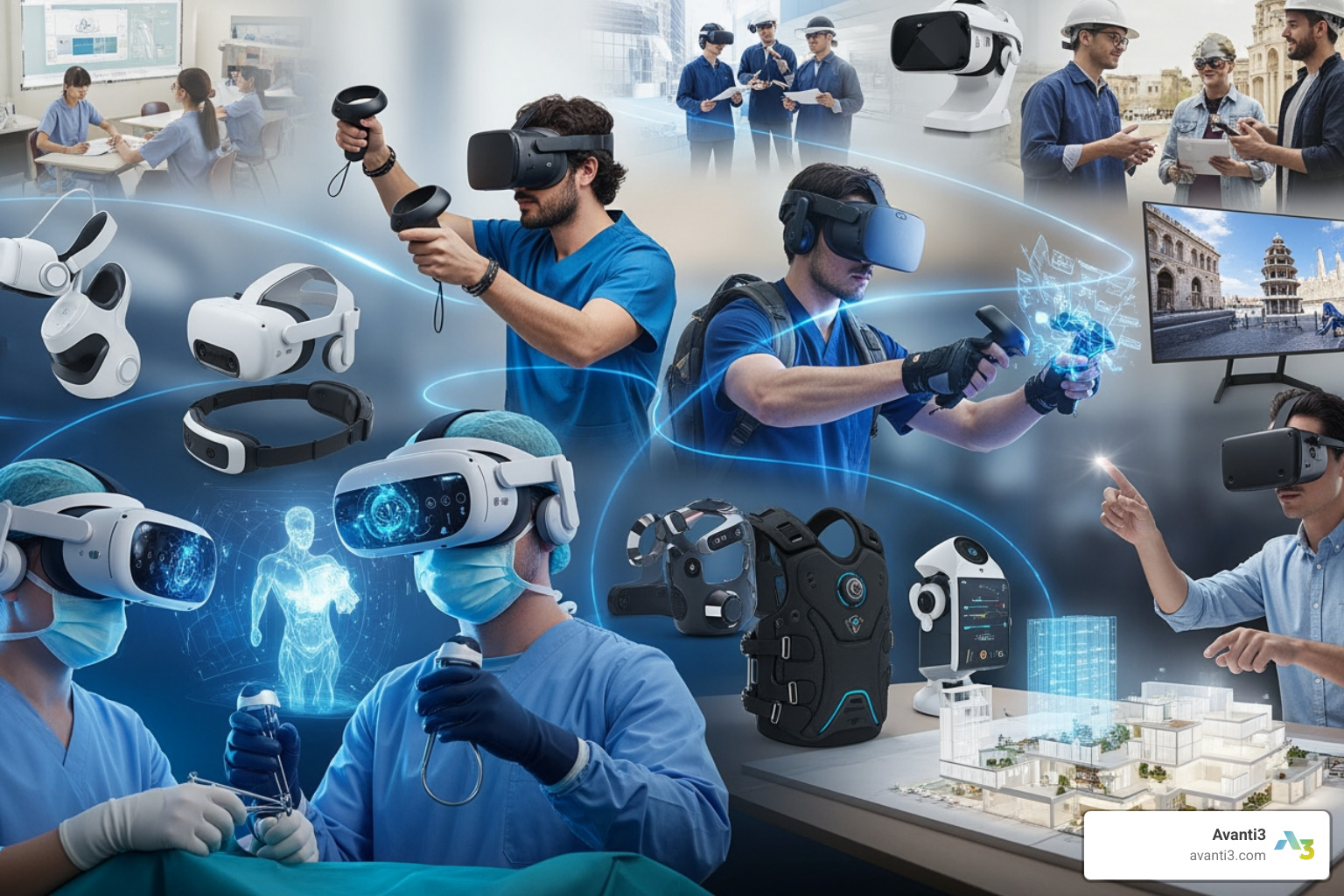
A leading vr app company doesn’t just build applications; it crafts immersive solutions that solve real-world problems and create unforgettable experiences. It’s about understanding the unique power of virtual reality and knowing how to harness it for diverse needs, from complex industrial training to captivating entertainment.
Avanti3: Pioneering Immersive VR Solutions
At Avanti3, we pride ourselves on being a pioneering vr app company that pushes the boundaries of immersive technology. We understand that your vision isn’t just about pixels and code; it’s about creating impactful, engaging, and often revenue-generating experiences. Our approach goes beyond traditional VR development, integrating cutting-edge Web3 technologies like NFTs, blockchain, and AI to empower creators and brands with customizable engagement tools and fintech solutions.
We specialize in custom VR app development custom to your specific needs. Whether you’re in need of enterprise solutions to streamline operations or educational platforms to revolutionize learning, we’ve got you covered. Imagine immersive digital twins that allow your teams to practice techniques in a risk-free, virtual environment. This is perfect for collaborative learning, rapidly upskilling workforces, and conducting crucial safety training where real-world mistakes could be costly. For example, we can develop VR training modules for warehouse teams, leading to faster learning and stronger retention.
Our expertise extends to mobile and gaming VR, where we blend creativity with technical prowess to deliver engaging content. We excel in AR/VR integration, creating seamless mixed-reality experiences that blur the lines between the physical and digital worlds. Think about brand experiences that allow customers to interact with products in augmented reality before making a purchase, or interactive videos that bring your brand story to life in a 360-degree environment. We’ve seen how these applications can include virtual driving experiences for automotive apps or interactive videos for renowned car brands.
We also invest heavily in R&D, particularly in virtual social interaction. We believe that the future of VR lies not just in individual experiences but in fostering connection and community within digital spaces. This commitment allows us to offer unique digital experiences, rewards systems, and community-building opportunities that set a new standard in digital engagement and fan monetization.
Our capabilities span a wide range of immersive offerings:
- AR/VR Immersive Experiences: Crafting bespoke mixed reality applications that captivate and engage users.
- Augmented Reality Concerts: Changing live events into interactive spectacles.
- Virtual Art Experiences: Bringing art to life in new dimensions, accessible to global audiences.
Our comprehensive services ensure that from ideation to production and ongoing maintenance, your project is handled with expertise and care. We’re not just building apps; we’re building the future of digital interaction, one immersive experience at a time.
How to Choose the Perfect Partner: A VR App Company Guide
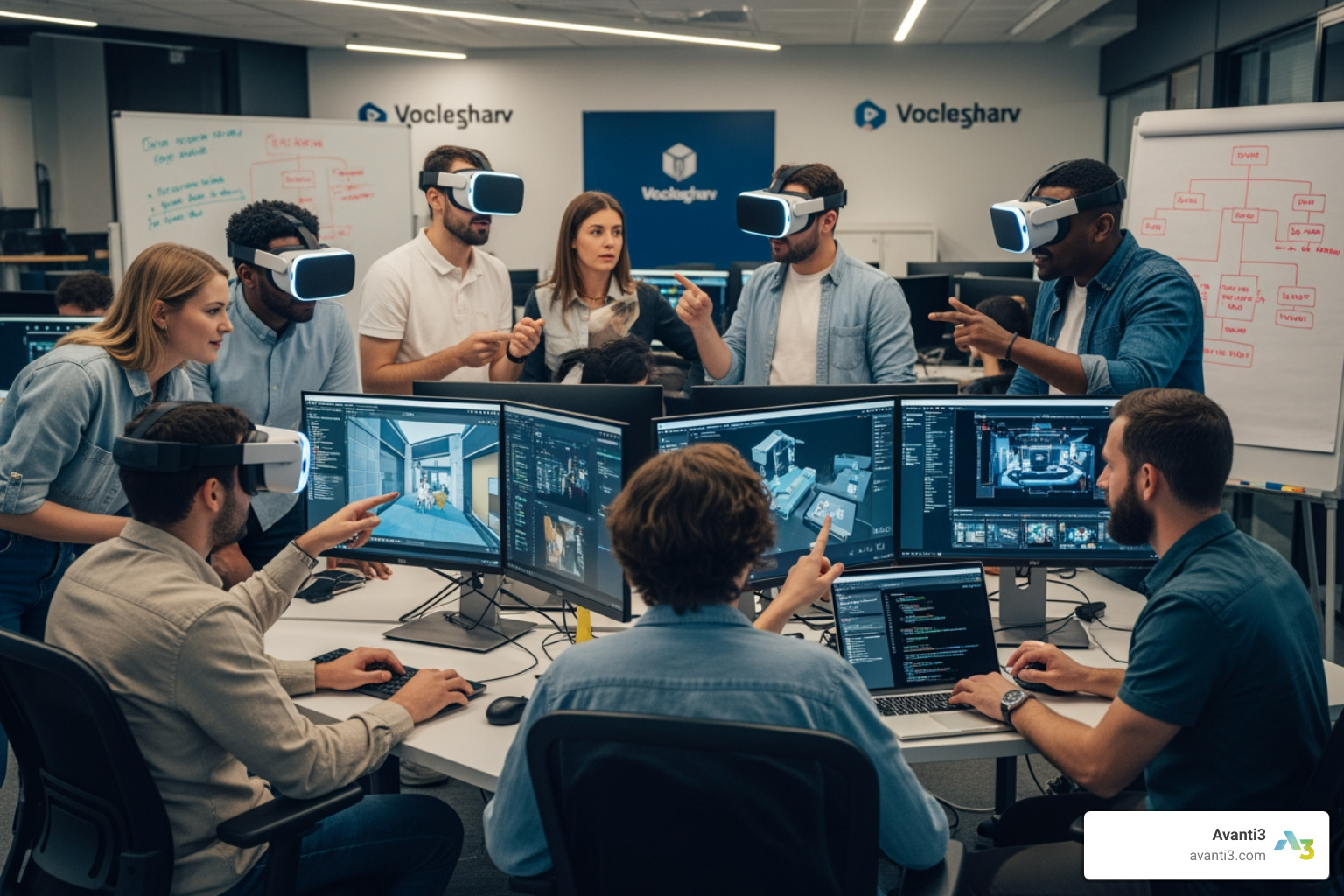
Selecting the right vr app company is a pivotal decision that impacts the success and ROI of your project. It’s not just about finding a coder; it’s about finding a strategic ally who understands your vision and can bring it to life with technical excellence and creative flair.
Evaluating a VR App Company: Services, Costs, and Differentiators
When evaluating a potential vr app company, take a holistic approach, looking beyond flashy demos to core competencies, operational transparency, and collaborative spirit.
Here’s a list of core services you should expect from a top-tier VR app company:
- Custom VR App Development: Full-cycle development from concept to deployment, creating bespoke solutions for your unique business needs.
- VR Training & Simulation: Developing immersive environments for employee training, safety protocols, and skill development in industries like aerospace and healthcare.
- VR Product Configurators: Creating interactive 3D models that let customers customize products in real-time, enhancing sales in retail and automotive.
- VR 3D Visualization Apps: High-fidelity visualizations for architecture and real estate, offering virtual tours and detailed model explorations.
- VR Video Streaming: Placing users at the center of the action with immersive 360-degree video.
- Virtual Reality Tours & Walkthroughs: Crafting engaging virtual museums, galleries, and interactive exhibitions.
- VR App Porting Services: Adapting existing VR solutions to new platforms and headsets to expand market reach.
- VR Content Creation: Providing animation, VFX, 3D models, and environmental design to populate virtual worlds.
- VR Games: Developing entertaining and immersive gaming experiences with captivating narratives.
Project Costs and Timelines: Transparency in pricing and realistic timelines are non-negotiable. VR project costs vary widely based on complexity, from under $5,000 to over $1,000,000. Hourly rates for developers typically fall between $25 and $300. It’s crucial to get a detailed breakdown of costs. Timelines also vary, from a few weeks for a simple experience to over a year for a complex solution. A good partner provides a clear roadmap and manages expectations.
Development Process and Client Collaboration: A company’s approach to development and collaboration indicates its reliability. We advocate for an agile methodology, which ensures flexibility and continuous feedback through regular communication and transparent progress reports.
Key aspects of a strong collaboration model include:
- Continuous Communication: Regular meetings and accessible development teams.
- Transparent Project Management: Tools that allow you to track progress in real-time.
- Iterative Development: Building in stages, allowing for adjustments based on feedback.
- Shared Understanding: A partner who deeply understands your business goals and integrates them into the solution.
Portfolio Review: Scrutinize a company’s portfolio for projects that align with your industry. Pay attention to the quality of their 3D models, user experience, and innovation. Client testimonials and case studies offer invaluable insights into their capabilities and client satisfaction.
Technical Expertise: A leading vr app company will have deep technical expertise in engines like Unity and Unreal Engine, and headsets like Meta Quest and HTC Vive. They should also be well-versed in 3D modeling tools (e.g., 3ds Max, Maya, Blender) and optimization techniques to ensure high performance (aiming for 90-120 frames per second to prevent user discomfort).
Industry Specialization: While some companies offer broad services, others specialize in particular industries like industrial automation, gaming, or retail entertainment. Choosing a partner with experience in your sector can reduce the learning curve and ensure a more effective solution.
Differentiation Factors: In a crowded market, what makes a vr app company stand out?
- Web3 Integration: Companies integrating Web3 technologies like NFTs and blockchain are at the forefront of innovation, enabling decentralized apps and metaverse projects.
- Focus on User-Generated Content (UGC): Empowering users to create and share their own content fosters vibrant communities and organic growth.
- Unique Business Models: Look for flexible engagement models, such as project-based development or team augmentation, to optimize resources and costs.
- Commitment to Optimization: Ensuring high FPS and a smooth user experience across various hardware is critical and shows a deep understanding of VR’s nuances.
Finding the perfect vr app company is about finding a partner who aligns with your strategic goals, demonstrates technical prowess, and fosters a collaborative relationship. We believe in building lasting relationships that empower your vision. To begin exploring how virtual reality can transform your business, we invite you to Start your virtual reality project with us.