

The Ultimate Guide to Tokenized Loyalty and Web3 Rewards
Why Loyalty Program Innovation Is the Growth Engine Brands Can’t Ignore
Loyalty program innovation is the practice of moving beyond basic points-and-discounts systems to create personalized, engaging, and emotionally resonant experiences that keep customers coming back — and spending more.
Here’s a quick snapshot of what modern loyalty innovation looks like:
| Traditional Loyalty | Innovative Loyalty |
|---|---|
| Points for purchases only | Points + experiences + gamification |
| Generic rewards | AI-personalized offers |
| Single-channel | Omnichannel + Web3 integration |
| Transactional | Emotional + community-driven |
| One-size-fits-all tiers | Dynamic, behavior-based tiers |
The numbers make a compelling case for change. Loyal customers spend more than 30% more than average buyers. Emotional connections to a brand can push Customer Lifetime Value (CLV) more than 300% higher. And a mere 5% improvement in retention can lift profits by anywhere from 25% to 95%.
Yet despite this, the average U.S. consumer now belongs to more than 15 loyalty programs — up 10% since 2022 — while engagement and actual loyalty are both declining. Having a program is no longer enough. How you design it is everything.
Brands that win are shifting from passive reward collection to active, meaningful participation — building programs that reflect real values, spark genuine excitement, and generate first-party data that fuels smarter decisions.
I’m Samir ElKamouny, an entrepreneur and marketing expert who has spent his career helping brands scale through strategic innovation — including the kind of loyalty program innovation that turns one-time buyers into lifelong advocates. In this guide, I’ll walk you through the strategies, tools, and emerging technologies reshaping loyalty today.
Essential loyalty program innovation terms:
The Evolution of Loyalty Program Innovation
We’ve come a long way since the days of physical punch cards and “buy ten, get one free” sandwiches. The history of loyalty is a journey from simple transactions to complex digital ecosystems. In the 1980s, airlines pioneered the modern era with frequent flier miles, essentially turning flights into a form of currency. Today, loyalty program innovation has evolved into a sophisticated “platform” model where the program is part of the product itself.
Modern innovation is defined by three pillars:
- Personalization at Scale: Using AI to ensure a skincare buyer gets a moisturizer discount, not a shaving cream coupon.
- Omnichannel Experiences: Ensuring your points earned on a mobile app are instantly visible and usable at a physical checkout counter.
- Experiential Value: Offering things money can’t buy, like early access to product drops or invitations to exclusive community events.
Take Sephora’s Beauty Insider program. It’s a masterclass in this evolution, achieving 15-25% higher annual revenue from active users by offering 3x higher spend among top-tier members. They don’t just give discounts; they give personalized birthday gifts and tiered benefits that make members feel like VIPs.
To understand how to build these systems, you can explore our deep dive into the digital reward system architecture.
Why Traditional Loyalty Program Innovation Fails
If loyalty programs are so great, why are we seeing “transactional fatigue”? The truth is, many programs have become noise. When the average consumer is juggling 15+ memberships, a generic “10% off your next purchase” feels like a chore rather than a reward.
Traditional programs often fail because:
- Low Engagement: BCG research shows U.S. engagement is down 10% and loyalty is down 20% since 2022.
- Data Silos: If your online shop doesn’t talk to your physical store, the customer experience breaks.
- Generic Offers: One-size-fits-all rewards ignore the unique preferences of Gen Z versus Boomers.
- Market Saturation: Everyone has a program now. If yours looks like everyone else’s, it provides zero competitive differentiation.
Industry research indicates that 83% of program owners report positive ROI, with an average return of 5.2x. However, to hit those numbers, you have to move past the “set-and-forget” mentality.
Gamification and Experiential Rewards

One of the most exciting frontiers in loyalty program innovation is gamification. This isn’t just about playing games; it’s about using psychological triggers like competition, curiosity, and achievement to drive daily habits.
A standout example is the Weigel’s Streaks check-in challenge. By encouraging daily app visits through “streaks,” Weigel’s saw a massive 66% year-over-year increase in Gen Z engagement. Their digital arcade also surpassed one million plays in just three months!
Other brands are getting equally creative:
- KFC: Their gamified arcade led to a 53% increase in app downloads and a 12% jump in same-store sales.
- Gas N Wash: They launched a Steal a Wash promotion tied to Major League Baseball. Whenever a local team stole a base, customers got a free car wash. This connects the brand to the emotional highs of sports.
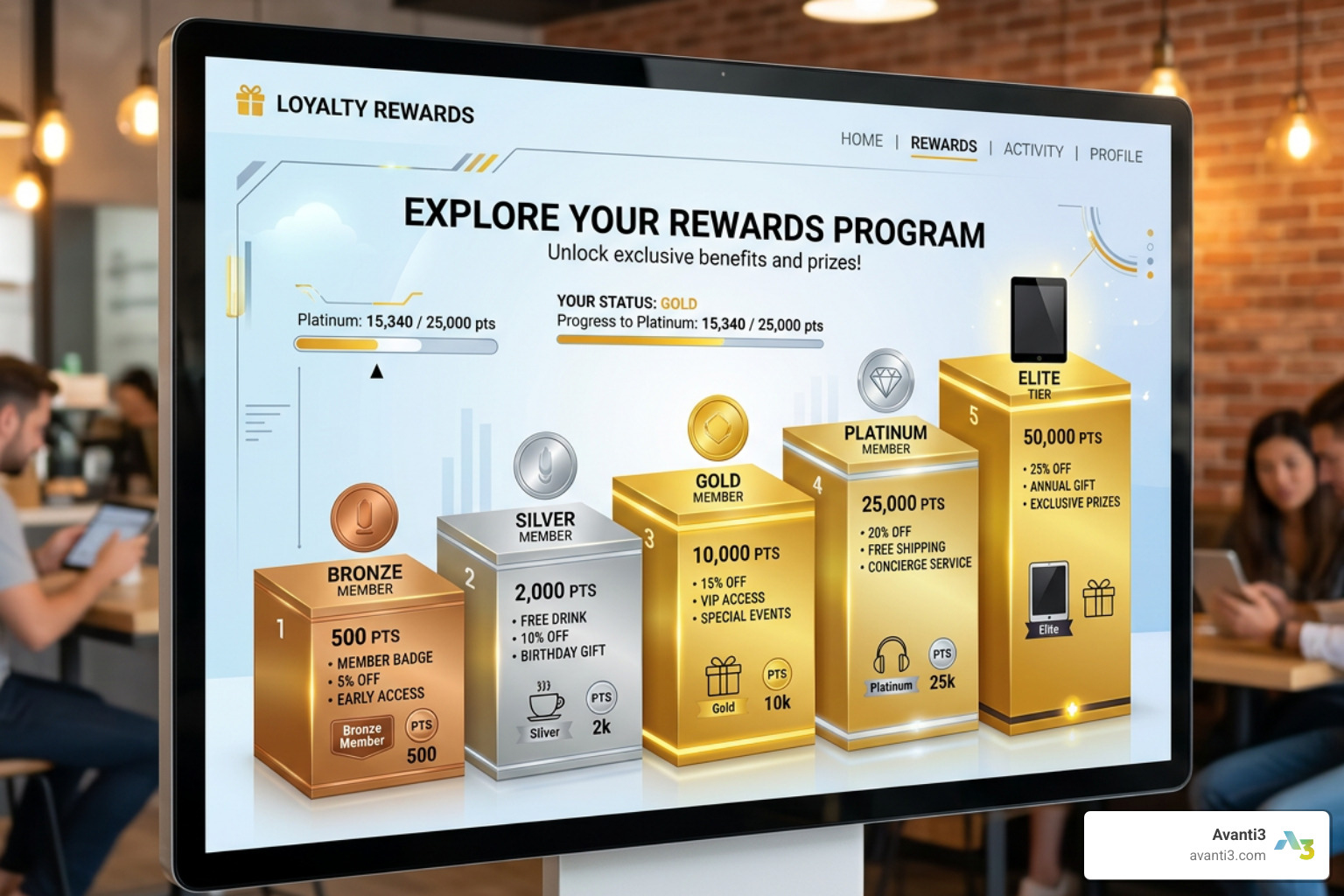
- Starbucks: Their tiered system (Green, Gold, Reserve) uses “Star” earning rates to create a sense of progression. Top-tier “Reserve” members even get potential all-expenses-paid trips to international coffee hubs.
Gamification turns a boring chore into a fun challenge, and experiential rewards create memories that a simple coupon never could.
Value-Based and Sustainability-Focused Strategies
Today’s consumers, especially younger generations, want to shop with brands that share their values. This has led to a surge in sustainability-focused loyalty.
H&M’s membership program is a leader here, rewarding members for recycling old clothes and making sustainable choices. This isn’t just “feel-good” marketing; it’s a revenue driver. H&M’s 120+ million members contribute 35% of overall revenues, with “Plus” members spending 3x more than non-members.
Key tactics include:
- Charitable Donations: Allowing members to “spend” their points on a donation to a cause they care about.
- Eco-Actions: Rewarding customers for using reusable bags or opting for carbon-neutral shipping.
- Ethical Alignment: Building a community around shared missions, like The North Face’s “XPLR Pass” which includes member-only trail days and group hikes.
When you align your rewards with a customer’s personal ethics, you move from a transactional relationship to an emotional one.
Implementing Web3 and Tokenized Rewards for the Future
Welcome to the future. While traditional databases have served us well, we are now entering the era of loyalty program innovation powered by Web3. At Avanti3, we believe blockchain and tokenization are the keys to solving the “transparency” and “portability” problems of modern loyalty.
Web3 loyalty uses NFTs (Non-Fungible Tokens) and smart contracts to create rewards that are:
- Verifiable: No more “missing points” or fraud. Everything is on a tamper-proof ledger.
- Interoperable: Imagine earning points at a coffee shop and being able to trade them for a discount at a sneaker store.
- True Ownership: Instead of just having a balance in a company’s database, the customer actually “owns” their reward as a digital asset.
By building community loyalty programs on-chain, brands can create a digital ecosystem where fans are literally invested in the brand’s success.
Tokenization and Blockchain in Loyalty Program Innovation
Blockchain isn’t just for crypto-enthusiasts; it’s a backend infrastructure for better business. In a Web3-native program, “missions” can be tracked on-chain. For example, a user might get an NFT badge for attending five virtual events or for being a top-tier referrer.
The benefits are clear:
- Fraud Prevention: Blockchain records are immutable, making it nearly impossible to “fake” points.
- Direct-to-Avatar Rewards: For brands entering the metaverse, tokenized rewards can be used to dress digital avatars or unlock gated virtual spaces.
- Secondary Markets: Brands can choose to let users trade or sell their high-tier rewards, creating a “hype” economy around the loyalty program.
Advanced infrastructure models are already building systems that connect data from purchases and communities into on-chain tracking, maximizing retention through total transparency.
Paid VIP and Subscription Models
Sometimes, the best way to ensure loyalty is to have the customer pay for it. It sounds counterintuitive, but paid (or “premium”) loyalty programs are booming. Think Amazon Prime, Walmart+, or Lululemon’s membership.
Why do they work?
- Psychological Commitment: Once a customer pays a fee, they feel a “sunk cost” need to get their money’s worth, leading them to shop with you more frequently.
- Recurring Revenue: These programs provide a steady stream of income regardless of seasonal shopping dips.
- Elite Status: Paid tiers often offer the most coveted perks, like free shipping, exclusive content, or early access to sales.
Lululemon, for instance, saw 9 million membership sign-ups in just five months. Meanwhile, Walmart+ has grown significantly by offering a bundle of shipping, fuel discounts, and streaming perks. These programs aren’t for every brand, but for those with high purchase frequency, they are a goldmine for CLV.
Measuring Success and Scaling with Avanti3
You can’t manage what you can’t measure. In loyalty program innovation, we look at more than just “points issued.” To see if your program is actually driving growth, you need to track:
- Reward Redemption Rate: If no one is using their points, your program is boring.
- Repeat Purchase Rate: The core goal of any program.
- Customer Lifetime Value (CLV): Are members spending more over time than non-members?
- Churn Rate: Is the program actually keeping people from leaving?
According to scientific research on customer retention, increasing retention by 5% can boost profits by up to 95%. This is especially true in B2B, where acquiring a new customer costs five to seven times more than retaining an existing one.
At Avanti3, we help you bridge the gap between traditional marketing and the future of digital engagement. Whether it’s integrating AI to personalize your offers or launching a full-scale Web3 reward system, our goal is to turn your audience into a thriving, monetized community.
Ready to see how the latest tech can transform your retention strategy? Explore technology solutions with us and let’s build a program that your customers will actually love to use.
Conclusion
The era of boring loyalty is over. To stand out in 2025 and beyond, your brand must embrace loyalty program innovation that prioritizes the human experience over the transaction. By combining gamification, value-aligned rewards, and the transparency of Web3, you can build a “growth platform” that doesn’t just track purchases—it builds a legacy.
Whether you’re a local boutique or a global enterprise, the secret is the same: treat your members like family, reward them for their passion, and never stop innovating.