

Virtual & Augmented Reality in Retail: Use Cases and Adoption
How AR VR Retail Is Changing the Way People Shop
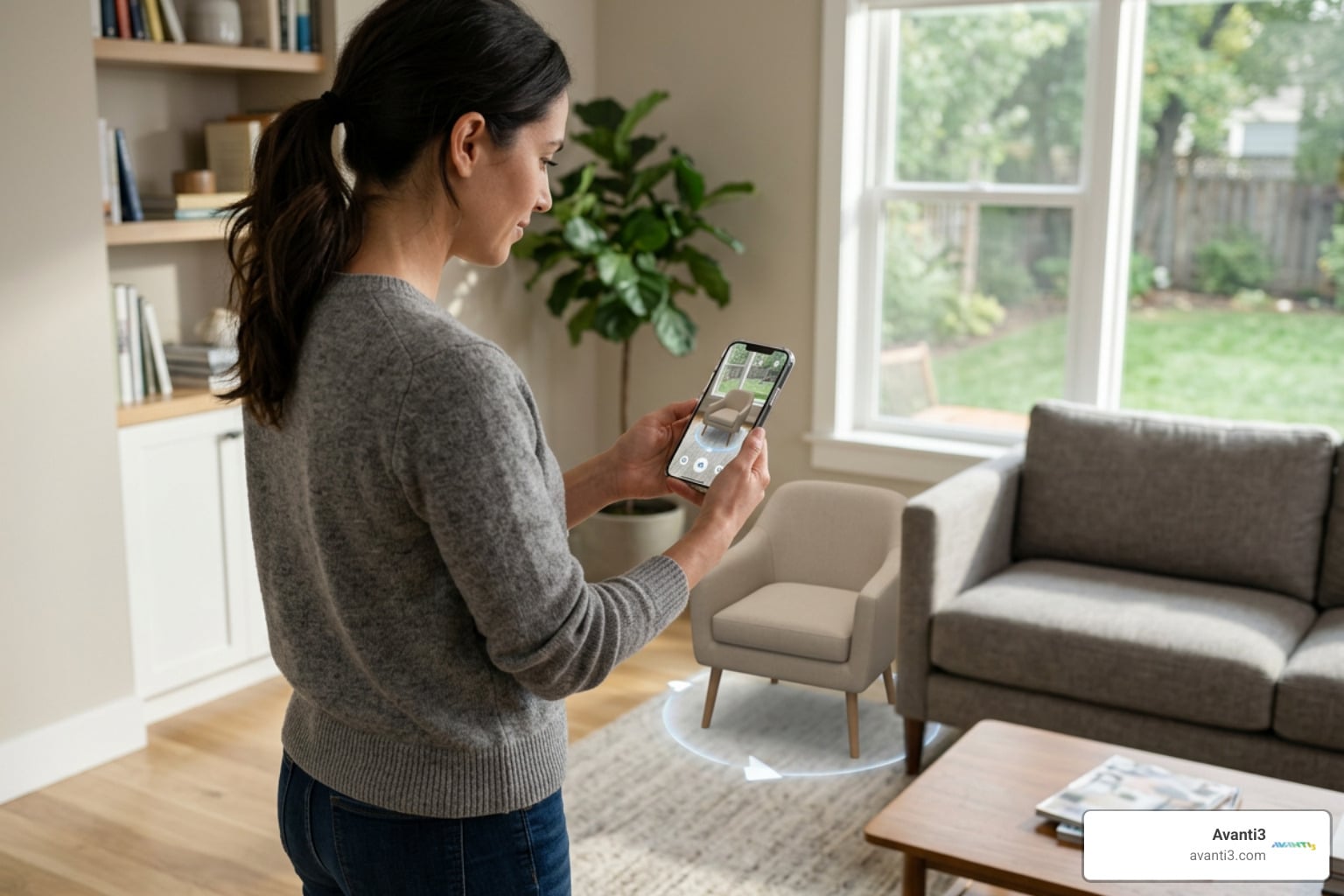
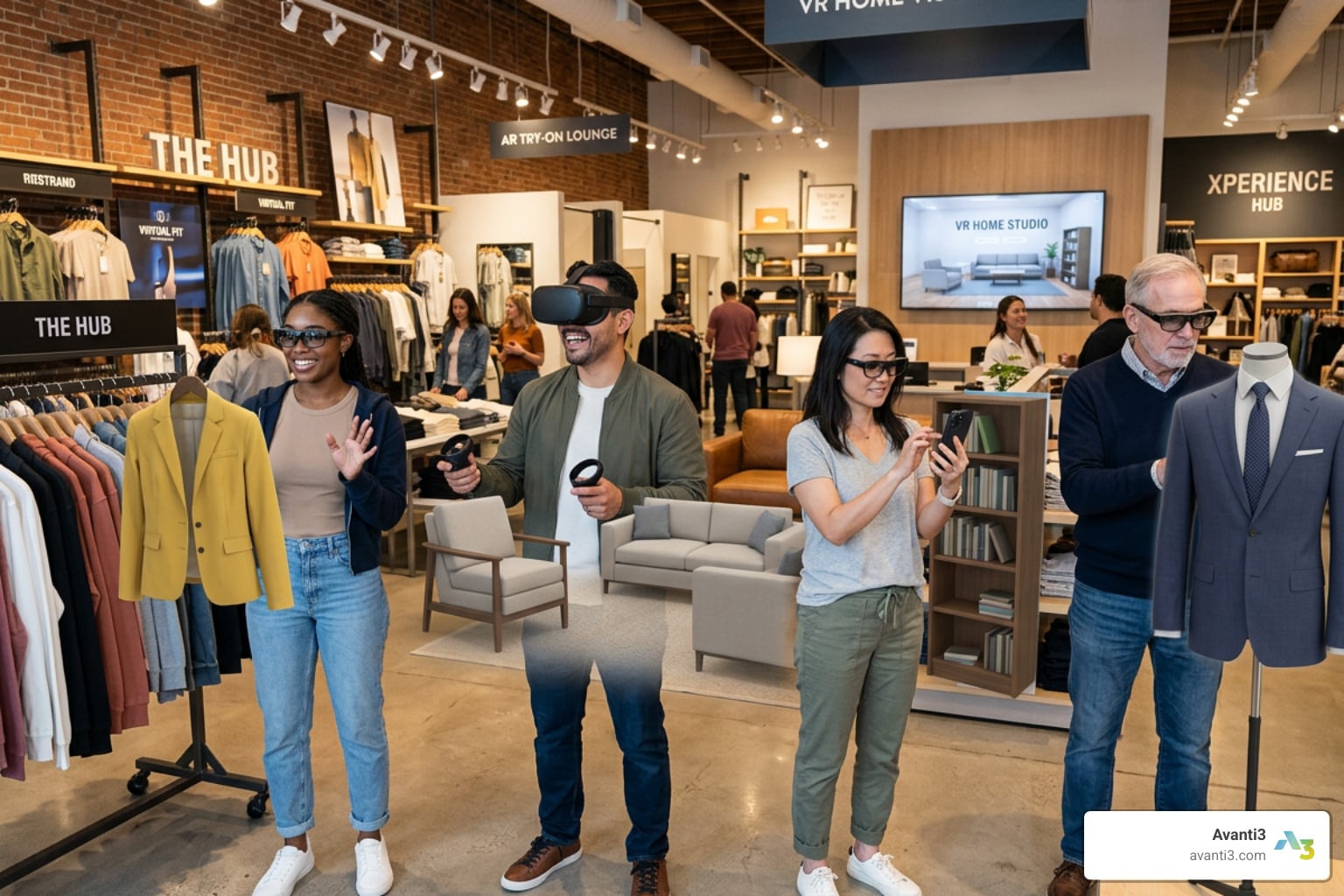
AR VR retail is transforming how customers discover, explore, and buy products — both online and in physical stores.
Here’s a quick overview of what it means and why it matters:
| Term | What It Means in Retail |
|---|---|
| AR (Augmented Reality) | Overlays digital content onto the real world — e.g., trying on sunglasses via your phone camera |
| VR (Virtual Reality) | Replaces your environment with a fully digital one — e.g., walking through a virtual showroom |
| Key benefit for shoppers | See products in context before buying, with more confidence |
| Key benefit for retailers | Higher conversions, fewer returns, deeper customer engagement |
The numbers back this up. 63% of U.S. consumers believe AR would improve their shopping experience. Products with AR content see up to 94% higher conversion rates compared to those without. And brands using virtual try-ons have reported a 20% increase in sales alongside a 30% drop in return rates.
Retail has always evolved alongside technology. But AR and VR aren’t just incremental upgrades — they’re reshaping the entire customer journey, from browsing to buying.
I’m Samir ElKamouny, an entrepreneur and marketing strategist who has spent years helping brands scale through innovative digital strategies, including the rapidly growing world of AR VR retail. In this guide, I’ll walk you through the real-world applications, adoption trends, and a practical roadmap to help you implement immersive technology in your retail strategy.
AR VR retail terms to learn:
The Impact of AR VR retail on Modern Commerce
The shift toward AR VR retail isn’t just about “cool” tech; it’s about solving the oldest problem in commerce: the gap between seeing a product and knowing if it’s right for you. In traditional e-commerce, customers rely on 2D photos and reviews. With immersive tech, we are moving toward “experiential” commerce where the product comes to life.
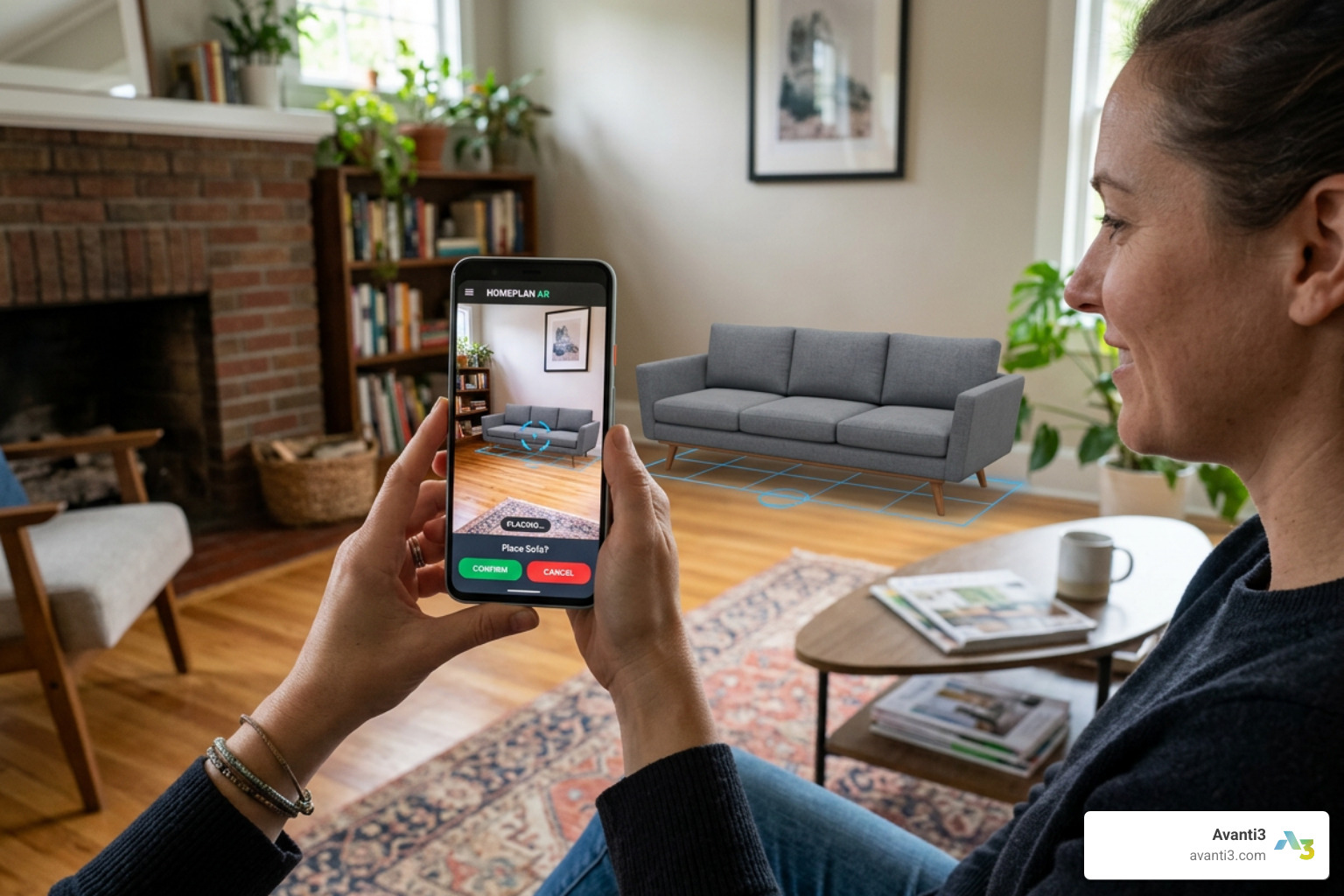
According to a NielsenIQ survey, 56% of consumers report that AR technology increases their confidence in a product’s quality. This confidence translates directly into business results. When a customer can see exactly how a sofa fits in their living room or how a shade of lipstick looks on their skin tone, the “uncertainty barrier” vanishes.
Comparison of AR and VR Applications in Retail
| Feature | Augmented Reality (AR) | Virtual Reality (VR) |
|---|---|---|
| User Device | Smartphones, tablets, AR glasses | Headsets (Meta Quest, Apple Vision Pro) |
| Environment | Real-world background with digital overlays | 100% digital, simulated environment |
| Best Use Case | Virtual try-ons, furniture placement | Virtual showrooms, brand storytelling |
| Engagement | High (accessible anywhere) | Very High (fully immersive) |
| Impact on Returns | Significant reduction (up to 40%) | Moderate (helps with style/vibe) |
The data shows that AR VR retail is a powerhouse for engagement. AR visualization has been shown to boost purchase intent by 25% and lead to 60% larger average baskets. Essentially, when people can “play” with a product digitally, they are more likely to buy it—and buy more of it.
Key Applications of AR VR retail
How does this look in practice? We are seeing several heavy-hitting applications that are moving from “experimental” to “essential.”
- Virtual Try-Ons: This is the gold standard for fashion and beauty. Using a smartphone camera, users can see clothes, eyewear, or makeup on their own bodies. It’s like having a fitting room in your pocket.
- Product Visualization & 3D Configurators: Instead of looking at a static image of a car or a watch, customers can rotate a 3D model, change colors in real-time, and zoom in on textures.
- Smart Mirrors: In physical stores, these mirrors overlay digital information (like different sizes or colors available in stock) over the customer’s reflection, blending the digital and physical worlds.
- Endless Aisles: For small boutique stores, VR allows them to show their entire inventory in a virtual space, even if they only have a few items physically present.
- Virtual Showrooms: Brands can create entire digital flagship stores that users can “walk” through from their couch.
To truly capitalize on these tools, many brands are looking for specialized AR marketing solutions to ensure their digital assets are as persuasive as their physical ones.
Consumer Adoption and Market Statistics
The appetite for AR VR retail is massive, particularly among the demographics that hold the most future spending power. Research on U.S. consumer AR interest shows that 71% of Gen Z and Millennial shoppers are strongly interested in using AR or VR to visualize products before purchasing.
The market growth is equally staggering. Research on the $193 billion AR market suggests that by 2030, immersive experiences will be a standard part of the global economy.
- Asia-Pacific: Leading the charge, with 84% of consumers in China expressing interest in AR for online shopping.
- Europe: 73% of European retailers plan to integrate AR/VR within the next two years.
- United States: 61% of shoppers prefer retailers that provide AR experiences over those that don’t.
Mobile accessibility is the key driver here. Because almost everyone has a high-powered AR-capable device in their pocket (their smartphone), the barrier to entry for the consumer is lower than ever.
Overcoming Barriers to AR VR retail Implementation
While the benefits are clear, we have to be honest about the hurdles. Implementing AR VR retail isn’t as simple as flipping a switch.
- Technical Complexity: Creating high-quality 3D models of every SKU is a massive undertaking. If the digital version looks “fake” or laggy, it can actually hurt brand trust.
- Implementation Costs: While WebAR (app-less AR) is becoming more affordable, building high-end AR VR immersive experiences still requires a significant upfront investment in developers and 3D artists.
- Data Privacy: Immersive tech often requires camera access or tracks gaze data. Retailers must be transparent and secure to maintain customer trust.
- Connectivity: AR and VR are data-heavy. Without 5G or strong Wi-Fi, the experience can be frustrating for the user.
- Behavioral Challenges: Some older demographics are still hesitant to use these tools, requiring retailers to focus on intuitive, user-friendly designs.
Future Trends and Strategic Implementation Roadmap
As we look toward the next 5 to 10 years, AR VR retail will become increasingly intertwined with Artificial Intelligence (AI). Imagine a virtual shopping assistant that doesn’t just answer questions but “sees” what you’re looking at in AR and suggests a matching accessory based on your style history.
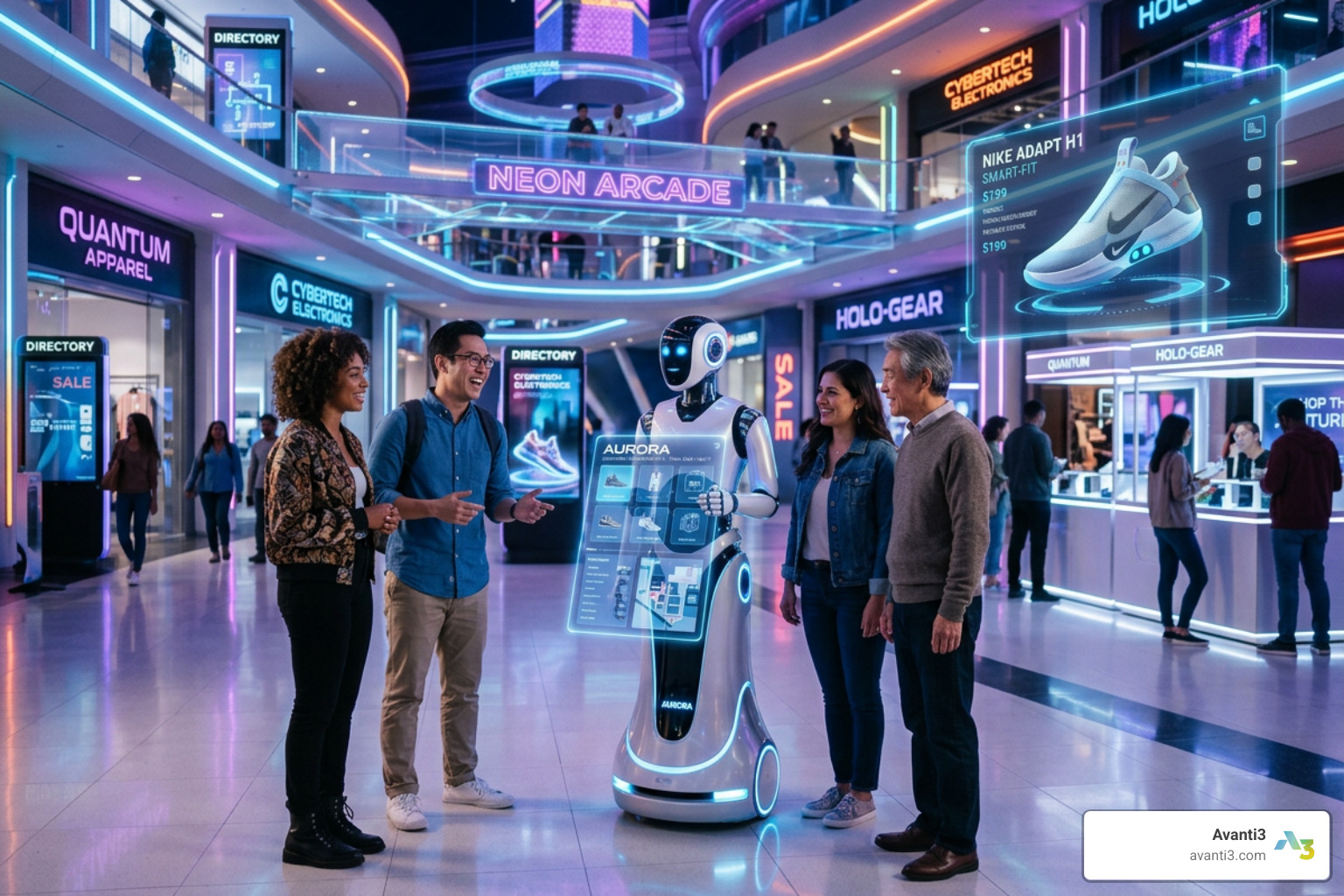
The “Metaverse” might be a buzzword, but the underlying concept—persistent, shared virtual spaces for shopping—is very real. We are moving toward a world where your digital avatar might try on a digital twin of a jacket before you order the physical version for yourself. This is where virtual reality experiences shift from being a “game” to being a serious commercial tool.
Blending Physical and Digital with Omnichannel XR
The future isn’t “online vs. offline”—it’s both. This is known as omnichannel retail, and XR (Extended Reality) is the glue that holds it together.
- 24/7 Storefronts: Retailers are now using AR-enabled window displays. Even when the store is closed, a passerby can scan a QR code on the window and see the products inside come to life on their phone, allowing them to purchase right then and there.
- In-Store Navigation: Large department stores are using AR overlays to guide customers to specific aisles or highlight “hidden” deals as they walk through the store.
- Gaze Tracking & Insights: One of the most powerful (and underutilized) aspects of VR is data. Retailers can track exactly where a customer’s eyes go in a virtual showroom. Do they look at the price tag first? The material? The brand logo? This interaction data is a goldmine for augmented reality marketing strategies.
A Step-by-Step Roadmap for Retailers
If you’re a retailer looking to get started with AR VR retail, we recommend a phased approach to manage costs and maximize ROI.
- Objective Setting: Don’t just do it because it’s trendy. Are you trying to reduce returns? Increase time-on-site? Drive foot traffic? Define your “Why” first.
- Journey Mapping: Identify where the most friction exists in your current customer journey. If people struggle to understand the size of your products, start with AR product visualization.
- Pilot Programs: Start small. Pick 5-10 “Hero SKUs” and create high-quality 3D models for them. Test the conversion lift on these items specifically.
- Tech Partnerships: Unless you are a tech giant, don’t build this from scratch. Partner with platforms that offer scalable AR/VR tools.
- Staff Training: If you’re using this in-store, your employees need to be “tech ambassadors” who can show customers how to use the tools.
- KPI Definition: Track conversion rates, return reductions, and dwell time. Use these metrics to justify scaling to your entire catalog.
Conclusion: The Next Frontier of Digital Engagement
The era of passive shopping is ending. AR VR retail is ushering in a new age where consumers are active participants in the brand story. At Avanti3, we believe that the most successful brands of the future will be those that blend these immersive technologies with Web3 innovations.
By integrating NFTs, blockchain-based rewards, and customizable digital tools, we help brands create community-driven experiences that go far beyond a simple transaction. Whether it’s a virtual art experience or a token-gated AR try-on for an exclusive product drop, the goal is the same: deeper engagement and lasting loyalty.
The tools are ready. The consumers are waiting. Is your brand ready to step into the future of digital engagement solutions? Future-proofing your retail business starts with embracing the immersive world of AR VR retail today.